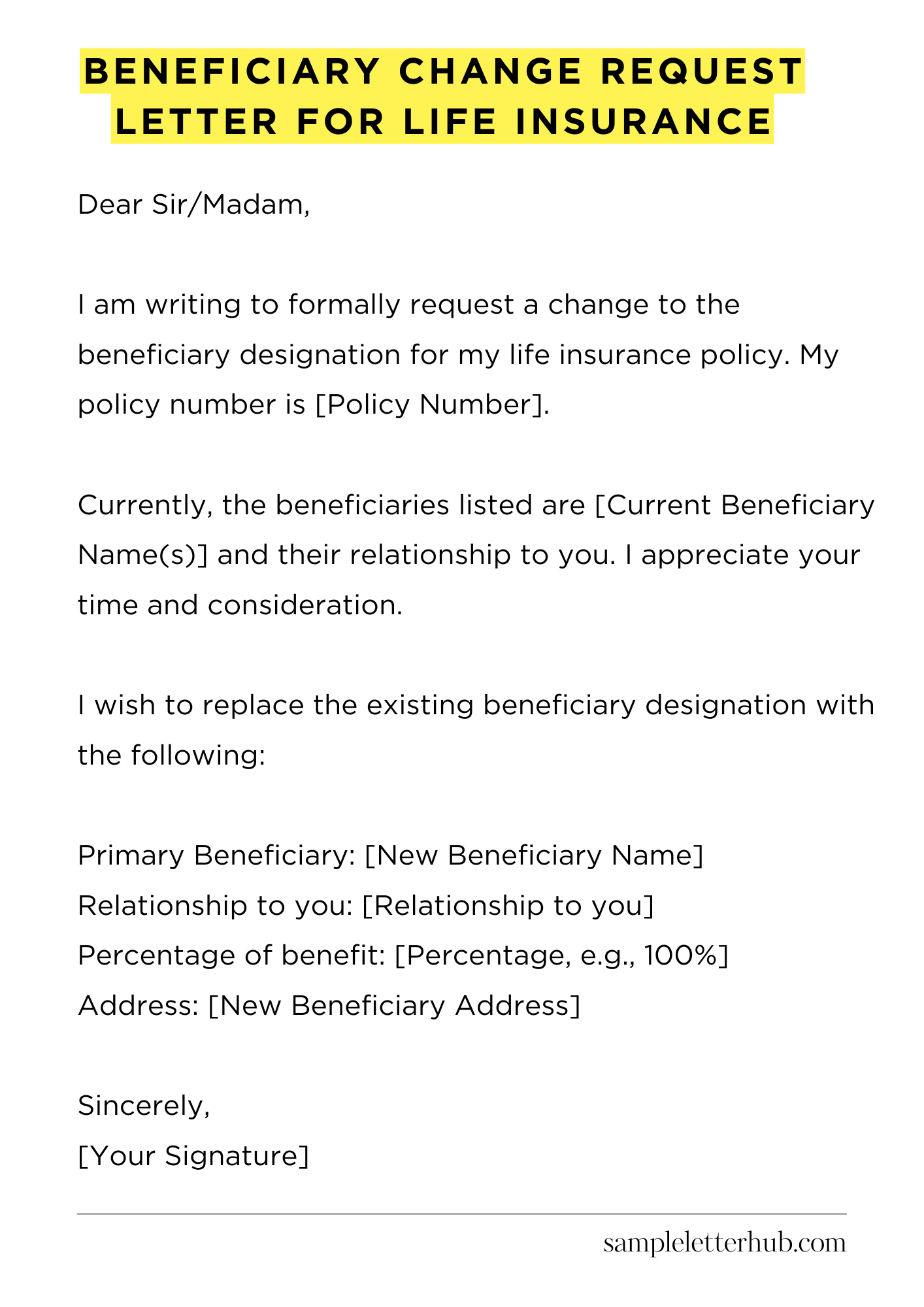
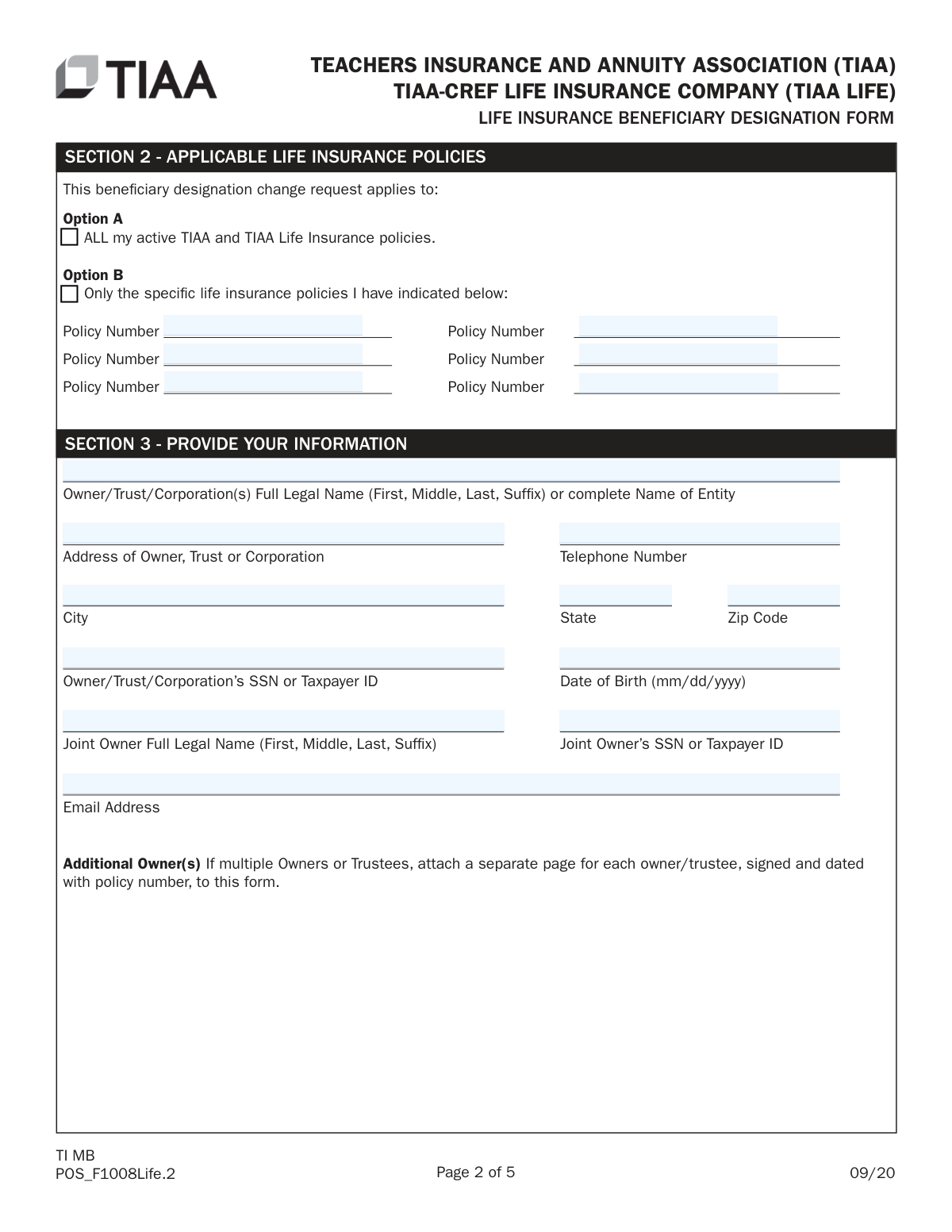
The AAA Life Insurance Co beneficiary designation form is a legal document used to establish or change the individuals, entities, or trusts authorized to receive policy death benefits. Policyholders can typically access this form through the AAA Life Online Member Portal or by requesting a physical copy from customer service to ensure their coverage aligns with current estate planning needs.
Life insurance is a cornerstone of financial security, yet its effectiveness depends entirely on the accuracy of your beneficiary designations. As of 2026, AAA Life Insurance Company continues to streamline the process of updating these records, but the legal and technical requirements remain stringent. Failing to properly execute a beneficiary designation form can lead to delayed payouts, legal disputes among survivors, or the unintended distribution of assets through probate court.
The Role of the AAA Life Insurance Beneficiary Designation Form
The beneficiary designation form is more than just a piece of administrative paperwork; it is a legally binding amendment to your life insurance contract. In the world of insurance and estate law, the "contractual beneficiary" listed on this form almost always takes precedence over instructions left in a last will and testament. This means that even if your will says your estate should go to a specific person, the life insurance company is legally obligated to pay the person named on the beneficiary form.
AAA Life Insurance Company provides these forms to ensure that the transition of funds is "non-probate." By naming specific individuals, the death benefit bypasses the lengthy and often expensive court-supervised process of probate. For policyholders in 2026, maintaining an updated form is the most direct way to provide immediate liquidity to loved ones for funeral expenses, mortgage payments, or inheritance.
When Should You Update Your Beneficiary Designations?
Financial experts recommend reviewing your AAA Life Insurance policy at least once a year or whenever a major life event occurs. Relying on an outdated form is one of the most common mistakes in the insurance industry. Consider the following triggers for filing a new beneficiary designation form:
- Marriage or Divorce: A change in marital status is the most frequent reason for a beneficiary update. In many jurisdictions, a divorce does not automatically revoke a beneficiary designation, meaning an ex-spouse could legally receive the payout if the form is not updated.
- Birth or Adoption of a Child: As your family grows, you may want to include new children as contingent or primary beneficiaries to ensure they are financially protected.
- Death of a Beneficiary: If a named beneficiary passes away before the policyholder, the proceeds may revert to the estate unless a contingent beneficiary is named or the form is updated.
- Formation of a Trust: If you have established a living trust as part of your 2026 estate plan, you may need to designate the trust as the beneficiary rather than individuals to maintain control over how the funds are distributed.
- Charitable Intentions: Many policyholders choose to designate a portion of their death benefit to a non-profit organization or alma mater.
Understanding Primary vs. Contingent Beneficiaries
When filling out the AAA Life Insurance Co beneficiary designation form, you will encounter two main categories of beneficiaries. Understanding the distinction is vital for a comprehensive safety net.
Primary Beneficiaries
The primary beneficiary is first in line to receive the death benefit. You can name one person or multiple people. If you name multiple primary beneficiaries, you must specify the percentage of the benefit each should receive (e.g., Spouse 50%, Child A 25%, Child B 25%). The total must always equal 100%.
Contingent Beneficiaries
The contingent (or secondary) beneficiary receives the proceeds only if all primary beneficiaries are deceased at the time of the policyholder's death. Think of this as a "backup plan." Without a contingent beneficiary, if the primary beneficiary is gone, the money typically defaults to your estate, which subjects it to probate taxes and creditor claims.
Step-by-Step Instructions for Completing the Form
Completing the form requires precision. Incomplete or ambiguous information can result in the form being rejected or, worse, the benefit being contested later.
1. Identify the Policy
You must provide the full policy number. If you have multiple policies with AAA Life (such as a term life policy and a whole life policy), you must specify which policies the change applies to. Some forms allow you to check a box for "All Policies," but it is safer to list them individually.
2. Provide Full Legal Names and Identifiers
Do not use nicknames or generic terms like "my wife" or "my children." Use full legal names as they appear on government-issued IDs. AAA Life also requires Social Security Numbers (SSNs) and dates of birth for each beneficiary. This is not just for record-keeping; it is how the company verifies the identity of the claimant to prevent fraud and ensure the money reaches the right person.
3. Determine the Distribution Method
You will often see the terms Per Stirpes or Per Capita.
- Per Stirpes: If a beneficiary dies before you, their share goes to their heirs (usually their children).
- Per Capita: If a beneficiary dies before you, their share is split among the other surviving named beneficiaries. Choosing between these options ensures that your legacy continues according to your specific family values.
4. Witness and Signature Requirements
In 2026, most AAA Life forms require a formal signature. Depending on your state of residence, you may need a witness who is not a named beneficiary to sign the form as well. If you are in a "community property" state, your spouse may be required to sign a waiver if you are naming someone else as the primary beneficiary.
Submission Methods and Processing Times
AAA Life offers several ways to submit your completed beneficiary designation form. Choosing the right method depends on your need for speed and a paper trail.
| Submission Method | Estimated Processing Time | Best For |
|---|---|---|
| Online Member Portal | 1–3 Business Days | Immediate updates and instant confirmation. |
| Email (Secure Upload) | 3–5 Business Days | Policyholders with scanned PDF documents. |
| Fax | 5–7 Business Days | Those requiring a transmission receipt without using a computer. |
| Standard Mail | 10–14 Business Days | Original documents and wet-ink signatures. |
Once submitted, AAA Life typically sends a confirmation letter or email. It is essential to keep this confirmation with your policy documents. If you do not receive a confirmation within the estimated timeframe, contact the AAA Life customer service department at AAA Life official contact page to verify receipt.
Special Considerations: Minors, Trusts, and Estates
Naming certain entities as beneficiaries requires extra care to avoid legal complications.
Naming Minor Children
Life insurance companies cannot pay death benefits directly to minors. If you name a minor on your AAA Life form without a court-appointed guardian or a designated custodian under the Uniform Transfers to Minors Act (UTMA), the funds may be held by the state or the court until the child turns 18 or 21. A better approach is to name a "Trust for the benefit of [Child's Name]" or designate a trusted adult as a custodian.
Naming a Trust
If you wish for your life insurance proceeds to be managed by a trustee, you must provide the full name of the trust and the date it was created (e.g., "The John Doe Revocable Living Trust, dated January 1, 2024"). This is a common strategy in 2026 for high-net-worth individuals or those with complex family structures.
Community Property States
If you live in a state like California, Texas, Arizona, or Washington, your spouse may have a legal claim to 50% of any income earned during the marriage—including life insurance premiums. If you designate a beneficiary other than your spouse using the AAA Life form, the company may require the spouse’s written consent to avoid future litigation.
Common Mistakes to Avoid
- Using "Estate" as a Beneficiary: While possible, naming your estate as the beneficiary makes the death benefit taxable and subject to creditors. It also forces the funds through probate.
- Incomplete Percentages: Ensure the total for the primary section and the total for the contingent section each equal exactly 100%.
- Failure to Notify Beneficiaries: While not a requirement of the form, failing to tell your beneficiaries that they are named can lead to unclaimed benefits. Ensure they know the policy exists and where the documents are kept.
- Illegible Handwriting: If you are filling out a paper form, use block letters and black ink. Ambiguity in a name or SSN can cause significant delays during the claim process.
Troubleshooting and Verification
If you are unsure who your current beneficiaries are, do not guess. You can request a "Policy Summary" from AAA Life. Because of privacy laws and the sensitive nature of financial data, AAA Life will only discuss beneficiary details with the policy owner.
If you find that your form was rejected, the most common reasons in 2026 are:
- Missing Signature: Both the policy owner and, if required, the spouse or witness must sign.
- Cross-outs: If you make a mistake, it is better to start a new form than to use white-out or cross out names, as this can be viewed as potential fraud.
- Missing SSN: The company often cannot process the change without a tax identification number for the beneficiary.
Frequently Asked Questions
Can I change my beneficiary online with AAA Life? Yes, most AAA Life policyholders can update their beneficiaries through the Member Portal. This is the fastest method and provides a digital audit trail. However, certain older policies or those involved in irrevocable trusts may still require a paper form with a wet-ink signature.
Does a will override the AAA Life beneficiary form? No. In almost all circumstances, the beneficiary designation on file with the insurance company takes legal precedence over a will. This is why it is critical to update your insurance forms independently of your other estate planning documents.
What happens if I don't name a beneficiary? If no valid beneficiary is on file at the time of death, the benefit is typically paid to the policyholder's estate. This makes the funds subject to the probate process, which can delay the payout by months or even years and may reduce the final amount due to court costs and debt collections.
How many beneficiaries can I name on one form? AAA Life typically allows you to name multiple primary and contingent beneficiaries. If the standard form does not have enough rows, you can usually attach an "Additional Beneficiary Page," provided it is also signed, dated, and clearly references the policy number.
Is spousal consent always required? Spousal consent is generally required only in community property states if the spouse is not named as the primary beneficiary for at least 50% of the benefit. However, rules can vary by policy type and state law, so it is best to check the specific instructions on your 2026 version of the form.
Can I name a charity or non-profit as a beneficiary? Yes. You will need the charity's full legal name and its Federal Tax ID number (EIN). Designating a charity is a common way to provide a legacy gift while potentially providing estate tax benefits for your heirs.
Final Recommendation
To ensure your final wishes are honored and your loved ones are protected, download the most recent version of the AAA Life Insurance Co beneficiary designation form today. Once completed, keep a copy for your records and confirm with AAA Life that the update has been processed. Reviewing this form every 12 to 24 months is a simple but vital step in responsible financial management.
Note: This guide is for informational purposes only and does not constitute legal or financial advice. Life insurance laws vary by state and individual circumstances. For specific legal questions regarding your estate, consult with a qualified attorney or financial advisor.