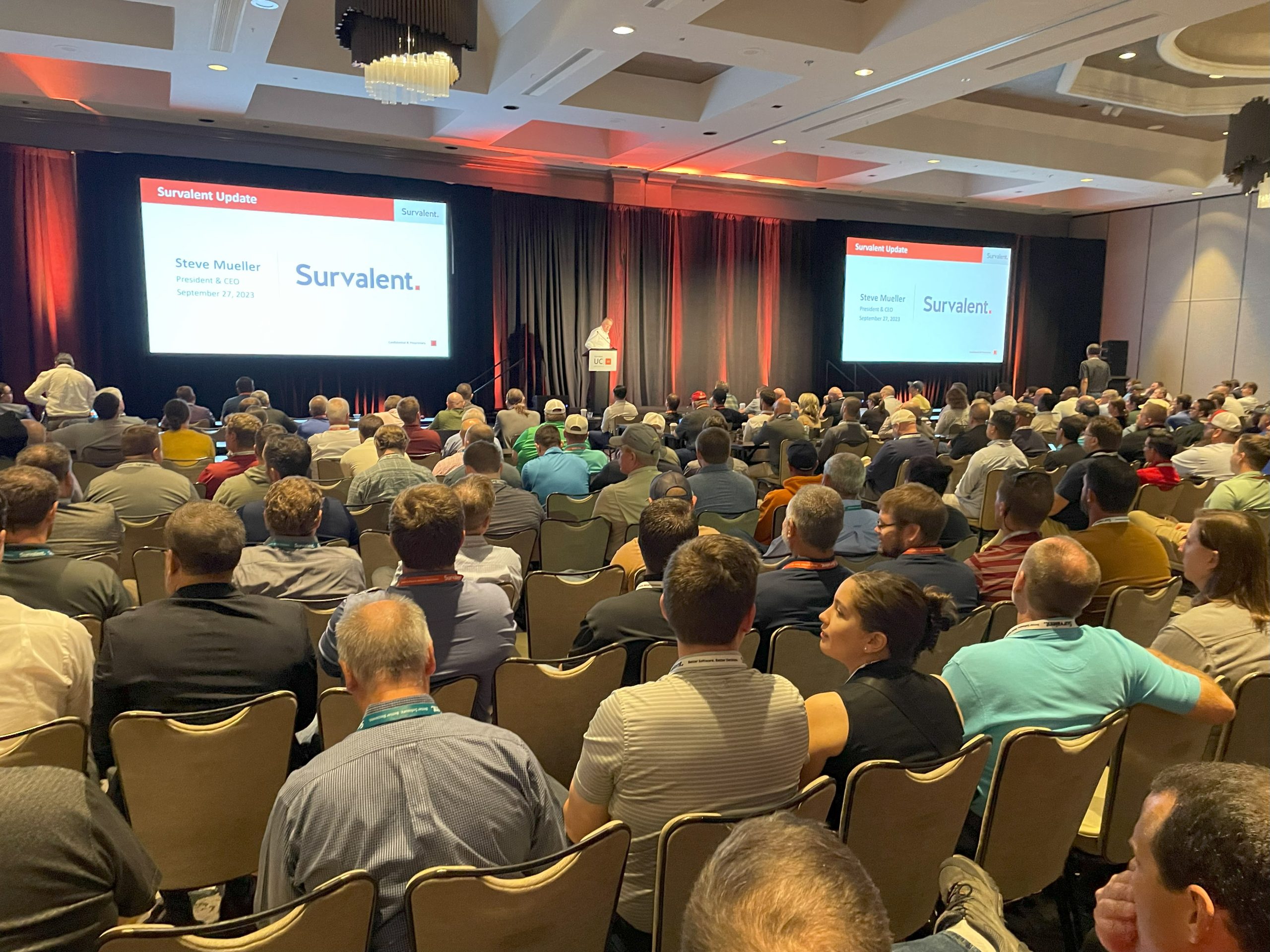
Attending the NERSC Conference 2026 provides researchers and engineers with critical insights into the NERSC-10 system deployment, advanced AI-for-science workflows, and direct access to Lawrence Berkeley National Laboratory experts. Participants gain a competitive edge in high-performance computing (HPC) by mastering new programming models, optimizing GPU-accelerated code, and networking with the Department of Energy’s premier computational community.
The Pivotal Role of NERSC in the 2026 Computational Landscape
As we move through 2026, the National Energy Research Scientific Computing Center (NERSC) continues to stand as the flagship mission-HPC facility for the U.S. Department of Energy (DOE) Office of Science. The landscape of scientific discovery has shifted fundamentally toward a model where massive data ingestion, real-time analysis, and exascale simulation converge. The NERSC Conference 2026 is the primary venue for navigating this convergence.
For over half a century, NERSC has provided the computational "horsepower" required for breakthroughs in materials science, climate modeling, high-energy physics, and genomics. However, 2026 marks a specific turning point. With the Perlmutter system (NERSC-9) fully matured and the initial phases of the NERSC-10 architecture coming online, the technical requirements for users have evolved. This conference is not merely an academic gathering; it is a vital operational briefing for any scientist whose work depends on large-scale computing resources.
Understanding the "why" behind the NERSC Conference requires looking at the complexity of modern hardware. The transition from CPU-only environments to heterogeneous, GPU-heavy architectures has created a steep learning curve. The 2026 conference is designed to flatten that curve, providing a bridge between theoretical science and the practical execution of code on the world's most sophisticated machines.
1. Exclusive Insights into NERSC-10 Architecture and Roadmap
The most compelling reason to attend the 2026 conference is the deep dive into the NERSC-10 system. As the successor to the highly successful Perlmutter system, NERSC-10 represents a leap forward in the "Integrated Research Infrastructure" (IRI) vision. Attendees will receive first-hand details regarding the system's heterogeneous nodes, interconnect topology, and the unique memory hierarchy designed to handle the next generation of scientific workloads.
In 2026, the shift is no longer just about raw FLOPS (Floating Point Operations Per Second). The NERSC-10 architecture focuses on the integration of experimental data with simulation. By attending the technical sessions, users can learn how the system handles massive streaming data from facilities like the Advanced Light Source (ALS) or the Linac Coherent Light Source (LCLS). Understanding these architectural nuances before the general allocation cycle begins is an invaluable advantage for principal investigators planning their next multi-year research projects.
Furthermore, the conference provides a transparent look at the NERSC roadmap. This includes the decommissioning schedules for older partitions and the onboarding process for new hardware tiers. For research groups, this information is vital for budget planning and personnel allocation, ensuring that their software development efforts align with the hardware that will be available over the next three to five years.
2. Mastery of AI for Science and Large Language Models (LLMs)
By 2026, Artificial Intelligence is no longer a peripheral tool in scientific research; it is central to it. NERSC has been at the forefront of the "AI for Science" movement, and the 2026 conference features extensive tracks on how to leverage GPU-accelerated nodes for deep learning, generative modeling, and surrogate modeling.
The primary challenge for most researchers in 2026 is not simply running an AI model, but scaling it. The conference offers specialized sessions on distributed training across thousands of GPUs, optimizing data loaders to prevent I/O bottlenecks, and utilizing NERSC’s optimized software stacks for PyTorch and TensorFlow.
A significant focus this year is the application of Large Language Models (LLMs) to scientific literature and data. Researchers are exploring how LLMs can automate the extraction of properties from chemical journals or suggest new alloy compositions. The conference provides the "how-to" for fine-tuning these massive models on NERSC hardware, ensuring that privacy and DOE security protocols are maintained while pushing the boundaries of automated discovery.
3. Direct Access to NERSC Engineers and Consultants
One of the most practical benefits of physical attendance at the NERSC Conference 2026 is the opportunity for "hallway tracks" and "Consultant Corners." While NERSC provides excellent online documentation and a ticketing system, there is no substitute for sitting down with a high-performance computing engineer to debug a complex MPI (Message Passing Interface) error or a memory leak in a CUDA kernel.
The NERSC staff includes world-renowned experts in performance portable programming, containerization, and file system optimization. During the 2026 event, specific time slots are dedicated to one-on-one consultations. This allows researchers to:
- Showcase their specific code bottlenecks to the people who manage the system.
- Get advice on optimizing Lustre and project file system usage.
- Discuss the implementation of the Spack package manager for complex software dependencies.
- Gain insights into the "best practices" for job scheduling and priority tiers.
This level of access can save a research group months of trial-and-error, directly translating to more efficient use of their awarded "node-hours."
4. Collaborative Networking with a Global HPC Community
The NERSC user base is a global community of thousands of scientists. The 2026 conference serves as a hub for cross-disciplinary collaboration. It is common for a computational biologist to find a new algorithm at a physics-focused talk, or for a climate scientist to learn a new data visualization technique from a materials science poster session.
Networking in 2026 also focuses on the Integrated Research Infrastructure (IRI). Many attendees represent other DOE facilities, creating a unique environment for building the "data pipelines" of the future. By meeting peers who face similar scaling challenges, attendees can form consortiums for future grant applications or shared software development efforts. The social events and birds-of-a-feather (BoF) sessions are designed to break down the silos between different scientific domains, fostering an environment where shared computational problems find collective solutions.
5. Hands-on Training for Performance Portability Tools
As the variety of hardware increases—with different vendors providing GPUs and accelerators—the need for performance portability is paramount. The NERSC Conference 2026 provides intensive workshops on programming models that allow code to run efficiently on different architectures without complete rewrites.
Key focus areas for 2026 include:
- SYCL and OneAPI: Mastering the cross-platform abstraction layer for heterogeneous computing.
- Kokkos and Raja: Utilizing C++ libraries that handle memory layout and parallel execution across different hardware backends.
- OpenMP 5.x Offloading: Learning the latest directives for offloading computations to GPUs in a standardized way.
These are not high-level lectures but hands-on tutorials where participants use their laptops to log into NERSC systems and compile/run code in real-time. For graduate students and post-docs, these skills are highly marketable, both within the national lab system and in the broader tech industry.
6. Navigating the Transition to Sustainable HPC
In 2026, the energy consumption of data centers is under intense scrutiny. NERSC has pioneered "green" supercomputing initiatives, and the conference highlights the center's progress in sustainable operations. This is a critical topic for researchers who must now report on the carbon footprint or energy efficiency of their large-scale simulations.
Sessions will cover the operational efficiency of the Berkeley Lab's Shyh Wang Hall, focusing on water-cooling technologies and the optimization of Power Usage Effectiveness (PUE). More importantly for the user, the conference will discuss software-level energy optimization. Attendees will learn how to profile their code not just for speed, but for energy consumption, using tools that measure the wattage used per gigaflop. This move toward "energy-aware" computing is a major theme of the 2026 event, reflecting a broader shift in federal research priorities.
7. Shaping Future Policy through the NERSC User Group (NUG)
The NERSC Conference is the primary venue for the NERSC User Group (NUG) annual meeting. This is the formal mechanism for users to provide feedback to NERSC management and the Department of Energy. By attending, you have a direct voice in how resources are allocated and what services are prioritized.
Key policy discussions in 2026 include:
- ERCAP (Energy Research Computing Allocations Process): Feedback on the application and review process for computing time.
- Data Management Policies: Discussing the retention periods for the HPSS (High Performance Storage System) and the transition to object storage solutions.
- User Support Services: Voting on which software modules should be centrally supported and which training topics are most needed for the coming year.
Participation in these sessions ensures that the facility remains responsive to the actual needs of the scientific community rather than just following theoretical trends.
8. Quantum Computing Integration and Hybrid Workflows
By 2026, NERSC has moved beyond classical computing to explore the integration of Quantum Information Science (QIS). The conference features a dedicated track on hybrid classical-quantum workflows. As NERSC begins to provide access to quantum processors or high-fidelity quantum simulators, understanding how to link a classical pre-processing job with a quantum kernel is essential.
Researchers will learn about the Quantum API at NERSC, which allows for the submission of circuits to external quantum hardware directly from a NERSC job script. This is particularly relevant for those in quantum chemistry and cryptography. The 2026 conference provides a realistic view of what quantum can (and cannot) do for science today, stripping away the hype and focusing on the actual integration into the NERSC software ecosystem.
9. Career Growth and Recruitment in the National Lab System
For early-career researchers, the NERSC Conference 2026 is a premier recruitment event. Lawrence Berkeley National Laboratory and other national labs use this gathering to identify talent in computational science, data engineering, and HPC systems administration.
The conference includes:
- Resume Clinics: Feedback from lab recruiters on how to tailor applications for staff scientist or engineer roles.
- Career Panels: Discussions with mid-to-late career scientists about the transition from academia to the national lab environment.
- The Poster Session: A high-visibility platform for students and post-docs to present their research to potential employers and collaborators.
In the competitive landscape of 2026, having a face-to-face connection with the hiring managers at Berkeley Lab can be the deciding factor in a successful career trajectory.
Comparative Overview of Conference Focus Areas
To help you decide which tracks to prioritize, the following table outlines the primary focus areas for the NERSC Conference 2026.
| Track Name | Primary Target Audience | Key Technical Focus | Outcome for Attendee |
|---|---|---|---|
| System Architecture | System Admins, Power Users | NERSC-10, Interconnects, I/O | Roadmap awareness & hardware prep |
| AI & Data Science | ML Researchers, Data Scientists | PyTorch Scaling, LLMs, Jupyter | Optimized AI pipelines at scale |
| Application Performance | Software Developers, Physicists | CUDA, SYCL, Profiling Tools | Faster, more efficient scientific code |
| Quantum & Emerging Tech | Quantum Chemists, Algorithm Devs | Hybrid Workflows, QIS Simulators | Readiness for the quantum era |
| Operations & Policy | PIs, Lab Managers | ERCAP, Sustainability, NUG | Influence over NERSC resource policy |
Eligibility and Registration Requirements
The NERSC Conference 2026 is primarily intended for current and prospective NERSC users, but it is open to the broader scientific and HPC community.
Who Should Attend?
- Current NERSC Users: Essential for those needing to transition to NERSC-10 or optimize current Perlmutter workflows.
- Prospective PIs: Valuable for those planning to apply for DOE Office of Science allocations via the ERCAP process.
- Graduate Students & Post-docs: Vital for career development and gaining hands-on technical skills in HPC.
- Industry Partners: Important for those collaborating with Berkeley Lab through CRADAs (Cooperative Research and Development Agreements).
Registration Details
Registration typically opens six months prior to the event (late 2025/early 2026). Costs vary based on the attendee's role:
- Standard Academic/Government: Covers all sessions, workshops, and social events.
- Student Rate: Significantly discounted to encourage early-career participation.
- Virtual Only: A limited tier for those unable to travel, providing access to livestreamed keynotes and recorded technical sessions.
Payment is generally handled through the Berkeley Lab's conference management portal, and attendees are encouraged to book lodging early, as hotels near the Lab or the downtown Berkeley area fill quickly during the conference week.
Frequently Asked Questions
Is the NERSC Conference 2026 strictly for US-based researchers?
While NERSC is a US Department of Energy facility, the conference is open to international researchers who use NERSC resources. However, certain technical sessions involving sensitive technologies or DOE-protected information may require specific security clearances or may have attendance restrictions based on the visitor's country of origin. Always check the Berkeley Lab site-access requirements well in advance.
Will there be a focus on "Low-Code" or "No-Code" tools for HPC?
Yes. A significant development in 2026 is the expansion of JupyterHub at NERSC. The conference includes workshops on using Jupyter for complex HPC tasks, allowing researchers to orchestrate massive simulations and data analysis through high-level Python interfaces rather than traditional shell scripts. This is part of NERSC's mission to make supercomputing more accessible to "non-traditional" HPC domains like biology and social science.
How does this conference differ from SC26 (Supercomputing 2026)?
The SC (Supercomputing) conference is a massive, general-interest event for the entire global HPC industry. In contrast, the NERSC Conference is highly specialized. It focuses specifically on the software, hardware, and policies of the NERSC facility. While SC is where you see the latest hardware from vendors, the NERSC Conference is where you learn how to actually run your specific code on the machines you will use for your daily research.
Are there scholarships available for students?
NERSC and the NUG Executive Committee often provide travel grants and registration waivers for students who are presenting posters or whose research is significantly dependent on NERSC resources. Details for these applications are usually posted alongside the call for posters in early 2026.
Can I attend if I don't currently have a NERSC account?
Yes. Attending is a great way to learn about the facility before applying for an allocation. It provides a clear understanding of the requirements and the types of scientific problems that are a good fit for NERSC's "mission-computing" focus.
Recommendations for Attendees
To maximize the value of the NERSC Conference 2026, attendees should arrive with a clear set of goals. First, profile your current code before the conference so you can ask specific questions during the "Consultant Corners." Second, review the NERSC-10 whitepapers (if available on the NERSC website) to prepare for the architectural sessions. Finally, prioritize the hands-on workshops; the skill sets gained there—particularly in SYCL or AI scaling—are often more impactful than the high-level keynotes.
If you are a Principal Investigator, ensure at least one member of your team attends the policy and allocation sessions. The decisions made during the NUG meetings directly affect how your group will interact with the facility for the next year.