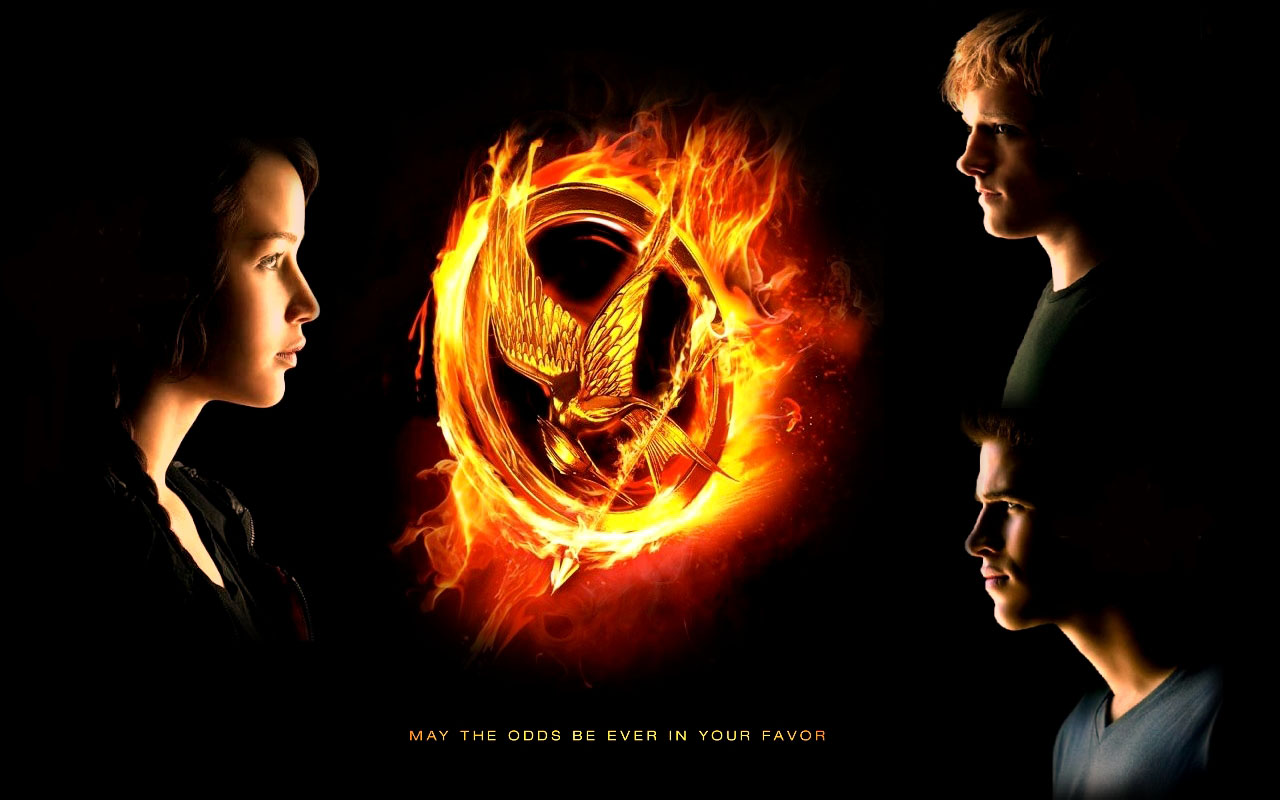
The Motion Picture Association (MPA) rated The Hunger Games PG-13 primarily for "intense violent thematic material and disturbing images—all involving teens." While the film avoids explicit gore, its central premise of children forced into lethal combat and the psychological trauma of systemic oppression necessitate a rating that cautions parents about the mature content.
Since its release, The Hunger Games has remained a foundational text in young adult cinema. As of 2026, the franchise continues to be a point of study for how filmmakers navigate the thin line between commercial accessibility and the brutal reality of their source material. When the first film was released, it faced significant scrutiny regarding its rating. How could a story about children killing children avoid the dreaded R rating? The answer lies in a combination of cinematographic techniques, thematic depth, and the specific guidelines used by the Motion Picture Association.
To understand why The Hunger Games sits firmly in the PG-13 category, we must look at the specific elements that the rating board flagged, as well as the strategic omissions made by the production team to ensure the film reached its intended teenage audience.
1. Intense Thematic Material: Children as Combatants
The most significant factor in the PG-13 rating is what the MPA refers to as "thematic material." In the context of The Hunger Games, this refers to the core premise: a dystopian society, Panem, which forces two "tributes" from each of its twelve districts to participate in a televised fight to the death.
The inherent nature of this premise is dark. Unlike fantasy violence seen in films like Star Wars or The Lord of the Rings, the violence in The Hunger Games is intimate, human-on-human, and involves minors. The MPA tends to be much more sensitive when the victims and perpetrators of violence are children or teenagers. Even if no blood were shown, the psychological weight of a government-sanctioned child sacrifice would likely push any film out of the PG category.
The film doesn't shy away from the cruelty of the "Reaping" or the cold calculation of the Gamemakers. This "thematic intensity" is a primary reason for the "Parents Strongly Cautioned" label. It requires a level of emotional maturity to process the social commentary regarding wealth inequality and media exploitation.
2. Stylized Violence and the "Shaky Cam" Technique
A major reason The Hunger Games avoided an R rating—which would have severely limited its box office potential—was the specific way the violence was filmed. Director Gary Ross utilized a "shaky cam" (handheld) aesthetic and rapid-fire editing, particularly during the initial "bloodbath" at the Cornucopia.
By using a chaotic, fast-moving camera, the film conveys the terror and impact of the violence without lingering on the graphic details. We see the swings of weapons and the impact of blows, but the camera often cuts away before the point of entry or the resulting wound is shown in high definition.
- Impact over Detail: The focus is on the sound of the struggle and the expressions of the tributes rather than the physical trauma.
- Controlled Bloodshed: While blood is present, it is often seen on clothing or at a distance, rather than spraying or pooling in the manner typical of "hard" R-rated action films.
- The "Clean" Kill: Many deaths occur off-screen or are represented by the firing of a cannon, which serves as a narrative device to signal a death without requiring a visual depiction of the body.
This stylistic choice was a deliberate middle ground that satisfied the need to show the stakes of the games while adhering to PG-13 limitations on "persistent" or "graphic" violence.
3. Disturbing Images and Psychological Horror
Beyond physical combat, the film contains several "disturbing images" that contribute to the PG-13 rating. These are elements designed to unsettle the viewer rather than just provide an action thrill.
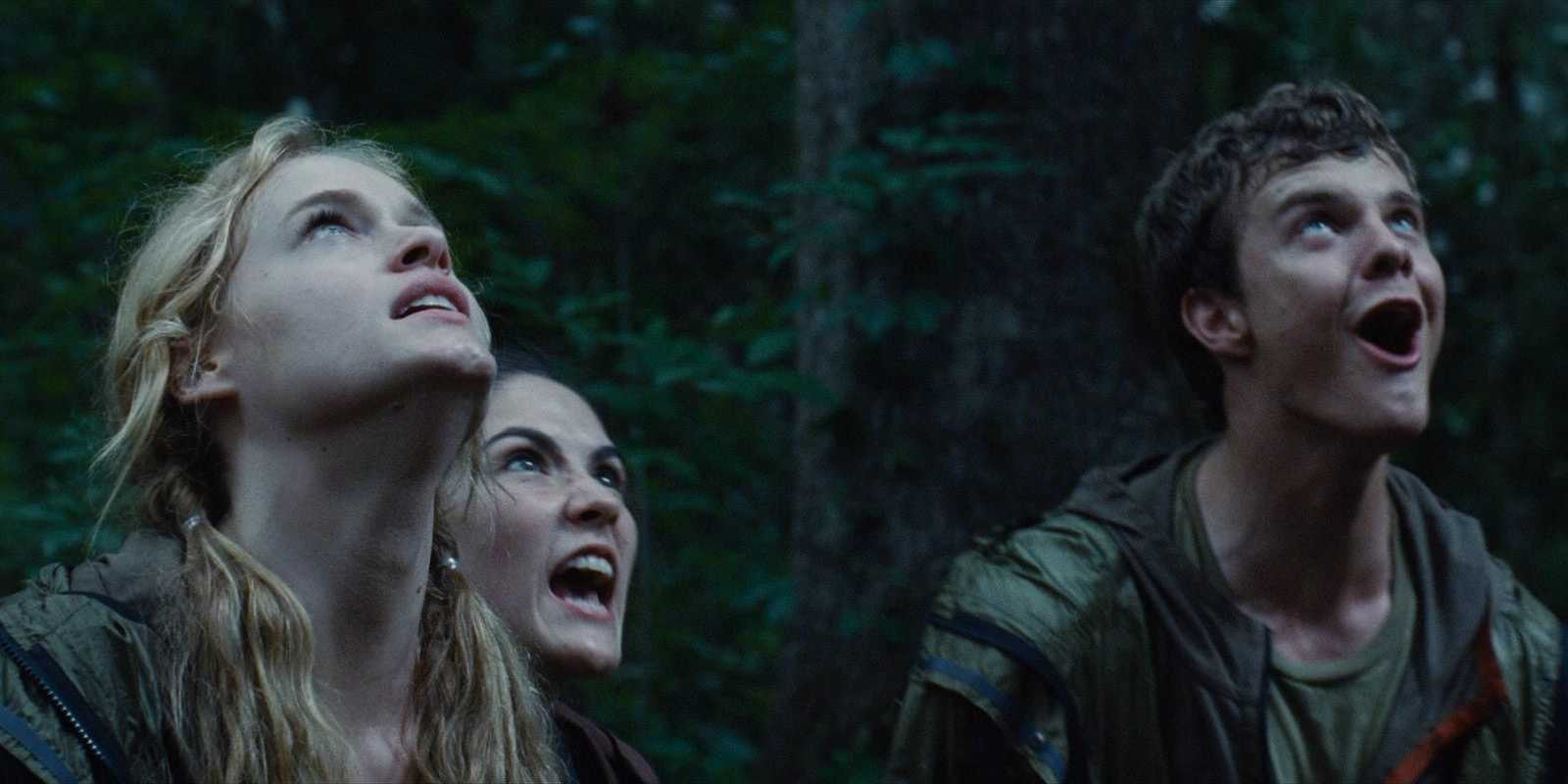
One of the most notable examples is the "tracker jackers"—genetically modified wasps whose venom causes vivid, terrifying hallucinations. The sequence where Katniss is stung is edited to reflect her fractured state of mind, featuring distorted visuals and jarring sound design that can be quite frightening for younger viewers.
Additionally, the "mutations" (or mutts) introduced in the finale are designed to be nightmare-inducing. In the book, these creatures are implied to be created from the DNA of fallen tributes. While the film scales back this specific horror, the visual design of the wolf-like creatures and their relentless pursuit of the final tributes creates a sense of dread that far exceeds the "mild" peril found in PG-17 films.
4. The Depiction of Survivalist Desperation and Starvation
The PG-13 rating also accounts for the depiction of District 12 and the general state of the tributes before they enter the arena. The film portrays a world of extreme poverty, where families are on the brink of starvation.
The scene where a young Peeta Mellark intentionally burns bread to give it to a starving Katniss is a poignant reminder of the film's grim setting. This depiction of "human suffering" and "desperation" adds a layer of realism that distinguishes the film from more lighthearted teen adventures. The MPA considers the overall tone of a film; a bleak, hopeless atmosphere can contribute to a higher rating even if the specific acts of violence are restrained.
5. Political Oppression and Social Injustice
The film's focus on a totalitarian regime that punishes its citizens is a heavy theme. The scenes involving the "Peacekeepers"—the Capitol’s militarized police force—often involve acts of intimidation and public punishment.
The uprising in District 11 following Rue's death is a key moment of civil unrest. Seeing security forces crack down on a grieving, rebelling population is a mature concept. It introduces themes of:
- Systemic Cruelty: The idea that the state is the primary antagonist.
- Media Manipulation: How the "Games" are used as a distraction and a tool of fear.
- Loss of Innocence: Tributes are forced to abandon their morality to survive.
These concepts are sophisticated and contribute to the "Intense Thematic Material" descriptor. They require a level of social awareness that the MPA assumes children under 13 may not yet possess without parental guidance.
6. Minimal Profanity and Absence of Sexual Content
It is worth noting why the film didn't receive an R rating, despite its violent subject matter. To maintain a PG-13 rating, a film must be very careful with its "allowance" of profanity and sexual content.
The Hunger Games is remarkably "clean" in these areas. There is almost no profanity; the characters express their frustration and terror through action and emotional dialogue rather than "four-letter words." Furthermore, there is zero sexual content. While there is a romantic subplot between Katniss and Peeta, it is portrayed through the lens of survival and shared trauma rather than physical intimacy.
By keeping the dialogue and romance appropriate for a younger audience, the filmmakers "saved" their PG-13 leeway for the necessary violence and thematic intensity required to tell the story faithfully.
7. The Emotional Impact of Teen-on-Teen Conflict
Finally, the MPA often elevates a rating when the violence is "personal." In many PG-rated films, characters fight monsters, robots, or faceless "bad guys." In The Hunger Games, every death is a named character, often one we have seen in a vulnerable state earlier in the film.
The death of Rue is the quintessential example. She is young, innocent, and has formed a sisterly bond with the protagonist. Her death is not just a plot point; it is a profound emotional trauma for Katniss and the audience. The "emotional violence" of the film—the grief, the betrayal, and the lingering PTSD—is significant. The MPA recognizes that emotional intensity can be just as impactful as physical violence, warranting a cautionary rating for younger or more sensitive viewers.
Comparison of PG-13 Criteria in Action
The following table illustrates how The Hunger Games compares to the general thresholds set by the MPA for different ratings.
| Feature | PG Requirement | The Hunger Games (PG-13) | R Requirement |
|---|---|---|---|
| Violence | Minimal, bloodless, often "fantasy" based. | Intense, realistic, but stylized to avoid gore. | Graphic, persistent, and detailed (e.g., dismemberment). |
| Thematic Elements | Mild themes of friendship or light peril. | Dark themes: human sacrifice, oppression, starvation. | Extremely dark: sexual violence, nihilism, or torture. |
| Language | Infrequent, mild epithets. | Very little profanity; used for emotional impact. | Frequent use of harsh profanity (the "F-word" used multiple times). |
| Visuals | Whimsical or mildly scary. | Disturbing hallucinations and creature designs. | Nudity or graphic medical/physical trauma. |
Frequently Asked Questions
Is The Hunger Games too violent for an 11-year-old?It depends on the child's maturity. While the violence is stylized, the idea of children killing each other can be deeply upsetting. Parents are encouraged to watch the film first or read a detailed content guide. The emotional weight of Rue's death and the tension of the arena are often more "intense" than the actual sight of blood.
How does the movie compare to the book's violence?The book is significantly more graphic. Suzanne Collins describes wounds, infections, and the physical toll of the games in clinical, harrowing detail. The movie uses cinematography to imply these things, making it "softer" than the source material but still faithful to the stakes.
Why wasn't the movie rated R?To receive an R rating, the film would generally need to show more explicit gore (such as the actual entry of a spear or arterial spray) or use more profanity. Director Gary Ross purposefully filmed the action to avoid these "R-rated triggers" while maintaining the "feeling" of danger.
Are the sequels also PG-13?Yes, all films in the original trilogy (Catching Fire, Mockingjay Part 1, and Mockingjay Part 2) as well as the 2023 prequel, The Ballad of Songbirds & Snakes, are rated PG-13. The themes become even more political and war-focused as the series progresses.
Summary of Recommendations
If you are a parent or guardian deciding whether to allow a younger viewer to watch The Hunger Games, consider the following steps:
- Contextualize the Violence: Explain that the film is a "cautionary tale" about the dangers of unchecked power and inequality.
- Discuss the "Reality TV" Aspect: Talk about how the film critiques how we consume violence as entertainment.
- Prepare for Emotional Scenes: Be ready to discuss the sadness associated with the loss of young characters.
- Consider the Book First: For many, reading the book provides more internal context for Katniss's decisions, which can make the film's violence easier to process as a necessary part of the narrative.
The Hunger Games remains a masterclass in "hard" PG-13 filmmaking—it pushes the boundaries of the rating to ensure the message of the story isn't lost, while remaining accessible to the teenagers for whom the story was originally written.