Leaving perishable food items in the refrigerator for 7 days represents a critical threshold for food safety, quality degradation, and bacterial proliferation. While standard household refrigeration slows the metabolic activity of spoilage microorganisms and pathogenic bacteria, it does not stop them entirely. Understanding how different food groups behave over a week-long storage window helps prevent foodborne illness, minimizes unnecessary household waste, and optimizes meal planning efficiency.
The Science of Refrigeration and Microbial Growth
Refrigeration operates on a fundamental principle of thermodynamics and microbiology: lowering the ambient temperature of food slows down kinetic energy and biochemical reactions. According to the United States Department of Agriculture (USDA) and the Food and Drug Administration (FDA), refrigerators should be maintained at or below 40°F (4°C), while freezers must remain at 0°F (-18°C).
At 40°F, most mesophilic bacteria—those that thrive at moderate temperatures—experience a significant reduction in their reproduction rates. However, a distinct class of microorganisms known as psychrotrophic bacteria actually thrives in cold environments. Pathogens such as Listeria monocytogenes, Yersinia enterocolitica, and certain strains of Clostridium botulinum can continue to grow, albeit slowly, even inside a properly calibrated cold appliance.
When food sits in a refrigerator for a full 7 days, psychrotrophic bacteria have had an entire week to multiply. For highly perishable items, this timeline exceeds safe limits. For more stable items, 7 days represents the upper boundary of acceptable quality and safety.
Food Safety Guidelines by Category at the 7-Day Mark
Not all foods react identically to a week-long stay in the refrigerator. Evaluating what happens to distinct culinary categories after 7 days reveals stark differences between safety and spoilage.
Cooked Leftovers and Prepared Meals
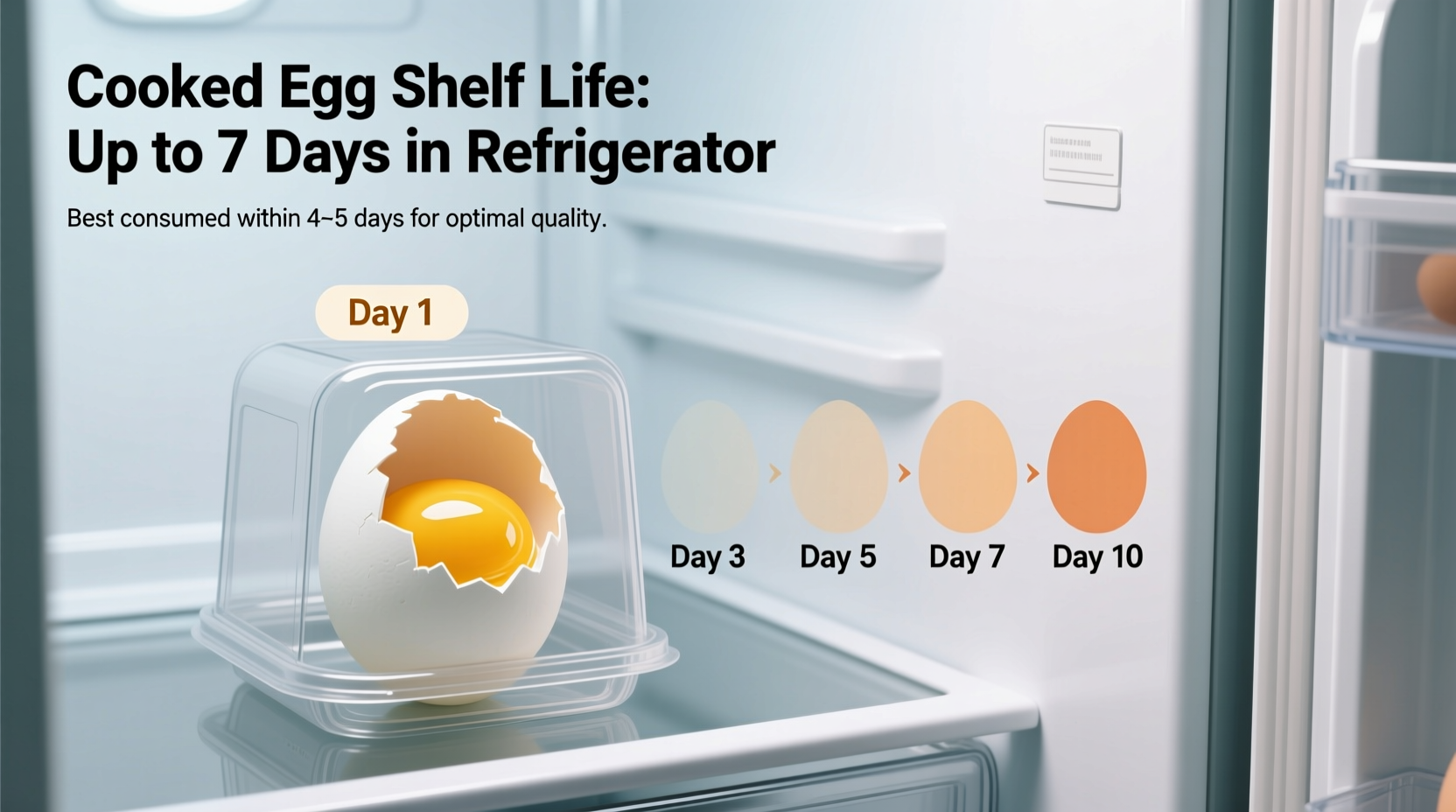
The USDA explicitly recommends that cooked poultry, meat, fish, and mixed dishes be consumed or discarded within 3 to 4 days. Storing cooked leftovers for 7 days introduces a substantial risk of foodborne illness.
- Bacterial accumulation: Even if food is heated thoroughly before eating, certain bacterial toxins produced during prolonged storage (such as those from Staphylococcus aureus or Bacillus cereus) are heat-stable and will not be neutralized by standard microwave or stovetop reheating.
- Moisture migration: Over 7 days, starches retrograde, proteins dry out, and sauces separate, rendering the culinary quality unpalatable even if mild bacterial growth has not yet caused overt illness.
Fresh Produce and Vegetables
Fresh fruits and vegetables vary widely in their post-harvest respiration rates and ethylene production.
- Leafy greens: Spinach, lettuce, and kale typically turn limp, yellow, or slimy within 4 to 7 days unless stored in specialized humidity-controlled crisper drawers with ethylene absorbers.
- Root vegetables: Carrots, beets, and potatoes can easily exceed 7 days if kept dry and cool, often lasting several weeks.
- Berries: Strawberries, raspberries, and blackberries are notoriously fragile, frequently developing mold within 3 to 5 days due to high moisture content and delicate cell walls.
Dairy Products
Unopened milk, yogurt, and hard cheeses handle refrigeration differently than their opened counterparts.
- Milk: Pasteurized whole or skim milk generally remains safe for 5 to 7 days after opening, provided it has not been left out at room temperature. Sour odor or curdling indicates advanced spoilage.
- Yogurt: Commercial yogurts often contain active cultures and preservatives, allowing them to survive past 7 days if sealed, though watery separation (syneresis) is common.
- Soft cheeses: Brie, goat cheese, and cream cheese should be consumed within 7 days of opening to prevent mold colonization.
Raw Meats, Poultry, and Seafood
Raw proteins have the strictest safety windows in domestic refrigeration.
- Poultry and ground meats: Raw chicken, turkey, and ground beef must be cooked or frozen within 1 to 2 days of purchase. Holding them for 7 days in the refrigerator creates a severe contamination hazard.
- Whole cuts of beef, pork, or lamb: These can sometimes last 3 to 5 days raw, but definitely fail the 7-day threshold.
- Fresh fish and shellfish: Highly perishable, seafood should be consumed or frozen within 1 to 2 days maximum.
Safe Storage Limits Comparison Table
| Food Category | Recommended Fridge Limit | Status at 7 Days | Primary Risk Factors |
|---|---|---|---|
| Cooked Leftovers | 3–4 Days | Unsafe / Spoiled | Bacterial proliferation, heat-stable toxins |
| Raw Poultry & Ground Meat | 1–2 Days | Highly Dangerous | Rapid growth of Salmonella, E. coli |
| Raw Whole Meat Steaks | 3–5 Days | Unsafe | Surface spoilage, putrefactive bacteria |
| Fresh Seafood | 1–2 Days | Highly Dangerous | Psychrotrophic bacterial growth, rapid decay |
| Open Deli Meats | 3–5 Days | Unsafe | Listeria contamination risk |
| Eggs (In Shell) | 3–5 Weeks | Safe (Quality drops) | Structural protein breakdown, air cell enlargement |
| Hard Cheeses | 3–6 Weeks | Safe | Surface mold (can be trimmed off hard varieties) |
| Root Vegetables | 2–4 Weeks | Safe | Gradual dehydration, sprouting |
The Danger Zone and Temperature Abuse
To understand why 7 days is a critical milestone, one must examine the "Danger Zone"—the temperature range between 40°F (4°C) and 140°F (60°C) where foodborne bacteria double in number in as little as 20 minutes.
If a refrigerator experiences temperature fluctuations, door openings during hot summer days, or overloading that blocks airflow, internal temperatures can creep above 40°F. When food sits at marginal temperatures for extended periods, a 7-day storage window transforms from a safety precaution into a breeding ground for pathogens.
Best Practices for Monitoring Fridge Climate
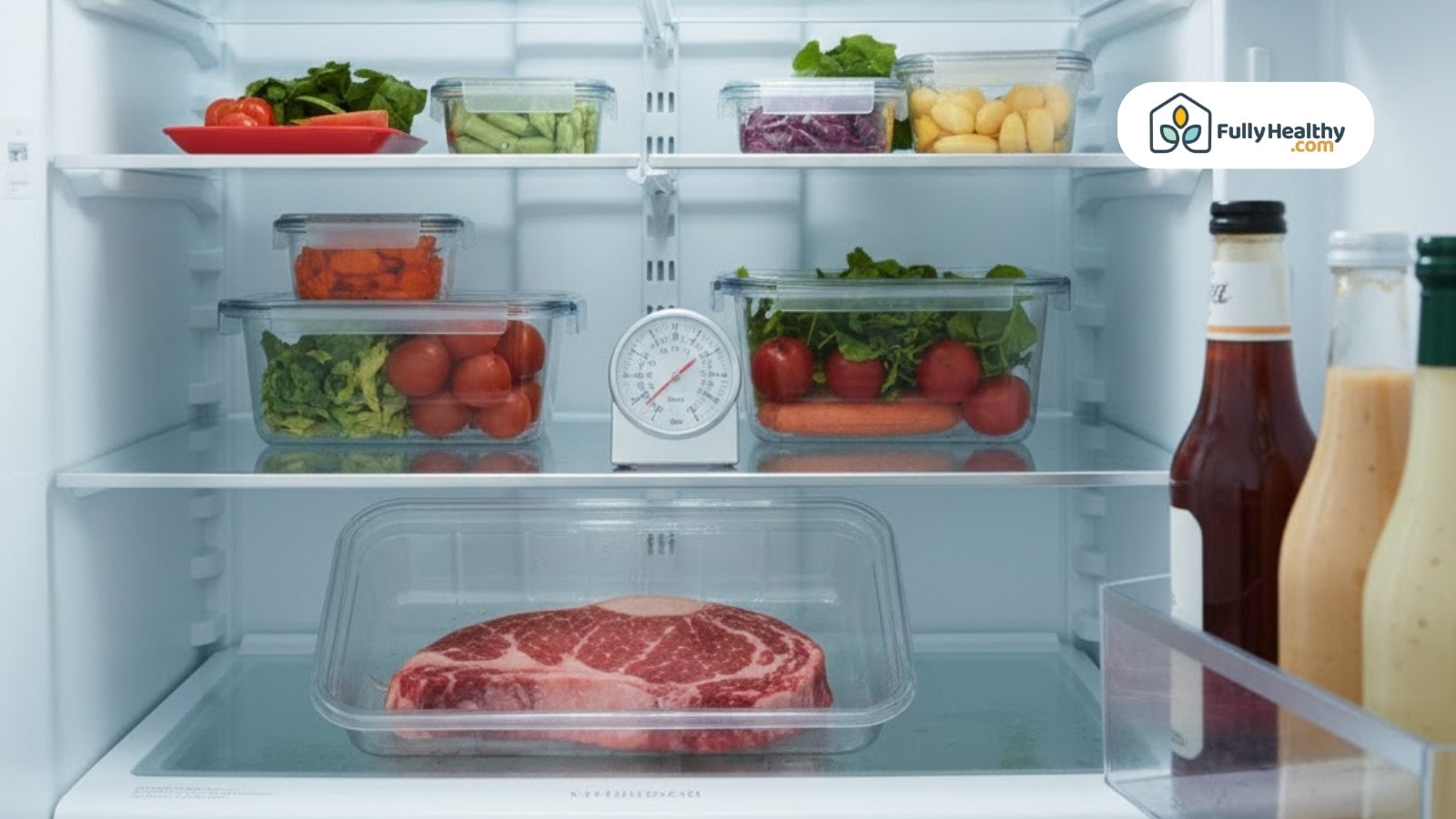
- Use an independent appliance thermometer: Do not rely solely on the digital display of the refrigerator. Place a standalone thermometer on the middle shelf.
- Avoid overcrowding: Cold air must circulate freely around containers to maintain uniform temperatures.
- Store raw meats on the bottom shelf: This prevents potential juices from dripping onto ready-to-eat foods or produce below.
Sensory Evaluation: Sight, Smell, and Touch
Human sensory organs evolved to detect spoilage as a survival mechanism. However, relying solely on senses can be misleading when evaluating food at the 7-day mark.
- Pathogenic vs. Spoilage Bacteria: Spoilage bacteria (like Pseudomonas) cause unpleasant odors, discoloration, and sliminess, making the food obviously unappealing. In contrast, pathogenic bacteria (like Salmonella or Listeria) frequently alter neither the taste, smell, nor appearance of the food.
- The "When in Doubt, Throw It Out" Rule: If a prepared dish or perishable protein has lingered in the refrigerator for 7 days, visual inspection for mold is insufficient. The absence of mold does not guarantee the absence of dangerous pathogens or accumulated bacterial toxins.
Frequently Asked Questions
Can I freeze food on the seventh day to make it safe?
Freezing halts bacterial growth and preserves food in its current state, but it does not kill existing bacteria or destroy toxins already produced during the prior 7 days of refrigeration. If food has begun to spoil or has been contaminated by pathogens over the week, freezing it will only preserve those hazards for later consumption.
Why do some commercial items last longer than 7 days?
Commercial packaging often utilizes modified atmosphere packaging (MAP), vacuum sealing, or pasteurization processes that drastically reduce initial microbial loads. Once opened, however, these protective measures cease, and standard home refrigeration timelines apply.
How can I track how long items have been in the fridge?
Implementing a strict labeling protocol using masking tape and a permanent marker to write the preparation or opening date on containers prevents guesswork. Organizing shelves on a "First-In, First-Out" (FIFO) basis ensures older items are consumed before newer purchases.
Does the type of container affect food longevity at 7 days?
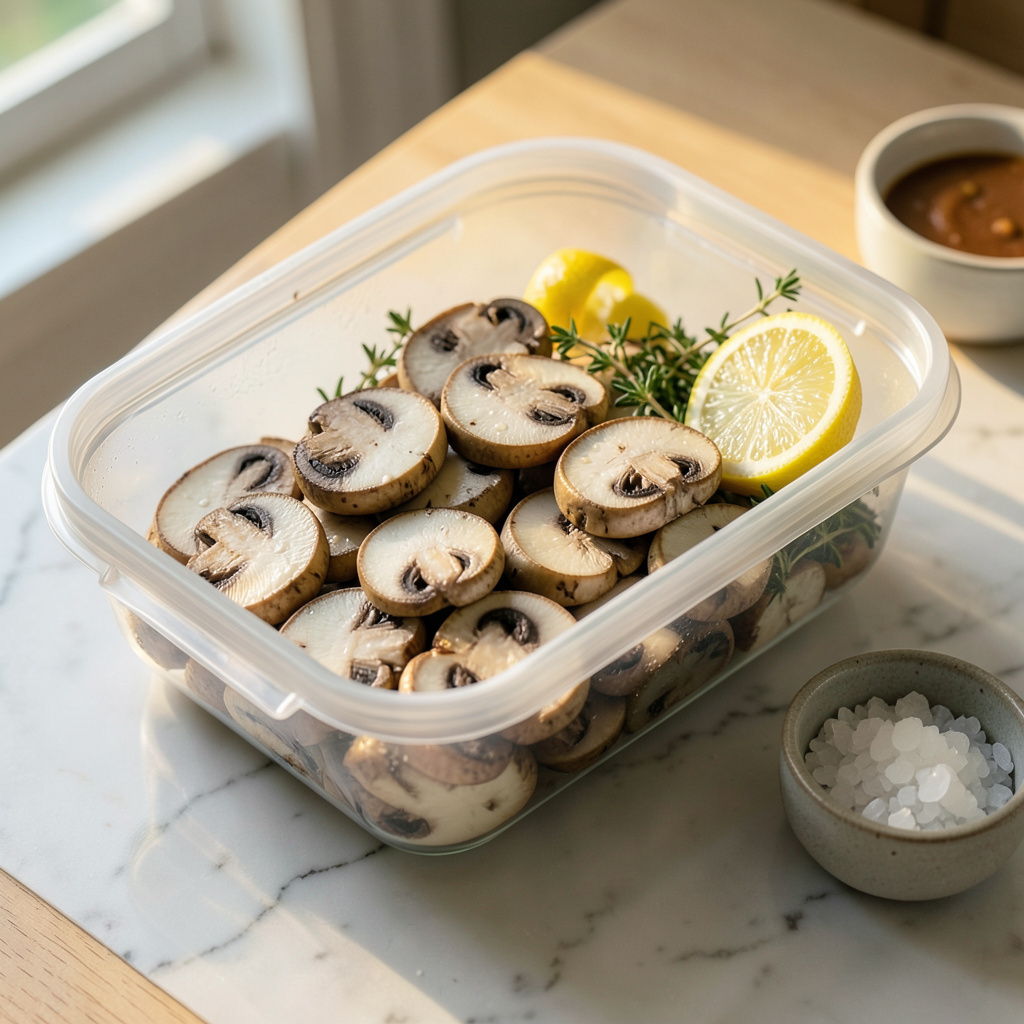
Yes. Airtight glass or food-grade silicone containers limit exposure to ambient refrigerator air, reduce cross-contamination risks, and prevent moisture loss better than flimsy plastic wraps or open plates.
Practical Recommendations for Managing Fridge Inventory
Maximizing food safety while minimizing waste requires a systematic approach to kitchen management. Adopt a weekly refrigerator audit routine, ideally scheduled on trash or grocery day. Inspect all leftovers, check expiration dates on condiments and dairy, and immediately discard any prepared dishes that have crossed the 4-day mark. For items approaching their limits that cannot be consumed immediately, transfer them to labeled freezer containers on day two or three rather than letting them stretch toward the hazardous 7-day limit.