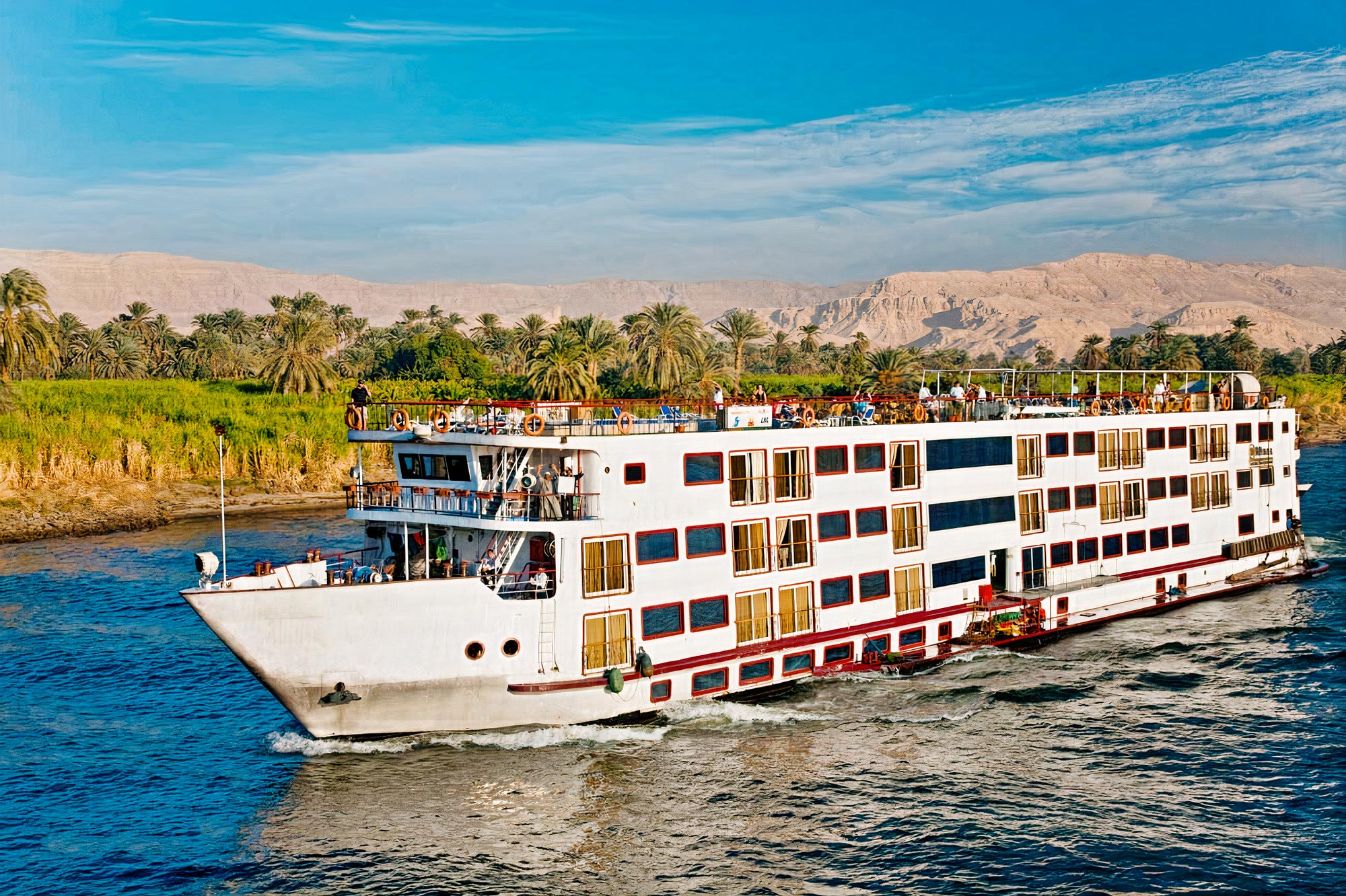
A seven-day Nile cruise typically covers the classic aquatic route between Luxor and Aswan, offering travelers a structured journey through Upper Egypt's primary archaeological sites, including the Valley of the Kings, Edfu, Kom Ombo, and Philae Temple, while combining floating hotel accommodation with guided excursions.
Introduction to the 7 Day Nile Cruise Experience
Embarking on a journey down the world's longest river remains one of the most enduring ways to experience the monumental architecture of ancient Egypt. A 7 day Nile cruise overview centers on a voyage that generally spans the stretch of the river between Luxor (ancient Thebes) and Aswan, located near Egypt's southern border. Unlike shorter three- or four-night itineraries that often rush between highlights or require backtracking, a full seven-day program allows for a balanced pace. Passengers spend their days exploring subterranean tombs, sprawling temple complexes, and bustling riverbanks, and their evenings navigating the tranquil waters under the desert sky.
Understanding the operational mechanics of these voyages is essential for travelers planning an Egyptian holiday. Most vessels on this route operate as luxury floating hotels, providing full board accommodations, onboard entertainment, and shore excursions led by Egyptologists. However, logistics can vary significantly depending on whether the vessel sails round-trip from Luxor or undertakes a linear route between Luxor and Aswan. Reviewing the structural elements, standard daily pacing, inclusions, and operational constraints helps ensure that expectations align with the realities of navigating the Nile.
Understanding the Standard Luxor-Aswan Route and Geography
The geographical corridor between Luxor and Aswan forms the heartland of New Kingdom pharaonic history. Nearly all multi-day Nile cruises operate within this protected, navigable stretch of the river, which has been controlled by a series of barrages and locks.
The Linear Itinerary vs. The Round-Trip Voyage
Traditionally, a 7 day Nile cruise follows a linear path. Vessels either start in Luxor and sail south to Aswan, or embark in Aswan and sail north to Luxor. Sailing upstream against the current takes slightly longer, which influences the daily schedule, though modern motorized cruise ships manage the current with minimal difference in overall transit time. A typical linear breakdown features:
- Days 1–2: Boarding in Luxor, exploring the East Bank (Karnak and Luxor Temples) and the West Bank (Valley of the Kings, Hatshepsut Temple).
- Days 3–4: Sailing south toward Aswan, with stops at the Temple of Horus in Edfu and the dual Temple of Sobek and Haroeris in Kom Ombo.
- Days 5–6: Arriving in Aswan to visit the High Dam, the Unfinished Obelisk, and the Philae Temple, often including a felucca sailboat ride around Elephantine Island.
- Day 7: Disembarkation in Aswan or a return transfer to Luxor depending on the specific booking arrangement.
Some specialized operators offer a true 7-night round-trip voyage from Luxor, allowing for deeper exploration of sights along the way or extended time docked at specific archaeological sites. However, travelers should verify the exact routing with their tour operator, as river traffic and lock maintenance schedules can occasionally alter the sequence of stops.
Onboard Life, Vessel Categories, and Amenities
Life aboard a Nile cruise ship resembles a traditional cruise experience scaled down to fit the river's physical constraints. Vessels must be narrow and low-profile enough to pass through the Esna Lock.
Classifications of Nile Cruise Ships
The Egyptian Ministry of Tourism classifies Nile cruise vessels, though colloquial terms like "standard," "deluxe," and "luxury/ultra-luxury" are more commonly used by international booking agents.
- Standard Vessels: Offer clean, functional cabins, basic dining room setups, and a sundeck with a small plunge pool. These appeal to budget-conscious travelers focusing primarily on the shore excursions.
- Deluxe Vessels: Feature larger cabins, often with French balconies or panoramic windows, upgraded dining options, and enhanced public areas such as small spas or fitness rooms.
- Luxury and Ultra-Luxury Vessels: Provide spacious suites, high-end interior design, gourmet dining with a la carte options, personalized butler service, and smaller passenger capacities for a more intimate atmosphere.
Standard Amenities and Daily Routine
Regardless of vessel tier, most cruises operate on a full-board basis (breakfast, lunch, and dinner included, with drinks usually purchased separately). Days typically begin early to avoid the intense midday desert heat, with guided shore excursions scheduled for the morning. Afternoons are often spent cruising while passengers relax on the sun deck, attend lectures by the onboard Egyptologist, or enjoy tea service. Evenings frequently feature themed events, such as Galabeya parties where guests wear traditional Egyptian robes, or local folkloric music and belly dancing performances.
| Vessel Category | Typical Cabin Size | Dining Style | Included Excursions | Best Suited For |
|---|---|---|---|---|
| Standard | 15–18 sq. meters | Buffet style, set schedules | Basic guide service, shared transport | Budget travelers, active explorers |
| Deluxe | 20–24 sq. meters | Buffet with occasional a la carte | Comprehensive guide, private group options | Mid-range travelers seeking comfort |
| Luxury | 26–35+ sq. meters | Gourmet a la carte & high-end buffet | Private Egyptologist, exclusive site access | Premium travelers, luxury seekers |
Key Archaeological Highlights and Shore Excursions
The primary value of a 7 day Nile cruise lies in the depth and breadth of the archaeological sites visited along the riverbanks. Because the ship carries travelers directly to the monuments, the transit is seamless compared to land-based bus tours.
Luxor: The World's Greatest Open-Air Museum
Luxor serves as the anchor point for most itineraries. The East Bank houses the massive Karnak Temple complex, dedicated to the god Amun-Ra, featuring the awe-inspiring Hypostyle Hall with its 134 towering columns. Nearby, Luxor Temple stands closer to the river and is illuminated dramatically at night. On the West Bank, visitors cross to explore the Valley of the Kings, where pharaohs such as Ramesses VI and Tutankhamun were buried in rock-cut tombs. The nearby Mortuary Temple of Queen Hatshepsut at Deir el-Bahari and the Colossi of Memnon complete the West Bank circuit.
Edfu and Kom Ombo: Ptolemaic Masterpieces
As the ship sails south, it stops at Edfu to visit the Temple of Horus. Constructed during the Ptolemaic period, it is one of the best-preserved ancient temples in Egypt, retaining its roof and intricate reliefs detailing the myth of Horus and Set. Further south, the dual Temple of Kom Ombo sits directly on the riverbank. Uniquely dedicated to two gods—Horus the Elder and Sobek the crocodile god—the site also features an interesting crocodile museum showcasing mummified crocodiles found in the vicinity.
Aswan: The Gateway to Nubia
Aswan presents a more relaxed, tropical atmosphere compared to northern cities. Excursions here include the Aswan High Dam, an engineering marvel completed in the 1960s, and the Unfinished Obelisk, which lies abandoned in a bedrock quarry to reveal ancient stone-cutting techniques. A short motorboat ride takes visitors to the Philae Temple, dedicated to the goddess Isis, which was meticulously relocated stone by stone to Agilkia Island to save it from rising waters following the dam's construction.
Planning Logistics: Timing, Costs, and Requirements
Preparing for a 7 day Nile cruise requires attention to seasonal weather patterns, financial budgeting, and entry formalities.
Best Time to Visit
The optimal time for a Nile cruise is during the Egyptian winter, from October to April. Daytime temperatures are generally mild and pleasant (ranging from 20°C to 28°C), making outdoor exploration of desert ruins comfortable. Summer months (June through August) see extreme heat, with temperatures in Luxor and Aswan frequently exceeding 40°C. While summer cruises are often cheaper and less crowded, they require rigorous sun protection and early morning starts.
Financial Considerations and Tipping
Cruise pricing varies widely based on the vessel category and the time of year. Standard cruises may start at modest rates per person, while luxury vessels can command substantial daily rates. Travelers should account for additional expenses, which typically include:
- International and domestic flights (e.g., Cairo to Luxor).
- Egypt entry visas (obtainable upon arrival at airports for eligible nationalities or via the e-visa portal).
- Beverages and optional shore excursions (such as a hot air balloon ride over Luxor at sunrise or a day trip to Abu Simbel).
- Onboard tipping (baksheesh), which is customary for crew members, luggage handlers, and guides. Many ships operate a tipping kitty managed at the end of the cruise.
Common Operational Challenges and Troubleshooting
While Nile cruises offer a well-organized travel experience, certain operational variables can impact the schedule.
- Esna Lock Delays: Because all cruise ships must pass through the lock at Esna to navigate between Luxor and Aswan, traffic congestion can cause significant wait times. Operators usually factor this into the schedule, but temporary maintenance or high river traffic can occasionally compress sightseeing time.
- Low Water Levels: During certain dry periods or water management cycles, navigation can be temporarily restricted, requiring passengers to disembark for short bus transfers around shallow stretches.
- Health and Hydration: The combination of desert heat, changing diet, and physical activity can lead to traveler's illness. Drinking only bottled water, avoiding uncooked street food, and carrying basic gastrointestinal medication are standard precautions recommended by health authorities such as the World Health Organization (WHO) and the Centers for Disease Control and Prevention (CDC).
Summary Recommendations for Travelers
A 7 day Nile cruise provides an immersive, logistically efficient method for exploring ancient Egyptian civilization without the fatigue of constant hotel check-ins and long-distance road travel. To maximize the experience, select a vessel category that matches your comfort expectations, verify whether temple entrance fees and guided services are included in your base fare, and plan your travel during the cooler shoulder or winter months. Prioritize booking well in advance if you plan to travel during peak holiday periods, and ensure your passport meets validity requirements for entry into Egypt.