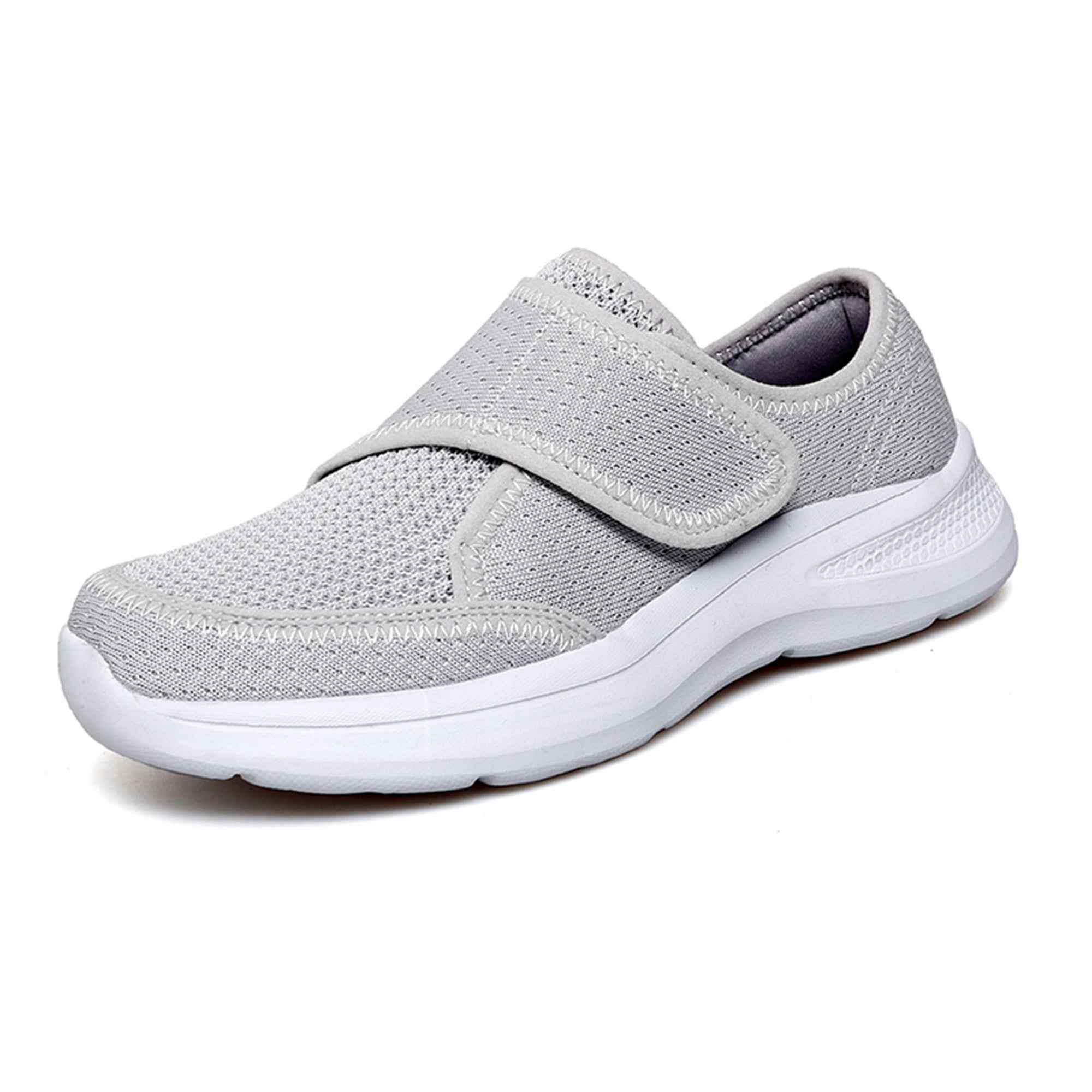
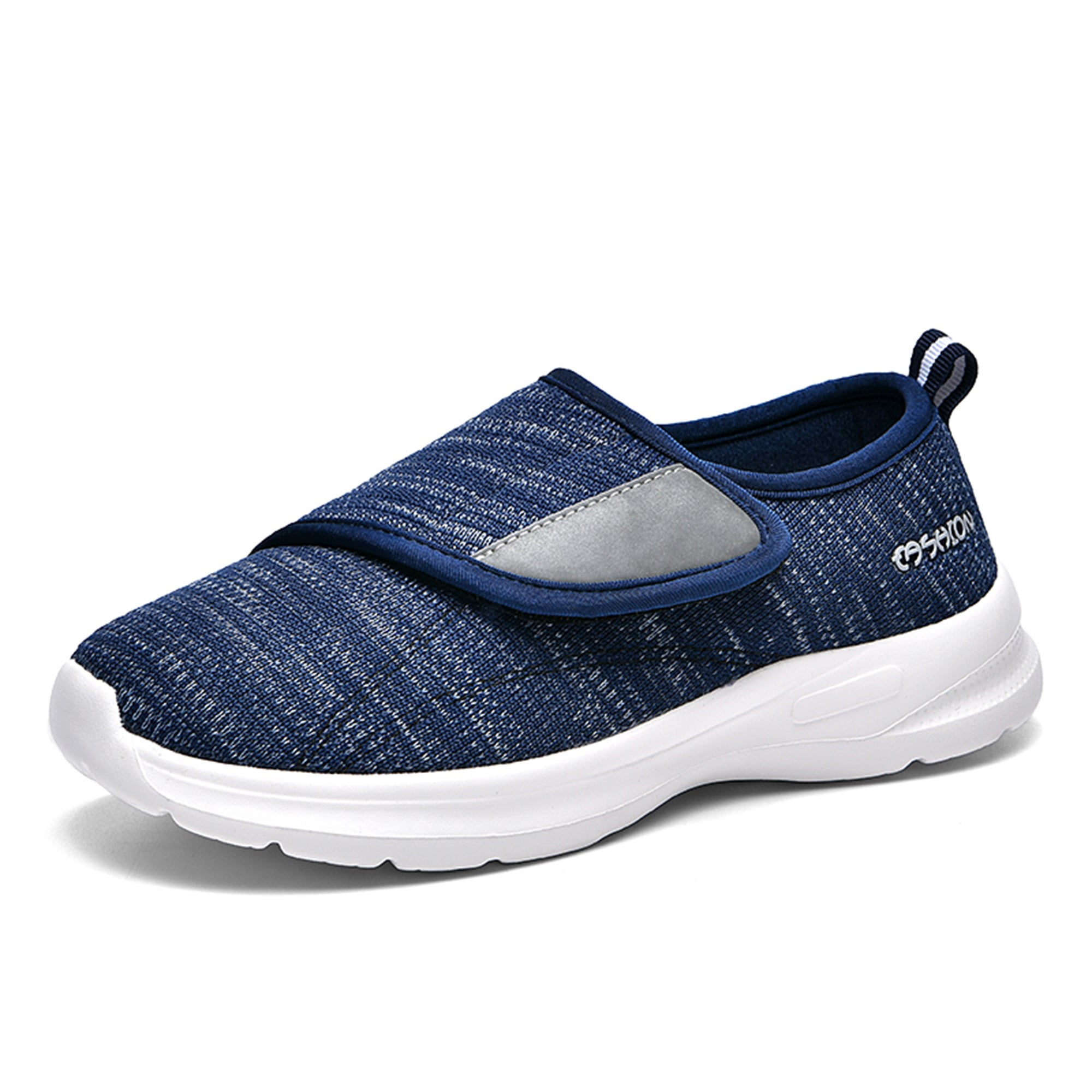
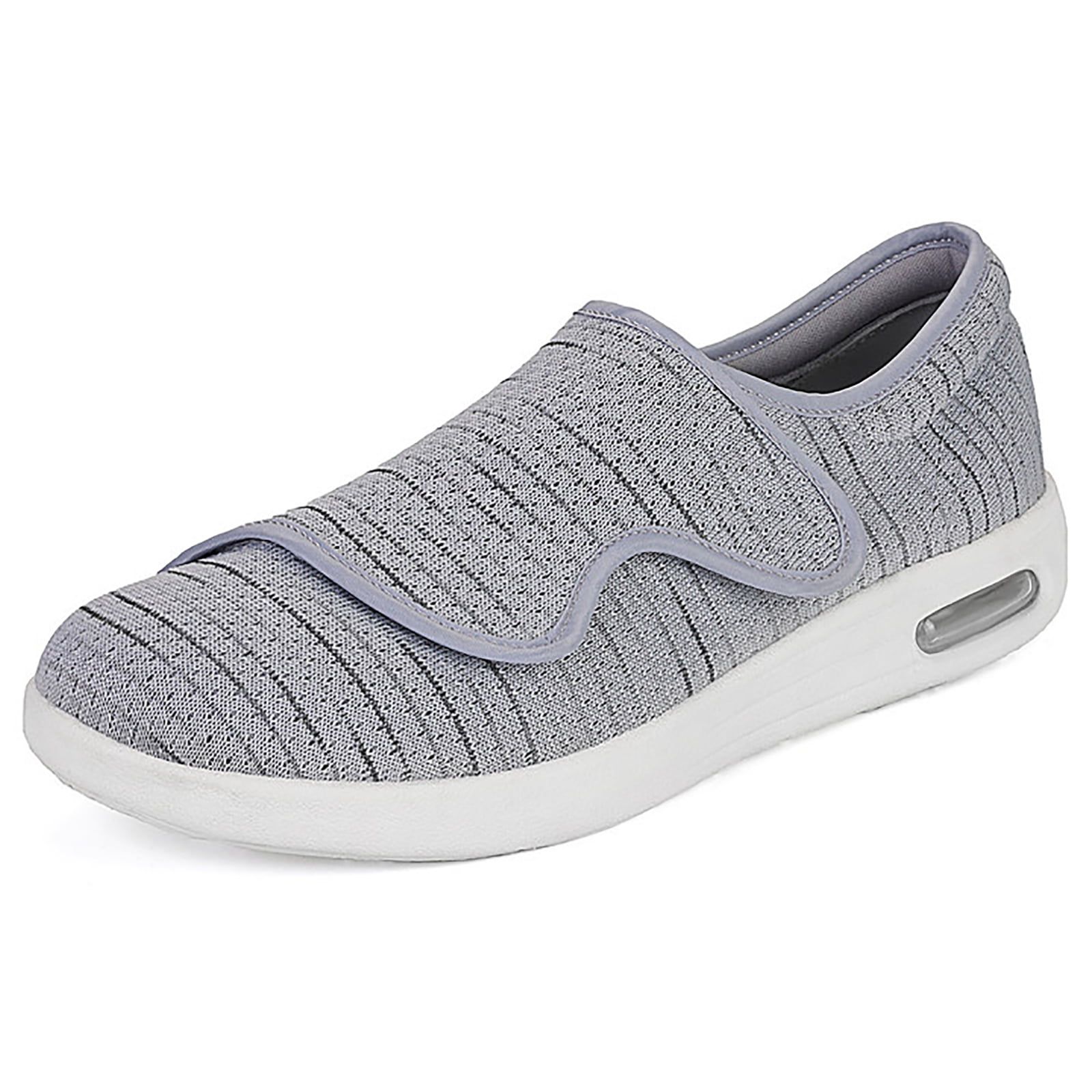
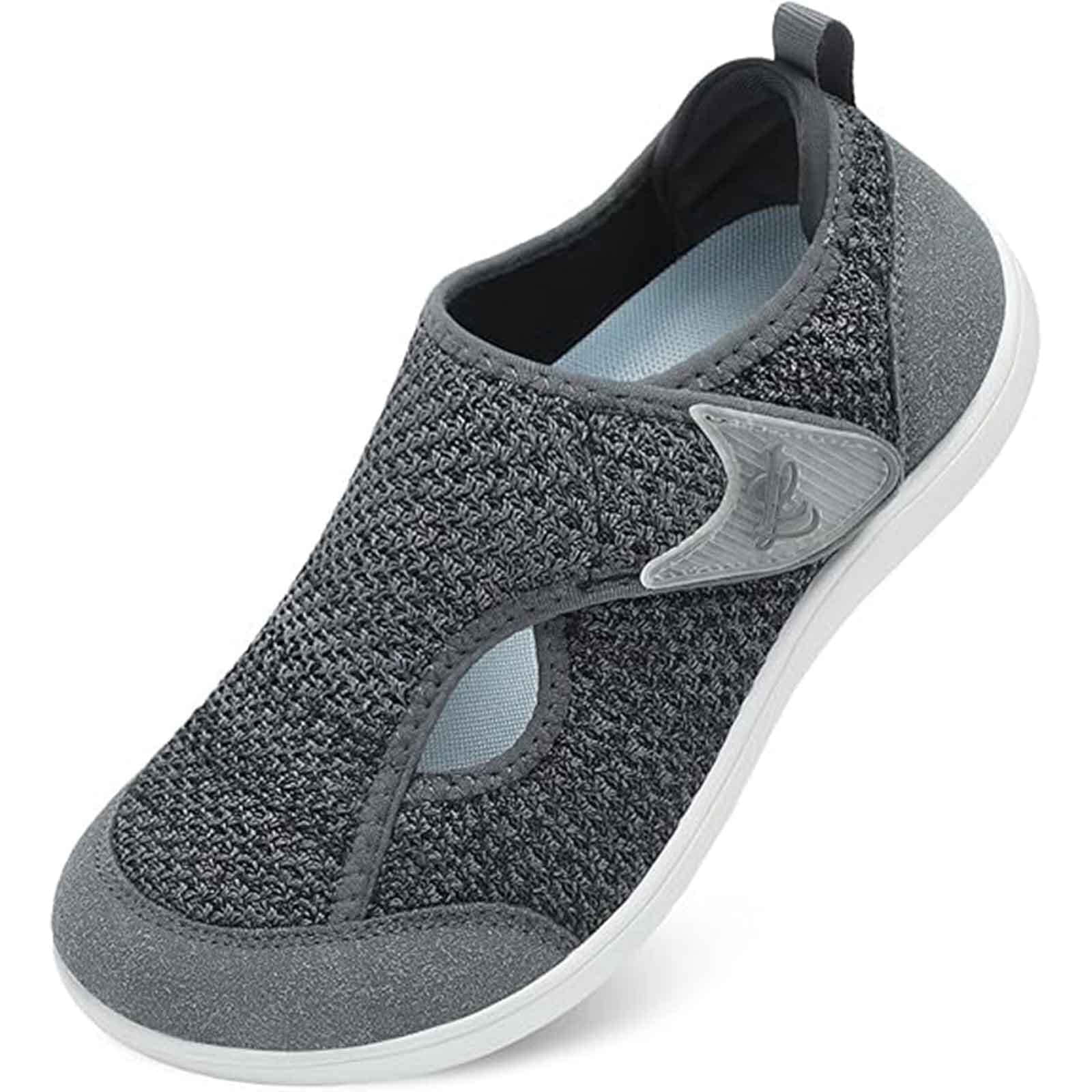
Finding comfortable footwear when managing both a painful big toe—often caused by hallux rigidus, bunions, or arthritis—and diabetes requires careful attention to specific structural features. The ideal walking shoes for this combination must feature an extra-wide toe box, seamless interiors to prevent friction, rigid or rocker-bottom soles to limit big toe flexion, and deep cushioning to protect sensitive feet.
Navigating footwear options when you experience chronic forefoot pain and need specialized diabetic accommodations can be challenging. Conditions affecting the first metatarsophalangeal (MTP) joint, such as severe arthritis, bunions (hallux valgus), or hallux limitus, make every step painful if the shoe bends too easily. Simultaneously, diabetic feet require meticulous care to eliminate pressure points, blisters, and ulcers. This guide examines seven of the best walking shoes designed to accommodate wide widths while specifically addressing the structural and comfort needs of women dealing with a painful big toe and diabetes.
Understanding the Dual Challenge: Diabetic Feet and Big Toe Pain
When designing or selecting footwear for women who require wide diabetic shoes and relief from big toe joint pain, manufacturers must balance conflicting biomechanical requirements. A standard wide shoe provides volume, but it may still allow excessive bending at the forefoot, which aggravates an arthritic or injured big toe. Conversely, a stiff, orthotic-grade shoe might restrict toe movement successfully but rub against sensitive diabetic skin, leading to friction injuries.
Diabetic foot health relies on moisture management, seamless construction, and pressure distribution. Peripheral neuropathy, a common complication of diabetes, reduces sensation in the feet, meaning a wearer might not feel a tight spot or a protruding seam until a wound develops. Therefore, diabetic-approved footwear must feature interior linings free of rough edges, soft stretchable uppers, and removable insoles to accommodate custom orthotics.
Meanwhile, big toe joint pain—frequently diagnosed as hallux rigidus (a stiff big toe caused by cartilage wear) or exacerbated by bunions—demands a rocker-sole profile. A rocker bottom promotes a natural rolling motion from heel to toe, significantly reducing the amount of bending required by the big toe joint. Combined with a wide or extra-wide toe box, this geometry allows the forefoot to splay naturally without the joint being forced upward or sideways.
Essential Features to Look For in Specialized Walking Shoes
Before evaluating individual shoe models, understanding the core components that make a shoe safe and effective for this specific demographic is essential. Not all wide running or walking shoes are suitable for medical foot conditions.
- Rocker-Bottom Soles: A curved sole design shifts body weight away from the forefoot and toes, reducing stress on the big toe joint during the push-off phase of walking.
- Extra-Wide (2E/4E) and Deep Toe Boxes: Ample vertical and horizontal space prevents lateral pressure on bunions and dorsal pressure on arthritic joints or hammer toes.
- Seamless, Non-Binding Interiors: Microfiber, soft mesh, or leather interiors without harsh stitching minimize the risk of abrasions, blisters, and diabetic ulcers.
- Removable Depth Inserts: Multi-layer removable footbeds allow users to insert custom orthotics, braces, or adjust the interior volume for a personalized fit.
- HCPCS A5500 Coding: Many therapeutic diabetic shoes are certified under Medicare's Therapeutic Shoes for Persons with Diabetes (often referred to as A5500 coding), assuring compliance with strict medical guidelines for pressure relief.
Evaluating the Top 7 Walking Shoes for Diabetic Women with Wide Feet and Big Toe Pain
The following selections represent footwear options known for combining therapeutic diabetic features with structural designs that mitigate big toe joint discomfort and accommodate wide widths.
1. Orthofeet Coral Stretch Knit
Orthofeet is a prominent name in therapeutic footwear, and the Coral Stretch Knit model addresses multiple foot pathologies simultaneously. Designed specifically for wide feet, neuropathy, and forefoot pain, this shoe is a staple in orthopedic recommendations.
- Key Features: Anatomical orthotic insoles with adjustable arch boosters, a mild rocker-bottom sole, and a stretchable upper fabric that molds to bunions and swollen toes.
- Why It Works for Big Toe Pain: The stretchable upper eliminates direct pressure on top of the big toe joint (crucial for dorsal bone spurs or severe bunions), while the cushioning softens impact forces.
- Diabetic Suitability: Interior lining is soft, non-abrasive, and completely free of overlays that could cause friction. It meets standards for therapeutic diabetic shoes.
2. Brooks Addiction Walker V3
While technically classified as a walking/motion-control shoe, the Brooks Addiction Walker V3 is widely favored by individuals needing substantial stability and a roomy interior. It is available in wide (D) and extra-wide (2E) widths.
- Key Features: Extended Progressive Diagonal Rollbar (PDRB) for maximum motion control, slip-resistant outsoles, and full-grain leather uppers.
- Why It Works for Big Toe Pain: The sole is considerably stiffer than a standard casual sneaker. This added rigidity prevents the foot from flexing excessively at the ball of the foot, protecting an arthritic big toe from painful hyperextension.
- Diabetic Suitability: Certified by the PDAC as an A5500 diabetic shoe, featuring a smooth interior leather finish and ample volume for custom inserts.
3. Drew Shoe Bloom
Drew Shoe specializes in medical-grade footwear, and the Bloom model is engineered explicitly for women with diabetes, severe edema, and forefoot deformities requiring extra width.
- Key Features: Plus Fitting System with two removable footbeds for customized depth, dual-shank system for structural stability, and a wide, broad toe base.
- Why It Works for Big Toe Pain: The firm midsole and rocker profile reduce forefoot pressure, while the broad toe box prevents the big toe from being crowded against adjacent toes.
- Diabetic Suitability: Accommodates custom orthotics seamlessly, features a moisture-wicking lining, and provides seamless interior protection against friction points.
4. Orthofeet Kita
Another strong entry from Orthofeet, the Kita slip-on style combines orthopedic engineering with a hands-free, tie-less lacing system, making it ideal for individuals who experience dexterity challenges or difficulty bending down.
- Key Features: Heel-spring technology that steps down and eases pressure on the heel and forefoot, ergonomic sole geometry, and a breathable engineered knit upper.
- Why It Works for Big Toe Pain: The rocker sole geometry propels the wearer forward smoothly, bypassing the painful bend of the big toe joint. The wide forefoot accommodates bunions without pinching.
- Diabetic Suitability: Orthotic support system includes arch boosters and targeted cushioning that safeguards sensitive diabetic feet from high-pressure zones.
5. New Balance 928v3 Walking Shoe
New Balance is renowned for offering extensive width sizing, ranging from standard to extra-wide (2E) and extra-extra-wide (4E). The 928v3 is a heavy-duty walking shoe built for stability and comfort.
- Key Features: ROLLBAR stability post system, premium leather upper, and ABZORB cushioning in the midfoot for exceptional shock absorption.
- Why It Works for Big Toe Pain: The sturdy sole construction limits excessive forefoot flex, providing a stable platform that minimizes stress on the first MTP joint.
- Diabetic Suitability: Meets Medicare requirements for diabetic footwear (A5500) when paired with appropriate inserts, featuring a smooth, seam-minimized interior lining.
6. Dr. Comfort Performance Genesis
Dr. Comfort is a leading brand dedicated exclusively to diabetic footwear. The Performance Genesis is a sporty walking shoe designed to look like a modern athletic sneaker while offering medical-grade protection.
- Key Features: Breathable mesh and leather upper, lightweight design, gel insoles, and a firm supportive midsole.
- Why It Works for Big Toe Pain: The stable sole structure reduces pressure beneath the ball of the foot and the big toe, while the generous toe box depth prevents rubbing on dorsal bunions or hammer toes.
- Diabetic Suitability: Specifically engineered for neuropathy and diabetes, featuring protective linings, no irritating internal seams, and accommodation for custom bracing or inserts.
7. Apex X-Last Walking Shoe
Apex, an affiliate of Dr. Comfort, designs shoes focusing on biomechanical efficiency. The X-Last walking shoe is built on a specialized orthopedic last designed to provide maximum width and depth in the forefoot.
- Key Features: Moisture-resistant synthetic leather uppers, removable multi-density insoles, and supportive polyurethane midsoles.
- Why It Works for Big Toe Pain: The shoe features a customized rocker profile designed to offload pressure from the metatarsal heads and the big toe joint, decreasing pain during gait.
- Diabetic Suitability: A5500 certified, featuring a seamless interior environment that protects against shear forces and skin breakdown.
Comparison of Recommended Walking Shoes
| Shoe Model | Available Widths | Diabetic Certified (A5500) | Primary Forefoot Benefit | Best For |
|---|---|---|---|---|
| Orthofeet Coral | Medium, Wide, Extra Wide | Yes | Stretch knit upper, mild rocker | Bunions, soft-tissue tenderness |
| Brooks Addiction V3 | Wide, Extra Wide | Yes | Stiff sole, motion control | Severe joint stiffness, overpronation |
| Drew Shoe Bloom | Wide, Extra Wide, XX-Wide | Yes | Extra depth, dual removable footbeds | Severe edema, custom orthotics |
| Orthofeet Kita | Medium, Wide, Extra Wide | Yes | Hands-free entry, arch boosters | Arthritis, ease of use |
| New Balance 928v3 | Standard to 4E | Yes | ROLLBAR stability, leather upper | Structural stability, wide sizing |
| Dr. Comfort Genesis | Medium, Wide, Extra Wide | Yes | Lightweight mesh, gel cushioning | Athletic walking with neuropathy |
| Apex X-Last | Wide, Extra Wide | Yes | Specialized orthopedic last, rocker | Pressure offloading, broad forefeet |
Key Factors to Consider When Fitting and Purchasing
Selecting the correct shoe model is only the first step; proper fitting and ongoing maintenance are equally vital for women managing diabetes and big toe pain.
Professional Fitting and Sizing
Feet change over time, particularly for individuals managing fluid retention, peripheral neuropathy, or progressive joint changes like bunions. Always measure both feet later in the day when slight swelling is natural. Ensure there is approximately a thumb’s width of space between your longest toe and the front of the shoe, and verify that the widest part of your foot aligns with the widest part of the shoe.
Custom Orthotics and Inserts
Many therapeutic walking shoes come with stock inserts that provide moderate cushioning. However, if a podiatrist has prescribed custom orthotics to offload pressure from the big toe joint, ensure the shoe's removable insoles are taken out to maintain adequate interior volume. Overcrowding the shoe can negate its diabetic-safe properties by creating unintended pressure points on the top or sides of the foot.
Break-In Period and Daily Inspection
Even the best-fitting therapeutic shoes require a gradual break-in period. Wear them for short intervals—such as 30 to 60 minutes at a time—during the first few days. For individuals with diabetic neuropathy, daily foot inspections are non-negotiable. Check your feet immediately after removing your shoes for any signs of redness, friction marks, or blisters, and inspect the interior of the shoes for worn seams or displaced insoles.
Frequently Asked Questions
Can I wear standard wide-width athletic sneakers if I have diabetes and a painful big toe?
Standard wide athletic sneakers may accommodate wide feet, but most standard running shoes feature highly flexible soles and minimal structural rigidity in the forefoot. This flexibility allows the big toe joint to bend excessively with every step, which can worsen conditions like hallux rigidus or arthritis. Furthermore, standard sneakers often contain internal stitching and overlays that can chafe sensitive diabetic skin. Medical-grade or therapeutic walking shoes with rigid soles and seamless interiors are a safer choice.
What makes a rocker-bottom sole helpful for big toe pain?
A rocker-bottom sole features a curved, thick midsole that encourages your foot to roll forward smoothly from heel strike to toe-off. Because the sole is stiff and curved, your foot does not need to bend at the metatarsophalangeal (big toe) joint to propel you forward. This mechanical advantage significantly reduces friction, pressure, and inflammation in the painful joint.
How often should diabetic walking shoes be replaced?
For individuals with diabetes, walking shoes generally need to be replaced every 3 to 6 months, or approximately every 350 to 500 miles of walking, depending on wear patterns. The cushioning properties and supportive midsoles degrade over time, reducing their ability to absorb shock and offload pressure effectively. If the outsole shows uneven wear or the interior lining tears, replace the shoes immediately.
Do I need a prescription from a doctor to buy therapeutic diabetic shoes?
You do not need a prescription to purchase therapeutic shoes online or in stores retail. However, if you plan to seek insurance reimbursement or Medicare coverage under the Therapeutic Shoes for Persons with Diabetes program, a treating physician (such as your primary care doctor or endocrinologist) must sign a statement of certifying necessity, and a qualified fitter must dispense the shoes.
How do I know if my shoes are wide enough?
Your shoes are wide enough if your foot rests comfortably on the footbed without hanging over the edges of the sole. You should be able to wiggle your toes freely inside the toe box without feeling lateral pinching or dorsal friction. If you notice red marks along the sides of your feet or over your bunions after removing your shoes, the width or volume is insufficient.
Practical Next Steps
Begin by consulting your podiatrist or primary care physician to discuss your specific diagnoses—such as the exact stage of your big toe joint degradation and your current diabetic foot health status. If you qualify for therapeutic footwear coverage under medical insurance, schedule an appointment with a certified pedorthist or orthotist who can measure your feet accurately and dispense HCPCS-approved models like those listed above. If purchasing retail, prioritize brands specializing in orthopedic and diabetic care, verify your exact width measurement, and implement a routine of daily foot inspections to ensure your footwear remains safe and effective.