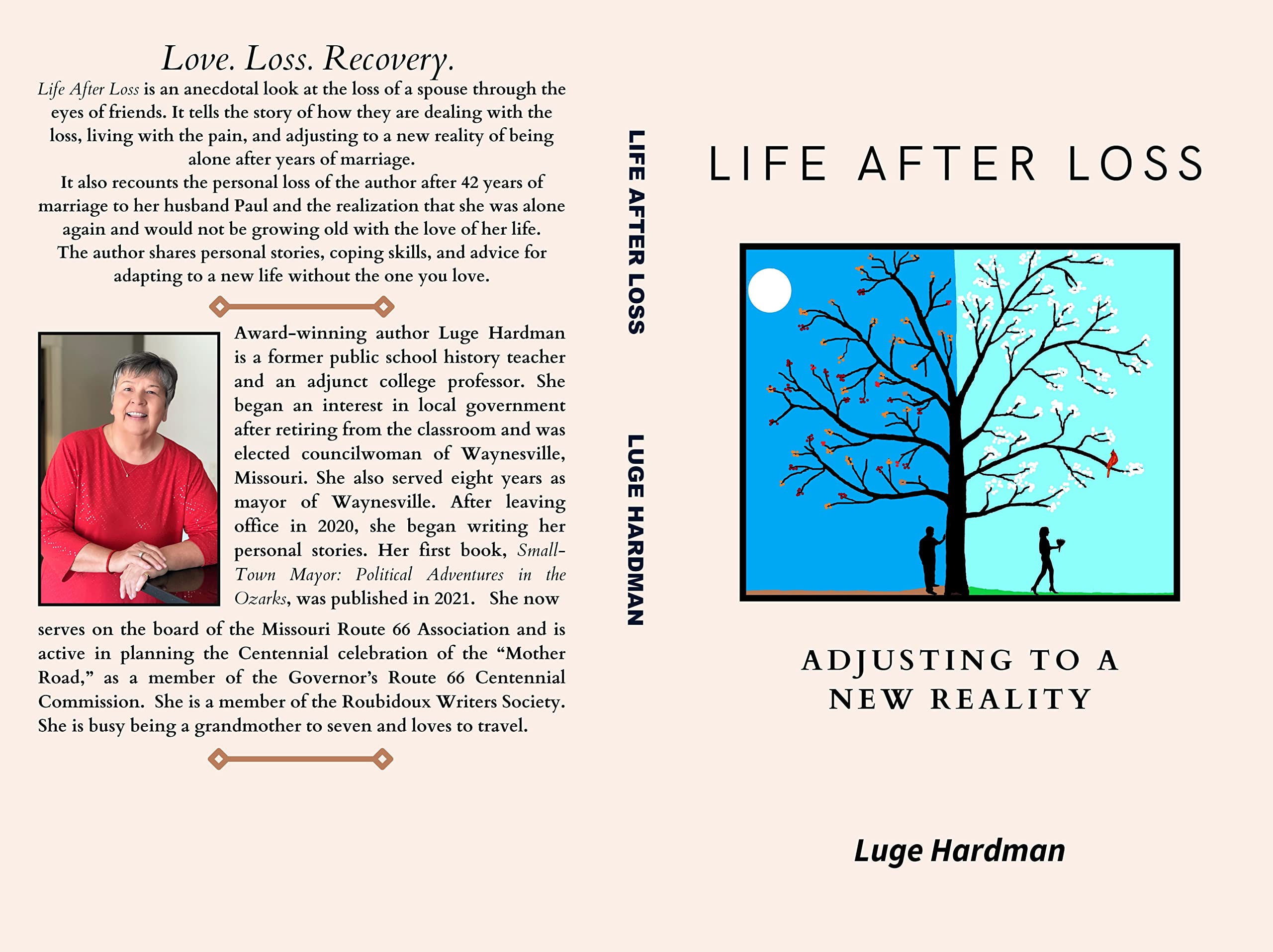
Navigating life at 65 after the loss of a spouse requires a structured approach to managing immediate financial transitions, legal obligations, and emotional reorganization. By prioritizing the stabilization of Social Security benefits, updating essential legal directives, and recalibrating long-term household budgets, you can establish a foundation of clarity and security that allows for intentional decision-making during a period of significant personal change.
Immediate Administrative and Legal Priorities
When a spouse passes away, the administrative burden can feel overwhelming. At age 65, your status often intersects with key government programs and long-standing legal arrangements. Addressing these systematically prevents future complications.
1. Secure Multiple Certified Death Certificates You will need numerous copies of the certified death certificate—often 10 to 15—to notify various institutions. Banks, insurance companies, the Social Security Administration (SSA), and utility providers will require physical or digital copies. Do not provide original documents; institutions generally require a certified copy with a raised seal.
2. Notification of Government Agencies If your spouse was receiving Social Security benefits, you must report the death to the SSA. In many cases, a funeral director will handle this reporting, but you should verify with the local SSA office to ensure the record is updated. If you were receiving benefits on your spouse’s record, or if you are eligible for survivor benefits, you must contact the SSA directly to discuss your options. Under current federal guidelines, survivor benefits can start as early as age 60 (or 50 if disabled), but the amount is affected by your age and the deceased spouse’s earnings record.
3. Reviewing Estate and Legal Documents Locate the Last Will and Testament, living trust documents, and power of attorney paperwork. As the surviving spouse, you may be the executor or successor trustee. If these documents are outdated or if you do not have copies, you must consult with a probate attorney. Review beneficiary designations on all retirement accounts (401(k), IRAs, or pensions) and life insurance policies, as these bypass probate and pass directly to named beneficiaries.
Financial Recalibration for the Solo Household
Transitioning from a two-income or two-pension household to a single one requires a complete audit of your financial life. The goal is to align your remaining assets with your projected longevity.
Income Consolidation At 65, you are likely eligible for Medicare. If your spouse held a private health insurance policy that covered you, contact the provider immediately to understand how their death impacts your coverage. You may qualify for a Special Enrollment Period (SEP) to change your Medicare plan or supplemental coverage.
Budgetary Adjustments Your cost of living will shift. While some expenses, such as food or certain utilities, might decrease, others—such as home maintenance, property taxes, or insurance premiums—remain fixed regardless of household size.
- Track Fixed vs. Variable Costs: Categorize all monthly outgoing payments.
- Analyze Debt: Determine if there are outstanding mortgages, personal loans, or credit lines in your spouse's name. Understand that you are not automatically liable for your spouse’s individual debts unless you are a co-signer or live in a community property state.
- Liquidity Check: Ensure you have access to an emergency fund that covers at least six months of living expenses, especially if pension income was reduced due to the spouse's death.
Table 1: Financial and Legal Checklist for Widowed Spouses
| Action Item | Responsible Entity | Timing Priority |
|---|---|---|
| Report Death | Social Security Administration | Immediate |
| Update Deeds/Titles | County Recorder/Registrar | Within 3 Months |
| Beneficiary Review | Financial Institutions | Immediate |
| Pension Adjustment | Former Employer/Pension Fund | Within 1 Month |
| Tax Filing Status | IRS (Form 1040) | Following Tax Season |
| Estate Executor Tasks | Probate Court/Attorney | Ongoing |
Housing and Lifestyle Transitions
At 65, you may face the decision of whether to remain in your current home or transition to a smaller, more manageable environment. This is a life-stage decision, not just a financial one.
Maintaining the Family Home If you choose to stay, consider the physical demands of home maintenance. If your home requires significant upkeep (roofing, landscaping, HVAC repairs), calculate if the cost of hiring help is sustainable on your adjusted income. If you have significant home equity, consider whether you are "house rich and cash poor." Some seniors explore home equity conversion mortgages (HECMs) or reverse mortgages, but these carry strict requirements and can be complex. Always consult a neutral financial planner before encumbering your primary asset.
Downsizing Considerations Moving to a smaller home or an independent living community can reduce utility costs, property taxes, and maintenance labor. However, include "moving costs" and potential capital gains tax implications in your analysis. If you sell your primary residence, remember that federal law allows for a generous capital gains exclusion ($250,000 for single filers) on the sale of a home you have owned and lived in for at least two of the last five years.
Managing Emotional and Social Realities
Social isolation is a documented risk for those widowed at 65. The loss of a spouse is not only a loss of companionship but also a loss of a primary social interface.
Building a Support Structure Recognize that your social needs will change. Many find value in peer-support groups tailored specifically for those widowed later in life. These groups provide a space where the shared experience of loss is understood without the need for explanation.
Professional Guidance Do not hesitate to engage a fee-only Certified Financial Planner (CFP) who specializes in retirement and estate transitions. Unlike commission-based advisors, a fee-only planner acts as a fiduciary, ensuring their recommendations are designed solely for your benefit rather than to generate product sales.
Common Pitfalls to Avoid
- Making Rash Decisions: Financial experts universally recommend avoiding major life changes—such as selling a home or gifting large sums of money—during the first 12 months of widowhood, unless absolutely necessary.
- Neglecting Tax Changes: You may be eligible to file as a "Qualifying Surviving Spouse" for two years following your spouse’s death, provided you meet certain requirements regarding dependent children. Check current IRS Publication 501 for specific eligibility.
- Ignoring Health Insurance: If you were covered by your spouse’s employer health plan, ensure you understand COBRA or Medicare transition rules to avoid gaps in coverage.
Frequently Asked Questions
What happens to my spouse’s Social Security benefits? Generally, if your spouse was receiving Social Security, the benefit stops. However, you may be eligible for survivor benefits. If you are already receiving your own Social Security retirement benefit, the SSA will pay the higher of the two amounts. It does not mean you receive the full sum of both.
Do I have to pay off my spouse’s credit card debt? In general, you are only responsible for debts that you co-signed or that are held in a joint account. However, if you live in a community property state (such as Arizona, California, or Texas), local laws may dictate that debts incurred during the marriage are the responsibility of the marital estate. Always consult with an estate attorney to review specific state statutes.
How soon should I update my Will? You should review your estate planning documents as soon as you are emotionally ready. Your late spouse is likely named as your executor or primary beneficiary. You must appoint a new executor and update your distribution plan to ensure your assets are handled according to your current wishes.
Can I afford to stay in my home? To answer this, create a "Solo Budget." List your total monthly income (Social Security, pensions, RMDs from retirement accounts) and subtract your fixed living expenses. If the result is negative, look at ways to reduce taxes (such as homestead exemptions for seniors) or consider downsizing.
What is a fee-only advisor and why do I need one? A fee-only advisor charges a flat rate or an hourly fee for their services and does not receive commissions from selling financial products. This model reduces the risk of conflict of interest, ensuring that the advice you receive regarding your retirement and survivors' benefits is truly objective.
Next Steps for Implementation
The immediate path forward is to establish your "Command Center." Gather all financial statements, insurance policies, and legal documents into one secure location. Once these are organized, prioritize your Social Security status, as this represents the core of your ongoing cash flow.
If you feel overwhelmed, break the work into "Task Tuesdays"—designate one day a week to tackle a single administrative hurdle, such as calling the bank or updating a deed. Allow yourself the grace to process the emotional toll of your loss while maintaining the functional stability that will allow you to transition successfully into this new chapter.