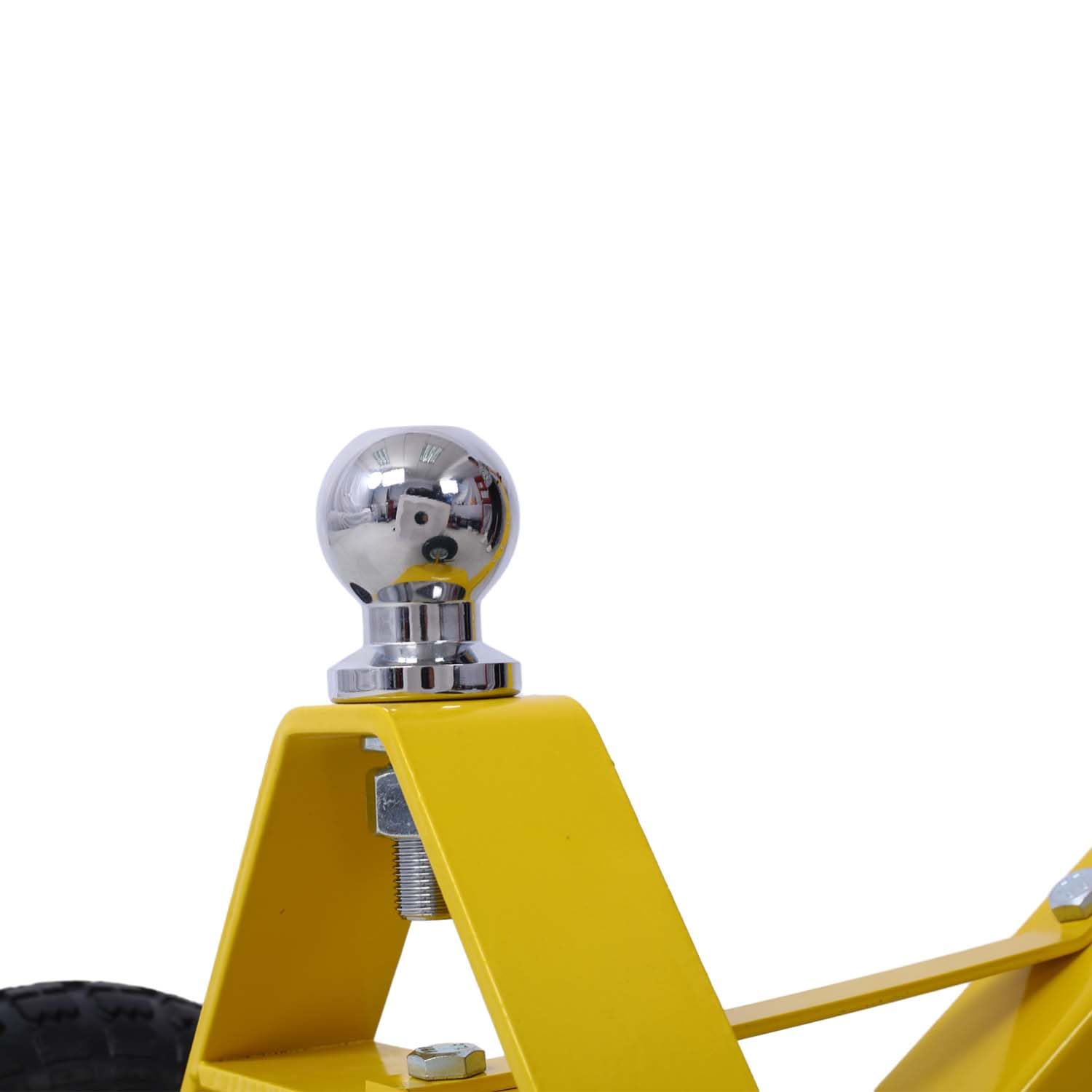
A 600 lb dolly is a specialized material-handling tool designed to transport items weighing up to its rated capacity by utilizing mechanical advantage. Whether configured as a vertical hand truck or a flat platform, these tools employ heavy-duty frames and high-traction wheels to move appliances, furniture, and industrial equipment safely and efficiently across various surfaces.
Understanding the 600 lb Weight Capacity
When a manufacturer rates a dolly for 600 lbs, it refers to the maximum static load the frame and wheels can support under ideal conditions. In 2026, engineering standards for material handling have become more precise, but the distinction between static and dynamic loads remains the most critical factor for users to understand. A static load is the weight placed on the dolly while it is stationary on a level surface. A dynamic load occurs the moment the dolly is tilted, pushed, or moved over an uneven surface like a door threshold or a sidewalk crack.
For a 600 lb dolly, exceeding the dynamic load capacity is the primary cause of equipment failure. When you hit a bump, the force exerted on the wheels and axle can momentarily double or triple. Therefore, a dolly rated for 600 lbs is ideally suited for loads between 400 and 500 lbs to provide a necessary safety margin. If you are moving a 600 lb gun safe or a commercial refrigerator, you are at the absolute limit of the tool's capability, requiring extreme caution regarding weight distribution and surface smoothness.
Types of 600 lb Dollies for Specific Heavy Loads
Not all dollies are created equal. The term "dolly" is an umbrella for several distinct designs, each optimized for different types of heavy cargo. Choosing the wrong architecture can lead to physical strain or damage to the items being moved.
The Upright Hand Truck
The vertical hand truck is the most common 600 lb dolly. It features two wheels, a tall frame, and a small "nose plate" that slides under the load. This design relies on leverage. By tilting the handle back, the user shifts the weight over the axle, allowing the wheels to bear the brunt of the load. This is the preferred tool for tall, narrow items like refrigerators, stacked boxes, or water heaters. In 2026, many 600 lb hand trucks feature "P-handles," which allow for one-handed operation while opening doors or stabilizing the load.
The Platform Dolly (Flatbed)
A platform dolly consists of a flat deck—usually made of steel, hardwood, or reinforced plastic—supported by four swivel casters. These are rated for 600 lbs and are designed for items with a broad base that do not require tilting. Large furniture pieces, heavy crates, or engine blocks are best moved on platform dollies. Because all four wheels stay on the ground, the user only needs to overcome rolling resistance rather than balancing the load vertically.
The Convertible Dolly
The convertible or "2-in-1" dolly offers the most versatility for a 600 lb rating. It can operate as a standard upright hand truck or be folded down into a four-wheeled platform. These are particularly popular in 2026 for delivery drivers and residential movers who encounter varied cargo types. However, users must check the capacity in both configurations, as some models may support 600 lbs in the platform position but only 400 lbs in the upright position due to the hinge's structural limits.
Material Science and Frame Durability
The longevity and reliability of a 600 lb dolly depend heavily on the materials used in its construction. As of 2026, three primary materials dominate the market: steel, aluminum, and high-impact polymers.
Steel Frames
Steel remains the gold standard for heavy-duty applications where weight is not an issue but durability is paramount. A 600 lb steel dolly is typically powder-coated to prevent rust and features welded joints. The primary advantage of steel is its rigidity; it does not flex easily under a 500 lb load. The downside is the weight of the tool itself, which can make it more difficult to lift into a truck or transport between job sites.
Aluminum Frames
Aluminum dollies have gained significant market share because they offer a high strength-to-weight ratio. An aluminum hand truck rated for 600 lbs is significantly lighter than its steel counterpart, reducing operator fatigue. High-quality aluminum models use aircraft-grade alloys and are often modular, allowing parts like the nose plate or handles to be replaced if damaged. However, aluminum is more prone to bending if the 600 lb limit is frequently pushed.
Reinforced Polymers
Advancements in polymer science have introduced 600 lb dollies made from high-density polyethylene (HDPE) or other reinforced plastics. These are almost exclusively platform-style dollies. They are prized for being non-marring (they won't scratch floors) and resistant to chemicals and moisture. They are ideal for laboratory, hospital, or food-service environments where hygiene and floor protection are critical.
Wheel and Caster Selection
The wheels are the most common point of failure on a 600 lb dolly. To move a heavy load effectively, the wheels must be matched to the environment where the dolly will be used.
| Wheel Type | Best Environment | Pros | Cons |
|---|---|---|---|
| Pneumatic (Air-Filled) | Gravel, Grass, Uneven Terrain | Excellent shock absorption; rolls over debris. | Prone to flats; requires pressure maintenance. |
| Solid Rubber | Warehouses, Smooth Concrete | Never goes flat; very durable for heavy loads. | Poor shock absorption; can mark soft floors. |
| Polyurethane | Retail, Hardwood, Tile | Non-marring; rolls very easily on smooth surfaces. | Can develop flat spots if left under heavy load. |
| Flat-Free Foam | Residential, Light Industrial | Combines pneumatic feel with solid reliability. | Higher rolling resistance than air-filled tires. |
For a 600 lb load, the diameter of the wheel is also vital. Larger wheels (10 inches or more) make it much easier to clear obstacles like rugs, door sills, or small steps. On platform dollies, the quality of the ball bearings inside the swivel casters determines whether the dolly will glide or require immense force to turn.
Physics and Ergonomics: Moving 600 lbs Safely
Moving a 600 lb load is not just about strength; it is about physics. When using an upright hand truck, the "break-over" point is the most dangerous moment. This is the transition from the load being vertical to being balanced on the wheels. To execute this safely, place a foot on the axle or the designated kick-bar to prevent the wheels from kicking out from under the load.
Center of Gravity: Always keep the heaviest part of the load as low as possible. If you are stacking boxes, the heaviest box must be at the bottom, directly above the nose plate. A high center of gravity makes the dolly prone to tipping sideways, which can result in catastrophic failure or injury.
Strap Usage: For any load approaching the 600 lb limit, using ratcheting straps or "logistics straps" is non-negotiable. These secure the cargo to the frame of the dolly. Without straps, a sudden stop or a bump can cause the load to slide forward off the nose plate.
Body Mechanics: Never pull a 600 lb dolly toward your body while standing on an incline. Always push the load when possible, as this allows you to use your leg muscles and maintain better visibility. If you must go up a ramp, it is safer to pull the dolly behind you while walking forward up the ramp, provided you have a spotter.
Maintenance for Long-Term Reliability
A dolly is a mechanical device that requires maintenance, especially when subjected to the stresses of 600 lb loads. In 2026, most high-end dollies come with grease fittings (zerks) on the wheel hubs.
- Lubrication: At least twice a year, apply a high-quality lithium grease to the wheel axles and swivel caster bearings. This reduces friction, which in turn reduces the amount of force you need to apply to move the load.
- Fastener Inspection: Vibration from moving heavy loads over textured surfaces can loosen bolts. Periodically check the bolts connecting the nose plate and handles to the main frame. Use thread-locking fluid if you find bolts frequently loosening.
- Tire Pressure: If using pneumatic tires, check the PSI monthly. Moving a 600 lb load on under-inflated tires can cause the tire to slip off the rim or result in a blowout.
- Frame Integrity: Inspect the welds or joints for hairline cracks. If a steel frame shows signs of "fatigue whitening" or cracked paint at a joint, the structural integrity is compromised, and the dolly should be retired or repaired by a professional welder.
Common Mistakes When Handling 600 lb Loads
One of the most frequent errors is attempting to "stair-climb" with a standard 600 lb dolly without assistance. While some dollies have "stair climbers" (plastic glides or small rotating wheel sets) attached to the back of the frame, these are meant to protect the stairs, not to make the 600 lbs weightless. Moving such a heavy load up or down stairs should always be a multi-person job, often requiring specialized stair-climbing dollies with motorized tracks if the weight exceeds 500 lbs.
Another mistake is misjudging the nose plate depth. If a heavy item hangs too far off the front of a short nose plate, it creates a "lever" effect that pulls the handle out of the operator's hands. For deep loads like large furniture, a "nose extension" or a folding plate should be used to provide a larger base of support.
FAQs About 600 lb Dollies
Can I move a 600 lb refrigerator on a standard hand truck?
Yes, provided the hand truck is rated for at least 600 lbs. However, refrigerators are "top-heavy" and can be difficult to balance. Ensure you use appliance straps and have a second person assist with the tilt-back to avoid losing control of the load.
What is the difference between a furniture dolly and a utility dolly?
A furniture dolly is typically a four-wheeled platform (often carpeted to protect finishes) designed for flat, broad items. A utility dolly is usually a two-wheeled upright hand truck used for boxes and appliances. Both can be rated for 600 lbs, but the utility dolly is better for tall items, while the furniture dolly is better for wide items.
Do I need pneumatic tires for a 600 lb load?
Pneumatic tires are best if you are moving the load across gravel, grass, or uneven pavement because they absorb shock. However, if you are strictly on smooth warehouse floors, solid rubber or polyurethane wheels are better because they offer less rolling resistance and won't go flat.
Is it safe for one person to move 600 lbs with a dolly?
While the dolly is designed to handle the weight, the human factor is the limit. Moving 600 lbs on level ground is manageable for one person with a high-quality dolly, but inclines, stairs, or uneven transitions usually require a second person for safety and stabilization.
How do I know if my dolly is overloaded?
Signs of overloading include the frame bowing or flexing visibly, the wheels becoming difficult to turn or "squishing" (if pneumatic), and the nose plate scraping the ground. If the dolly feels unstable or the handles are vibrating excessively under tension, you have likely exceeded the safe dynamic load.
Final Recommendation for 2026
When selecting a 600 lb dolly in 2026, prioritize a modular aluminum hand truck with flat-free foam tires if you need a versatile, all-purpose tool. This combination provides the best balance of weight, durability, and low maintenance. If your work is strictly indoors on high-end flooring, a reinforced polymer platform dolly with non-marring polyurethane casters is the superior choice. Always remember that the 600 lb rating is a maximum limit; for consistent daily use, aiming for a load that is 70-80% of the maximum capacity will ensure the safety of both the operator and the cargo.