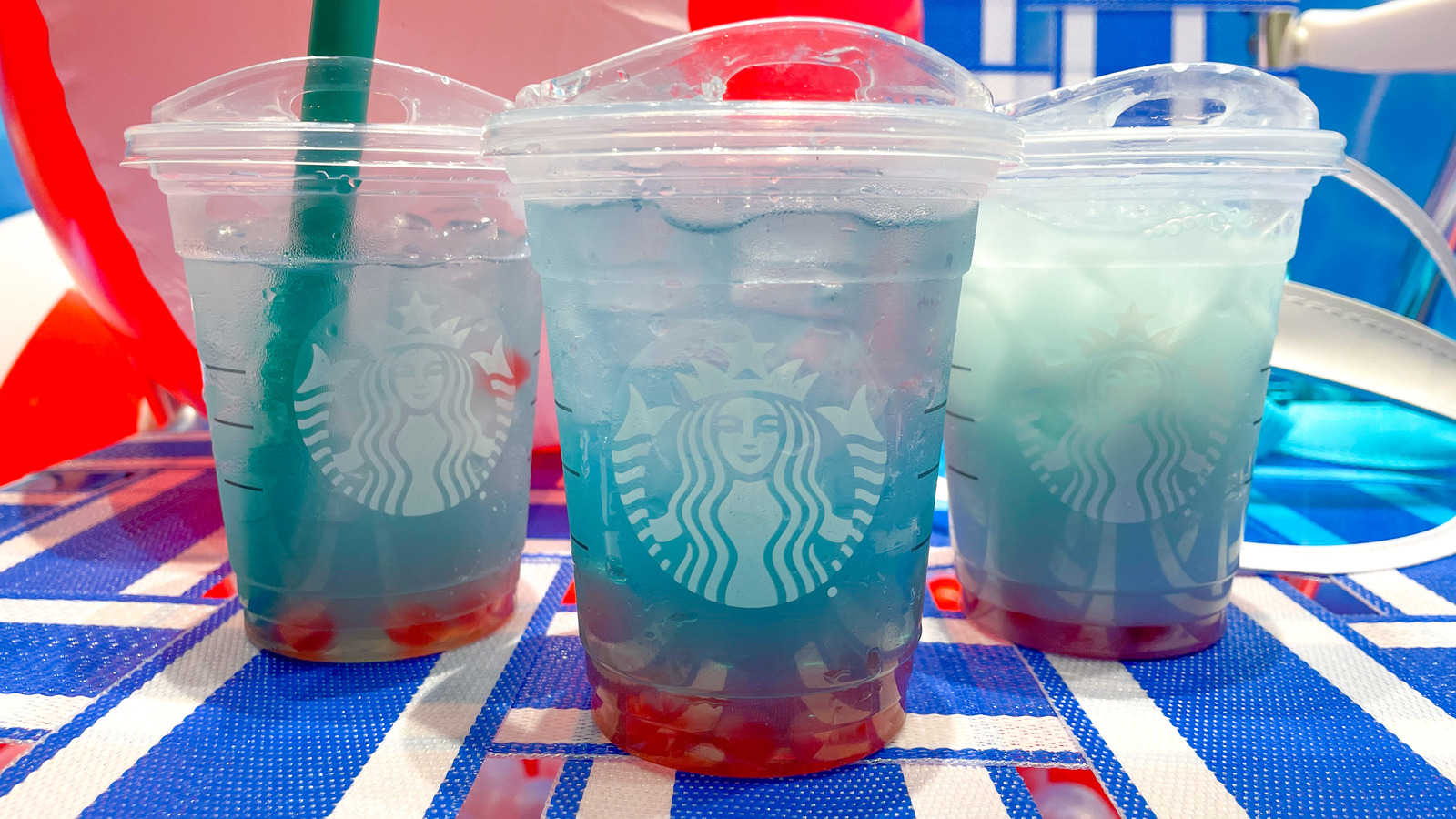
Navigating seasonal menu changes requires understanding flavor profiles, ingredient sourcing, and preparation methods. The "5 starbucks new summer drinks 2025 to watch" represent anticipated warm-weather beverage concepts, flavor infusions, and structural additions designed to expand cold beverage portfolios during peak seasonal demand.
Understanding Starbucks Seasonal Menu Strategies and Summer Innovations
Every year, major international coffeehouse chains invest heavily in seasonal research and development to capture consumer interest during high-traffic warm-weather months. The transition from spring blends to summer menus marks a critical operational and marketing phase. During this period, beverage architecture shifts dramatically away from hot, dairy-heavy concoctions toward iced, blended, and fruit-infused alternatives.
Analyzing upcoming seasonal lineups involves examining broader consumer trends, supply chain availability, and historical menu patterns. Beverage developers focus on vibrant color palettes, customizable sweetness levels, and textural innovations such as cold foams, popping boba-style pearls, or layered infusions. By monitoring these rollouts, consumers and industry analysts can identify shifts in consumer preferences toward functional ingredients, botanical flavor notes, and refreshing hydration options.
Understanding how these items move from concept kitchens to regional test markets and eventual nationwide distribution provides valuable context for beverage enthusiasts. The strategy relies on balancing familiar comfort flavors—like vanilla and caramel—with adventurous tropical, floral, and tart profiles that resonate during hot weather.
Drink 1: Tropical Botanical Cold Brew Infusions
The first major trend dominating warm-weather beverage lineups centers on botanical and tropical cold brew variations. Cold brew, created by steeping coarse coffee grounds in cool water for an extended period, provides a naturally smooth, low-acidity base that pairs exceptionally well with bright fruit flavors.
To elevate standard cold brew during peak summer months, flavor architects integrate botanical syrups and concentrated fruit nectars. These formulations often feature ingredients like hibiscus, dragon fruit, passion fruit, or white peach. The technical challenge in developing these drinks lies in preventing the fruit and botanical elements from overpowering the subtle cocoa and nutty notes inherent to the coffee base.
| Specification | Detail |
|---|---|
| Base Liquid | Slow-steeped cold brew coffee |
| Primary Flavor Profile | Tart tropical fruit and floral botanicals |
| Textural Element | Crisp, clean liquid with optional foam |
| Customization Options | Alternative milks, sweetness levels |
When evaluating this style of beverage, baristas and consumers look for a clean finish where the initial sweetness of the botanical infusion transitions smoothly into the roasted profile of the coffee. Adjusting sweetness levels through pump controls or selecting alternative milk additions allows drinkers to tailor the beverage to specific dietary preferences.
Drink 2: Vibrant Layered Refresher Innovations
Fruit refreshers have become a cornerstone of warm-weather beverage sales, utilizing lightly caffeinated green coffee extract paired with real fruit juice and freeze-dried pieces. For upcoming summer menus, innovation focuses heavily on multi-layered visual presentation and complex flavor pairings.
Layered refreshers rely on differences in liquid density and ingredient preparation to create distinct color bands within a clear cup. For example, a tart berry base might be layered beneath a creamy coconut milk layer or floated atop a tart citrus lemonade. This approach not only provides visual appeal for social media platforms but also allows the consumer to experience shifting flavor notes as the drink mixes organically through consumption.
- Primary Base: Green coffee bean extract or white tea infusion.
- Fruit Components: Real fruit juice concentrates, purees, and freeze-dried inclusions.
- Textural Enhancements: Blended ice consistency, layered dairy, or non-dairy foams.
- Aromatic Notes: Citrus peel oils, tropical blossoms, and crushed mint.
The preparation requires precise measurement and pouring techniques to maintain clean separation lines before the beverage is stirred. This category appeals directly to consumers seeking hydration, moderate caffeine, and bold fruit flavors without the heaviness associated with traditional espresso-based milk drinks.
Drink 3: Artisanal Creamy Cold Foams on Iced Teas
Cold foam has transformed iced beverage customization, creating a velvety texture that slowly integrates into the drink below as it is consumed. While cold foam initially gained traction atop nitro cold brew, its application has expanded significantly into premium iced teas and matcha bases.
For summer menus, flavor profiles lean into nostalgic and dessert-inspired combinations, such as toasted vanilla, berry-infused creams, or spiced brown sugar. The foam itself is crafted from non-fat dairy or specialized plant-based alternatives whipped at high speeds to achieve a micro-foam consistency that floats effortlessly on top of lower-density liquids.
- Standard Dairy Base: Non-fat milk or heavy cream blends optimized for aeration.
- Plant-Based Alternatives: Oat milk and almond milk formulations designed to hold structure.
- Infusion Agents: Syrups, fruit purees, and spice powders folded directly into the foam.
- Application Method: High-shear mechanical frothing pitchers or handheld immersion blenders.
The interplay between the hot-poured or room-temperature tea and the chilled, dense foam creates a contrasting sensory experience. As the foam melts slowly into black, green, or herbal teas, it imparts a rich mouthfeel that mimics a latte without requiring an entire glass of milk.
Drink 4: Complex Spiced and Herbal Lemonades
Lemonade serves as a blank canvas for sophisticated mixology techniques within commercial coffeehouse chains. Standard lemonade often relies on a straightforward balance of lemon juice, water, and cane sugar, but seasonal summer iterations introduce complex botanical and spiced dimensions.
Incorporating herbs like fresh rosemary, basil, or lavender into the simple syrup base adds an earthy counterpoint to the sharp citric acid of the lemon. Additionally, pairing lemonade with artisanal teas—such as iced black tea for a classic Arnold Palmer or ceremonial-grade matcha for a striking visual and flavor contrast—elevates the beverage from a simple thirst-quencher to a crafted specialty item.
| Component | Function in Beverage |
|---|---|
| Citric Acid Base | Provides foundational tartness and bite |
| Botanical Syrups | Introduces floral and herbal complexity |
| Tea Floats | Adds tannic structure and caffeine |
| Ice Density | Regulates dilution rate over time |
When preparing or ordering these variations, managing the sugar-to-acid ratio is crucial. High-quality natural lemon juice requires adequate sweetness to balance the tartness, while the herbal additions must be steeped precisely to avoid bitter or medicinal off-notes.
Drink 5: Blended Crème and Espresso Frappe Variations
Blended beverages remain a perennial favorite for consumers seeking maximum cooling power during peak summer heat waves. These drinks are generally divided into two distinct categories: coffee-based blended beverages containing espresso or frappé roast base, and crème-based alternatives that rely entirely on dairy, flavor syrups, and ice.
Innovation in this category focuses on textural variety and decadent flavor inclusions. Developers frequently incorporate crushed cookie pieces, fruit purees swirled along the interior of the cup, or specialized drizzles that complement the primary flavor profile. The technical execution requires precise calibration of commercial blender blades and ice ratios to ensure a smooth, uniform consistency free of large ice chunks.
- Blender Calibration: Programmed cycles for consistent particle size reduction.
- Emulsifying Agents: Xanthan gum or proprietary binders to prevent rapid separation.
- Topping Integration: Whipped cream, flavored drizzles, and textural crumbles.
- Temperature Control: Storage of dairy and liquid bases at optimal refrigeration standards.
While decadent blended beverages are typically higher in calories and sugar, they satisfy a specific consumer demand for dessert-style refreshments during warm weather months. Customization options—such as selecting skim milk, sugar-free syrups, or omitting whipped cream—allow individuals to modify the nutritional profile to suit their dietary goals.
Strategic Comparison of Summer Beverage Categories
Choosing the right summer beverage depends on individual preferences regarding caffeine content, sweetness, texture, and dietary needs. The following comparison outlines the core characteristics of the primary seasonal drink styles.
| Beverage Category | Primary Base | Typical Caffeine Content | Key Textural Feature | Main Flavor Profile |
|---|---|---|---|---|
| Cold Brew Infusions | Steeped Coffee | High | Smooth, clean liquid | Bold coffee with fruit/floral notes |
| Layered Refreshers | Green Coffee / Tea | Moderate | Crisp with fruit pieces | Bright, tart, and sweet fruit |
| Cold Foam Teas | Black, Green, or Herbal Tea | Varies (0 to Moderate) | Velvety, dense foam top | Creamy merging with herbal/tannic |
| Botanical Lemonades | Lemon Juice & Water | Low to Moderate | Zesty with optional tea float | Tart citrus balanced by herbs |
| Blended Frappes | Espresso or Crème | Varies (0 to High) | Thick, uniform frozen slush | Decadent, sweet, and rich |
Frequently Asked Questions
How can I customize these drinks for dietary restrictions?
Most seasonal beverages can be modified by swapping standard dairy for plant-based alternatives like oat, almond, or soy milk. Additionally, sweetness levels can be adjusted by reducing or substituting syrup pumps, and cold foams can often be prepared using non-dairy milk bases upon request.
What is the difference between a refresher and an iced tea?
Refreshers are built using a base of green coffee extract or unroasted coffee fruit extract, combined with fruit juice and water or lemonade. Iced teas use traditional steeped tea leaves (black, green, or herbal) as their primary caffeinated and flavorful base without the coffee extract component.
Do these summer drinks contain high amounts of sugar?
Many commercial specialty beverages do contain added sugars from syrups and fruit bases. However, customers can request fewer pumps of syrup, choose sugar-free flavor options where available, or select unsweetened tea and cold brew options to minimize sugar intake.
How does cold foam stay on top of iced drinks?
Cold foam is created using non-fat milk or specialized dairy alternatives whipped at high velocity to incorporate tiny air bubbles. Because the foam is less dense than the iced liquid below it, it floats naturally on the surface, slowly melting and blending into the drink over time.
Practical Recommendations for Seasonal Beverage Selection
When exploring new summer menu additions, consider your functional needs regarding caffeine and hydration. If you require a sustained energy boost without heavy dairy, opt for cold brew infusions or botanical refreshers. If your primary goal is a refreshing, tart thirst-quencher, herbal-infused lemonades offer a balanced profile. Always review customization options with your barista to ensure your beverage aligns perfectly with your taste preferences and nutritional requirements.