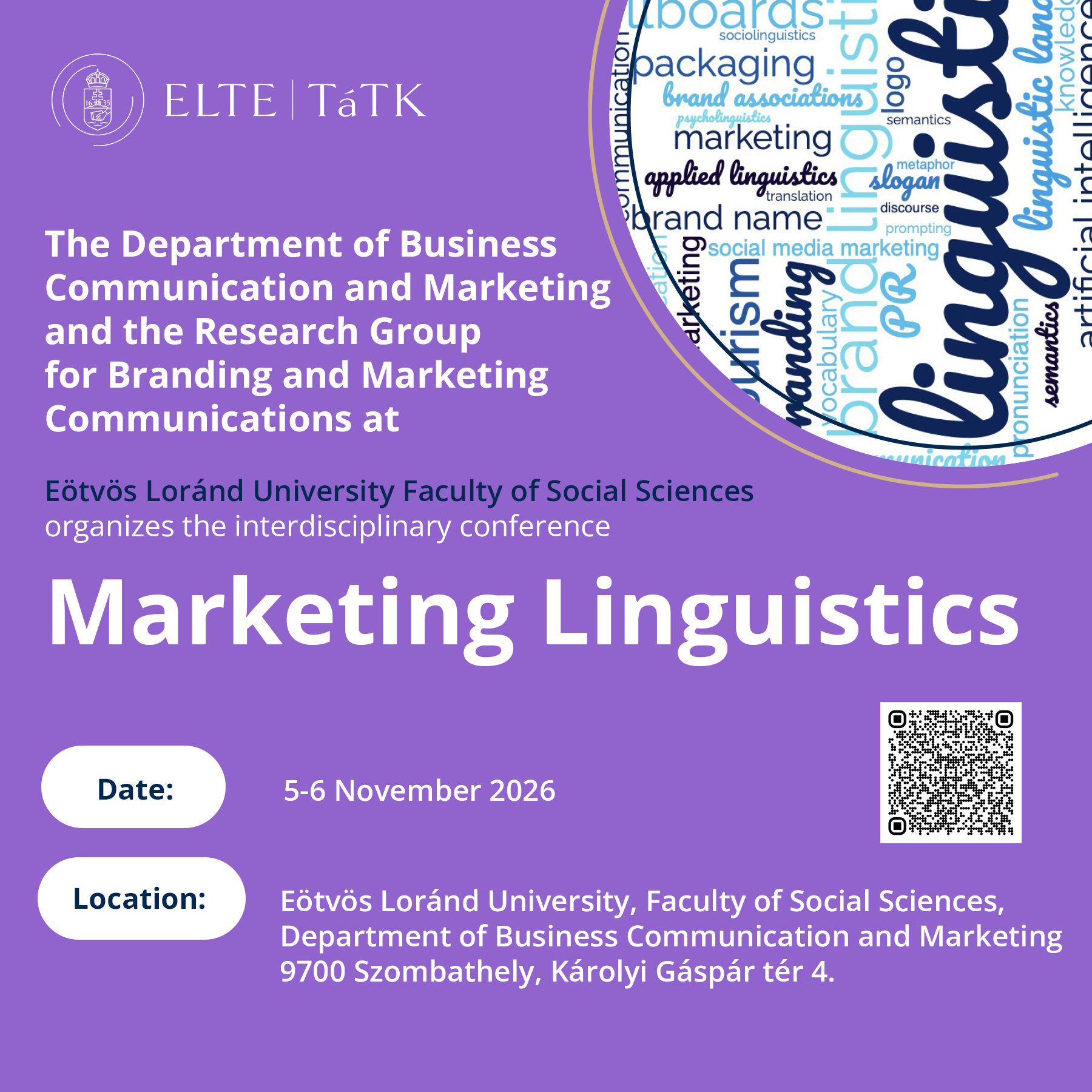
Choosing a top-tier linguistics program requires balancing theoretical rigor, research funding, faculty expertise, and alignment with your specific subfield—whether that is computational linguistics, sociolinguistics, phonology, or psycholinguistics. The academic landscape continues to evolve, incorporating advanced data science, large language model analysis, and cross-disciplinary cognitive science. Examining the premier academic offerings provides essential clarity for prospective undergraduate and graduate students navigating admissions, curriculum design, and career preparation.
Navigating the landscape of higher education for language sciences involves evaluating what makes a department truly exceptional. While prestige plays a role, the best programs distinguish themselves through robust laboratory infrastructure, fieldwork opportunities, publication support, and strong placement records in academia and tech sectors. Below is a comprehensive breakdown of the five premier linguistics programs, detailing their academic focus, research strengths, prerequisites, and what makes each an ideal choice for ambitious scholars.
1. Massachusetts Institute of Technology (MIT) – Department of Linguistics and Philosophy
MIT has long been a powerhouse in theoretical linguistics, largely anchored in the legacy of generative grammar. The program is intentionally small and selective, fostering an intense, collaborative research environment where graduate students work closely with world-renowned faculty from day one.
Academic Focus and Research Strengths
The department emphasizes foundational theoretical frameworks, including syntax, semantics, phonology, and morphology. Rather than spreading resources across every conceivable subfield, MIT concentrates its energy on deep theoretical exploration and formal modeling. Faculty and students frequently collaborate with the MIT BCS (Brain and Cognitive Sciences) department, bridging the gap between abstract grammatical structures and neural processing.
Prerequisites and Admissions Realities
Admission to MIT’s doctoral program in linguistics is fiercely competitive. Successful applicants typically possess a robust background in formal logic, mathematics, or cognitive science alongside undergraduate coursework in core theoretical linguistics. Because the cohort size is kept small to ensure maximum funding and mentorship, applicants must demonstrate a clear research trajectory and an ability to engage with complex theoretical arguments immediately upon arrival.
Career Outcomes and Industry Placement
Graduates from MIT secure tenure-track faculty positions at elite research universities worldwide. Furthermore, the strong analytical foundation cultivated here makes alumni highly sought after in artificial intelligence, natural language processing (NLP), and computational research and development roles within major technology firms.
2. Stanford University – Department of Linguistics
Located in the heart of Silicon Valley, Stanford’s linguistics department seamlessly blends traditional theoretical studies with cutting-edge computational methods, sociolinguistics, and experimental research.
Academic Focus and Research Strengths
Stanford is globally recognized for its pioneering work in sociolinguistics, phonetic variation, and computational linguistics. The department houses several active research labs, including the Stanford Stanford Artificial Intelligence Laboratory (SAIL) collaborations and various phonetics and sociolinguistics labs. Scholars here often investigate how social structures influence language change and how machine learning models process human speech patterns.
Interdisciplinary Opportunities
One of Stanford's defining characteristics is its cross-campus integration. Linguistics students frequently collaborate with departments in computer science, psychology, and symbolic systems. This multidisciplinary approach allows researchers to combine corpus linguistics with big data analytics, opening doors to innovative methodologies that redefine how language data is collected and interpreted.
Funding and Support
Stanford typically provides robust multi-year funding packages for doctoral candidates, covering tuition, health insurance, and a living stipend through a combination of fellowships, teaching assistantships, and research assistantships. Prospective applicants should carefully review the specific application requirements, which emphasize a statement of purpose detailing precise intellectual curiosities and methodological preparedness.
3. University of California, Berkeley – Department of Linguistics
UC Berkeley offers one of the most comprehensive and historically influential linguistics programs in the world. Known for its strong emphasis on functionalism, cognitive linguistics, and fieldwork-based documentation, Berkeley provides a vibrant intellectual community for students interested in the diversity of human language.
Academic Focus and Research Strengths
Unlike programs strictly bound to formalist paradigms, Berkeley has historically championed cognitive linguistics and construction grammar—frameworks that view language as an integral part of general human cognition rather than an autonomous module. The university is also a global leader in field linguistics and the documentation of endangered and indigenous languages, offering extensive resources for researchers traveling to remote communities.
Laboratories and Collaborative Environment
Students have access to advanced phonetic and psycholinguistic laboratories. The atmosphere is collaborative rather than purely hierarchical, encouraging peer-to-peer learning and active participation in departmental colloquia and working groups.
Undergraduate and Graduate Pathways
Berkeley provides rigorous training at both the undergraduate and graduate levels. Undergraduates can pursue a Bachelor of Arts with various specialized tracks, while graduate students engage in rigorous qualifying papers designed to transition them smoothly into independent scholarly research and dissertation writing.
4. University of California, Los Angeles (UCLA) – Department of Linguistics
UCLA is internationally renowned for its empirical rigor, particularly in experimental phonetics, phonology, and historical-comparative linguistics. The department maintains a reputation for producing meticulous researchers who rely heavily on empirical data, acoustic analysis, and fieldwork.
Academic Focus and Research Strengths
The UCLA Phonetics Lab is legendary in the field, having pioneered numerous acoustic and articulatory measurement techniques over several decades. In addition to phonetics, the department maintains exceptional strength in formal syntax, semantics, and American Indian linguistics. Faculty members actively mentor students in conducting laboratory experiments, field research, and formal theoretical modeling.
Resources and Facilities
UCLA provides extensive computing infrastructure, high-end acoustic recording equipment, and eye-tracking laboratories for psycholinguistic investigations. The department's commitment to empirical grounding ensures that theoretical claims are constantly tested against measurable acoustic and behavioral data.
Admissions and Academic Expectations
Applicants to UCLA should highlight any prior laboratory experience, data analysis skills, or fieldwork background. The admissions committee looks for candidates who display intellectual independence, analytical precision, and a demonstrated passion for uncovering empirical linguistic facts.
5. University of Massachusetts Amherst – Department of Linguistics
UMass Amherst punches well above its weight class, consistently ranking among the very best departments globally, particularly in formal semantics and syntactic theory.
Academic Focus and Research Strengths
The UMass linguistics program is internationally famous for its powerhouse group in formal semantics (often referred to in the field as the "UMass school" of semantics). Alongside syntax and phonology, the department fosters a tight-knit, highly collaborative environment where graduate students and faculty work side by side on cutting-edge theoretical problems.
Culture and Mentorship
The department prides itself on a supportive, non-competitive internal culture that prioritizes deep intellectual engagement over institutional bureaucracy. Weekly seminars and reading groups are central to the academic life of the department, ensuring that students stay at the vanguard of theoretical developments.
Placement and Alumni Success
Despite being located outside major metropolitan tech hubs, UMass linguistics graduates boast an extraordinary placement record in tenure-track academic positions across North America, Europe, and Asia, as well as successful transitions into industry research labs.
Comparative Overview of Top Linguistics Programs
| Institution | Primary Theoretical Orientation | Key Research Strengths | Notable Lab/Facility Focus | Typical Funding Structure (Ph.D.) |
|---|---|---|---|---|
| MIT | Formal Generative Grammar | Syntax, Semantics, Phonology | Cognitive Science & Brain Research | Full Fellowship / TA / RA Support |
| Stanford University | Sociolinguistics & Computational | NLP, Phonetic Variation, AI Integration | SAIL & Sociolinguistic Labs | Multi-year Fellowships & Assistantships |
| UC Berkeley | Cognitive & Functional Linguistics | Fieldwork, Endangered Languages, Construction Grammar | Field Linguistics & Phonetics Labs | Graduate Student Support Packages |
| UCLA | Empirical & Experimental | Phonetics, Phonology, Historical Linguistics | UCLA Phonetics Lab | Fellowships, TA & RA Appointments |
| UMass Amherst | Formal Theoretical Frameworks | Formal Semantics, Syntax, Phonology | Formal Semantics Working Groups | Comprehensive Multi-year Funding |
Evaluating Admissions Prerequisites and Preparation
Gaining admission to a competitive graduate linguistics program requires deliberate academic preparation. Admissions committees evaluate several core components when reviewing applications:
- Undergraduate Transcripts and GPA: A strong record in linguistics, mathematics, computer science, foreign languages, or cognitive psychology is essential. Solid performance in foundational courses like syntax and phonology signals readiness for advanced study.
- Statement of Purpose: This document should articulate specific research interests rather than general affection for languages. Highlight particular theoretical debates or methodological approaches you wish to investigate.
- Writing Sample: Often the most heavily weighted component of a graduate application. Ensure your writing sample demonstrates rigorous argumentation, familiarity with current literature, and clean analytical prose.
- Letters of Recommendation: Secure letters from professors who know your academic capabilities and research potential intimately. Vague letters praising general pleasantness carry little weight compared to detailed evaluations of your analytical prowess.
Choosing the Right Subfield: Theory vs. Computation vs. Experimentation
Before committing to a program, prospective students must consider where their primary curiosities lie. The field of linguistics has fractured and expanded into diverse specialized domains:
- Theoretical Linguistics: Focuses on the universal principles underlying human language structure. Ideal for students fascinated by rule systems, formal logic, and cognitive architecture.
- Computational Linguistics / NLP: Focuses on programming machines to process, understand, and generate human language. Essential for those aiming for careers in artificial intelligence, software engineering, and language technology.
- Experimental / Psycholinguistics: Investigates how the human brain processes and stores language in real-time using tools like EEG, fMRI, and eye-tracking.
- Sociolinguistics: Examines the intersection of language and society, exploring how factors like class, gender, ethnicity, and geography shape speech patterns and language evolution.
Frequently Asked Questions
Do I need to speak multiple foreign languages to study linguistics?
No. While knowing multiple languages can provide helpful empirical data and a broader perspective on linguistic structures, linguistics is the scientific study of how human language works, not the act of learning to speak foreign languages. Many theoretical linguists work deeply in a single language (frequently their native tongue) to uncover universal grammatical rules.
Is a master’s degree required before applying for a Ph.D. in linguistics?
In most North American universities, including the top-ranked programs listed above, a master’s degree is not strictly required. Students typically enter direct-track Ph.D. programs straight out of their undergraduate studies, earning an en-passant master's degree along the way after completing qualifying exams and coursework.
How is computational linguistics different from traditional linguistics?
Traditional linguistics focuses on human cognitive structures, social use, and historical evolution using qualitative and formal analytical tools. Computational linguistics applies statistical models, algorithms, and machine learning techniques to analyze large corpora of text and speech, bridging the gap between computer science and human language studies.
What career options are available outside of academia for linguistics graduates?
Linguists find employment across numerous industries. Common career paths include natural language processing engineering, data science, UX research, lexicography, speech-to-text technology development, forensic linguistics analysis for legal proceedings, and localization management for global software and media companies.
How should I fund my linguistics graduate studies?
Top-tier doctoral programs in linguistics typically offer full funding packages that waive tuition and provide a living stipend in exchange for teaching or research assistantships. Master's-level programs, however, rarely offer full funding, requiring students to rely on external scholarships, student loans, or personal savings. Always verify specific departmental funding guarantees before accepting an offer.
Strategic Next Actions for Prospective Applicants
If you plan to apply for admission in upcoming academic cycles, begin by auditing your current coursework against program prerequisites. Reach out to professors whose published research aligns with your intellectual interests to discuss potential mentorship. Refine your undergraduate writing sample, cultivate strong relationships for recommendation letters, and carefully examine each institution's specific application deadlines and faculty roster to ensure a precise academic fit.