The term "4.2 million iPhone 6 battery recall explained" is a frequent point of confusion among consumers and tech historians, as Apple never officially recalled 4.2 million iPhone 6 batteries. Instead, this figure conflates a massive global battery replacement program launched in response to unexpected shutdowns with broader device longevity issues, third-party component controversies, and regulatory scrutiny regarding device throttling.
Evaluating the reality behind this widespread numerical myth requires looking closely at Apple's actual service programs, lithium-ion battery chemistry, and how consumer electronics manufacturers handle hardware degradation over time. Understanding what actually happened prevents misinformation regarding smartphone safety while providing actionable context for vintage device management.
The Origins of the 4.2 Million Figure and Smartphone Myths
Discussions surrounding millions of affected units often stem from overlapping news cycles, statutory fines, and independent safety investigations involving different consumer electronics rather than an official Apple recall. In consumer tech reporting, figures from separate incidents—such as the massive battery safety issues faced by other manufacturers or regional regulatory settlements—frequently become incorrectly attached to the iPhone 6.
Apple has historically managed hardware degradation through proactive service programs rather than mandatory product recalls. A recall typically involves a government-mandated or voluntary manufacturer-led retrieval of products due to a severe safety hazard, such as a fire or explosion risk. While lithium-ion batteries do possess inherent thermal risks if physically punctured or manufactured with specific structural defects, the iPhone 6 battery situation was characterized by chemical aging and power management rather than widespread thermal runaway.
| Concept | Reality for the iPhone 6 Battery Lifecycle |
|---|---|
| Official Recall Status | No safety recall ever issued by Apple or regulators. |
| Primary Issue | Unexpected shutdowns due to degraded chemical aging. |
| Apple Intervention | Reduced-price out-of-warranty replacement program ($29). |
| Software Mitigation | Implementation of dynamic power management (throttling). |
When users experienced unexpected power-offs, public frustration mounted. This friction eventually culminated in legal settlements and transparency initiatives. However, at no point did Apple announce a safety-related recall encompassing 4.2 million units for the iPhone 6 line.
Understanding Lithium-Ion Aging in the iPhone 6
To understand why the iPhone 6 required widespread battery interventions, it is necessary to examine the electrochemical properties of lithium-ion batteries. Every rechargeable battery has a finite lifespan defined by charge cycles, calendar age, and operating temperatures.
As a lithium-ion battery ages chemically, its internal resistance increases. When a smartphone attempts to draw peak power from a high-internal-resistance battery—such as launching a processor-intensive application or rendering complex graphics—the voltage of the battery can drop precipitously.
- Peak Current Demands: The device's system-on-chip requires a sudden surge of electrical current.
- Voltage Sag: An aged battery cannot supply this surge instantly, causing the internal voltage to plummet below the threshold required for stable operation.
- Emergency Shutdown: To protect sensitive silicon components from undervoltage damage, the operating system abruptly cuts power, resulting in an unexpected shutdown.
For the iPhone 6, this vulnerability was exacerbated by a combination of tight physical tolerances, aging hardware, and operating system updates that pushed the hardware to its limits. Users frequently found that their devices would shut down abruptly even when the battery indicator displayed 30% or 40% charge remaining.
Apple's 2018 Battery Replacement Program
The turning point for consumer relations regarding iPhone battery degradation occurred late in 2017 and carried through 2018. Following widespread public realization that iOS was actively managing performance to prevent unexpected shutdowns on aging batteries, Apple issued a public apology and altered its service pricing.
To rebuild consumer trust, Apple slashed the price of an out-of-warranty battery replacement from $79 to $29 for eligible devices, primarily targeting the iPhone 6 and later models.
- Eligibility Criteria: Any customer with an iPhone 6 or later whose battery chemistry had degraded to a point affecting performance could take advantage of the reduced pricing.
- Global Scale: While the exact global number of replacements performed under this heavily discounted program was never broken down into a precise 4.2 million tally, millions of consumers globally utilized the service to extend the operational life of their hardware.
- Diagnostic Verification: Apple Authorized Service Providers and Apple Stores used internal diagnostic tools to verify battery health before approving the discounted replacement.
This initiative effectively neutralized the crisis by offering an affordable physical remedy to users experiencing performance throttling or unexpected shutdowns, averting the need for a mandatory recall.
Software Transparency: iOS Power Management Explained
Hardware interventions alone could not solve the underlying physics of chemical aging, leading Apple to introduce software-level transparency features in subsequent iOS updates.
Battery Health and Peak Performance Capability
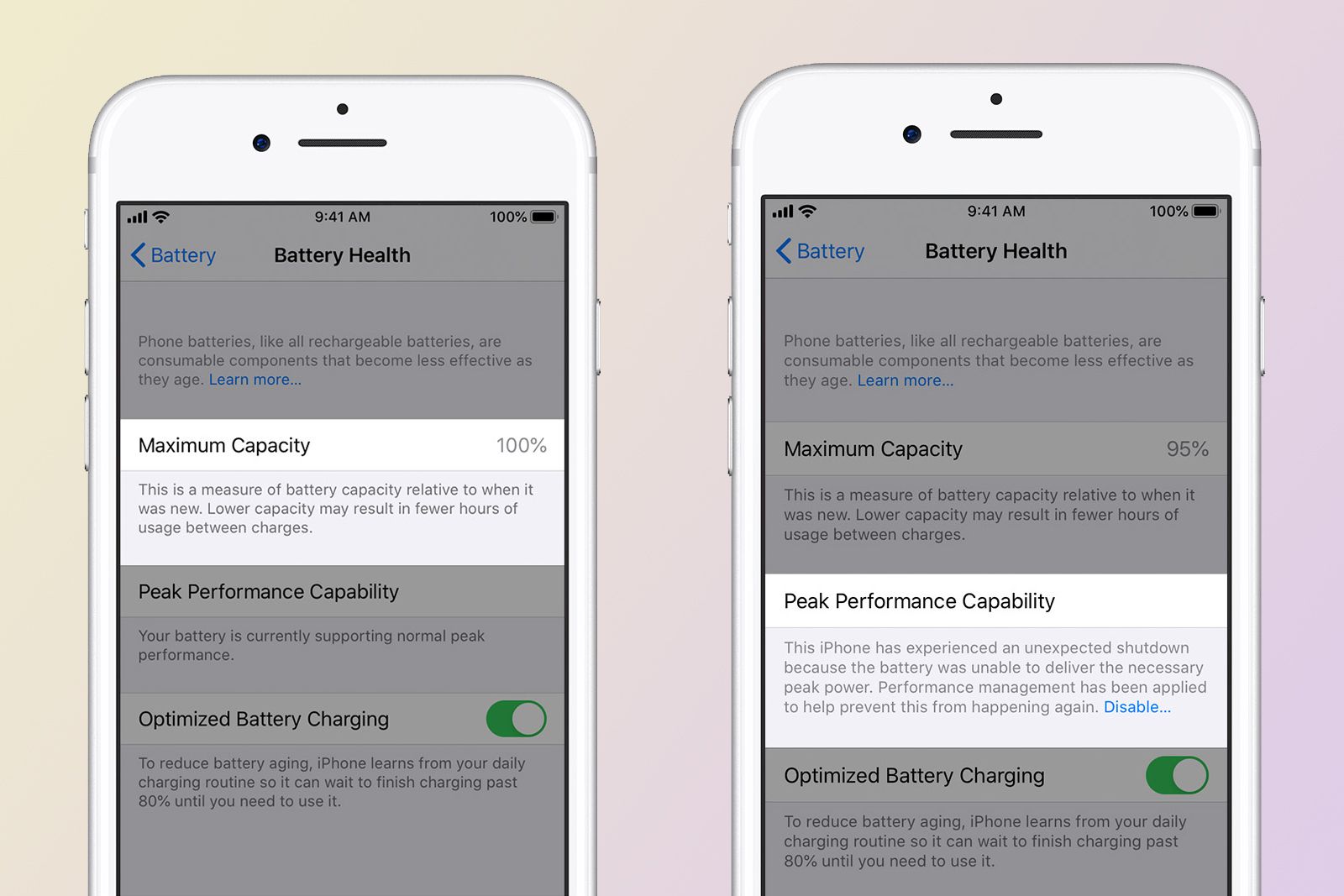
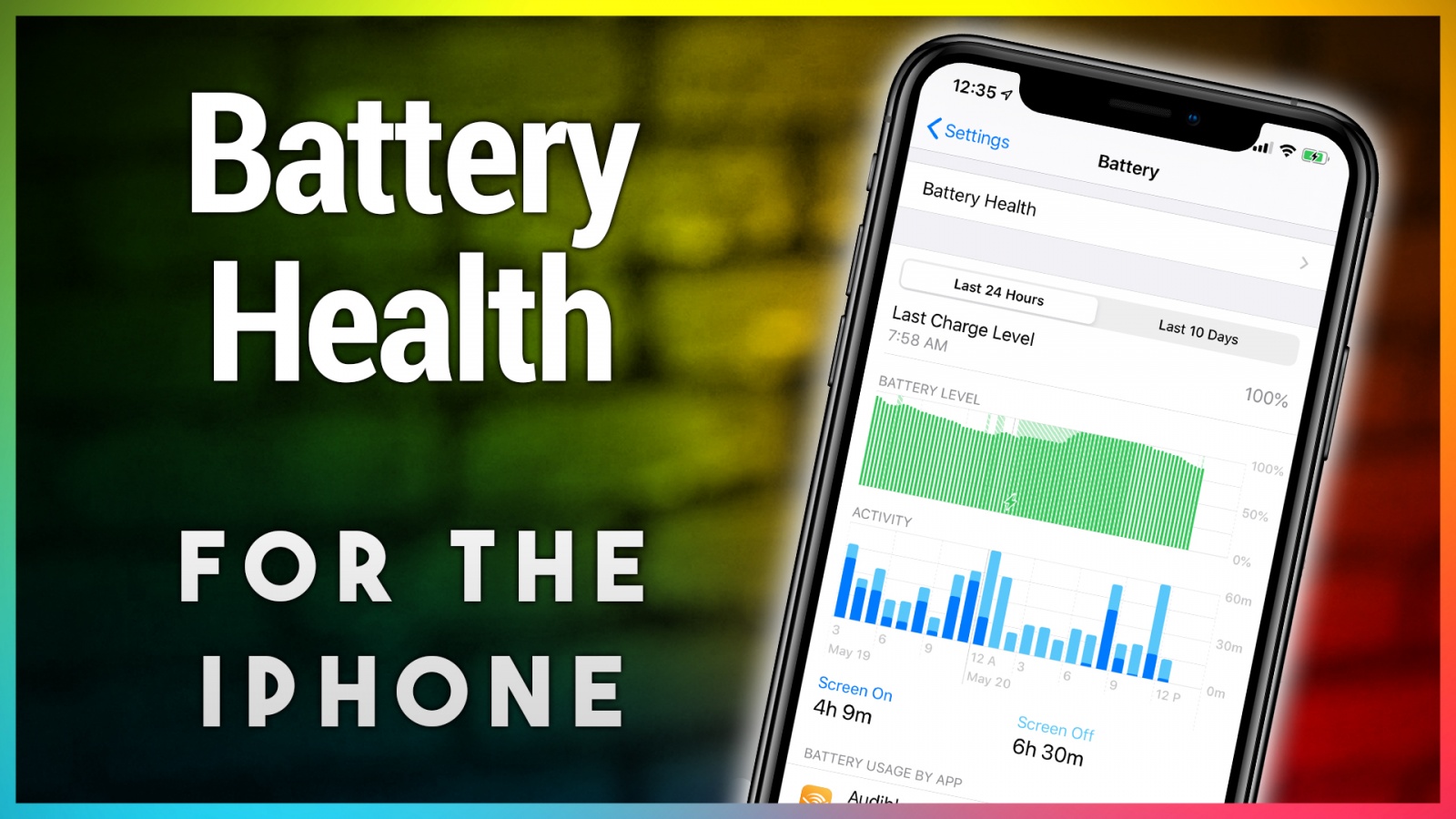
Starting with iOS 11.3, Apple introduced a dedicated Battery Health section within the Settings application. This interface provides two primary metrics:
- Maximum Capacity: A percentage score comparing the current maximum charge capacity of the battery to its capacity when brand new. A reading below 80% typically indicates a chemically degraded state.
- Peak Performance Capability: Dynamic messaging that informs the user whether their device is running at normal peak performance or if dynamic power management has been applied due to an unexpected shutdown event.
User Control Over Throttling
Crucially, the software update granted users the ability to disable dynamic power management if they preferred occasional unexpected shutdowns over controlled performance throttling. However, if another unexpected shutdown occurred, the power management system would automatically re-enable itself, ensuring device stability.
Comparison of Smartphone Battery Lifecycle Responses
Different manufacturers handle battery degradation and safety issues through distinct administrative pathways. Understanding these distinctions clarifies why the iPhone 6 situation remains unique.
| Manufacturer / Incident | Nature of Issue | Regulatory Action | Manufacturer Response |
|---|---|---|---|
| Apple iPhone 6 (2017–2018) | Chemical aging, unexpected shutdowns, throttling | Class-action lawsuits, global scrutiny | Discounted replacement program ($29), iOS transparency features |
| Industry Safety Recalls (General) | Thermal runaway, manufacturing defects, fire risk | Mandatory government agency recalls (CPSC, etc.) | Complete device/battery replacement at zero cost, stop-use directives |
| Standard Wear and Tear | Normal capacity loss over 500+ cycles | None | Standard out-of-warranty service fees |
Practical Troubleshooting for Aging Vintage Hardware
For users currently maintaining or collecting vintage hardware like the iPhone 6 in 2026, managing battery health requires realistic expectations regarding component availability and physical safety.
- Check Physical Integrity: Swollen lithium-ion batteries present a genuine fire hazard. If the device chassis appears warped, the screen lifts at the edges, or the device emits a chemical odor, power it down immediately and dispose of it at a certified electronics recycling facility.
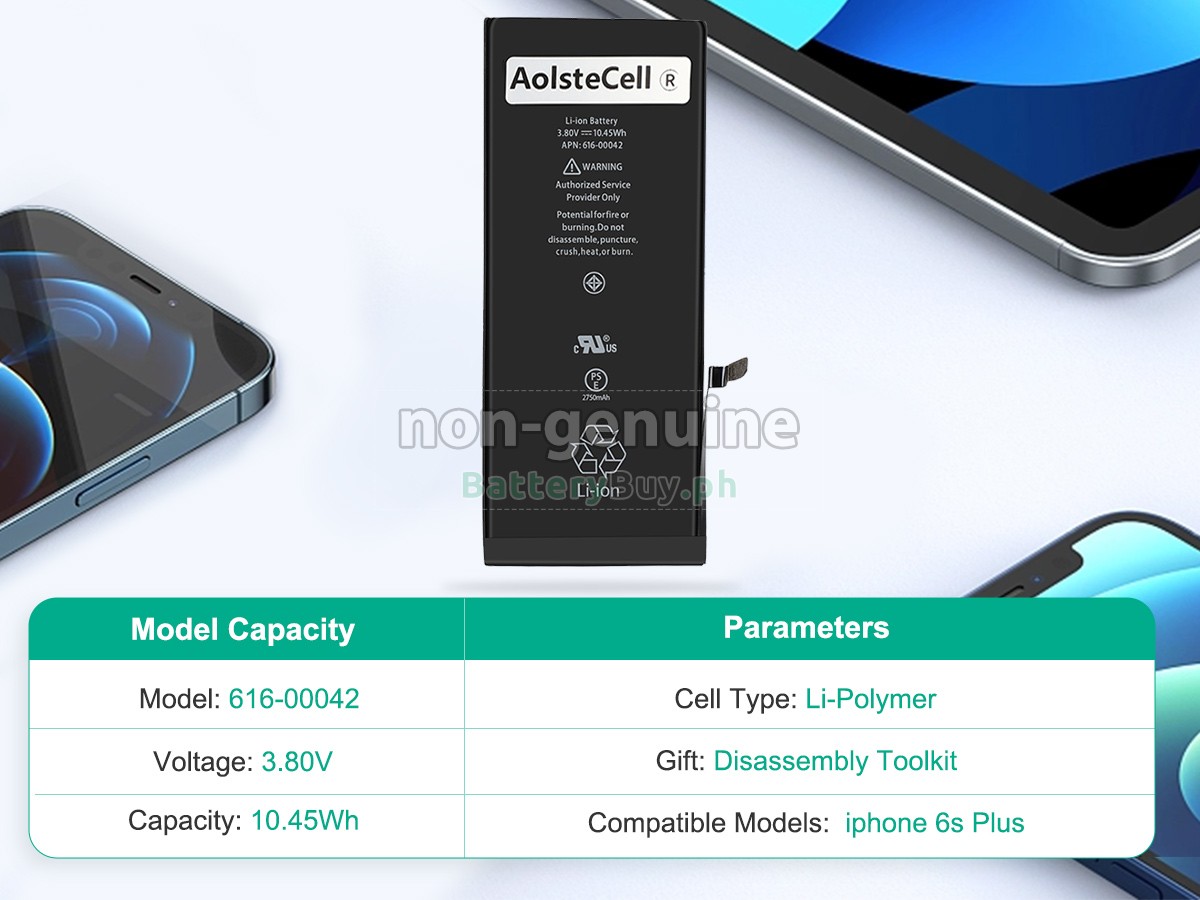
- Sourcing Replacements: Official Apple support for the iPhone 6 has long since concluded. Consumers opting for third-party replacement batteries should exercise caution, verifying the supplier's reputation to avoid low-quality cells with improper thermal protections.
- Thermal Management: Avoid exposing older lithium-ion cells to extreme ambient temperatures, as heat accelerates the degradation of internal chemical components.
Frequently Asked Questions
Did Apple actually recall 4.2 million iPhone 6 batteries?
No. Apple never issued a safety recall for 4.2 million iPhone 6 batteries. This figure is frequently cited in error or conflated with unrelated consumer electronics recalls and legal settlements. Apple did, however, launch a massive discounted battery replacement program in 2018 that served millions of device owners globally.
Why did the iPhone 6 shut down unexpectedly when the battery showed 30% charge?
As lithium-ion batteries chemically age, their internal resistance rises. When the processor demands a sudden surge of power, the aged battery experiences a voltage drop. If that voltage falls below safe operating thresholds, the operating system initiates an emergency shutdown to prevent hardware damage.
How can I check the health of an iPhone battery?
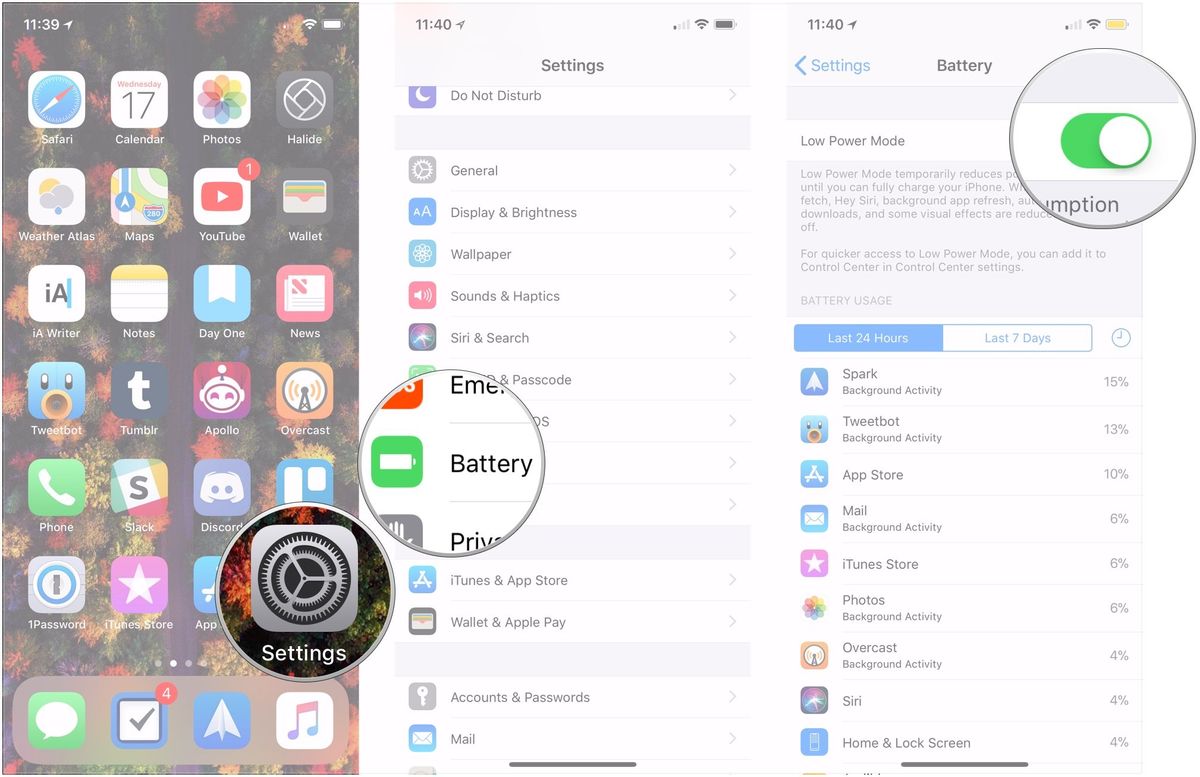
On compatible running versions of iOS, navigate to Settings, select Battery, and tap Battery Health & Charging. This screen displays the maximum capacity percentage and indicates whether the device is supporting normal peak performance.
Is it worth replacing the battery in an iPhone 6 today?
From a practical performance standpoint, the iPhone 6 is a vintage device that no longer receives software updates or security patches from Apple. While a battery replacement will restore physical charge retention, modern application compatibility and network standard shifts (such as the sunsetting of older cellular bands) limit its utility for daily use.
What should I do if an old iPhone battery begins to swell?
A swelling lithium-ion battery indicates structural failure and gas buildup, posing a fire risk. Do not attempt to charge or bend the device. Take it immediately to a professional electronics recycling center or hazardous waste disposal site.
Conclusion
The persistent myth of a 4.2 million iPhone 6 battery recall highlights the intersection of hardware aging, consumer expectations, and corporate transparency. While Apple never recalled the devices, the company's handling of chemical aging through discounted replacements and software controls reshaped how the entire smartphone industry communicates battery health. Understanding the true history ensures that vintage device owners maintain their equipment safely without relying on inaccurate recall statistics.