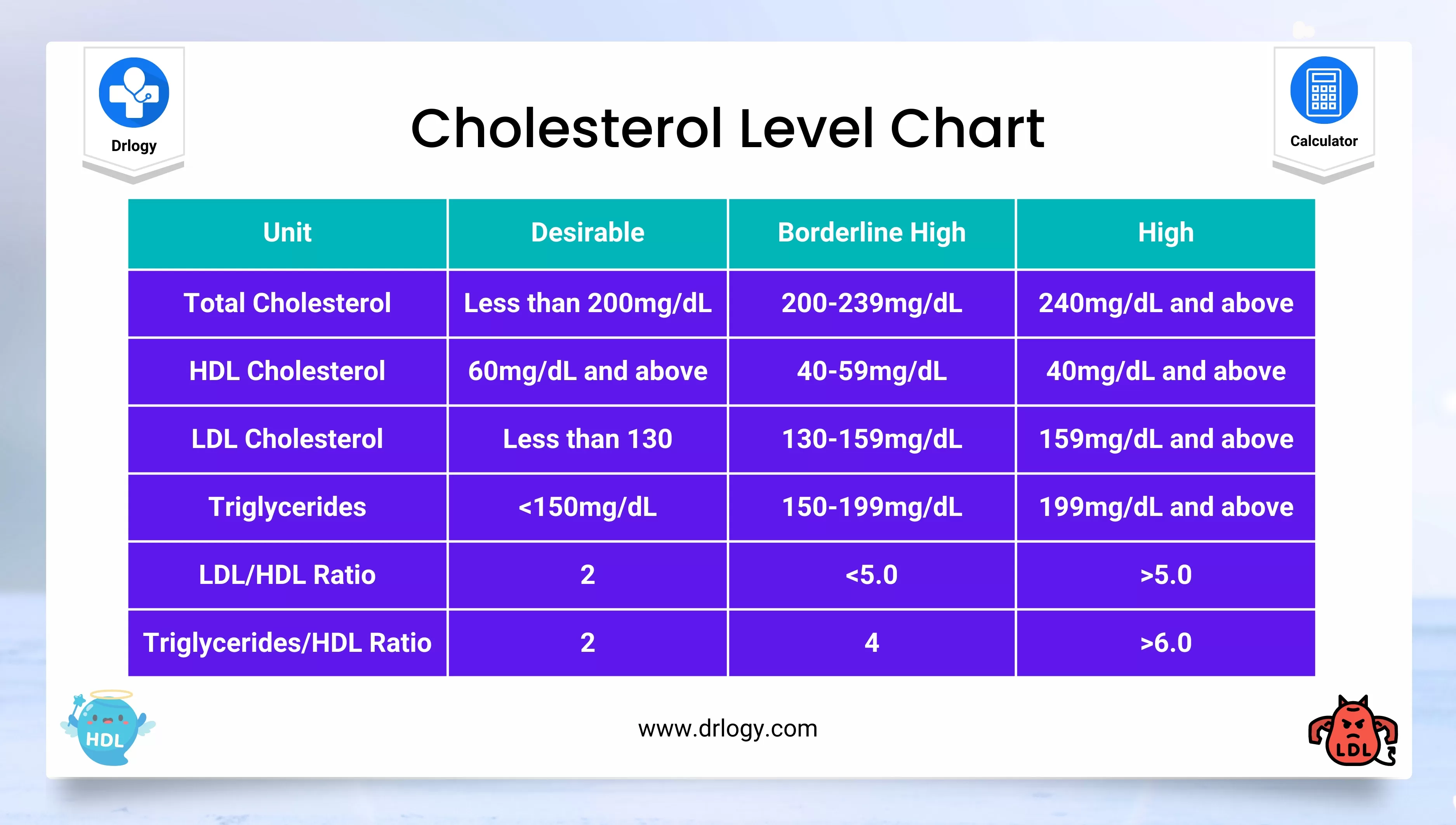
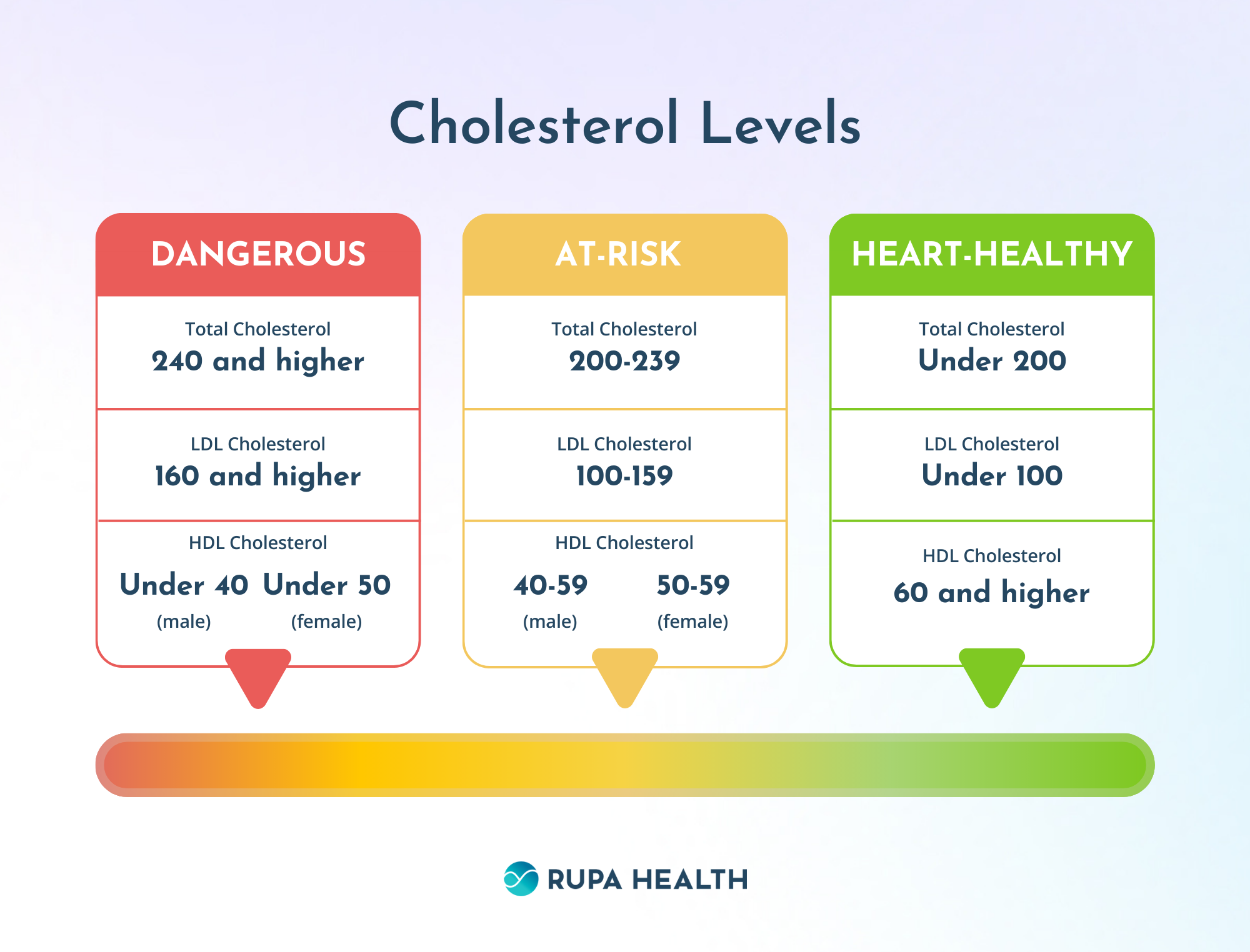
A total cholesterol reading of 300 mg/dL is considered high and falls well above the standard desirable threshold of less than 200 mg/dL. This elevation requires a comprehensive medical evaluation to assess your overall cardiovascular risk, as it is often driven by elevated low-density lipoprotein cholesterol, and demands targeted lifestyle modifications, and potentially medical therapy to protect your long-term heart health.
Demystifying Cholesterol: What the Numbers Represent
When you receive a lipid panel lab report, the numbers provided represent the concentration of specific lipid particles circulating in your bloodstream. While total cholesterol gives a broad overview, it is actually a calculated sum of various components, including low-density lipoprotein (LDL) cholesterol, high-density lipoprotein (HDL) cholesterol, and a portion of your triglycerides. Understanding how these components interact is essential for contextualizing a high reading.
Historically, medicine relied heavily on total cholesterol as the primary marker for cardiovascular risk. Modern clinical practice, however, looks far beyond this single aggregate metric. A total cholesterol of 300 mg/dL indicates that your body is managing a significantly high burden of circulating lipids. To determine whether this elevation stems from harmful atherogenic particles or relatively benign fractions, physicians examine the individual lipid sub-fractions through a more detailed lipid profile.
The Components of a Lipid Panel
A standard lipid panel breaks down your blood chemistry into several key metrics, each measured in milligrams per deciliter of blood (mg/dL):
- Total Cholesterol: The overall measure of cholesterol found within your blood's lipoproteins. A reading of 300 mg/dL places you well into the high-risk category, where standard guidelines classify anything 240 mg/dL and above as high.
- LDL Cholesterol ("Bad" Cholesterol): This is the primary driver of plaque buildup in your arteries. High levels of LDL lead to atherosclerosis, a condition where arteries narrow and harden, restricting blood flow.
- HDL Cholesterol ("Good" Cholesterol): This lipoprotein acts as a scavenger, picking up excess cholesterol from your tissues and blood vessels and transporting it back to the liver for excretion. Higher HDL numbers are generally protective.
- Triglycerides: A type of fat stored in your fat cells. High triglycerides combined with high LDL and low HDL create a particularly dangerous metabolic environment.
Interpreting a Total Cholesterol Level of 300 mg/dL
A reading of 300 mg/dL is an unmistakable warning sign that warrants prompt medical attention, but it is not an immediate medical emergency on its own. Instead, it serves as a critical indicator that your cardiovascular system may be under chronic stress from lipid accumulation. Medical professionals never treat a lab value in isolation. They evaluate your 300 mg/dL reading within the context of your complete medical history, lifestyle factors, and other biomarkers.
To properly interpret this value, a healthcare provider will calculate your overall cardiovascular risk using validated tools like the American College of Cardiology/American Heart Association (ACC/AHA) risk estimator. This tool incorporates your age, biological sex, race, systolic blood pressure, smoking status, diabetes status, and high-density lipoprotein levels to estimate your 10-year risk of experiencing a cardiovascular event such as a heart attack or stroke.
| Cholesterol Category | Total Cholesterol Range (mg/dL) | Clinical Significance |
|---|---|---|
| Desirable | Less than 200 | Optimal cardiovascular health; lowest baseline risk for arterial plaque buildup. |
| Borderline High | 200 to 239 | Requires lifestyle oversight; moderate risk depending on other health factors. |
| High | 240 and Above | Significant elevation; requires formal medical evaluation and risk factor analysis. |
| Severe Elevation | 300 and Above | Substantially elevated; often indicates underlying genetic factors or severe metabolic stress. |
Potential Causes and Contributing Factors
A total cholesterol level reaching 300 mg/dL rarely happens by chance. It is typically the result of a complex interplay between genetic predisposition, dietary habits, lifestyle behaviors, and secondary medical conditions. Identifying the root cause is essential for designing an effective management plan.
Genetic Predispositions and Familial Hypercholesterolemia
When total cholesterol climbs to 300 mg/dL or higher, clinicians immediately consider genetic factors, most notably familial hypercholesterolemia (FH). FH is a common, inherited genetic disorder caused by mutations in the LDL receptor gene or related genes, which prevents the liver from efficiently clearing LDL cholesterol from the bloodstream. Individuals with heterozygous FH often present with total cholesterol levels above 300 mg/dL from a young age, placing them at an exceptionally high risk of premature coronary artery disease if left untreated.
Dietary and Lifestyle Influences
While genetics play a powerful role, environmental factors heavily modulate your lipid levels. Diets high in saturated fats—found in fatty cuts of meat, full-fat dairy products, and tropical oils—as well as trans fats, can significantly raise LDL cholesterol. Sedentary lifestyles contribute to lower HDL cholesterol and higher triglycerides, compounding the negative effects of a high-fat diet. Furthermore, chronic heavy alcohol consumption and smoking can negatively impact your lipid profile, exacerbating the risks associated with a high total cholesterol reading.
Secondary Medical Conditions
Certain underlying medical conditions can disrupt normal lipid metabolism, causing secondary hyperlipidemia. Conditions that frequently elevate cholesterol levels include:
- Hypothyroidism: An underactive thyroid gland slows down metabolism, reducing the body's ability to clear cholesterol from the blood.
- Chronic Kidney Disease: Alterations in protein and fat metabolism in kidney disease often result in severe dyslipidemia.
- Liver Disease: Because the liver is the primary organ responsible for cholesterol synthesis and regulation, hepatic dysfunction can profoundly alter lipid levels.
- Type 2 Diabetes: Insulin resistance alters lipid metabolism, typically resulting in high triglycerides, low HDL, and small, dense LDL particles.
Diagnostic Procedures and Medical Evaluations
When presented with a total cholesterol reading of 300 mg/dL, a physician will initiate a thorough diagnostic workup to confirm the findings and assess organ function. This process moves beyond a simple finger-prick test to gather comprehensive clinical data.
Comprehensive Lipid Panels and Advanced Testing
The initial step is typically a repeat fasting lipid panel to ensure accuracy, as non-fasting tests can sometimes skew triglyceride and calculated LDL results. If the reading remains exceptionally high, doctors may order advanced lipid testing. These specialized panels measure the actual number and size of LDL particles (LDL-P) rather than just the total mass of cholesterol within them, providing a clearer picture of atherogenic risk.
Baseline Health Screenings
To rule out secondary causes and evaluate target organ damage, your physician may order a battery of baseline blood tests and diagnostic imaging:
- Thyroid-Stimulating Hormone (TSH) Test: To evaluate thyroid function and rule out hypothyroidism as a contributing cause of the high cholesterol.
- Comprehensive Metabolic Panel (CMP): To assess kidney and liver function, ensuring that vital organs are operating efficiently before initiating any pharmaceutical interventions.
- Hemoglobin A1c Test: To screen for prediabetes or undiagnosed type 2 diabetes, which frequently co-occurs with lipid abnormalities.
- Cardiovascular Imaging: Depending on your calculated risk score, tests such as a coronary artery calcium (CAC) scan or a carotid ultrasound may be performed to detect early signs of plaque buildup in your arteries.
Evidence-Based Management Strategies
Managing a total cholesterol level of 300 mg/dL requires a multi-pronged approach that combines rigorous lifestyle modifications with evidence-based medical therapies. Because a reading this high carries a substantial cumulative risk over time, relying solely on diet and exercise is rarely sufficient to reach target levels, though lifestyle changes remain the indispensable foundation of treatment.
Pharmacological Interventions
For individuals with a total cholesterol of 300 mg/dL, pharmaceutical therapy is frequently indicated, particularly if other risk factors such as hypertension, smoking, or a family history of heart disease are present.
- Statins: These medications inhibit HMG-CoA reductase, an enzyme pivotal in the liver's production of cholesterol. Statins are the gold standard for lowering LDL cholesterol and have a robust, decades-long track record of reducing heart attacks and strokes.
- Ezetimibe: Often prescribed as an add-on therapy to statins, ezetimibe works by blocking the absorption of dietary cholesterol in the small intestine.
- PCSK9 Inhibitors: For severe cases, particularly those involving familial hypercholesterolemia where statins alone cannot achieve target levels, injectable PCSK9 inhibitors offer dramatic reductions in LDL cholesterol.
Targeted Nutritional Adjustments
Dietary modifications play a critical supporting role in managing high cholesterol. The goal is not merely restriction, but strategic replacement of harmful fats with heart-healthy alternatives.
- Reduce Saturated and Trans Fats: Limit intake of red meat, processed meats, butter, full-fat cheeses, and fried foods. Eliminate industrially produced trans fats entirely.
- Increase Soluble Fiber: Incorporate generous amounts of soluble fiber found in oats, beans, lentils, barley, Brussels sprouts, apples, and psyllium husk. Soluble fiber binds to cholesterol in the digestive tract, facilitating its excretion from the body.
- Embrace Healthy Fats: Replace saturated fats with monounsaturated and polyunsaturated fats found in extra virgin olive oil, avocados, walnuts, and fatty fish such as salmon, mackerel, and sardines.
Physical Activity and Lifestyle Modifications
Regular aerobic exercise and resistance training help improve your lipid profile by raising HDL cholesterol and enhancing overall metabolic health. Guidelines generally recommend at least 150 minutes of moderate-intensity aerobic activity—such as brisk walking, swimming, or cycling—per week, complemented by two sessions of strength training. Additionally, quitting smoking and moderating alcohol intake are non-negotiable steps for mitigating overall cardiovascular risk when dealing with severe hypercholesterolemia.
Frequently Asked Questions
Is a total cholesterol reading of 300 mg/dL considered a medical emergency?
No, a total cholesterol reading of 300 mg/dL is not an acute emergency that requires an immediate trip to the emergency room. However, it is a serious clinical finding that requires a prompt appointment with your primary care physician or a cardiologist to evaluate your cardiovascular risk and initiate an appropriate management plan.
Can diet alone lower a total cholesterol level of 300 mg/dL?
While making significant dietary and lifestyle changes can lower cholesterol levels, a reading of 300 mg/dL often points to underlying genetic factors, such as familial hypercholesterolemia, or severe metabolic disruptions. In such cases, lifestyle modifications alone are rarely sufficient to bring cholesterol down to safe target levels, and prescription medications like statins are frequently required.
What are the main symptoms of having a high total cholesterol level of 300 mg/dL?
High cholesterol is widely known as a "silent condition" because it typically produces no physical symptoms on its own. You will not feel sick or notice physical changes. The danger lies in the silent, cumulative buildup of arterial plaque over many years, which can eventually lead to chest pain, heart attacks, or strokes if left unmanaged.
How often should I check my cholesterol after starting treatment?
When initiating a new medication or making major lifestyle changes to address a high cholesterol reading, physicians typically order a repeat lipid panel in 6 to 12 weeks. This short-term follow-up allows your healthcare provider to assess how your body is responding to the intervention and make necessary dosage adjustments. Once your levels stabilize within the target range, monitoring typically shifts to an annual schedule.
Does a high total cholesterol level mean I have heart disease right now?
Not necessarily. A high total cholesterol reading of 300 mg/dL indicates that you have a significantly elevated risk of developing cardiovascular disease over time, but it does not automatically mean you currently have blocked arteries or heart disease. Diagnostic imaging and a comprehensive risk assessment by a physician are required to determine the actual state of your cardiovascular health.
Next Actions and Professional Guidance
Receiving a total cholesterol laboratory result of 300 mg/dL should serve as a constructive catalyst for proactive health management. Your immediate next step is to schedule a comprehensive consultation with a healthcare professional to review the complete lipid panel, calculate your personalized cardiovascular risk score, and discuss potential diagnostic follow-ups. Do not attempt to self-manage severe hypercholesterolemia with over-the-counter supplements alone. Partnering with a qualified physician ensures that you receive a tailored, evidence-based treatment plan designed to protect your long-term cardiovascular health.