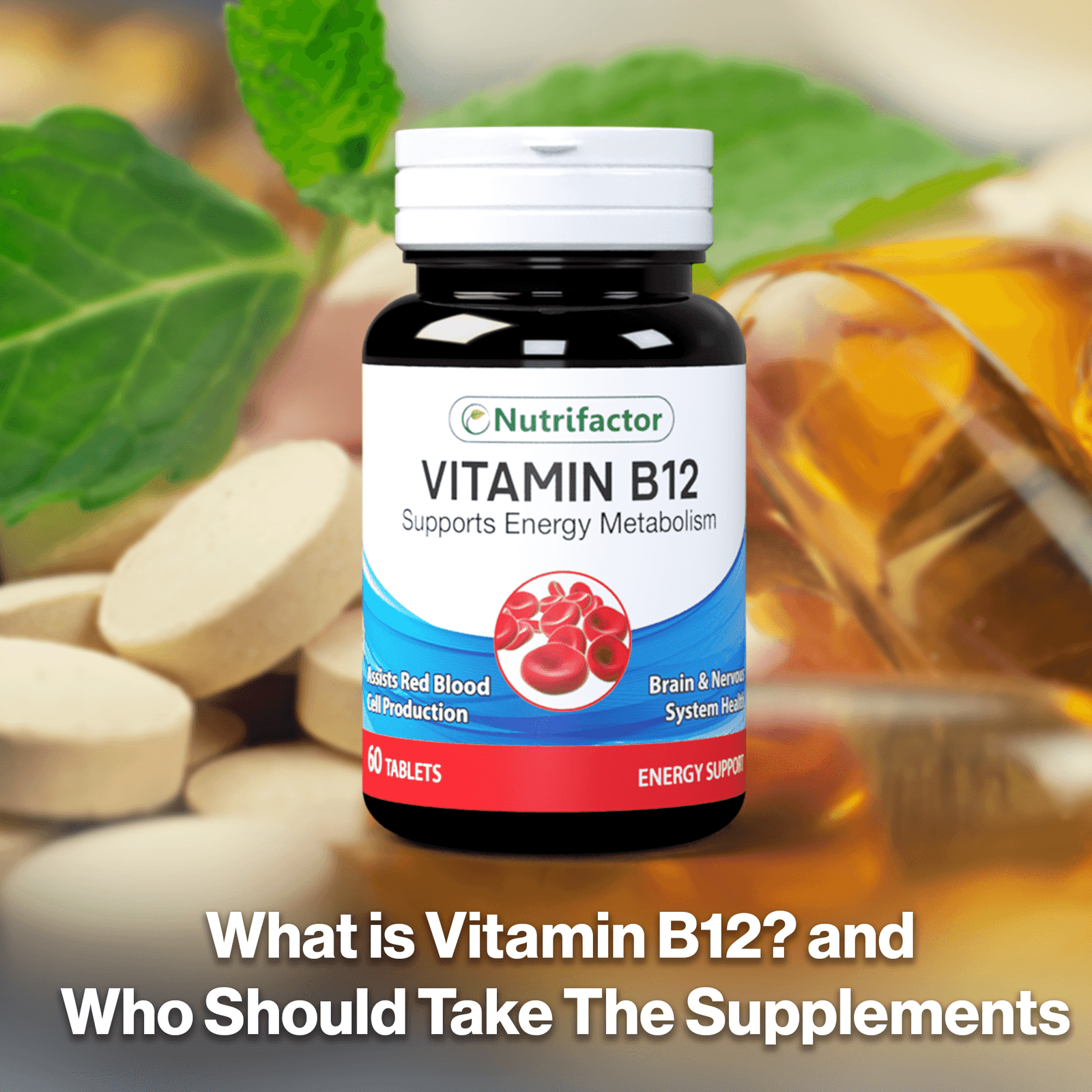
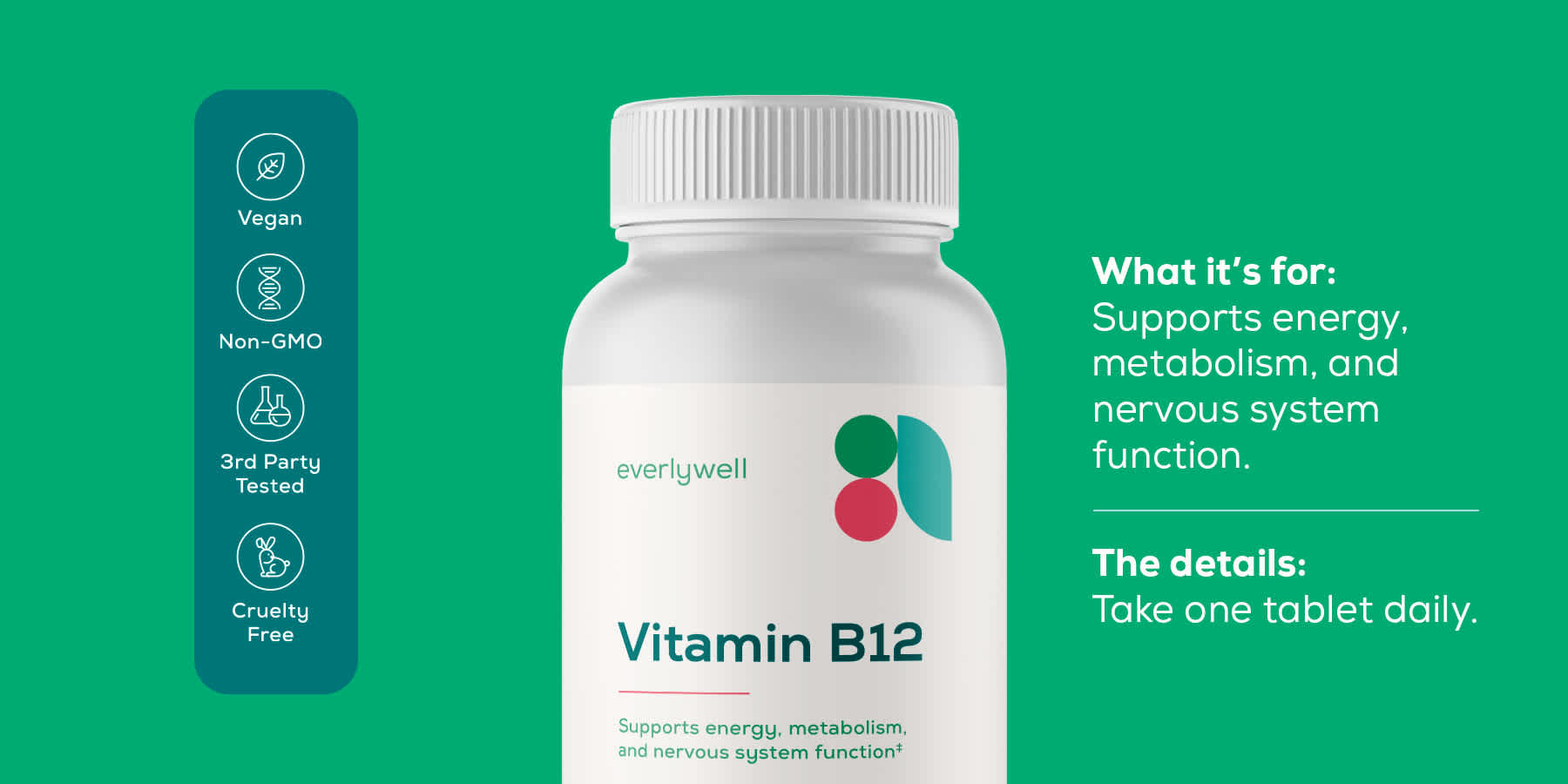
The three best times to take vitamin B12 tablets are early in the morning on an empty stomach, approximately 30 minutes before your first meal, or in the early afternoon if a morning dose is missed. Taking B12 early optimizes absorption and utilizes its energy-boosting properties without disrupting your sleep cycle.
Vitamin B12, also known as cobalamin, is a vital water-soluble nutrient essential for neurological function, red blood cell formation, and DNA synthesis. Unlike fat-soluble vitamins, which require dietary fats for transport, B12 relies on a complex absorption process involving stomach acid and a protein called intrinsic factor. As we navigate the health landscape of 2026, understanding the nuances of supplementation timing is critical for maximizing the efficacy of this essential nutrient.
The Biological Significance of Vitamin B12
To appreciate why timing matters, one must understand how the body processes vitamin B12. It is unique among vitamins because its absorption is highly regulated and limited by the availability of intrinsic factor, a glycoprotein produced by the parietal cells of the stomach lining.
In a natural food state (such as in beef, eggs, or dairy), B12 is bound to proteins. Stomach acid and enzymes must first unbind the vitamin before it can pair with intrinsic factor in the small intestine for absorption. Supplement tablets, however, usually contain B12 in its "free" form, making it easier to absorb for those with low stomach acid. However, the capacity of the small intestine to absorb B12 at any one time is limited—typically only about 1.5 to 2 micrograms per dose via active transport. Anything beyond that is absorbed through passive diffusion, which is significantly less efficient.
1. Early Morning on an Empty Stomach
The consensus among nutritional scientists in 2026 remains that the absolute best time to take vitamin B12 is first thing in the morning on an empty stomach. Because B12 is a water-soluble vitamin, it does not require food to be broken down or absorbed.
Why the Empty Stomach Matters
When you take B12 without food, there is no competition from other nutrients or bulk material in the digestive tract. Food can sometimes trigger a rise in pH levels or introduce compounds like phytates or fibers that might slightly interfere with the transition of the vitamin through the stomach into the ileum (the lower part of the small intestine). By taking the tablet with a full glass of water upon waking, you ensure that the vitamin reaches the absorption sites in the small intestine as quickly as possible.
The Energy Connection
Vitamin B12 plays a central role in the metabolism of every cell in the human body. It is a cofactor in the synthesis of fatty acids and energy production. Many users report a subtle "lift" in energy levels after supplementation. Taking it in the morning aligns this metabolic boost with your body’s natural circadian rhythms. As cortisol levels naturally rise in the morning to prepare you for the day, B12 supports the cellular machinery needed to convert food into fuel later in the morning.
2. Thirty Minutes Before Breakfast
If taking a supplement immediately upon waking is uncomfortable, the second-best window is roughly 30 minutes before eating breakfast. This "buffer zone" allows the tablet to begin dissolving and the B12 to enter the duodenum before the digestive system becomes occupied with complex macronutrients like proteins and fats.
Avoiding Nutrient Competition
While B12 is generally robust, taking it alongside certain other supplements can be counterproductive. For instance, high doses of Vitamin C (ascorbic acid) taken at the exact same time as B12 can potentially degrade the B12 molecule in the digestive tract. By taking your B12 tablet 30 minutes before your meal and other supplements, you minimize the risk of this chemical interaction, ensuring you get the full potency of the dose.
Synergistic Effects with B-Complex
For those taking a full B-complex supplement that includes B12, the pre-breakfast timing is still ideal. Most B vitamins are involved in energy metabolism. Taking them before food prepares the metabolic pathways to handle the glucose and amino acids that will arrive once you eat.
3. Early Afternoon (The "Slump" Prevention)
For individuals who forget their morning dose or prefer a split-dose regimen, the early afternoon is a viable third option. Specifically, taking B12 between 1:00 PM and 2:00 PM can be effective.
Managing the Afternoon Energy Dip
Many people experience a dip in alertness and cognitive function in the mid-afternoon. While B12 is not a stimulant like caffeine, its role in red blood cell production—which carries oxygen to the brain—makes it a foundational component of mental clarity. An afternoon dose can support ongoing cellular energy requirements.
Why You Should Avoid Late Night Dosing
A critical caveat to B12 timing is the evening. Because of its role in energy metabolism and its potential effect on the neurological system, some people find that taking B12 late in the evening or right before bed leads to overstimulation. This can manifest as difficulty falling asleep, vivid dreams, or a "wired" sensation. To maintain healthy sleep hygiene, it is generally recommended to complete B12 supplementation at least six to eight hours before your intended sleep time.
Who Benefits Most from Vitamin B12 Tablets?
While B12 is necessary for everyone, specific populations are at a significantly higher risk of deficiency due to diet, age, or underlying medical conditions. In 2026, clinical guidelines place a heavy emphasis on proactive screening for the following groups.
Vegans and Strict Vegetarians
Vitamin B12 is naturally found almost exclusively in animal products. While some fermented foods or algae may contain B12 analogues, these are often not bioavailable to humans. Therefore, individuals following a plant-based diet are the primary candidates for B12 tablets. Without supplementation, vegans frequently develop a deficiency over several years as the body's liver stores (which can last 3–5 years) are eventually depleted.
Adults Over the Age of 50
As humans age, the stomach’s ability to produce hydrochloric acid often diminishes—a condition known as atrophic gastritis. This acid is necessary to liberate B12 from the proteins in food. Additionally, the production of intrinsic factor often declines with age. For this demographic, B12 tablets (especially sublingual versions) are highly beneficial because they provide the vitamin in a free form that is more easily absorbed regardless of stomach acid levels.
Individuals with Gastrointestinal Disorders
Conditions that affect the stomach or small intestine can severely hamper B12 absorption. These include:
- Celiac Disease: Inflammation in the small intestine can damage the areas responsible for B12 uptake.
- Crohn’s Disease: Specifically when it affects the terminal ileum, where B12 is absorbed.
- Pernicious Anemia: An autoimmune condition where the body attacks the parietal cells that produce intrinsic factor, making oral absorption of high-dose tablets or injections a necessity.
People Taking Specific Medications
Several common medications are known to interfere with B12 levels.
- Metformin: Often prescribed for Type 2 diabetes, this drug can reduce B12 absorption by affecting calcium-dependent membrane uptake in the ileum.
- Proton Pump Inhibitors (PPIs) and H2 Blockers: Medications used for acid reflux (like omeprazole or ranitidine) suppress stomach acid, which is required to release B12 from food.
- Nitrous Oxide: Frequent exposure to "laughing gas," whether in a dental setting or elsewhere, can inactivate the B12 already present in the body.
Comparing B12 Supplement Types
The form of B12 you choose can influence how you respond to the timing of your dose. There are two primary forms found in tablets: Cyanocobalamin and Methylcobalamin.
| Feature | Cyanocobalamin | Methylcobalamin |
|---|---|---|
| Source | Synthetic (highly stable) | Naturally occurring (active form) |
| Cost | Generally lower | Higher |
| Retention | Good, but must be converted by the body | High; stays in tissues longer |
| Best For | General supplementation and cost-efficiency | People with MTHFR mutations or kidney issues |
| Recommended Timing | Morning (Empty Stomach) | Morning (Empty Stomach) |
Oral vs. Sublingual Tablets
Oral tablets are swallowed and processed through the entire digestive tract. Sublingual tablets are dissolved under the tongue. The benefit of sublingual B12 is that it allows some of the vitamin to be absorbed directly into the bloodstream through the mucous membranes of the mouth, bypassing the need for intrinsic factor in the stomach to some degree. For those with severe absorption issues, sublingual tablets are often preferred and should still be taken in the morning for best results.
Potential Side Effects and Safety Considerations
Vitamin B12 has a remarkably high safety profile. Because it is water-soluble, the body typically excretes any excess through urine. There is no established Tolerable Upper Intake Level (UL) for B12, as the risk of toxicity is extremely low even at high doses.
However, some individuals may experience:
- Mild Diarrhea: Occasionally reported with very high oral doses.
- Skin Rash or Acne: In rare cases, high-dose B12 can alter the skin's bacterial metabolism, leading to breakouts.
- Interactions: As mentioned, avoid taking B12 at the exact same moment as high-dose Vitamin C or chloramphenicol (an antibiotic).
Always consult with a healthcare provider before starting a high-dose regimen, especially if you have pre-existing conditions like Leber's disease (a hereditary eye condition) or polycythemia vera.
Frequently Asked Questions
Can I take Vitamin B12 with coffee?
It is best to wait at least 15 to 30 minutes after taking your B12 tablet before drinking coffee. The caffeine in coffee acts as a diuretic, which may speed up the passage of the vitamin through your system, and the acidity of coffee could theoretically interfere with the absorption process if taken simultaneously.
How long does it take for B12 tablets to work?
If you are deficient, you may begin to feel an improvement in energy and mental clarity within 2 to 3 weeks of consistent daily supplementation. However, if your levels are already within the normal range, you might not feel a "rush" or immediate change, as the supplement is simply maintaining your body's stores.
Is it better to take B12 once a day or split the dose?
Because the body can only absorb a small amount of B12 at a time through active transport, some practitioners suggest splitting a high-dose tablet into two smaller doses (one in the morning, one at noon). However, for most people, a single daily dose in the morning is sufficient and much easier for maintaining consistency.
Can B12 tablets replace injections?
For many people, including those with mild absorption issues or dietary restrictions, high-dose oral tablets (1,000 mcg or higher) can be just as effective as injections. This is because a small percentage (about 1%) of the dose is absorbed through passive diffusion even without intrinsic factor. Those with severe pernicious anemia should follow their doctor’s specific advice regarding injections vs. tablets.
Does Vitamin B12 cause weight gain?
There is no evidence that Vitamin B12 causes weight gain. In fact, because it is essential for a healthy metabolism, maintaining adequate B12 levels may support weight management efforts by ensuring you have the energy to remain active.
Final Recommendation
To achieve the best results from your Vitamin B12 tablets in 2026, prioritize taking your supplement early in the morning on an empty stomach with water. This timing maximizes the biological window for absorption and aligns the vitamin's energy-supporting properties with your daily activity. If you fall into a high-risk category—such as being over 50, following a vegan diet, or taking Metformin—consistency is more important than the specific minute you take it. Establish a routine that ensures you never miss a dose, and monitor your blood levels annually to ensure your supplementation strategy is effective.