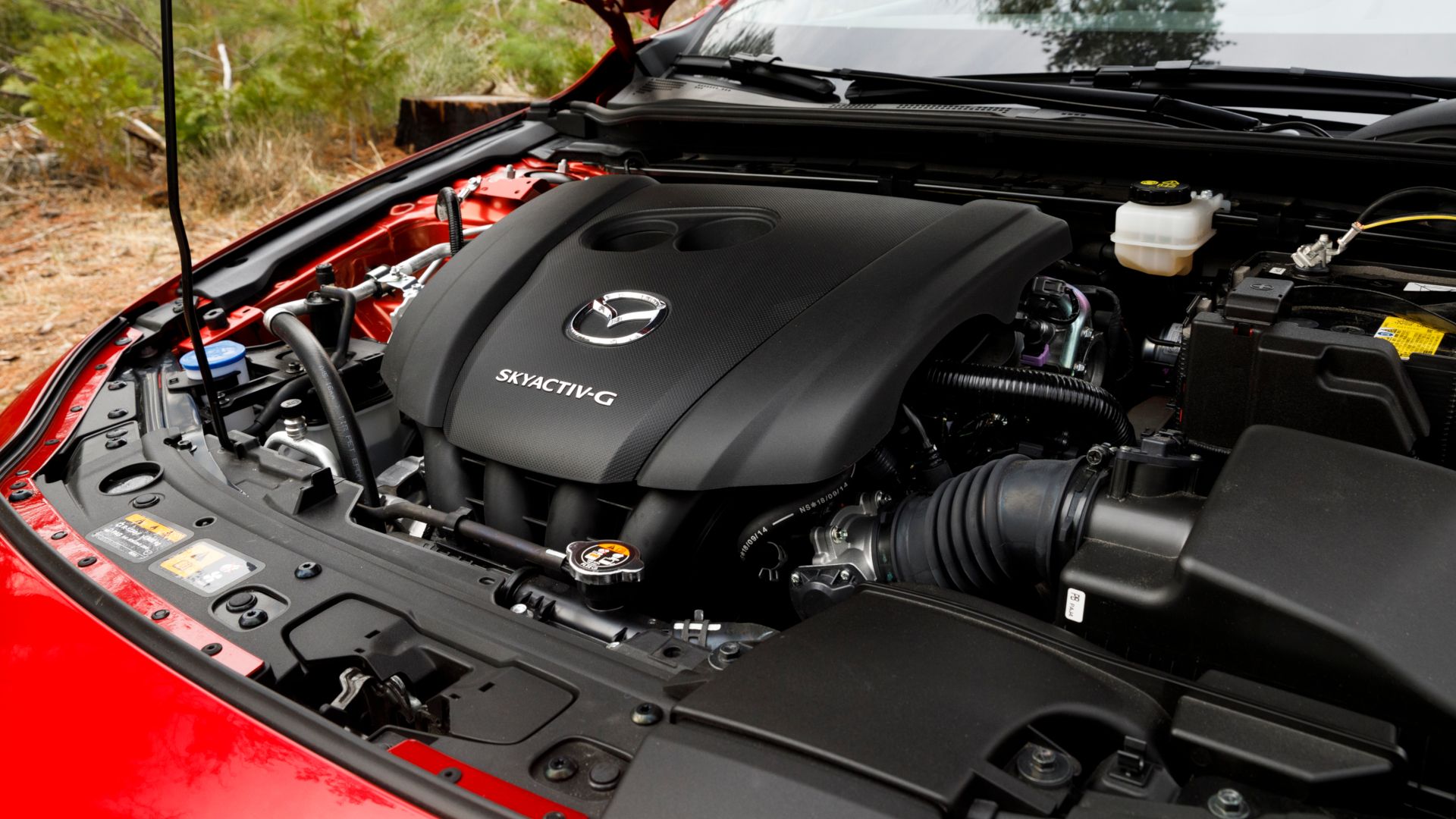
The 2024 Mazda 6 equipped with the 2.5L Dynamic Pressure Turbo engine produces a maximum output of 250 horsepower when using 93-octane premium gasoline, or 227 horsepower when utilizing 87-octane regular fuel. This variation in output is governed by the engine’s sophisticated electronic control unit, which dynamically adjusts ignition timing and boost pressure to maintain engine longevity and performance depending on the fuel chemistry detected.
The Engineering Foundations of the Mazda Skyactiv-G 2.5T
To understand the horsepower figures of the 2024 Mazda 6, one must first look at the unique architecture of the Skyactiv-G 2.5T engine. Unlike many manufacturers who rely on massive turbochargers that suffer from "turbo lag," Mazda engineered a dynamic pressure turbocharger system. The core design philosophy centers on a small, high-velocity exhaust intake path that mimics a twin-scroll design without the added weight or complexity.
At low engine speeds, the exhaust gases are forced through a smaller nozzle, which increases their velocity and spins the turbocharger turbine quickly. This results in nearly instantaneous torque delivery, making the car feel responsive during city driving. As engine speeds increase, a secondary valve opens to allow more exhaust volume to flow, ensuring the turbo maintains efficiency at higher RPMs. This mechanical sophistication is the foundation that allows the 2.5L four-cylinder engine to punch above its weight class, producing a substantial 320 lb-ft of torque at 2,500 RPM.
Fuel Sensitivity: Why Octane Ratings Matter
The disparity in horsepower—227 hp versus 250 hp—is a direct result of the engine's anti-knock control strategy. High-performance turbocharged engines rely on precise combustion timing. When an air-fuel mixture is compressed inside the cylinder, it can spontaneously ignite prematurely (known as pre-ignition or "knocking") if the fuel’s octane rating is too low. Knocking is destructive to engine components, particularly in high-compression or boosted environments.
When the vehicle’s knock sensors detect 87-octane fuel, the engine management system automatically retards the ignition timing. This prevents the internal pressure from reaching levels that would cause premature detonation. The byproduct of this safety measure is a lower total peak power output. Conversely, when 93-octane premium fuel is detected, the engine computer can safely advance the ignition timing to the optimal degree, allowing for higher cylinder pressures and, consequently, the full 250-horsepower output.
Torque vs. Horsepower: The Real-World Driving Experience
While enthusiasts often fixate on the "250 horsepower" figure, the driving experience of the 2024 Mazda 6 is defined more by its torque curve. Because the peak torque of 320 lb-ft is available at just 2,500 RPM, the car provides a sense of effortless acceleration that feels different from naturally aspirated engines.
In everyday driving, you are rarely operating at the peak horsepower range (which typically occurs at 5,000 RPM). Instead, the car spends the majority of its time in the mid-range, where the turbocharger provides significant mechanical advantage. This makes the Mazda 6 an exceptionally capable highway cruiser and a confident performer during passing maneuvers. Owners who primarily commute on surface streets or highways rarely experience the "missing" 23 horsepower, as the torque remains identical regardless of the fuel used.
Comparative Performance Analysis
Understanding where the Mazda 6 fits into the midsize sedan market requires a look at how this turbocharged power delivery translates to performance metrics.
| Feature | 87 Octane Regular | 93 Octane Premium |
|---|---|---|
| Peak Horsepower | 227 hp | 250 hp |
| Peak Torque | 320 lb-ft | 320 lb-ft |
| Primary Benefit | Lower fuel costs | Maximum peak power |
| Best Usage | Daily commuting | Sporty driving / Towing |
| Engine Management | Retarded timing | Optimized timing |
As shown in the table, the torque figure remains constant regardless of the fuel grade. This is critical for drivers to understand: the 87-octane fuel does not make the car "slow" in stop-and-go traffic; it only affects the absolute maximum output available at the very top of the tachometer.
Operational Limitations and Recommendations
It is a common misconception that failing to use premium fuel will cause long-term mechanical damage to the 2024 Mazda 6. Mazda’s engineering team explicitly designed the engine to operate on 87-octane regular gasoline. The vehicle's onboard computer is designed to handle this fluctuation indefinitely. You are not "hurting" the car by using 87-octane fuel, provided it meets the manufacturer’s minimum specifications (typically 87 AKI).
However, there are specific scenarios where premium fuel is highly recommended:
- High Ambient Temperatures: On very hot days, the air density is lower, and the engine is more prone to heat soak. Using premium fuel provides a safety buffer that helps maintain consistent power delivery.
- Heavy Load Conditions: If you are driving with a full complement of passengers and cargo, or driving in mountainous terrain, the engine is under higher consistent load. Using premium fuel allows for optimal timing management, keeping the engine running cooler and more efficiently under these demands.
- Spirited Driving: If you intend to use the manual shift mode and operate the engine in the higher RPM ranges, you will benefit from the additional 23 horsepower.
Common Misconceptions Regarding Turbocharged Engines
A recurring myth in automotive circles is that turbocharged engines require high-end synthetic oils or frequent oil changes to maintain their horsepower rating. While synthetic oil is recommended for the 2.5L Skyactiv-G engine, the horsepower output itself is not a function of the oil quality, provided the oil meets the manufacturer's specified viscosity (usually 5W-30).
Another myth is that turbochargers "wear out" quickly. The turbocharger in the 2024 Mazda 6 is integrated directly into the cylinder head, a design choice aimed at reducing heat loss and improving efficiency. This integrated design also contributes to the longevity of the unit, as it simplifies the cooling system. As long as the owner adheres to the maintenance intervals specified in the owner’s manual, the turbocharger is designed to last the life of the vehicle.
Frequently Asked Questions
Does the 2024 Mazda 6 feel significantly different with 87 vs 93 octane? In daily driving, the difference is negligible. Because the torque output remains identical, the "seat-of-the-pants" feeling of acceleration during normal traffic maneuvers remains the same. You would only perceive the difference during wide-open-throttle acceleration at high RPMs.
Is it safe to switch back and forth between fuel types? Yes, the engine management system is fully adaptive. You can switch between 87 and 93 octane fuels without any manual adjustments. The computer will sense the fuel's properties within a few miles of driving and adjust the timing maps accordingly.
Does using regular fuel decrease my fuel economy? Generally, no. In some cases, because the engine has to pull timing to prevent knocking with lower-octane fuel, there may be an imperceptible change in thermal efficiency, but it is not significant enough to justify the price jump of premium fuel solely for economy purposes.
Can I use E85 or high-ethanol blends? No. The engine is calibrated for standard gasoline (up to 15% ethanol, or E15). Using E85 or other high-ethanol fuels will result in engine performance issues and potential damage to the fuel system components.
Why did Mazda choose to limit the horsepower on regular fuel? Mazda prioritized real-world flexibility. By allowing the engine to run on 87 octane, they made the car more accessible to a broader range of drivers who do not want to pay for premium gas, while still offering the 250-horsepower output for those who prioritize performance and are willing to pay for higher-octane fuel.
Final Next Steps for Owners
To get the most out of your 2024 Mazda 6's turbocharged performance, monitor your driving habits over a few tanks of fuel. If you find that your typical route involves heavy traffic or urban commuting, sticking to 87-octane fuel will provide the same torque-rich experience at a lower cost. If you live in an area with significant elevation changes, mountainous roads, or if you frequently drive at high highway speeds, testing a few tanks of 93-octane fuel may provide a more consistent and "crisp" feeling under heavy throttle.
Ultimately, the Mazda 6 turbo is a testament to sophisticated engine management. Rather than forcing the owner into a single performance profile, Mazda has provided a versatile system that adapts to your needs and your fuel choices without compromising long-term reliability.