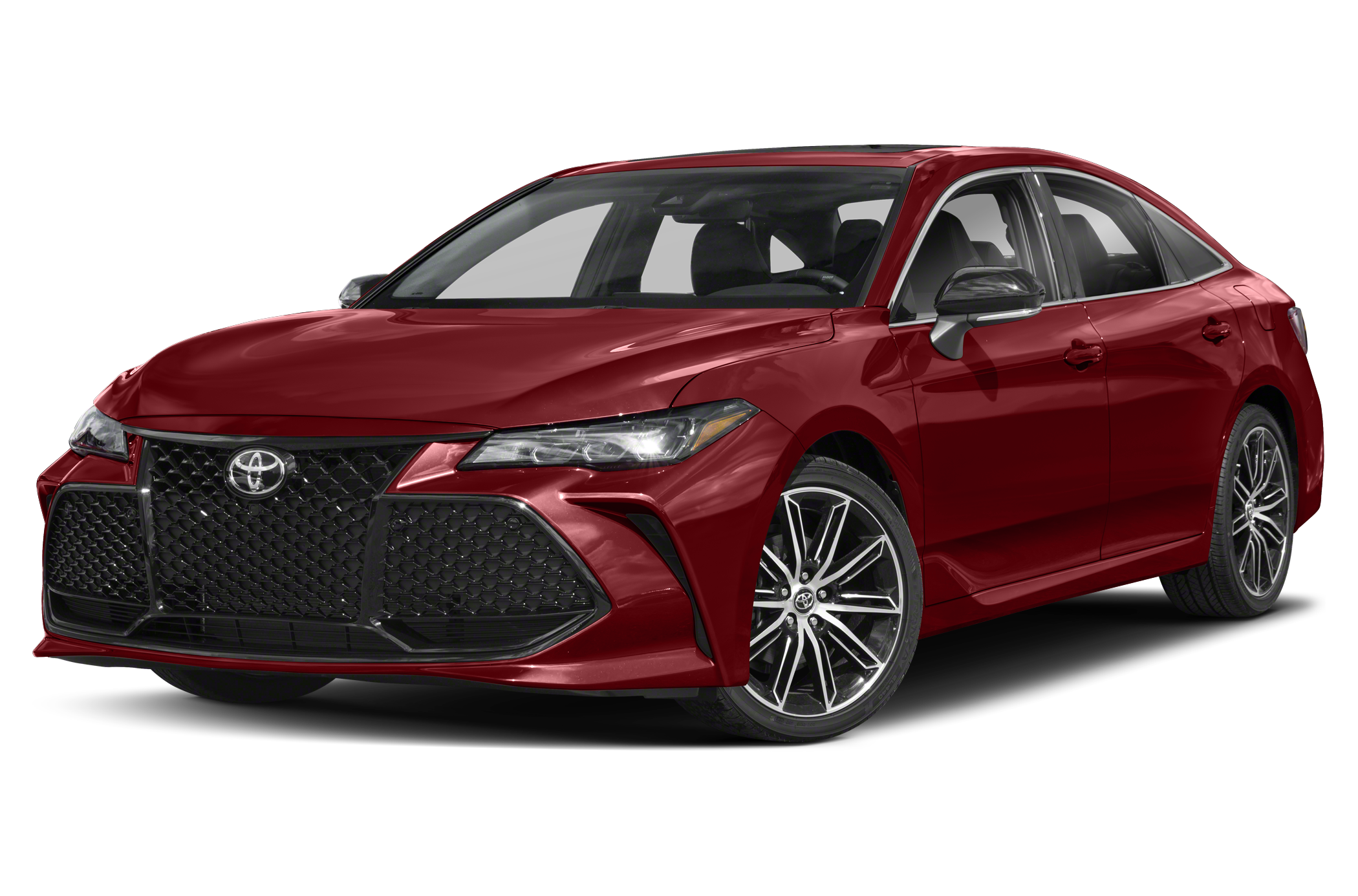
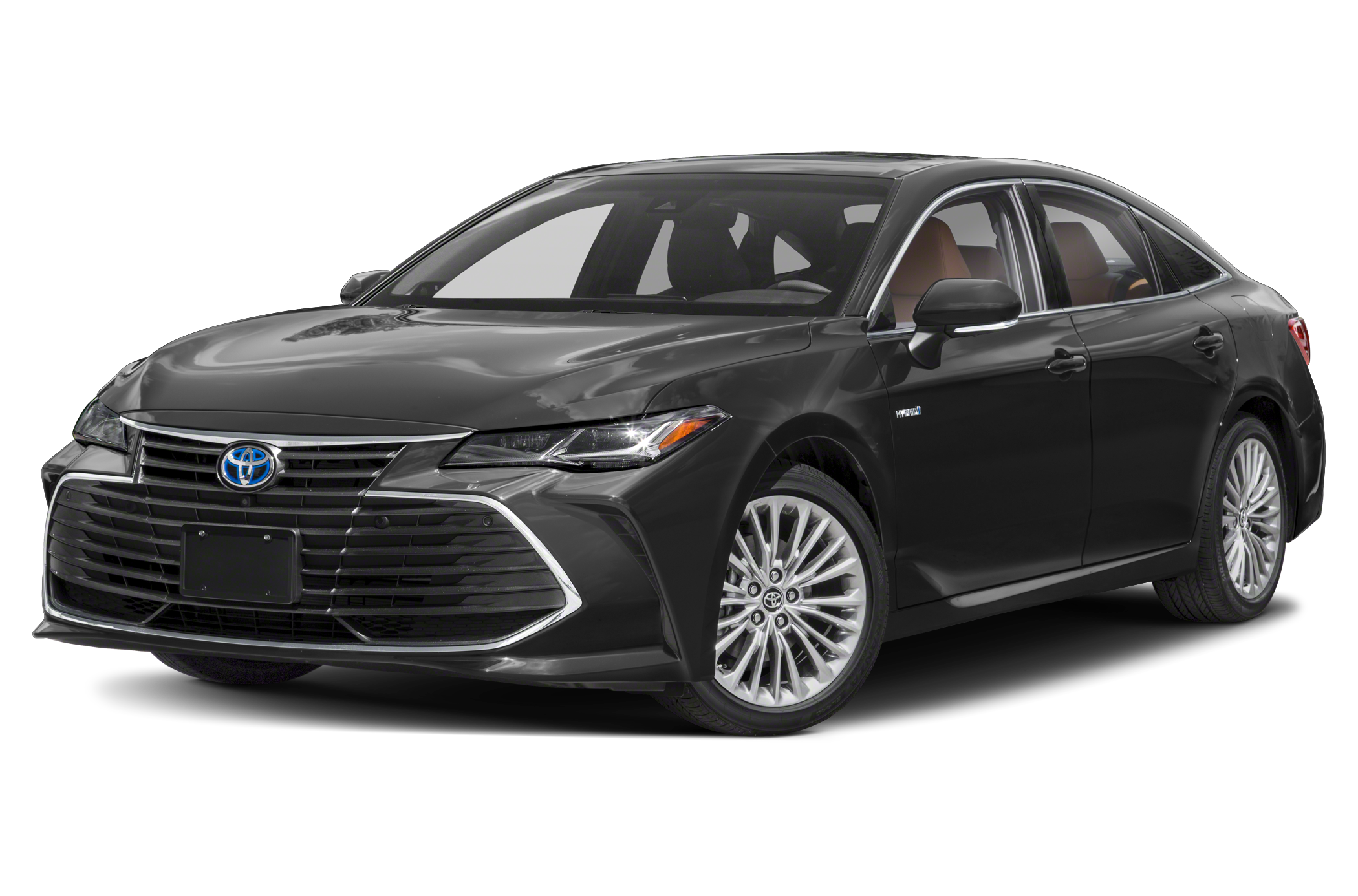
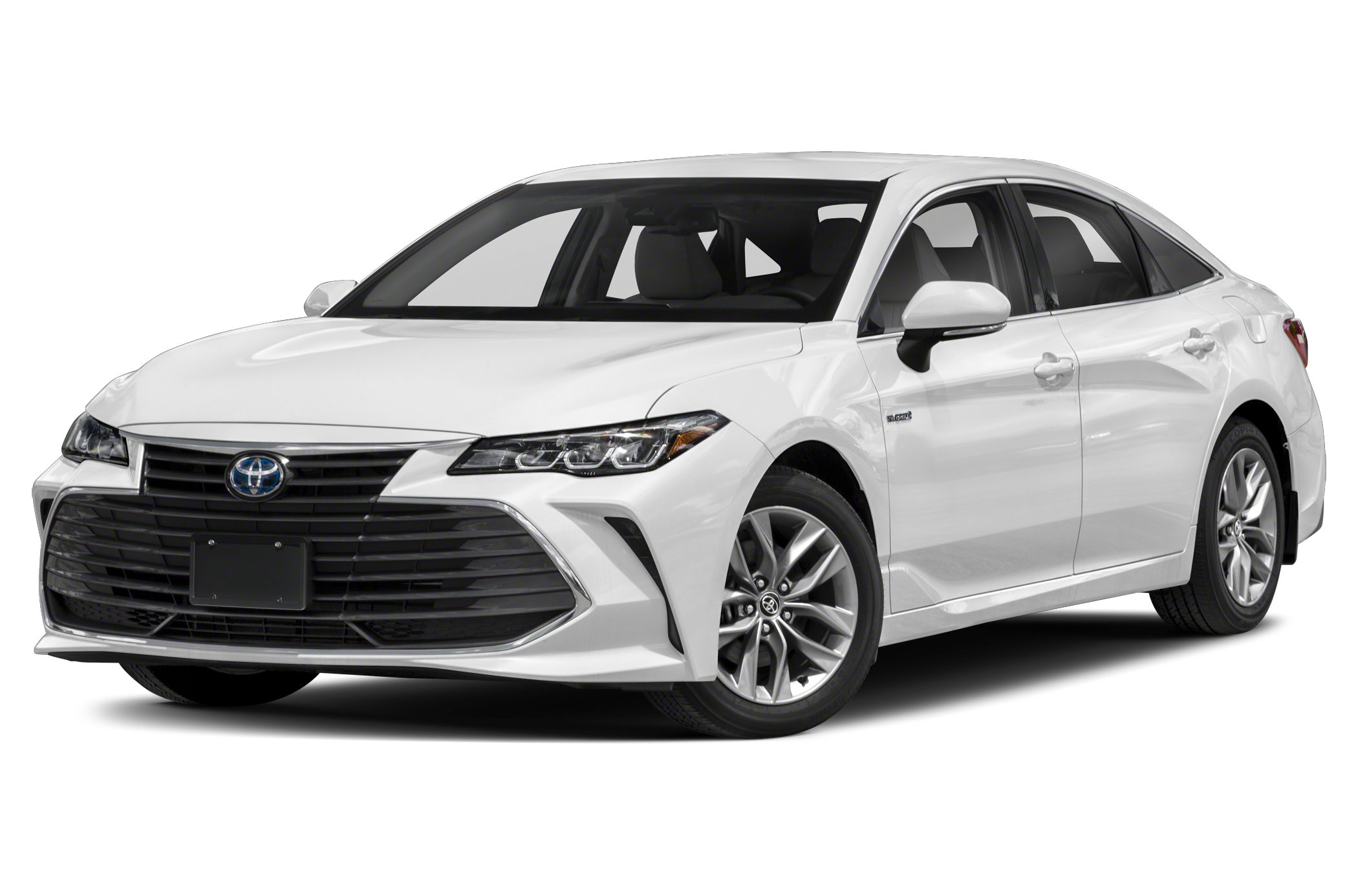
The 2020 Toyota Avalon Hybrid XLE combines a spacious, upscale cabin and a robust ride with an impressive EPA-estimated fuel economy rating of 43 mpg combined, making it a uniquely practical choice in the dwindling full-size sedan segment. It utilizes Toyota's hybrid system synergy to deliver efficient long-distance cruising without sacrificing the interior roominess and comfort expected of a flagship passenger car.
Introduction to the 2020 Toyota Avalon Hybrid XLE
The 2020 model year represents a significant period for Toyota’s flagship sedan lineup. Having undergone a ground-up redesign for the 2019 model year on the TNGA-K (Toyota New Global Architecture) platform, the 2020 Toyota Avalon Hybrid XLE carried forward these architectural improvements while introducing vital technology updates, such as standard Android Auto compatibility, which was absent in the launch year.
As a full-size sedan, the Avalon Hybrid XLE targets buyers who prioritize highway composure, rear-seat legroom, and long-term fuel efficiency over the elevated driving position of crossover SUVs. Positioned as the entry point to the Avalon Hybrid lineup—sitting below the Touring and Limited trims—the XLE trim level balances essential luxury features with a more accessible price point. Understanding what this vehicle offers requires a deep dive into its powertrain, interior dimensions, real-world efficiency, and potential trade-offs.
Powertrain Engineering and Hybrid Performance
At the core of the 2020 Avalon Hybrid XLE is Toyota's fourth-generation Hybrid System II. This powertrain pairs a dynamic 2.5-liter, four-cylinder DOHC engine with an electric motor-generator system, routed through an electronically controlled planetary gear-type continuously variable transmission (ECVT).
Powertrain Specifications
- Engine Type: 2.5-Liter 4-Cylinder DOHC 16-Valve with VVT-iE (intake) and VVT-i (exhaust)
- Net Hybrid System Output: 215 horsepower (160 kW)
- Electric Motor: Permanent magnet synchronous motor
- Traction Battery: Nickel-Metal Hydride (Ni-MH) located beneath the rear passenger seat
- Drivetrain: Front-Wheel Drive (FWD)
The synergy between the gasoline engine and the electric motor provides smooth, linear acceleration. While 215 horsepower does not transform the Avalon into a sports sedan, the immediate torque delivery from the electric motor ensures responsive throttle tip-in from a standstill. Drivers can select from four distinct drive modes—EV, Eco, Normal, and Sport—allowing the vehicle to tailor throttle response and steering weight to varying driving preferences. The EV mode permits short-distance, low-speed driving on battery power alone under specific charge and load conditions.
Fuel Economy and Real-World Efficiency
Fuel efficiency is the primary justification for selecting the Hybrid variant over the conventionally powered V6 Avalon. The aerodynamic profile of the Avalon, featuring an active grille shutter and extensive underbody paneling, contributes to a low drag coefficient that aids highway efficiency.
| Metric | EPA Estimate | Real-World Expectancy |
|---|---|---|
| City Fuel Economy | 43 MPG | 40 – 45 MPG (depending on traffic and climate) |
| Highway Fuel Economy | 43 MPG | 41 – 46 MPG (at moderate highway speeds) |
| Combined Fuel Economy | 43 MPG | 42 MPG average |
| Fuel Tank Capacity | 13.2 Gallons | Cruising range exceeding 550 miles |
Achieving optimal efficiency requires an understanding of hybrid driving dynamics. Coasting to decelerate maximizes regenerative braking, which captures kinetic energy and stores it in the Ni-MH battery pack. Cold weather conditions, high-speed highway driving above 75 mph, and heavy climate control usage will naturally reduce real-world MPG figures, though the vehicle remains exceptionally efficient for its physical footprint.
Interior Comfort, Dimensions, and Material Quality
The cabin of the 2020 Avalon Hybrid XLE is characterized by expansive dimensions and an uncluttered dashboard layout. Because the hybrid battery pack is situated beneath the rear seat rather than in the trunk, interior passenger space and cargo capacity are identical to the non-hybrid V6 model.
Passenger Space Specifications
- Head Room (Front/Rear): 37.4 inches / 37.5 inches (without moonroof)
- Leg Room (Front/Rear): 42.1 inches / 40.3 inches
- Passenger Volume: 104.3 cubic feet
- Trunk Cargo Capacity: 16.0 cubic feet
The XLE trim features SofTex-trimmed synthetic leather seats, which offer durability and easy maintenance compared to genuine leather while maintaining a premium tactile feel. Both front seats include multi-way power adjustments and heating. The rear seating area provides limousine-like legroom, easily accommodating adult passengers on long journeys without cramped knees. Sound-deadening materials, acoustic glass windshields, and front side windows contribute to a notably quiet cabin environment, minimizing wind and road noise at highway velocities.
Infotainment, Connectivity, and Technology
Technology integration in the 2020 Avalon Hybrid XLE represents a notable step forward for the model line. It features a 9-inch touchscreen interface mounted centrally on the dash, operating Toyota's Entune 3.0 Audio system.
Key technology features include:
- Smartphone Integration: Apple CarPlay and Android Auto compatibility (standard for the 2020 model year).
- Audio System: 8-speaker audio setup with AM/FM, USB media ports, and auxiliary inputs.
- Connectivity: Connected services including Safety Connect, Wi-Fi Connect powered by Verizon, and Scout GPS Link compatibility.
- Instrumentation: A 7-inch Multi-Information Display (MID) located directly in the instrument cluster between analog-style gauges, providing hybrid energy flow visualization, trip computer metrics, and safety system status.
While the infotainment software layout is functional and responsive, some users note that the interface graphics and menu structures appear utilitarian compared to competing luxury brands. However, the inclusion of native smartphone projection minimizes reliance on the native navigation software.
Safety and Driver Assistance Systems
Toyota prioritizes occupant protection and driver aids by equipping the 2020 Avalon Hybrid XLE with the Toyota Safety Sense 2.5 (TSS 2.5) suite as standard equipment. This comprehensive package functions via a front-facing camera and millimeter-wave radar sensor.
- Pre-Collision System with Pedestrian Detection (PCS w/PD): Designed to detect vehicles, bicyclists, and pedestrians, issuing audio/visual alerts and automatically applying emergency braking if the driver fails to react.
- Dynamic Radar Cruise Control (DRCC): Operates at full speed range, maintaining a preset distance from the vehicle ahead in highway and stop-and-go traffic conditions.
- Lane Departure Alert with Steering Assist (LDA w/SA): Monitors lane markings and provides visual/audible warnings if an unintentional drift occurs, applying corrective steering torque if necessary.
- Lane Tracing Assist (LTA): When dynamic radar cruise control is active, LTA uses lane markers or a preceding vehicle to help keep the sedan centered in its lane.
- Automatic High Beams (AHB): Automatically toggles between high and low beams based on oncoming traffic and preceding vehicle lights.
- Blind Spot Monitor (BSM) with Rear Cross-Traffic Alert (RCTA): Standard equipment that warns of vehicles in adjacent lanes and alerts drivers to cross-traffic when reversing out of parking spaces.
Ride Quality, Handling, and Driving Dynamics
Built on the TNGA-K platform, the 2020 Avalon Hybrid XLE features a multi-link rear suspension and MacPherson strut front suspension. This architecture lowers the vehicle's center of gravity compared to older generations, resulting in stable, predictable handling dynamics.
The suspension tuning leans toward ride comfort, soaking up highway expansion joints, potholes, and road imperfections with composure. Body roll during cornering is well-managed for a large sedan measuring nearly 196 inches in length. Steering weight is light at parking lot speeds and firms up appropriately at highway velocities, though feedback from the road surface is muted due to the electronic power steering calibration. Braking feel, a historical hurdle for hybrid vehicles transitioning between regenerative and friction braking, is smooth and progressive in the 2020 model, lacking the grabby or spongy pedal feedback common in earlier hybrid generations.
Maintenance Requirements and Long-Term Reliability
Hybrid vehicles often raise questions regarding long-term maintenance costs, particularly concerning the traction battery. Toyota has established a strong reputation for hybrid reliability, and the 2020 Avalon Hybrid XLE benefits from this engineering lineage.
Maintenance Considerations
- Standard Service Intervals: Oil changes and tire rotations are required every 10,000 miles or 12 months using 0W-16 synthetic oil.
- Hybrid Cooling Filter: The hybrid battery cooling system features an air filter located near the rear passenger seat that requires periodic inspection and cleaning to prevent dust buildup.
- Brake Wear: Because regenerative braking handles a significant portion of deceleration, brake pad and rotor lifespan is frequently double that of a traditional non-hybrid vehicle.
- Warranty Coverage: Toyota provides a factory hybrid-related component warranty of 8 years or 100,000 miles, and a hybrid battery warranty of 10 years or 150,000 miles (for model year 2020 and newer vehicles in compliance with regulatory standards), offering substantial peace of mind for secondary market buyers.
Comparison: Avalon Hybrid XLE vs. Competitors
The full-size sedan market is specialized, with few direct competitors offering a hybrid powertrain. The primary alternatives include its corporate sibling and traditional American full-size options.
| Feature / Model | 2020 Toyota Avalon Hybrid XLE | 2020 Lexus ES 300h | 2020 Chrysler 300 (V6 FWD) |
|---|---|---|---|
| Powertrain | 2.5L 4-Cylinder Hybrid | 2.5L 4-Cylinder Hybrid | 3.6L V6 Gas Only |
| Horsepower | 215 hp | 215 hp | 292 hp |
| EPA Fuel Economy | 43 City / 43 Hwy | 43 City / 44 Hwy | 19 City / 30 Hwy |
| Rear Legroom | 40.3 inches | 39.2 inches | 40.1 inches |
| Starting Price (New/MSRP) | ~$37,000 | ~$41,500 | ~$30,000 |
While the Lexus ES 300h shares the same foundational platform and powertrain, it commands a higher price tag with elevated interior materials and branding. The Chrysler 300 offers traditional rear-wheel-drive V6 muscle and distinct styling, but falls significantly short on fuel economy compared to the Avalon's hybrid system.
Common Questions Regarding the 2020 Avalon Hybrid XLE
Can the 2020 Avalon Hybrid XLE run on pure electricity?
Yes, the vehicle features an EV Mode button that allows short-distance driving on electric power alone, provided the traction battery is sufficiently charged and vehicle speed remains under approximately 25 mph. Under normal operation, the car automatically blends gasoline and electric power seamlessly.
Does the hybrid battery reduce trunk space?
No. Unlike older hybrid architectures that placed the battery pack inside the trunk, Toyota engineered the TNGA-K platform to position the nickel-metal hydride battery underneath the rear seat bench. As a result, the trunk retains a full 16.0 cubic feet of cargo capacity and includes 60/40 split-folding rear seats.
What kind of fuel does the Avalon Hybrid require?
The 2020 Avalon Hybrid XLE operates efficiently on standard regular unleaded gasoline with an octane rating of 87 or higher. Premium fuel is not required, reducing ongoing operational costs.
Is all-wheel drive available on the 2020 Avalon Hybrid?
No. For the 2020 model year, all Avalon Hybrid variants are strictly configured with front-wheel drive (FWD). Toyota introduced all-wheel drive to the conventional, non-hybrid Avalon lineup for the 2021 model year, but the hybrid powertrain remained front-wheel drive only during this generation.
How durable is the Ni-MH hybrid battery pack?
Toyota's hybrid battery systems have a proven history of longevity, frequently lasting well beyond 150,000 to 200,000 miles without failure. Furthermore, the federal warranty coverage for hybrid batteries on 2020 models spans 10 years or 150,000 miles, mitigating long-term replacement cost concerns.
Final Recommendation and Next Actions
The 2020 Toyota Avalon Hybrid XLE stands out as a pragmatic choice for drivers seeking full-size sedan dimensions, exceptional ride comfort, and high fuel economy without transitioning to an SUV. It serves commuters, frequent road-trippers, and comfort-focused drivers exceptionally well.
When evaluating a used model, verify the maintenance history through dealer service records, check for any open Toyota safety recalls, and perform a pre-purchase inspection focusing on the hybrid cooling system and brake health. For buyers prioritizing low operating costs and expansive interior room, the Avalon Hybrid XLE delivers a balanced ownership proposition.