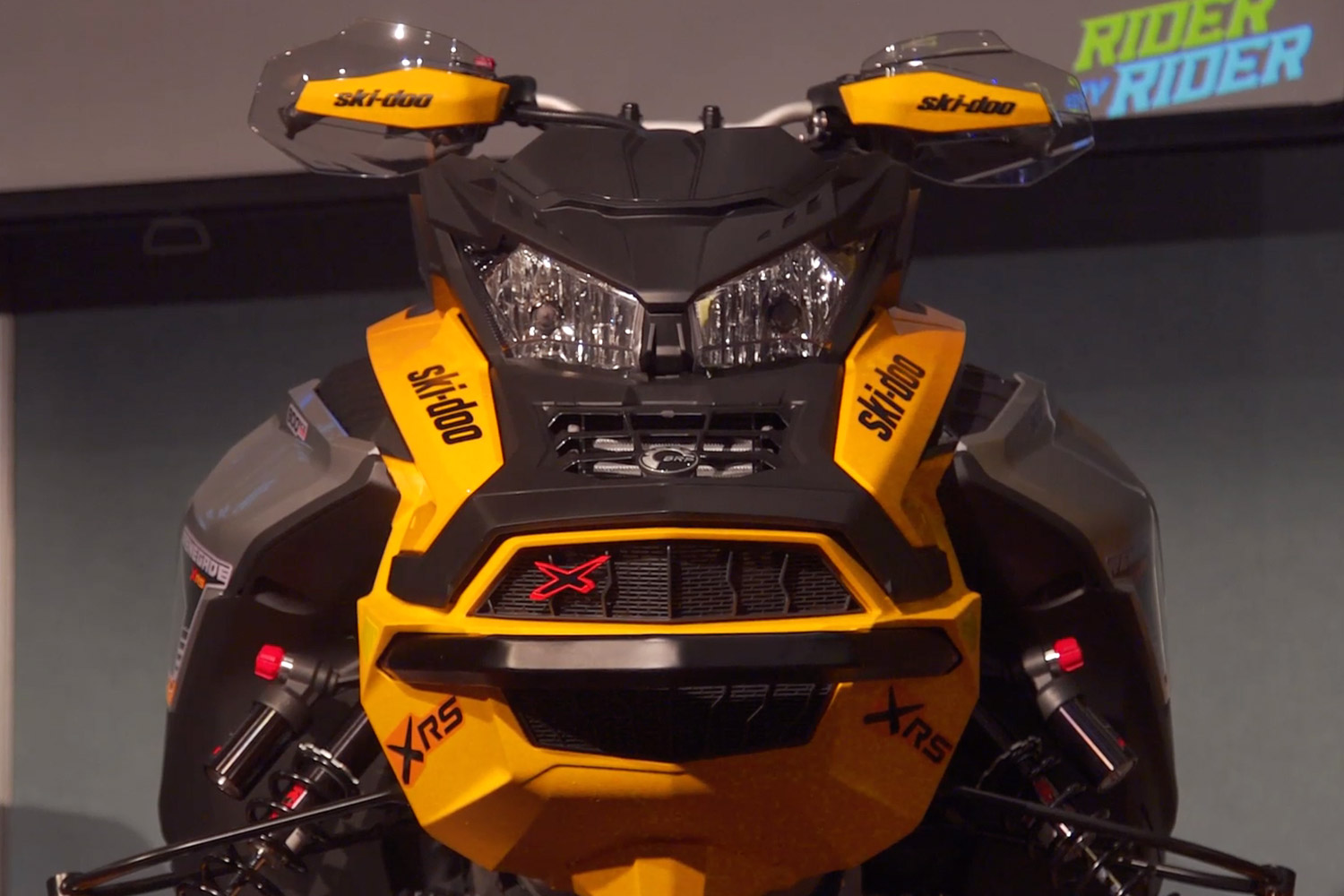
The 2019 Ski-Doo lineup launch represented a pivotal moment for BRP (Bombardier Recreational Products), characterized by the expansion of the revolutionary REV Gen4 platform across a wider segment of their snowmobile offerings. By introducing the 850 E-TEC engine into more chassis configurations and debuting the 900 ACE Turbo engine, the manufacturer solidified its focus on rider-centric ergonomics and precision power delivery.
When BRP unveiled the 2019 fleet, the snowmobile industry was in the midst of a significant technological transition. The primary goal of this launch was to migrate the benefits of the REV Gen4 platform—which had debuted earlier—to a broader range of trail, crossover, and deep-snow machines. For potential buyers, enthusiasts, or those looking to source pre-owned equipment in 2026, understanding this specific lineup is essential for identifying which models possess the refined ergonomics and power-to-weight ratios that define modern Ski-Doo performance.
The REV Gen4 Platform Expansion
The most critical advancement introduced during the 2019 model year was the widespread application of the REV Gen4 chassis. Before this, the Gen4 architecture was limited primarily to high-performance mountain sleds. The 2019 launch changed this by integrating the platform into key trail models.
The REV Gen4 design philosophy centers on the concept of "centralized mass." By narrowing the bodywork and repositioning the engine and rider, the platform allows for a more active riding style. This design enables the rider to move more freely, facilitating aggressive cornering and easier side-hilling. In 2019, this meant that trail riders who had previously been confined to the older XS platform could now access the benefits of the Gen4, including increased footroom and a more tapered seat-tank junction.
Engineering the 900 ACE Turbo Engine
A highlight of the 2019 lineup was the introduction of the Rotax 900 ACE Turbo engine. This was a significant strategic move for Ski-Doo, as it addressed the demand for a reliable, mid-range performance engine that provided the torque of a larger engine without the high maintenance intervals associated with two-stroke powerplants.
The 900 ACE Turbo, rated at approximately 150 horsepower, was engineered to provide instant throttle response through a specialized turbocharger design. BRP focused on minimizing turbo lag, a common complaint in earlier forced-induction production snowmobiles. By integrating the turbo into the exhaust manifold, the engineers successfully reduced the volume of air that needed to be pressurized, allowing for near-instantaneous power application. For the 2019 model year, this engine became the hallmark of the Renegade and Grand Touring series, appealing to riders who prioritized long-distance comfort, engine longevity, and consistent performance across varying altitudes.
Segmentation of the 2019 Fleet
The 2019 lineup was structured to address specific user needs, ranging from deep-powder enthusiasts to long-distance trail cruisers. Understanding these segments is key to evaluating these sleds in the current 2026 market.
1. Mountain Performance (Summit Series)
The Summit models continued to utilize the 850 E-TEC engine. For 2019, the focus was on weight reduction and track profiles. The implementation of the SHOT starter—an ultracapacitor-based starting system that eliminates the need for a heavy battery and starter motor—became more prevalent. This allowed the 2019 Summit to remain exceptionally light, which is crucial for maneuvering in technical backcountry terrain.
2. Trail Performance (MXZ and Renegade)
The MXZ series remained the standard for trail agility. With the Gen4 platform, the 2019 MXZ models saw a drastic improvement in cornering stability. The Renegade series served as the crossover bridge, offering a longer track length for off-trail versatility while maintaining enough poise for high-speed grooming trails.
3. Utility and Touring (Expedition and Grand Touring)
The 2019 launch brought the refinement of the Grand Touring line, emphasizing "Luxury Touring." With the inclusion of the 900 ACE Turbo, these sleds became the gold standard for two-up riding, offering quiet operation, smooth power delivery, and sophisticated suspension setups designed to absorb trail chatter over long distances.
Technical Comparison of Key 2019 Engines
The following table summarizes the primary engine options available during the 2019 lineup launch, providing a reference for those comparing these machines in the secondary market today.
| Engine Model | Induction | Primary Use | Notable Characteristic |
|---|---|---|---|
| Rotax 850 E-TEC | 2-Stroke | Mountain/Performance | High power-to-weight ratio; rapid response |
| Rotax 900 ACE Turbo | 4-Stroke | Touring/Crossover | 150hp; high torque; reliability; low noise |
| Rotax 600R E-TEC | 2-Stroke | Trail/Sport | Optimized fuel efficiency; snappy 125hp output |
| Rotax 900 ACE | 4-Stroke | Utility/Entry-level | Exceptional fuel economy; 90hp; durability |
Ergonomics and Rider Interface
The 2019 launch marked a deliberate shift in how Ski-Doo approached the rider interface. The ergonomics were designed to allow the rider to sit further forward, putting more weight on the skis and improving turn-in capability. The "Ergo-Step" side panels allowed for increased leg movement, preventing the "locked-in" feeling associated with older, wider-chassis snowmobiles.
Furthermore, the 2019 models featured improved gauge clusters and control layouts. The move toward a more centralized kill switch and integrated heated-grip controls on the handlebars simplified operation, allowing riders to make adjustments without moving their hands from the steering assembly. This was a critical human-factors improvement that reduced rider fatigue during long days on the trail.
Considerations for 2026 Buyers
For individuals acquiring a 2019 model in 2026, it is essential to consider the lifespan of the components. While the REV Gen4 and the 900 ACE Turbo are renowned for their longevity, they are mechanical systems that require regular maintenance.
- Suspension Bushings: The Gen4 chassis is sensitive to suspension geometry. After seven years of use, inspect all A-arm bushings for play, which can lead to imprecise steering.
- Turbocharger Integrity: If examining a 900 ACE Turbo, check the intake charge hoses for dry rot or cracks. The turbocharger system should operate without abnormal whining or hesitation.
- E-TEC Injectors: On the 850 E-TEC models, ensure that the fuel system has been properly winterized annually. These high-pressure injectors are precise instruments; stale fuel can lead to performance degradation.
- Electronics: Check the condition of the digital gauge cluster. Over time, internal moisture or vibration can affect the LCD clarity. Ensure all modes and telemetry are toggling correctly.
Frequently Asked Questions
Did the 2019 Ski-Doo lineup launch introduce the first 850 engine? No. The 850 E-TEC was introduced in the 2017 model year. The 2019 launch was significant because it expanded the availability of this engine across more models and integrated it into the refined REV Gen4 chassis, which optimized the engine's power delivery.
Is the 2019 900 ACE Turbo considered reliable for high-mileage riding? Yes. The 900 ACE Turbo is widely considered one of the most reliable engines in the history of the sport. It utilizes a robust four-stroke design that, when maintained with proper oil changes and cooling system flushes, can easily exceed the mileage thresholds of traditional two-stroke engines.
What is the "SHOT" starter system mentioned in the 2019 documentation? The SHOT system is a weight-saving technology that replaces the conventional electric starter and battery. It uses an ultracapacitor to store energy; the rider pull-starts the engine once, and the capacitor holds enough charge to restart the engine electrically for a limited time after a stop.
Can I upgrade a 2019 model with current 2026 parts? Some components, such as certain wear items, tracks, and suspension springs, remain compatible across model years. However, major chassis upgrades or electronic engine management systems are generally not interchangeable between a 2019 model and a current 2026 model due to changes in sensor architecture and frame dimensions.
What should I look for regarding the 2019 chassis frame? When inspecting a used 2019 model, check the aluminum tunnel for signs of stress or deformation, particularly around the rear suspension mounting points. While the Gen4 was robust, excessive aggressive riding or towing can cause fatigue in these areas after years of service.
Final Recommendations
When evaluating the 2019 Ski-Doo lineup in 2026, prioritize the condition of the chassis and the service history of the engine. A well-maintained 2019 model remains highly competitive with modern offerings due to the foundational strength of the REV Gen4 platform. Before finalizing any purchase, request a dealer-verified history report if available, and ensure that any necessary software updates for the engine management system have been applied to the vehicle's electronic control unit.