The phrase "2018 Lilith Fair overview and impact" reflects a common historical misconception or a query regarding anniversary-related retrospectives, as the iconic touring festival originally ran from 1997 through 1999 and briefly returned in 2010, rather than staging a festival in 2018. Understanding the true history of Lilith Fair, its foundational goals, its cultural legacy, and how cultural retrospectives in 2018 shaped its modern memory helps clarify why this festival remains a watershed moment in music history.
Disambiguating the Timeline: Clarifying the 2018 Context
When researchers, music historians, and fans search for information regarding the 2018 Lilith Fair, they are usually looking at a retrospective window rather than an active touring year. The original touring festival, founded by Canadian singer-songwriter Sarah McLachlan, Nettwerk music manager Terry McBride, and booking agent Dan Goldberg, ran from 1997 to 1999. A revival tour attempted a comeback in the summer of 2010, but it was cut short due to sluggish ticket sales and changing economic conditions.
By the year 2018, the festival was celebrating its 21st anniversary since its 1997 inception. This milestone prompted a wave of major retrospective journalism, academic analyses, and cultural retrospectives evaluating how the all-female festival altered the landscape of the male-dominated 1990s alternative rock scene. Because no official Lilith Fair tour took place in 2018, examining the 2018 discourse requires analyzing how media outlets, musicologists, and former performers evaluated the festival's long-term influence two decades after its peak.
Origins and Founding Vision of Lilith Fair
To fully grasp the discussions surrounding Lilith Fair in 2018, one must understand why the festival was created in the first place. During the mid-1990s, commercial radio and major record label executives widely operated under the persistent myth that "women don't want to listen to women, and concert promoters couldn't put two women on the same bill because they would catfight."
Sarah McLachlan shattered this assumption in 1996 when she successfully co-headlined a tour with another female artist. Realizing the immense public appetite for female-driven music, McLachlan partnered with industry professionals to launch Lilith Fair in 1997. Named after Lilith, a mythological figure symbolizing female independence, the festival featured an exclusively female-led or female-fronted lineup.
Core Pillars of the Festival
- Gender Equality on Stage: Providing a dedicated platform for women to showcase their talent without facing systemic industry tokenism.
- Charitable Giving: Donating a portion of every ticket sale to local and national charities, raising millions of dollars for women's shelters, breast cancer research, and environmental causes.
- Community Building: Fostering a collaborative, supportive environment among female artists rather than pitting them against one another in competition.
Examining the Cultural Impact Assessed in 2018
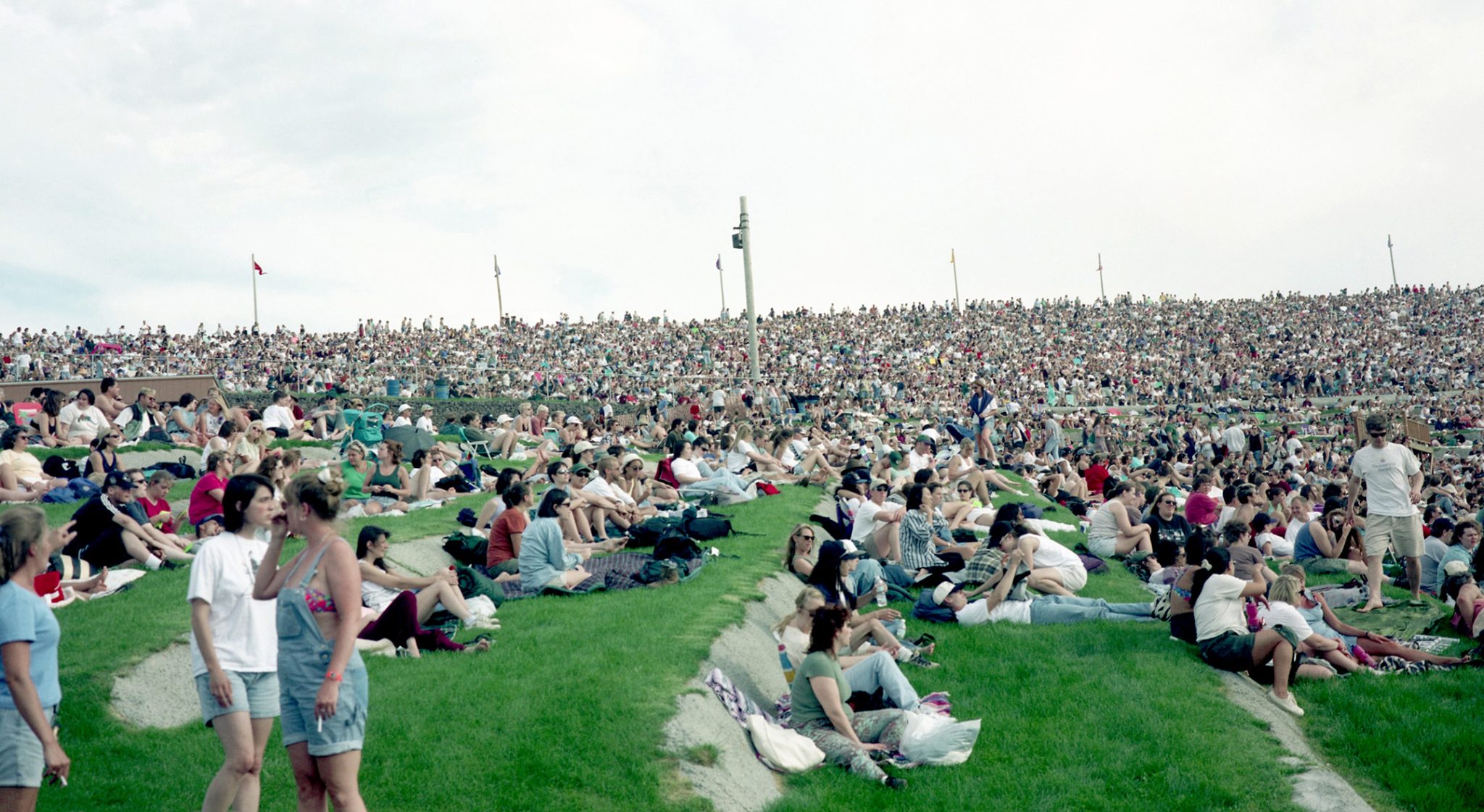
Discussions and retrospectives published around 2018 focused heavily on the enduring footprint Lilith Fair left on the modern music industry. Over its initial three-year run, the festival grossed more than $70 million and drew nearly two million attendees, briefly ranking as one of the most successful touring festivals in North America.
By 2018, cultural critics could look back with a wide-angle lens to measure how the festival transformed the music industry ecosystem. Before Lilith Fair, major festival lineups routinely featured token female representation. Following its success, promoters and record labels realized that lineups celebrating diverse female voices could be commercially lucrative on a massive scale.
Key Metrics of the Original Festival's Scale
| Metric Category | Original Run Data (1997–1999) | 2018 Retrospective Consensus |
|---|---|---|
| Total Gross Revenue | Exceeded $70 Million | Cemented as a financial benchmark for package tours. |
| Total Attendance | Approximately 1.5 to 2 Million | Demonstrated enduring commercial viability for female-led lineups. |
| Charitable Donations | Over $7 Million Distributed | Established a philanthropic model for modern touring artists. |
| Main Stage & Village Stage Artists | Hundreds of Diverse Acts | Launched or elevated careers for alternative, folk, and pop artists. |
Artists Promoted and Elevated by the Movement
One of the most common themes in 2018 analyses of Lilith Fair was its role as an incubator for legendary musical careers. The festival served as a crucial stepping stone or a massive career accelerator for numerous singer-songwriters and bands who would go on to define late-1990s and 2000s radio.
Artists such as Sheryl Crow, Fiona Apple, Erykah Badu, Natalie Merchant, Paula Cole, Missy Elliott, Tracy Chapman, and the Dixie Chicks found an eager, welcoming audience at Lilith Fair. By placing established icons alongside emerging indie acts on daytime side stages, the festival created an ecosystem of mentorship and cross-pollination. In 2018, many of these artists reflected in interviews on how the camaraderie forged on the Lilith buses sustained them through hostile, male-dominated corporate music environments.
Economic and Operational Challenges Analyzed in Retrospect
While retrospectives in 2018 celebrated the cultural triumphs of the festival, they also offered a clear-eyed look at its operational vulnerabilities. These economic realities help explain why the 2010 revival struggled and why a permanent annual institution proved difficult to sustain.
Logistical and Market Pressures
- Oversatuation of the Touring Market: By the late 1990s, summer sheds and outdoor amphitheaters were crowded with competing multi-artist package tours, driving up production costs.
- Shifting Musical Tastes: As the music industry transitioned into the early 2000s, teen pop, nu-metal, and post-grunge rock dominated commercial charts, overshadowing the introspective folk-rock and adult-alternative sounds that anchored Lilith.
- The 2010 Economic Climate: When organizers attempted a comeback in 2010, the global economic recession severely impacted discretionary spending on entertainment, leading to canceled dates and poor ticket sales.
Frequently Asked Questions
Was there an actual Lilith Fair festival in 2018?
No. The original Lilith Fair ran from 1997 to 1999, with a brief, unsuccessful revival attempt in 2010. The year 2018 marked the 21st anniversary of the festival's founding, which generated a significant wave of media retrospectives, academic papers, and cultural commentary analyzing its historical impact.
Who founded Lilith Fair?
Lilith Fair was co-founded in 1997 by Canadian singer-songwriter Sarah McLachlan, music manager Terry McBride of Nettwerk, and booking agent Dan Goldberg. They created the festival to counter industry skepticism regarding the marketability of female musicians.
How much money did Lilith Fair raise for charity?
During its initial 1997–1999 run, Lilith Fair raised and distributed more than $7 million to various local and national charities, including women's shelters, environmental organizations, and breast cancer research foundations.
Why is Lilith Fair considered culturally significant?
The festival proved that all-female lineups could achieve massive commercial success, directly challenging industry gatekeepers who claimed female artists could not successfully tour together. It also provided a vital networking and supportive platform for female musicians during a heavily male-dominated era in rock and alternative music.
Are there plans for a future Lilith Fair revival?
As of 2026, no official plans or dates have been announced by Sarah McLachlan or the original organizing team to stage a new Lilith Fair tour. Discussions regarding the festival remain focused on its historical legacy and its influence on modern gender parity initiatives in the live music industry.
Practical Next Actions and Research Guidance
For researchers, music students, and fans exploring the legacy of Lilith Fair, navigating the historical record requires looking past informal blog posts that occasionally misdate festival anniversaries as active tour years. To conduct accurate research:
- Consult original archival coverage from major music publications spanning 1997 to 1999 for primary source reporting.
- Review retrospective essays published around 2017 and 2018 for comprehensive 20-year and 21-year critical analyses.
- Examine official documentary projects or interviews featuring Sarah McLachlan discussing the founding mechanics and philanthropic impact of the tour.