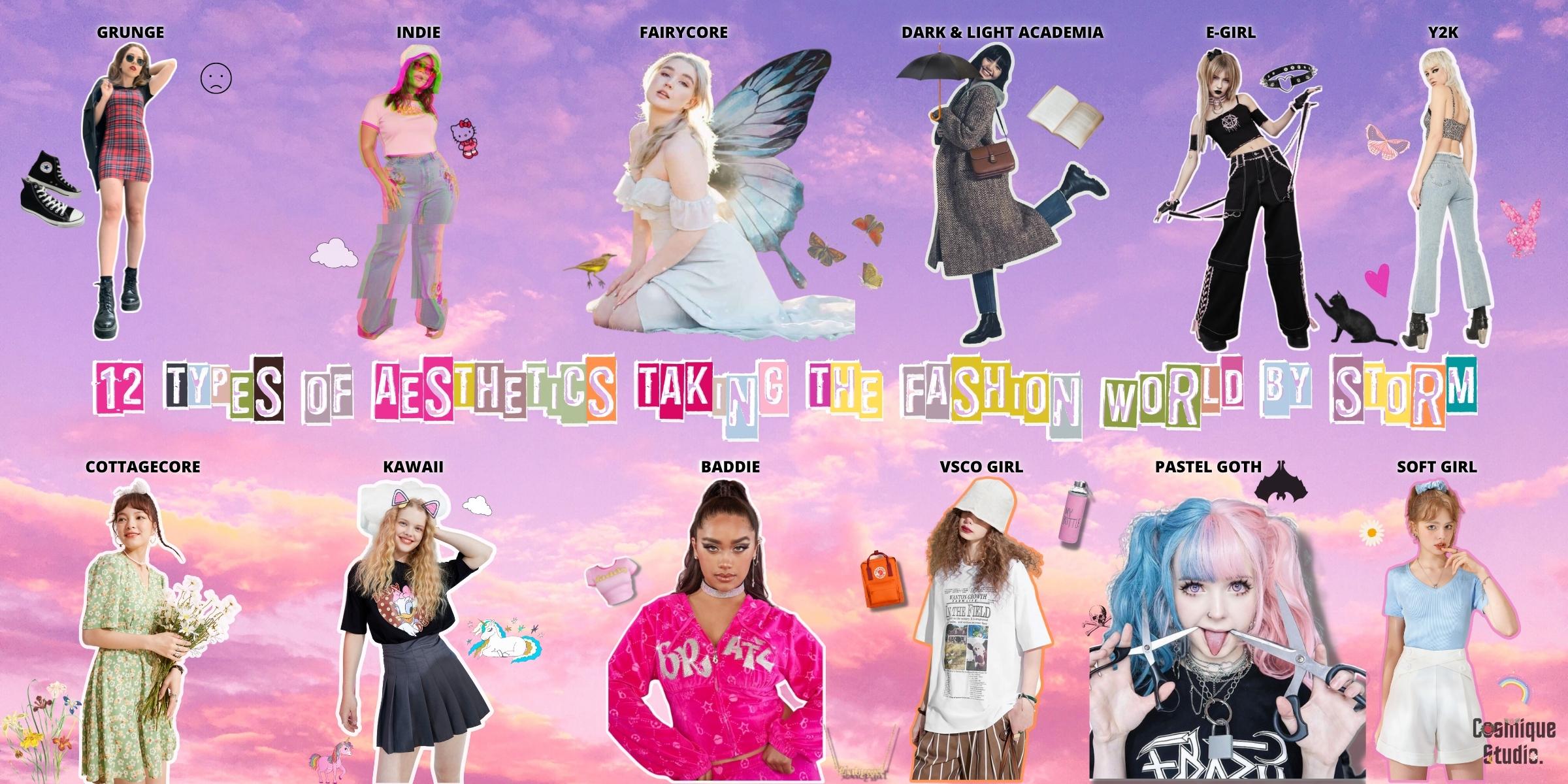
The 2016 fashion aesthetic was a pivotal intersection of high-glam "Instagram Baddie" culture, the peak of minimalist streetwear, and the final evolution of the Tumblr "soft grunge" era. Defined by matte liquid lipsticks, bomber jackets, ripped skinny jeans, and the "Yeezy" neutral palette, it marked the moment social media algorithms began dictating global style trends.
Ten years later, in 2026, we view 2016 as the definitive "mid-teens" look—a period where fashion transitioned from the DIY spirit of early social media into the hyper-curated, brand-heavy landscape we recognize today. To understand the 2016 aesthetic is to understand the birth of the modern influencer and the commercialization of digital subcultures. This era didn't just change what we wore; it changed how we consumed fashion, moving the needle from runway-led trends to feed-led viral moments.
The Pillars of the 2016 Aesthetic
The year 2016 did not have a single uniform; rather, it was a collection of distinct "vibes" that often overlapped. Whether you were scrolling through Pinterest, Tumblr, or a fledgling Instagram feed, your wardrobe was likely influenced by one of three major movements: the "Baddie," the "Hypebeast," or the "Soft Grunge" enthusiast.
The "Instagram Baddie" and the King Kylie Influence
Perhaps the most dominant force in 2016 was the "Baddie" aesthetic. Heavily influenced by Kylie Jenner’s style transformation and the "King Kylie" era, this look prioritized a specific silhouette: an hourglass figure emphasized by tight-fitting garments.
Key elements included:
- Lace-up everything: From bodysuits to sweaters and even heels, the "lace-up" detail was the hallmark of 2016 femininity.
- Satin and Velvet: These fabrics were ubiquitous, particularly in the form of slip dresses worn over white T-shirts or oversized bomber jackets.
- Matching Sets: Co-ords, often in ribbed knit or jersey fabric, allowed for a streamlined, put-together look that looked perfect in a square-crop photo.
- Athleisure Integration: This wasn't just gym wear; it was "glam-leisure." Think Adidas track pants paired with fishnet stockings and pointed-toe heels.
The Rise of Hypebeast Minimalism
Simultaneously, 2016 was the year streetwear officially infiltrated the mainstream luxury market. Influenced heavily by Kanye West’s "Yeezy Season" collections, fashion took a turn toward the utilitarian and the oversized.
The color palette was strictly muted—think "sand," "olive," "dusty rose," and "charcoal." This was a reaction against the bright neons of the early 2010s. The silhouette was top-heavy: massive, draped hoodies worn with distressed, ultra-skinny jeans. This was the year the "Fear of God" aesthetic peaked, characterized by flannel shirts tied around the waist and longline tees that peeked out from under shorter sweatshirts.
The Fading Echoes of Soft Grunge
While the "Baddie" was ascending, the Tumblr "soft grunge" aesthetic was reaching its most polished form before being replaced by "VSCO girls" a few years later. In 2016, this looked like:
- Tennis Skirts: Specifically white or black pleated American Apparel skirts.
- Grid Prints: Grid-patterned shirts and trousers were the "pattern of the year."
- Chokers: Whether they were plastic tattoo styles or thick velvet bands with a single charm, a choker was the non-negotiable accessory.
- Denim Jackets: Often oversized and covered in enamel pins or iron-on patches, reflecting a desire for "curated" personalization.
Key Wardrobe Staples: The 2016 Checklist
To recreate or analyze the 2016 look accurately, one must look at the specific items that achieved "viral" status. These weren't just clothes; they were cultural markers.
The Bomber Jacket
If 2016 had a national uniform, it was the MA-1 flight jacket. Originally a military staple, it was popularized by brands like Alpha Industries and then replicated by every fast-fashion retailer from Zara to H&M. The most coveted colors were sage green, burgundy, and black, often featuring a bright orange lining. The "proper" way to wear it in 2016 was slightly oversized, often draped off the shoulders.
Off-the-Shoulder Tops (The "Bardot" Neckline)
During the summer of 2016, it was nearly impossible to find a blouse that had shoulder seams. The off-the-shoulder trend—often with ruffled sleeves—dominated "brunch fashion." These were typically paired with high-waisted denim shorts or "mom jeans," which were just beginning their decade-long reign over skinny jeans.
Distressed Skinny Jeans
While we think of 2016 as a skinny jean era, the "2016 version" was very specific. They had to be extremely distressed, often with giant holes at the knees (sometimes referred to as "shredded" denim). Men’s fashion followed suit, with "biker jeans"—skinny denim with ribbed paneling on the thighs—becoming a staple of the streetwear community.
Footwear: The Great Sneaker Shift
2016 was the year the "sneakerhead" went mainstream. Three specific shoes defined the year:
- Adidas Superstar: The white leather shoe with black stripes was the go-to for everyone from high school students to fashion editors.
- Adidas Stan Smith: The minimalist alternative to the Superstar, often with a green or navy heel tab.
- Yeezy Boost 350: Specifically the "Turtle Dove" or "Pirate Black" colorways. These were the ultimate status symbol of the 2016 digital era.
The Role of Accessories and "Tech-cessories"
In 2016, accessories were not just additions; they were the focal point of the outfit. This was the era of "maximalist minimalism"—taking simple items and layering them until they became a statement.
- Dad Hats: The structured snapback of the 2010s was replaced by the "dad hat"—an unstructured baseball cap with a curved brim, usually featuring a small embroidered logo like a rose, a peach, or a sarcastic word.
- Rose Gold Everything: Sparked by the release of the Rose Gold iPhone 6s in late 2015, this specific metallic hue took over the jewelry and tech world in 2016. From watches to headphones, if it wasn't rose gold, it wasn't "on-trend."
- Clear Lens Glasses: Fashion-only glasses with "geek chic" frames (often round or oversized aviators) became a major accessory trend, even for those with perfect vision.
- Designer Belts: The Gucci "Double G" belt began its massive resurgence in 2016, marking the start of Alessandro Michele’s influential tenure at the house.
Beauty and Grooming: The "Full Beat"
You cannot separate the 2016 fashion aesthetic from the 2016 beauty standard. The clothing was often simple (leggings and a hoodie) because the "work" was done on the face.
The "2016 Face" consisted of:
- The Power Brow: Thick, heavily filled-in, and highly defined eyebrows (the "Instagram Brow").
- Heavy Contouring: Inspired by stage makeup and popularized by the Kardashians, sharp cheekbones and nose contouring were essential.
- Matte Liquid Lipstick: Brands like Kylie Cosmetics and Anastasia Beverly Hills led the charge. The goal was a completely flat, non-reflective finish in "greige" (gray-beige) or deep mauve tones.
- Baking: The technique of letting translucent powder sit on the face to "set" the foundation became a household term.
2016 Fashion vs. Modern Trends (2026 Perspective)
Looking back from 2026, we can see the clear distinctions between the 2016 aesthetic and the styles that followed. While 2016 was obsessed with "perfection" and "definition," modern 2026 trends often lean into fluidity, comfort, and "messy" nostalgia.
| Feature | 2016 Aesthetic | 2026 Aesthetic (Current) |
|---|---|---|
| Denim Silhouette | Ultra-Skinny, High Distress | Wide-Leg, Baggy, Raw Hem |
| Primary Palette | Earth Tones, Mauve, Rose Gold | Hyper-Brights or "Eco-Neutrals" |
| Footwear | Adidas Superstars, Yeezy 350s | Tech-Runners, Sustainable Loafers |
| Makeup Style | Matte, Full Coverage, "Baked" | Dewy, "Clean Girl," Minimalist |
| Key Accessory | Chokers, Dad Hats | Wearable AI, Maximalist Hair Clips |
| Influence Source | Instagram, Early YouTube | Spatial Media, Micro-Communities |
The Cultural Impact: Why We Still Talk About 2016
The 2016 aesthetic represents a "pre-pandemic" peak of consumerism. It was a time of massive growth for fast-fashion giants like Fashion Nova and Shein, which leveraged the "Baddie" look to sell millions of affordable co-ords and bodysuits.
It was also the year that "Luxury Streetwear" became a permanent category. Before 2016, hoodies and high fashion rarely mixed on the runway. After 2016, following the meteoric rise of brands like Vetements and Off-White (led by Virgil Abloh), the luxury world was forever changed. The "hoodie as a status symbol" is a direct legacy of the 2016 aesthetic.
Furthermore, 2016 was the last year before "short-form video" (TikTok) began to accelerate the trend cycle to a breakneck pace. In 2016, a trend like the "bomber jacket" could last an entire year or two. Today, in 2026, we see "core" trends (like Balletcore or Gorpcore) rise and fall within months. 2016 was the final era of the "Mega-Trend."
Common Mistakes When Recreating 2016 Style
If you are styling a 2016-themed shoot or looking to incorporate vintage pieces into a modern 2026 wardrobe, avoid these common pitfalls:
- Over-Distressing: While 2016 loved holes in jeans, the placement was specific to the knees. Randomly shredded denim throughout the leg is more 2008.
- Wrong "Mattes": The 2016 matte look was dry. 2026 "mattes" are often soft-focus or "cloud" finishes. To be authentic to 2016, the lipstick should look almost like paint.
- Ignoring the Hair: The 2016 look was incomplete without "Beach Waves" (achieved with a curling wand, leaving the ends straight) or the "Top Knot" (a messy bun placed directly on the crown of the head).
- Mixing Eras: Don't confuse the 2016 "Baddie" with the 2000s "Y2K" look. 2016 did not use low-rise jeans; everything was high-waisted.
Frequently Asked Questions
What was the most popular color in 2016?
The most popular color was undoubtedly Millennial Pink (specifically a dusty, muted rose) and "Greige" (a mix of gray and beige). These colors defined everything from the interiors of "Instagrammable" cafes to the liquid lipsticks worn by millions.
Is the 2016 aesthetic coming back?
In 2026, we are seeing the "10-year cycle" begin to take effect. While we aren't seeing a full return to ripped skinny jeans, the "Baddie" silhouette (corsetry and tight sets) and the minimalist streetwear palettes are seeing a resurgence among Gen Alpha as a form of "vintage" nostalgia.
What brands defined 2016?
On the high-street level, American Apparel (during its final peak), Topshop, and Adidas were the leaders. In the luxury and "hype" space, Yeezy, Off-White, Gucci, and Vetements were the most influential.
Why were chokers so popular in 2016?
Chokers were part of the 90s revival that hit its stride in 2016. They provided a simple, affordable way to add an "edgy" or "grunge" element to any outfit, bridging the gap between the soft-grunge Tumblr aesthetic and mainstream fashion.
What is the difference between "Soft Grunge" and "Baddie"?
Soft Grunge was more "indie" and alternative, focused on tennis skirts, band tees, and Dr. Martens. The Baddie aesthetic was "glam-athletic," focused on bodycon silhouettes, designer logos, and heavy makeup. Both co-existed in 2016, often within the same social circles.
Next Steps for Fashion Enthusiasts
If you are looking to integrate 2016 elements into a contemporary wardrobe, start with the bomber jacket or minimalist monochrome palette. These elements have aged the best and can be easily paired with 2026’s wider silhouettes. For those documenting fashion history, 2016 remains the most important study of how social media shifted the power from designers to digital creators.