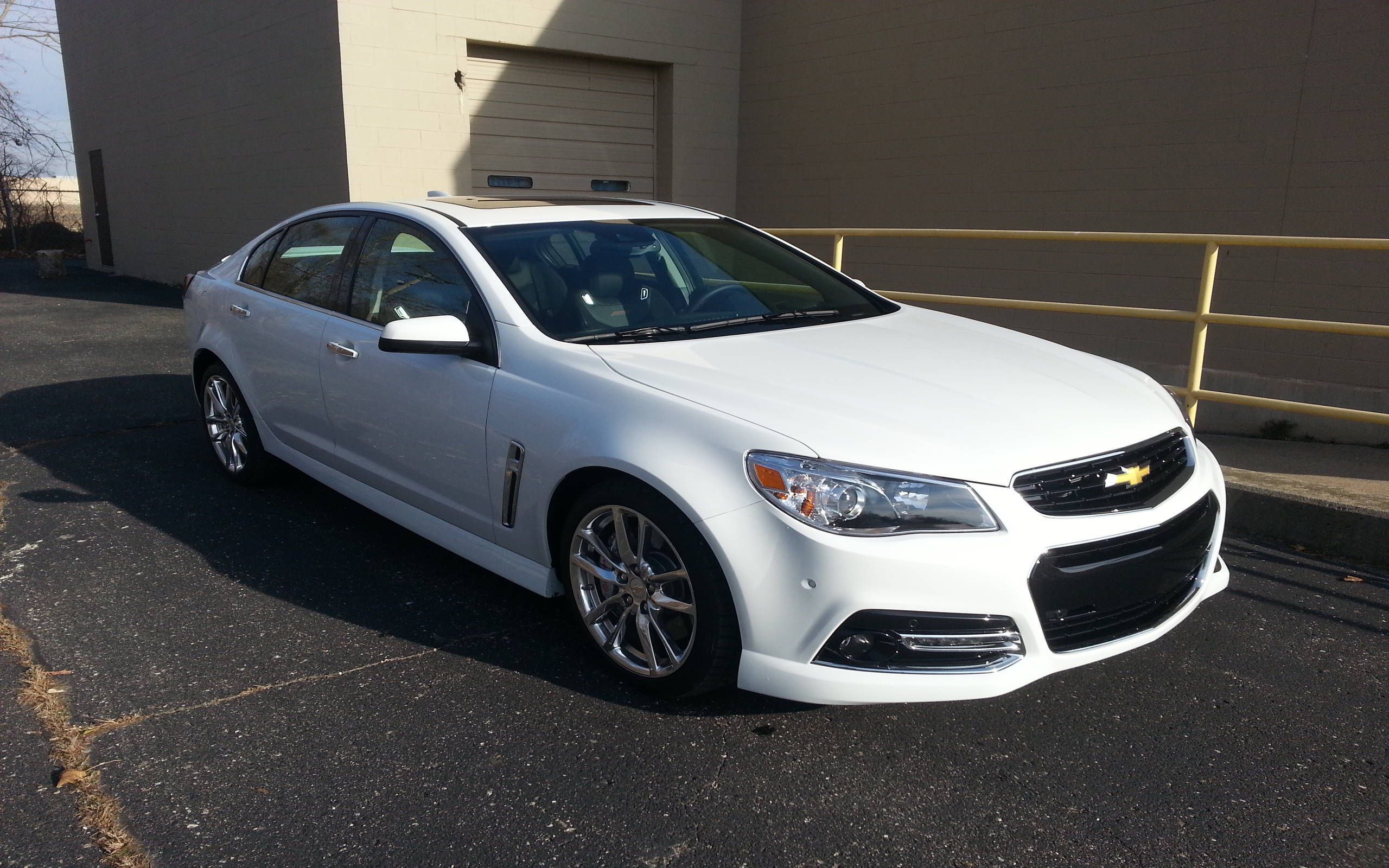
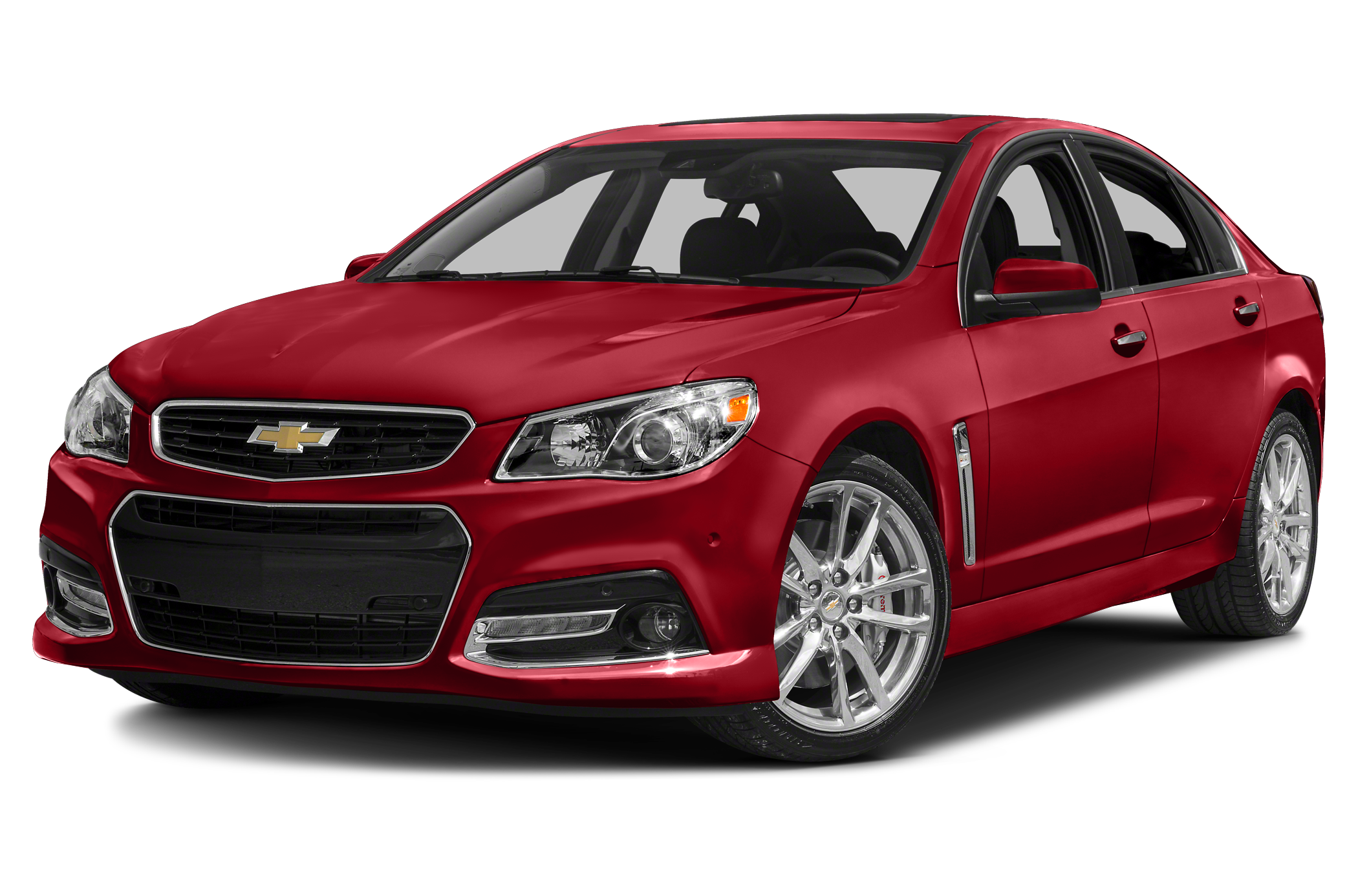
The 2015 Chevrolet SS delivers a factory-rated 415 horsepower and 415 lb-ft of torque from its naturally aspirated 6.2-liter LS3 V8 engine. This output remained constant throughout its production run, though its performance legacy evolved through transmission updates, adaptive suspension additions, and its eventual transition from a rear-wheel-drive Holden Commodore derivative to a sought-after modern classic.
Introduction to the Chevrolet SS and Its Roots
The Chevrolet SS occupies a unique space in modern automotive history. Imported directly from Australia, where it was engineered and built by General Motors’ Holden subsidiary as the VF Commodore, the SS brought rear-wheel-drive Australian muscle to North American dealerships. Enthusiasts often look at the 2015 model year as a pivotal point for the vehicle, marking the first full production year of the sedan and the introduction of crucial performance hardware that changed how the car handled its substantial power.
Understanding the 2015 Chevrolet SS horsepower requires looking beyond a single static number. While the peak output figures of 415 horsepower at 5,900 rpm and 415 lb-ft of torque at 4,600 rpm remained stable, the driving dynamics, transmission pairings, and chassis capabilities evolved across its lifespan. This timeline explores how the vehicle's powertrain was integrated, the structural adjustments made during its production window, and the enduring legacy of the last V8 rear-wheel-drive sedan bearing a Chevrolet bowtie badge before Holden manufacturing concluded in 2017.
The Foundation: 2014 Launch and the Carryover LS3 Engine
Before examining the 2015 model year specifically, context from the 2014 introduction is essential. When General Motors imported the first wave of Chevrolet SS sedans for the 2014 model year, they utilized the tried-and-true GM LS3 small-block V8 engine. This aluminum-block powerplant displaced 6.162 liters (376 cubic inches) and featured a bore and stroke of 4.06 inches by 3.62 inches, with a compression ratio of 10.7:1.
Right from its debut, the LS3 gave the Chevrolet SS a performance baseline that compared favorably with contemporary American muscle cars, though wrapped in a sleeper sedan body style. The 2014 models were exclusively offered with a six-speed automatic transmission featuring paddle shifters. However, the suspension setup relied on a fixed-rate sport tune. While competent, enthusiasts immediately recognized that the chassis had more to give, setting the stage for the crucial updates arriving for the 2015 model year.
The 2015 Updates: Magnetic Ride Control and Transmission Expansion
The 2015 model year introduced two major engineering upgrades that redefined how the 415 horsepower was delivered to the pavement. These changes addressed the primary criticisms of the initial 2014 release and created the definitive specification sought by modern collectors.
Magnetic Ride Control Integration
For 2015, Chevrolet dropped the fixed-rate suspension in favor of GM’s acclaimed Magnetic Ride Control (MRC). This real-time damping system utilizes magnetorheological fluid in the shock absorbers, allowing the computer to adjust stiffness up to 1,000 times per second based on road conditions, steering angle, and driver inputs.
The addition of MRC transformed the 2015 Chevrolet SS from a straight-line cruiser into a genuine sports sedan. Drivers could select between Tour, Sport, and Track modes. This adjustability meant the car could manage its 3,975-pound curb weight effectively, keeping the contact patch firmly planted under hard acceleration while taming the delivery of the LS3's 415 horsepower through twisty backroads.
The Arrival of the Manual Transmission
Perhaps the most significant mechanical milestone for the 2015 model year was the introduction of the Tremec TR6060 six-speed manual transmission as a no-cost option. Paired with a 3.27 rear axle ratio, the manual gearbox gave drivers direct mechanical control over the LS3 engine.
While the automatic transmission retained its 2.92 final drive ratio, the manual variant offered a more engaging, visceral experience that cemented the car's status as a modern "four-door Corvette." Zero-to-60 mph times for both transmission variants hovered around 4.7 seconds, proving that the manual option sacrificed no real-world pace while significantly enhancing driver involvement.
Technical Specifications Timeline (2014–2017)
To understand where the 2015 model sits in the broader timeline of the Chevrolet SS, a direct comparison of its core powertrain and chassis specifications across its four-year production run illustrates the vehicle's trajectory.
| Model Year | Engine | Horsepower | Torque | Transmissions | Key Chassis/Feature Updates |
|---|---|---|---|---|---|
| 2014 | 6.2L LS3 V8 | 415 hp @ 5,900 rpm | 415 lb-ft @ 4,600 rpm | 6-speed automatic only | Initial launch; fixed-rate sport suspension; 19-inch wheels. |
| 2015 | 6.2L LS3 V8 | 415 hp @ 5,900 rpm | 415 lb-ft @ 4,600 rpm | 6-speed auto / 6-speed manual | Introduction of Magnetic Ride Control; Tremec manual added as no-cost option. |
| 2016 | 6.2L LS3 V8 | 415 hp @ 5,900 rpm | 415 lb-ft @ 4,600 rpm | 6-speed auto / 6-speed manual | Bifurcated exhaust system added; functional hood vents; revised front fascia. |
| 2017 | 6.2L LS3 V8 | 415 hp @ 5,900 rpm | 415 lb-ft @ 4,600 rpm | 6-speed auto / 6-speed manual | Final production year; Brembo brakes standard on all four corners; last Australian-built Chevy. |
The Post-2015 Evolution: Exhaust and Final Bow
Following the pivotal updates of 2015, the Chevrolet SS received minor aesthetic and acoustic enhancements for its final two model years, though the core horsepower and torque figures remained completely untouched at 415.
For the 2016 model year, General Motors gave the SS a visual refresh and a much-requested acoustic upgrade. Functional hood vents were added to help extract engine heat, and a more aggressive front fascia was implemented. Crucially, a new bi-modal exhaust system was introduced. This electronically controlled valve system allowed the LS3 V8 to roar under heavy throttle while quieting down during highway cruising to eliminate drone, addressing one of the few complaints owners had about the 2015 model year.
The 2017 model year marked the end of the line. When Holden closed its manufacturing operations in Elizabeth, South Australia, production of the Commodore and its export variants ceased permanently in October 2017. Throughout this wind-down, the 415-horsepower output remained the defining characteristic of the sedan, making it one of the last affordable, naturally aspirated V8 rear-wheel-drive sedans available on the global market.
Real-World Performance and Powertrain Characteristics
The 6.2-liter LS3 engine powering the 2015 Chevrolet SS is renowned for its durability, aftermarket support, and linear power delivery. Unlike modern turbocharged engines that rely on forced induction to build immediate low-end boost before tailing off at high RPMs, the LS3 rewards revs. Peak horsepower arrives at 5,900 rpm, just a few hundred RPMs shy of its 6,600 rpm redline, encouraging drivers to explore the upper reaches of the tachometer.
Fuel economy, as expected from a high-displacement V8 moving nearly two tons of metal, was rated by the EPA at 14 mpg city and 21 mpg highway for the automatic, with the manual transmission penalized slightly on the highway rating due to its taller gearing and gas-guzzler tax implications of the era. However, owners rarely purchased the vehicle for fuel efficiency; the primary appeal lay in its sleeper aesthetic and authentic muscle car soundtrack amplified through quad exhaust tips.
Maintenance, Reliability, and Common Considerations
For prospective buyers and current owners examining a 2015 Chevrolet SS, the mechanical foundation is remarkably robust due to its heavy sharing of GM parts bin components with the C6 Corvette and fifth-generation Camaro SS.
- Engine and Drivetrain: The LS3 is considered one of the most reliable V8 engines ever produced. Routine maintenance primarily involves regular oil changes using high-grade synthetic oil to protect the valvetrain.
- Magnetic Ride Control Shocks: While the MRC system introduced in 2015 drastically improves handling, replacement shocks are considerably more expensive than standard passive dampers. Inspecting the struts for fluid leaks is a standard pre-purchase inspection item.
- Brakes: The 2015 SS features massive Brembo ventilated disc brakes with four-piston calipers up front. Brake service costs are standard for performance vehicles, though replacement rotors and pads should be sourced with high-performance driving in mind.
Frequently Asked Questions
What is the exact horsepower of a 2015 Chevrolet SS?
The 2015 Chevrolet SS is factory-rated at 415 horsepower and 415 lb-ft of torque. This output is generated by its naturally aspirated 6.2-liter LS3 V8 engine, which remained unchanged throughout the vehicle's entire 2014–2017 production run in North America.
Did the 2015 Chevrolet SS have a manual transmission?
Yes, 2015 was the first year a six-speed manual transmission (the Tremec TR6060) was made available as a no-cost option alongside the standard six-speed automatic. This addition is a primary reason why enthusiasts actively seek out 2015 and later models over the 2014 launch edition.
What major upgrade did the 2015 model receive over the 2014 model?
The 2015 Chevrolet SS introduced standard Magnetic Ride Control real-time adaptive suspension. This upgrade allowed the vehicle to dynamically adjust its damping stiffness on the fly, significantly improving both ride comfort during daily commutes and body control during aggressive cornering.
How fast is a 2015 Chevrolet SS from 0 to 60 mph?
Tested when new, both the automatic and manual transmission variants of the 2015 Chevrolet SS accelerate from 0 to 60 mph in approximately 4.7 seconds. Its quarter-mile times typically land in the low-to-mid 13-second range at over 105 mph.
Is the 2015 Chevrolet SS engine supercharged?
No, the 6.2-liter LS3 V8 engine in the 2015 Chevrolet SS is naturally aspirated. It relies on displacement and traditional small-block architecture rather than a turbocharger or supercharger to produce its 415 horsepower.
Conclusion and Next Actions
The 2015 Chevrolet SS represents a golden era of rear-wheel-drive performance packaging. By combining the 415-horsepower LS3 V8 with the newly introduced Magnetic Ride Control and the optional manual transmission, the 2015 model year struck a near-perfect balance between daily drivability and track-capable dynamics. For prospective buyers evaluating the used market, verifying service records, checking the condition of the Magnetic Ride Control struts, and determining transmission preference remain the most critical steps before purchase.