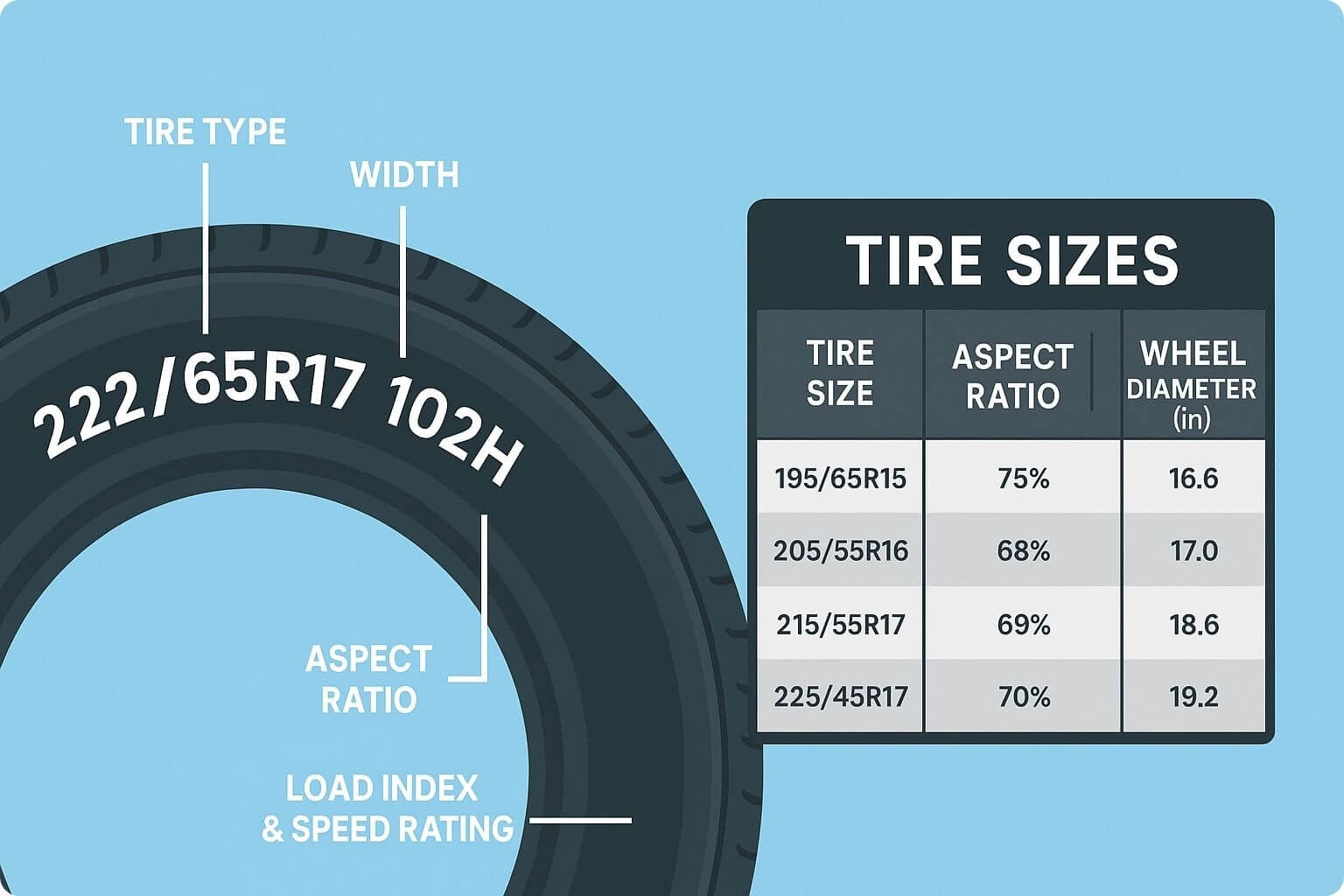
The original equipment tire size for a 2014 Nissan Sentra SR is 205/50R17, which fits 17-inch factory alloy wheels with a load index of 89 and a speed rating of V. Depending on personal driving habits and regional climate conditions, owners can choose from standard touring tires, all-season options, or winter variants matching these exact specifications to ensure optimal handling, braking performance, and fuel economy.
Selecting the correct tire size is one of the most critical maintenance decisions a vehicle owner can make. For the 2014 Nissan Sentra SR—a popular compact sedan that blends everyday practicality with sportier styling cues—maintaining factory tire specifications ensures that the vehicle's speedometer calibration, anti-lock braking systems (ABS), traction control, and electronic stability control operate precisely as engineered. Replacing worn rubber requires more than just picking a tire brand; it demands a thorough understanding of sizing codes, load ratings, speed indices, and proper inflation pressures.
Understanding Factory Tire Specifications for the 2014 Nissan Sentra SR
The 2014 Nissan Sentra SR trim level came equipped from the factory with larger wheels than the base S and SV trims, distinguishing itself with unique 17-inch alloy rims. To accommodate these rims while maintaining proper ride height and suspension geometry, Nissan specified a distinct tire dimension: 205/50R17.
Every element of this alphanumeric code conveys a specific physical measurement:
- 205: The nominal section width of the tire measured in millimeters from sidewall to sidewall.
- 50: The aspect ratio, indicating that the tire's sidewall height is 50% of its section width.
- R: Stands for radial construction, meaning the internal ply cords are arranged radially across the tire from bead to bead.
- 17: The diameter of the wheel rim in inches that the tire is designed to fit.
In addition to these dimensional metrics, factory tires carry a Service Description, which typically reads something like 89V. The number 89 represents the load index, translating to a maximum weight capacity of 1,279 pounds (580 kg) per tire when properly inflated. The letter V represents the speed rating, indicating that the tire is tested and certified to safely sustain speeds up to 149 mph (240 km/h). When shopping for replacement tires, maintaining or exceeding these load and speed ratings is vital for safety, particularly under heavy passenger loads or during highway driving.
Alternative Tire Sizes and Plus-Sized Options
While sticking to the OEM (Original Equipment Manufacturer) size of 205/50R17 is the safest and most straightforward path, some drivers look into alternative sizes for reasons of cost, ride comfort, or aesthetic preference. However, deviating from the factory specification requires careful calculation to avoid mechanical rubbing against fender liners or suspension components.
Common Alternative Sizes and Their Implications
| Tire Size | Width (mm) | Aspect Ratio (%) | Rim Diameter (in) | Overall Diameter Difference | Suitability & Notes |
|---|---|---|---|---|---|
| 205/50R17 | 205 | 50 | 17 | 0.0% (Baseline) | OEM Factory Standard. Perfect fit for speedometer and suspension. |
| 215/45R17 | 215 | 45 | 17 | -1.1% | Slightly wider contact patch, marginally lower sidewall. May alter speedo slightly. |
| 225/45R17 | 225 | 45 | 17 | -0.4% | Popular plus-zero size for improved grip. Check inner clearance on full lock. |
| 205/55R16 | 205 | 55 | 16 | +0.7% | Requires dropping down to 16-inch wheels. Provides a softer ride due to taller sidewalls. |
When altering tire dimensions, the overall diameter should remain within 3% of the original factory specification to prevent severe speedometer error and transmission shifting anomalies in automatic or CVT transmissions. Dropping down to a 16-inch wheel setup (such as a 205/55R16 used on lower Sentra trims) is a common strategy for winter tire installation, as narrower tires with taller sidewalls tend to slice through snow more effectively and absorb impacts from potholes better.
Tire Categories: Choosing the Right Tread for Your Driving Needs
Not all tires bearing the 205/50R17 dimension perform the same way. Manufacturers engineer distinct tire categories designed for specific weather conditions and driving styles. Evaluating local climate and commuting habits helps narrow down the ideal choice.
All-Season Tires
All-season tires represent the default choice for the vast majority of drivers. They provide a balanced blend of dry grip, wet traction, and modest light-snow capability. Compounds are formulated to remain flexible across a wide temperature range, and tread patterns feature sipes to evacuate water efficiently. For owners residing in regions with mild winters and warm summers, a grand-touring all-season tire offers a quiet, comfortable ride with extended tread life.
Summer / Performance Tires
For drivers prioritizing responsive handling, sharp cornering grip, and short stopping distances in warm weather, summer performance tires are the appropriate choice. These utilize softer rubber compounds that maximize contact patch adhesion on dry and wet asphalt. However, summer tires lose flexibility in temperatures below 45°F (7°C) and should never be driven in snow or ice conditions due to hardening of the tread compound.
Winter / Snow Tires
In regions experiencing heavy snowfall, freezing temperatures, and persistent ice, dedicated winter tires are indispensable. Featuring aggressive tread voids, high-density siping, and specialized silica compounds that remain pliable in sub-zero weather, winter tires deliver stopping distances and traction levels that all-season tires cannot match in severe winter environments.
Tire Pressure Monitoring System (TPMS) and Maintenance Guidelines
The 2014 Nissan Sentra SR utilizes a direct Tire Pressure Monitoring System (TPMS) equipped with individual pressure sensors mounted inside each wheel. Maintaining correct tire pressure is essential not only for safety and uniform tread wear, but also for preserving fuel economy.
Recommended Tire Pressure
The factory-recommended cold tire pressure for the 2014 Nissan Sentra SR is 33 psi (pounds per square inch) for both front and rear tires. This specification can be verified by checking the manufacturer placard located on the driver-side door jamb.
- Cold Pressure Definition: Pressure should always be checked and adjusted when the vehicle has been parked for at least three hours or driven less than a mile. Driving heats up the tires, increasing internal pressure and creating inaccurate readings.
- Seasonal Adjustments: As ambient temperatures drop during autumn and winter, tire pressure naturally decreases (roughly 1 psi for every 10°F drop). Checking pressures monthly during cold snaps prevents premature shoulder wear and low-pressure warning lights.
Routine Maintenance Practices
To maximize the lifespan of a 2014 Nissan Sentra SR tire set, adhere to these maintenance intervals:
- Tire Rotation: Rotate tires every 5,000 to 7,500 miles to promote even wear across all four corners, especially since the Sentra is a front-wheel-drive vehicle that subjects front tires to accelerated steering and driving wear.
- Wheel Alignment: Check alignment annually or whenever noticing uneven tread wear or a steering wheel pull.
- Tread Depth Monitoring: Replace tires when tread depth reaches 2/32 of an inch, or 4/32 of an inch if regularly driving in wet or snowy conditions.
Frequently Asked Questions
Can I put 225/45R17 tires on my 2014 Nissan Sentra SR?
Yes, 225/45R17 is a viable alternative size that fits on the factory 17-inch rims. It is slightly wider (225mm vs 205mm) and has a very close overall diameter, resulting in minimal speedometer deviation. However, ensure that your suspension and inner fender liners have adequate clearance, particularly when turning the steering wheel to full lock.
What is the factory tire size for a 2014 Nissan Sentra SR?
The factory-specified tire size for this specific trim is 205/50R17. This size pairs with the 17-inch alloy wheels that come standard on the SR model, maintaining accurate speedometer readings and proper handling characteristics.
How often should I check the tire pressure on my Sentra?
It is recommended to check your tire pressure at least once a month and before any long road trips. Additionally, check pressures whenever there is a significant shift in outdoor ambient temperatures, as weather changes directly impact internal tire pressure.
Do lower Sentra trims use the same tire size as the SR?
No. Lower trims such as the Sentra S and SV typically come equipped with 16-inch wheels requiring 205/55R16 tires. Always verify your vehicle's specific wheel diameter by checking the sidewall of your current tires before purchasing replacements.
What causes uneven tire wear on a front-wheel-drive sedan like the Sentra?
Uneven wear is commonly caused by improper wheel alignment, neglected tire rotations, worn suspension components (such as struts or control arm bushings), or chronic incorrect tire inflation pressures. Regular rotations every 6,000 miles help mitigate premature front-axle wear.
Conclusion
Maintaining the correct tire size and condition on your 2014 Nissan Sentra SR safeguards both vehicle performance and passenger safety. By adhering to the factory specification of 205/50R17—or carefully evaluating verified alternatives—you protect your suspension, maintain braking efficiency, and ensure accurate fuel economy. Regular pressure checks, prompt rotations, and timely replacements will keep your sedan riding smoothly for years to come.