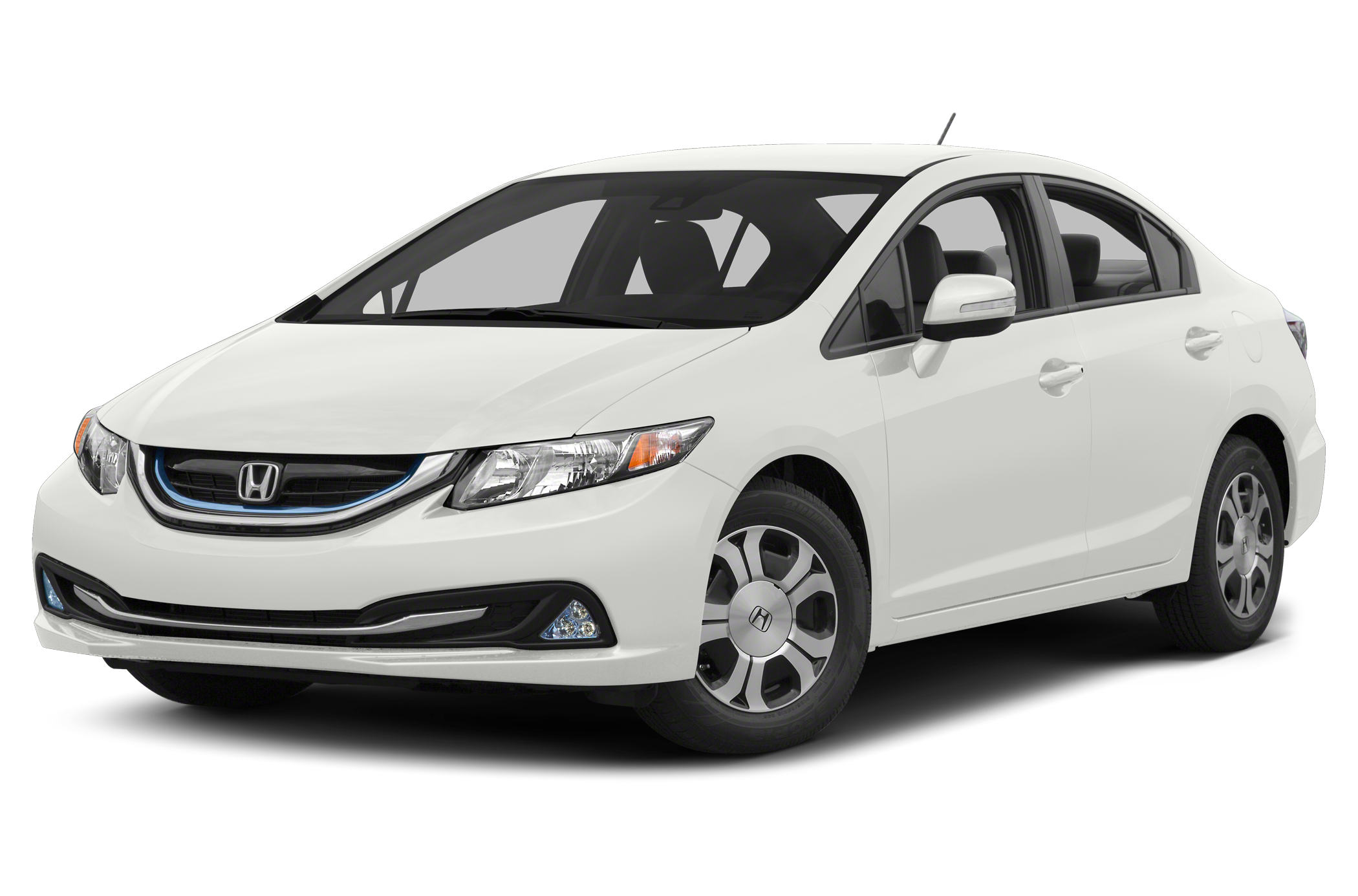
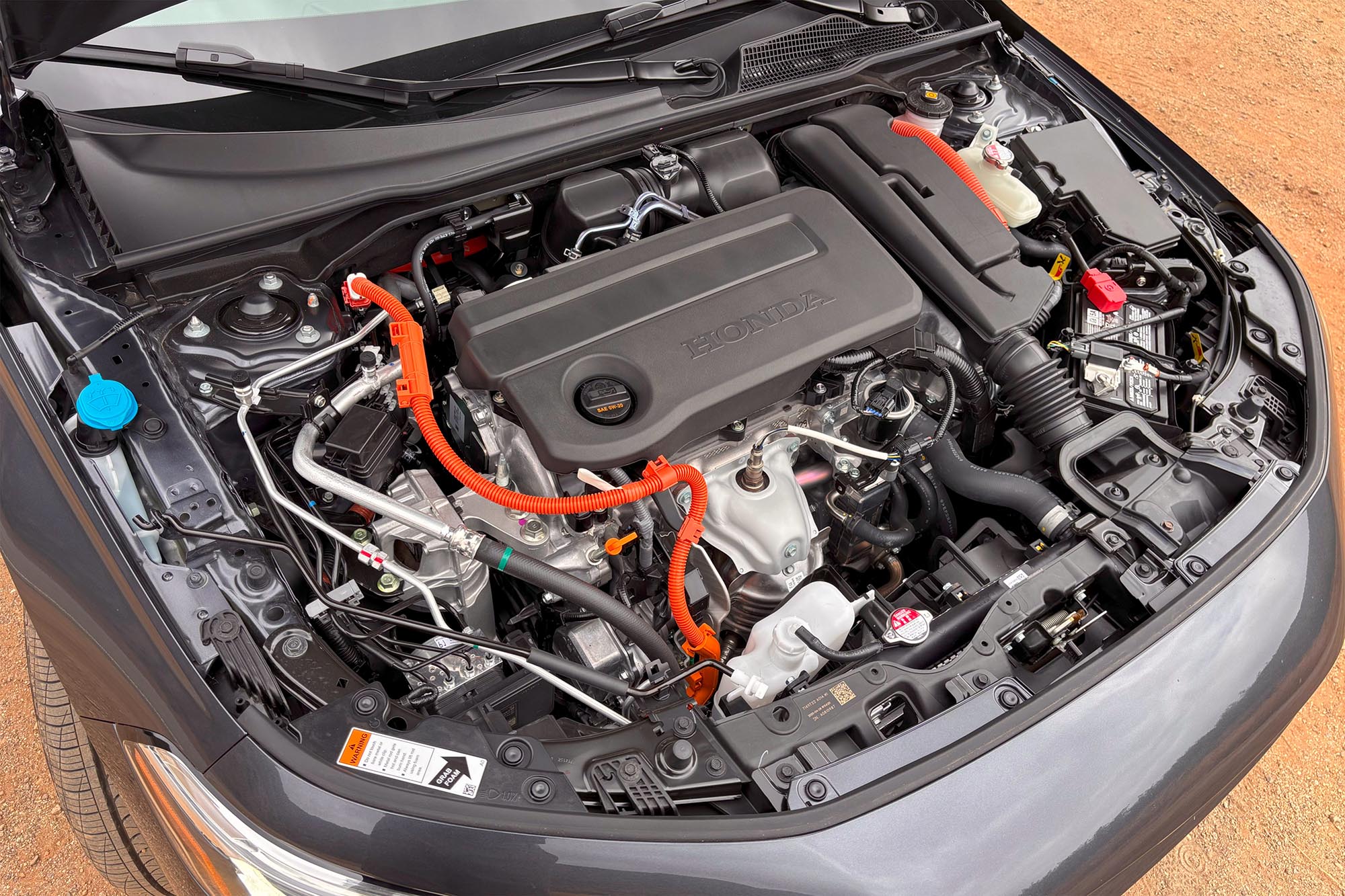
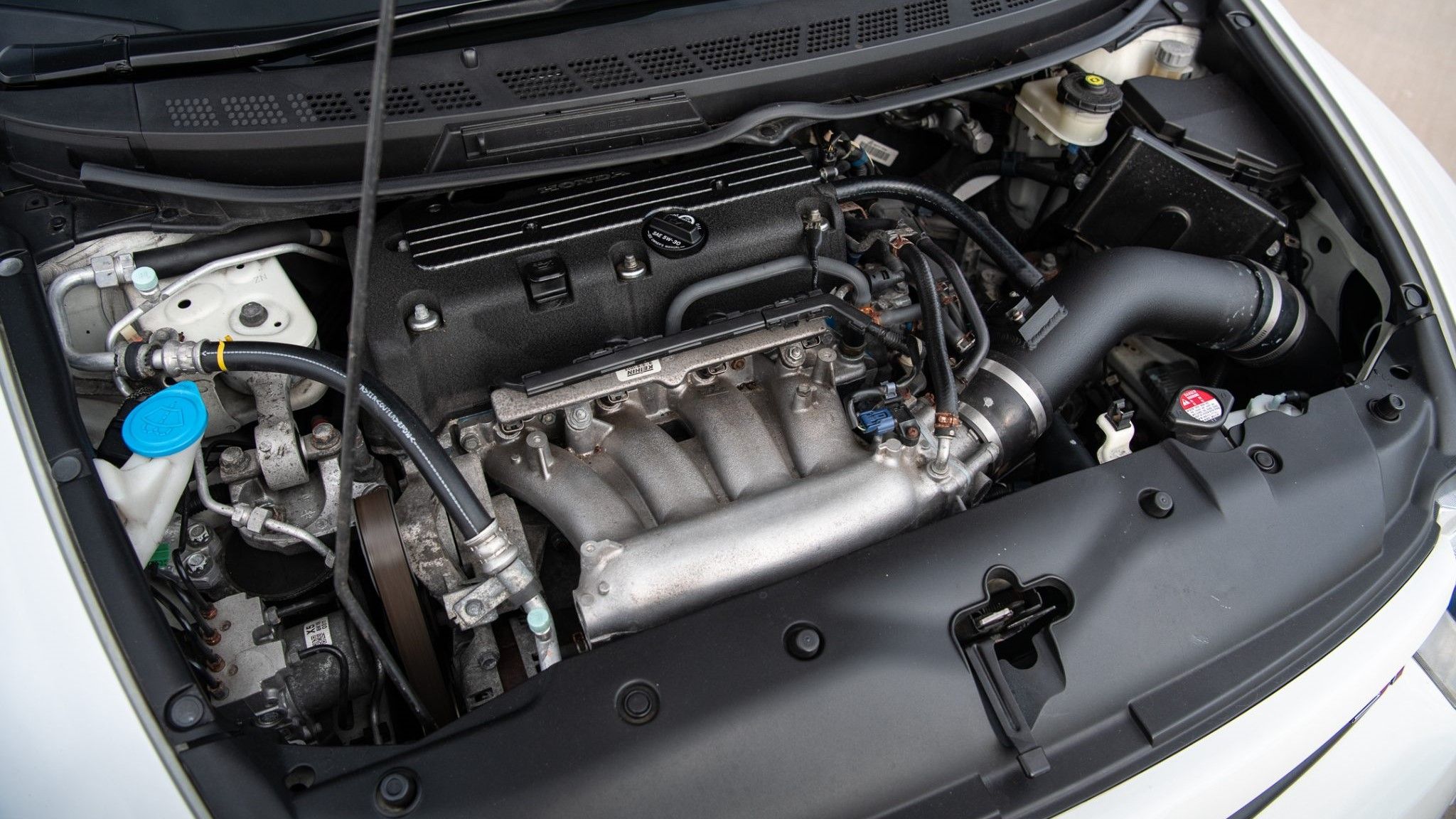
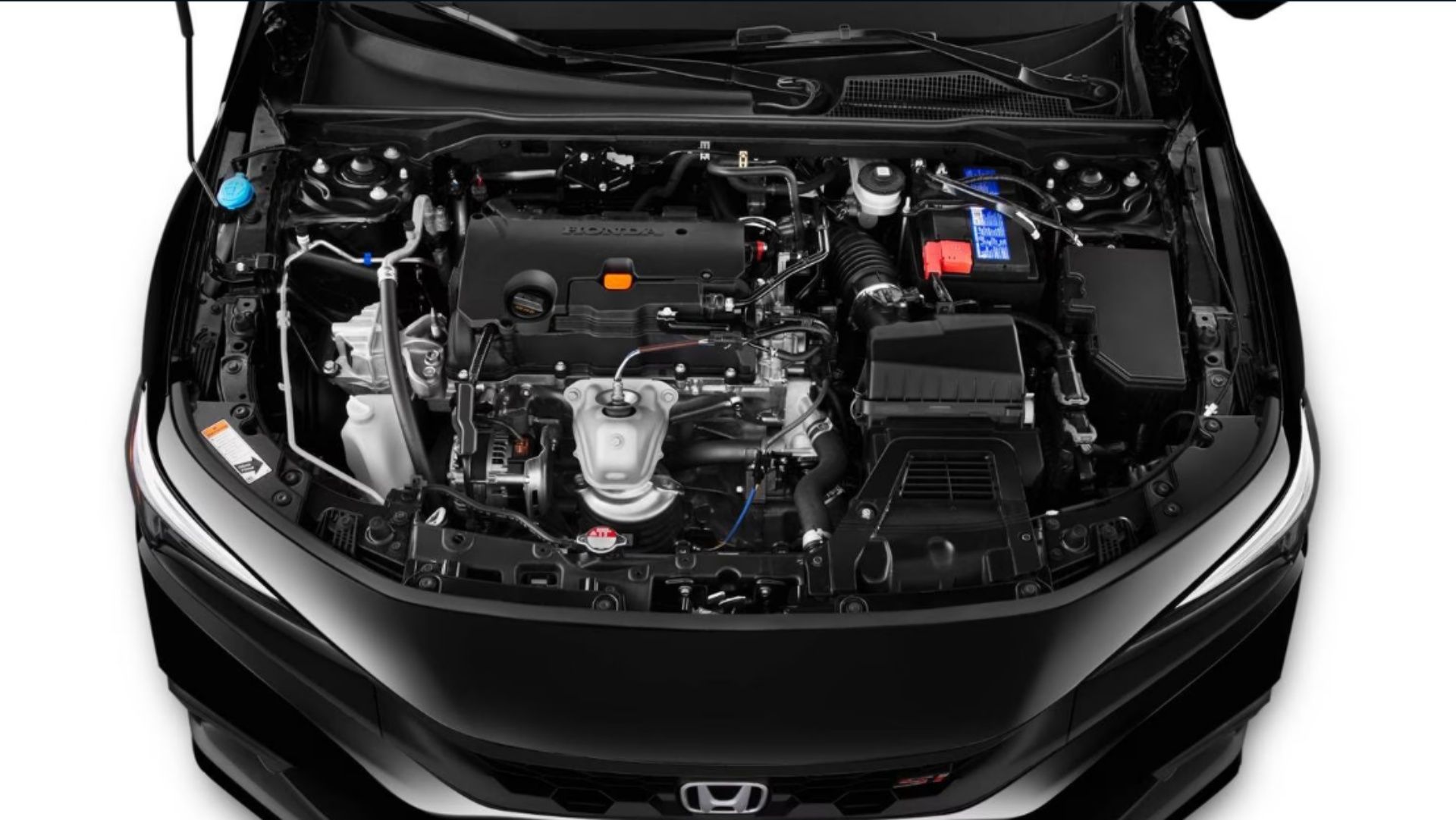
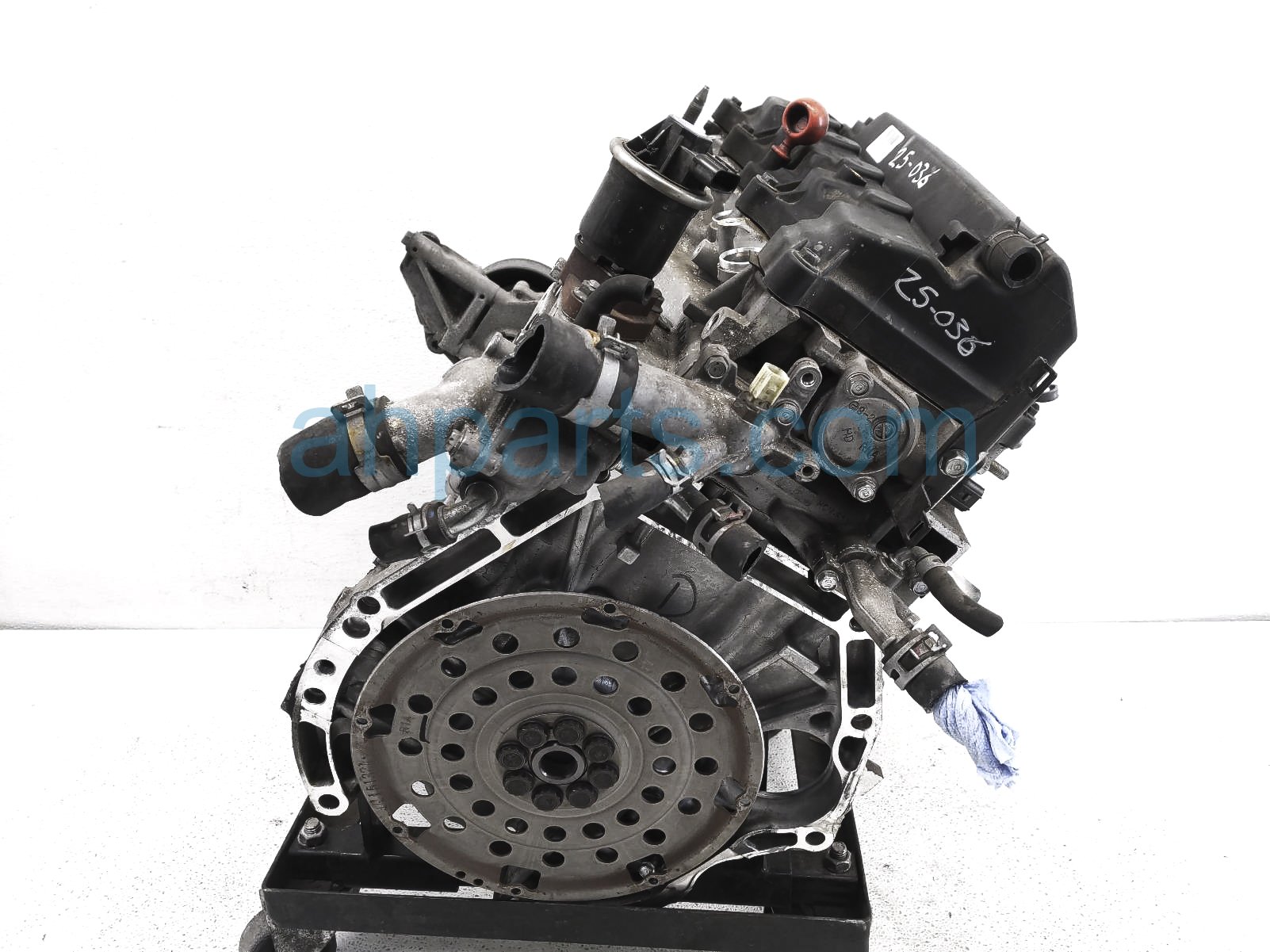
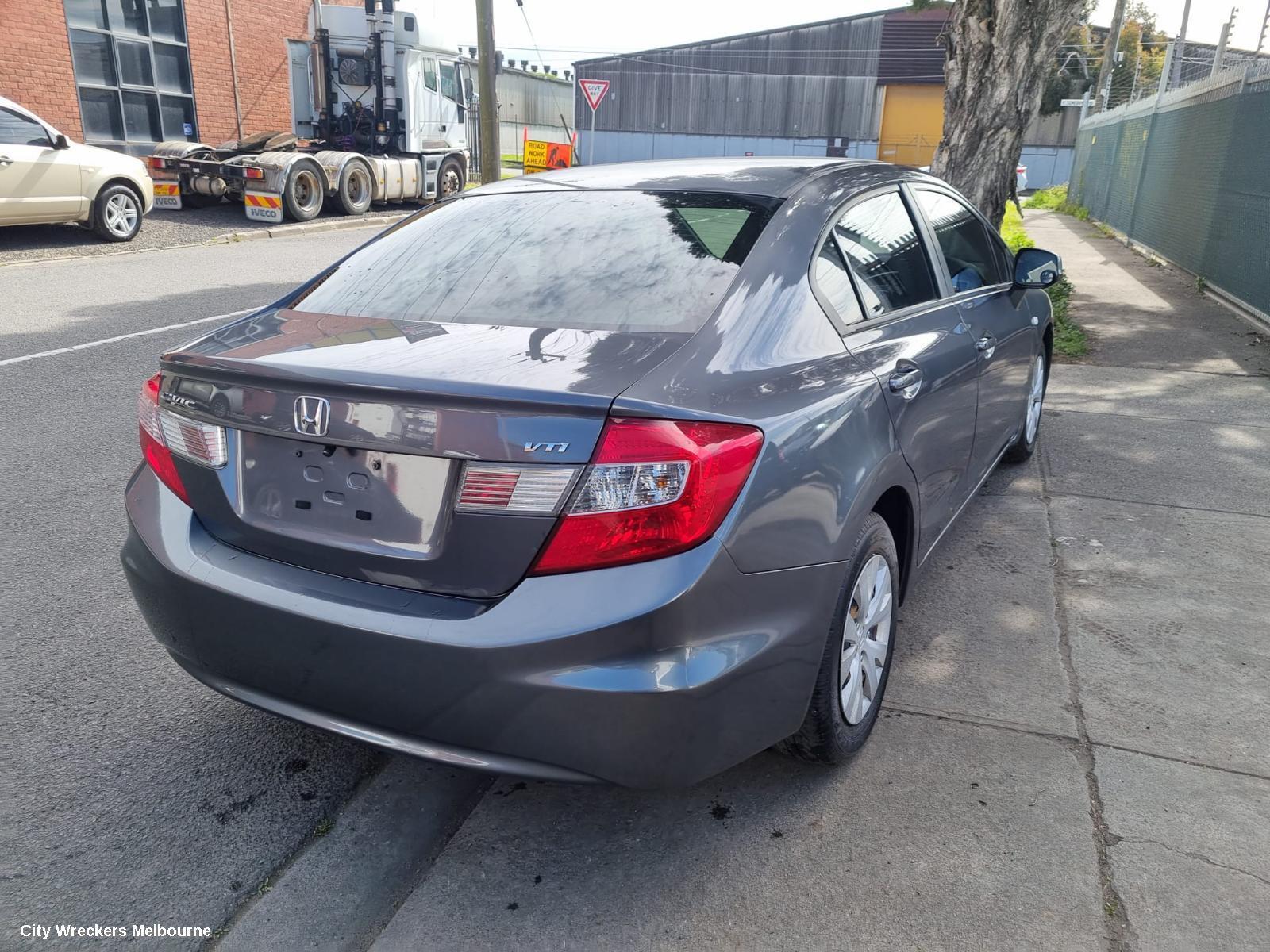
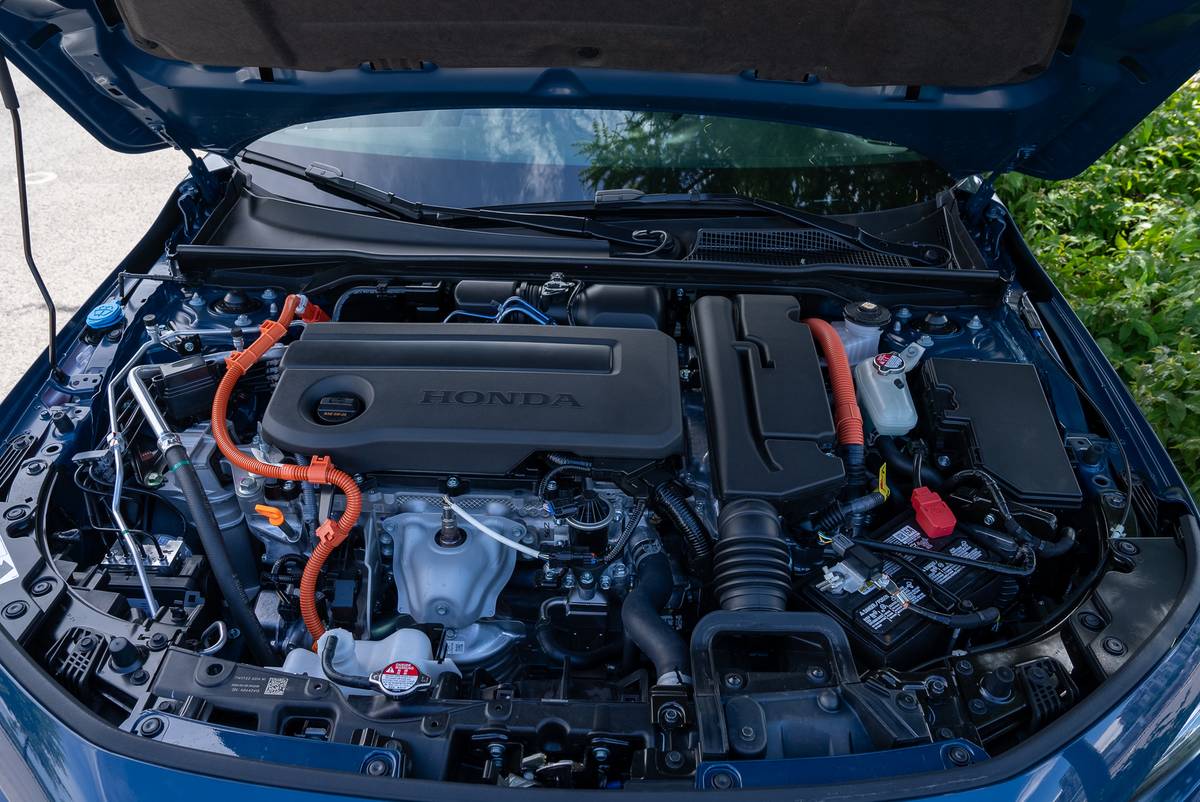
The 2013 Honda Civic features three primary engine sizes: a 1.8-liter four-cylinder for standard trims (LX, EX, HF), a 2.4-liter four-cylinder for the performance-oriented Si, and a 1.5-liter hybrid powertrain. Each engine is designed for a specific balance of fuel efficiency, daily reliability, or sport performance, reflecting the diverse needs of the compact car market.
When the 2013 Honda Civic arrived, it carried the weight of an "emergency refresh." Following a lukewarm reception to the 2012 redesign, Honda fast-tracked significant updates to the vehicle's interior, suspension, and styling. However, the powertrains remained largely consistent because they were already among the most refined in the industry. For buyers in 2026 looking at these vehicles on the used market, understanding the nuances of these engine sizes is critical for evaluating performance, maintenance costs, and long-term viability.
The 1.8-Liter R18Z1 Engine: The Mainstream Standard
The vast majority of 2013 Honda Civics found on the road are equipped with the 1.8-liter R18Z1 engine. This powerplant was the heart of the DX, LX, EX, EX-L, and the fuel-sipping HF trims. It represents the quintessential Honda engineering philosophy: maximize efficiency through simplicity and clever valve timing.
Technical Specifications and Architecture
The 1.8-liter engine is a Single Overhead Cam (SOHC) 16-valve inline four-cylinder. While many competitors had transitioned to Double Overhead Cam (DOHC) setups by 2013, Honda stuck with the SOHC design for the R-series to reduce internal friction and weight. This engine produces 140 horsepower at 6,500 RPM and 128 lb-ft of torque at 4,300 RPM.
One of the defining features of this engine size is the use of the i-VTEC (Intelligent Variable Valve Timing and Lift Electronic Control) system. Unlike the performance-oriented VTEC found in older Hondas, the i-VTEC in the 1.8-liter is tuned for "economy" VTEC. At low-load cruising speeds, the system keeps the intake valves open slightly longer to reduce pumping losses, effectively mimicking the efficiency of a smaller engine while retaining the power of a 1.8-liter when the driver presses the accelerator.
Performance and Transmission Pairings
In the 2013 model, the 1.8-liter engine was paired with either a 5-speed manual transmission (available on DX and LX trims) or a 5-speed automatic transmission. In 2026, the 5-speed automatic remains highly regarded for its "traditional" feel compared to the CVTs (Continuously Variable Transmissions) that became standard in later Civic generations.
The 1.8-liter offers a balanced driving experience. It is not "fast" by modern standards, but the power delivery is linear. The 0-60 mph sprint takes approximately 9 seconds, which is adequate for highway merging and urban commuting. For the HF (High Fuel) trim, this same engine size was used but combined with aerodynamic wheels, low-rolling-resistance tires, and revised shift logic to maximize MPG.
The 2.4-Liter K24Z7 Engine: The Enthusiast’s Choice
For those seeking more engagement, the 2013 Honda Civic Si utilized a significantly larger engine: the 2.4-liter K24Z7. This displacement increase over previous generations of the Civic Si (which used a 2.0-liter) changed the character of the car from a high-screaming "rev-happy" machine to a torque-rich daily driver.
The K-Series Legacy
The K24Z7 is a Double Overhead Cam (DOHC) engine. It produces 201 horsepower at 7,000 RPM and 170 lb-ft of torque at 4,400 RPM. The jump in torque was the most significant advantage of this engine size. In the previous 2.0-liter Si models, drivers had to rev the engine past 6,000 RPM to find meaningful power. The 2013 2.4-liter provides much more "punch" in the lower and middle of the rev range, making it far more usable in city traffic.
Exclusive Features of the 2.4L Si
The Si engine was exclusively paired with a close-ratio 6-speed manual transmission and a helical limited-slip differential. This combination ensures that the larger engine's power is effectively transferred to the road during cornering.
Technically, the K24Z7 features a "cold air" intake system and a specialized exhaust manifold integrated directly into the cylinder head casting. This integration helps reduce weight and allows the catalytic converter to heat up faster, reducing emissions. For enthusiasts in 2026, the 2.4-liter engine is often the most sought-after due to its high ceiling for aftermarket tuning and its reputation for bulletproof reliability even when driven aggressively.
The 1.5-Liter Hybrid: Efficiency through IMA
The 2013 Civic Hybrid used the smallest engine in the lineup—a 1.5-liter i-VTEC four-cylinder. However, it did not work alone. It was part of Honda’s Integrated Motor Assist (IMA) system, which sandwiched a thin electric motor between the engine and the CVT.
The Hybrid Power Dynamics
The 1.5-liter gas engine produces 110 horsepower and 127 lb-ft of torque when combined with the electric motor's output. The engine itself utilizes an Atkinson cycle, which optimizes the expansion stroke over the compression stroke to extract more energy from every drop of fuel.
Because the electric motor provides instant torque from a standstill, the 1.5-liter hybrid feels surprisingly peppy in stop-and-go traffic, despite its low horsepower rating. It’s important to note that the 2013 Hybrid uses a Lithium-Ion battery pack, which was a significant upgrade over the older Nickel-Metal Hydride batteries used in earlier Civics, offering better energy density and longer life—a crucial factor for those maintaining these vehicles in 2026.
The 1.8-Liter Natural Gas (CNG) Engine
A rare but notable variant is the 2013 Civic Natural Gas. It used the same 1.8-liter block as the standard Civic, but with significant internal modifications. Because Compressed Natural Gas (CNG) has a higher octane rating but lower energy density than gasoline, Honda increased the compression ratio to 12.7:1 (compared to 10.6:1 in the standard 1.8L).
This engine produced slightly less power—110 horsepower and 106 lb-ft of torque. The modifications included harder valve seats and specialized fuel injectors. While these models are rare today, they represent a unique era of alternative fuel experimentation by Honda.
2013 Honda Civic Engine Comparison Table
| Feature | 1.8L i-VTEC (Standard) | 2.4L i-VTEC (Si) | 1.5L Hybrid (IMA) | 1.8L Natural Gas |
|---|---|---|---|---|
| Engine Code | R18Z1 | K24Z7 | LEA | R18Z1 (Modified) |
| Horsepower | 140 hp @ 6,500 RPM | 201 hp @ 7,000 RPM | 110 hp (Combined) | 110 hp @ 6,300 RPM |
| Torque | 128 lb-ft @ 4,300 RPM | 170 lb-ft @ 4,400 RPM | 127 lb-ft @ 1,000-3,500 | 106 lb-ft @ 4,200 RPM |
| Valvetrain | SOHC 16-Valve | DOHC 16-Valve | SOHC 8-Valve | SOHC 16-Valve |
| Fuel Delivery | Multi-Point Injection | Multi-Point Injection | Multi-Point Injection | CNG Injection |
| Recommended Oil | 0W-20 Synthetic | 0W-20 Synthetic | 0W-20 Synthetic | 0W-20 Synthetic |
| Timing Drive | Chain | Chain | Chain | Chain |
Technical Deep Dive: Why These Engine Sizes Matter
Understanding displacement (1.8L vs. 2.4L) is only the surface. The way these engines handle heat, friction, and air determines their longevity in 2026.
The Shift to Timing Chains
All 2013 Honda Civic engine sizes—the 1.5L, 1.8L, and 2.4L—utilize timing chains rather than timing belts. This was a pivotal design choice. Timing belts usually require expensive replacement every 60,000 to 100,000 miles. In contrast, timing chains are designed to last the life of the engine, provided that oil changes are performed regularly. For a vehicle that is now over a decade old, the presence of a timing chain significantly reduces the "hidden" maintenance costs for second and third owners.
i-VTEC Implementation Differences
It is a common misconception that all VTEC systems are the same.
- The 1.8L R-Series: Uses VTEC to switch between a standard cam profile and a "high-efficiency" profile. During low-load situations, it keeps one intake valve open longer to let some air-fuel mixture back into the intake manifold, reducing the effort the piston needs to move (pumping loss).
- The 2.4L K-Series: Uses VTEC for performance. It switches to a high-lift, long-duration cam profile at high RPMs to allow more air into the cylinders, resulting in a surge of power that enthusiasts often call the "VTEC crossover."
Maintenance and Longevity in 2026
As of 2026, many 2013 Honda Civics have surpassed the 150,000 or even 200,000-mile mark. The reliability of these engine sizes is well-documented, but specific maintenance is required to keep them running.
Oil Consumption and Viscosity
All 2013 Civic engines are designed to run on 0W-20 full synthetic oil. This thin oil is necessary for the tight tolerances of the i-VTEC system and the timing chain tensioners. At high mileages, owners should monitor for minor oil consumption. While the 2013 model did not suffer from the same "cracked block" issues as the 2006-2009 models, the valve cover gaskets and VTEC solenoid gaskets are common areas for slow leaks after 10 years of service.
The Maintenance Minder System
Honda uses an onboard computer to track driving habits, cold starts, and engine revolutions. Instead of a fixed 5,000-mile interval, the car displays a "Maintenance Minder" code (like A1 or B12).
- Code A/B: Oil and filter change.
- Code 1: Tire rotation.
- Code 2: Air filter and cabin filter replacement.
- Code 3: Transmission fluid exchange (crucial for the 1.8L automatic and the Hybrid CVT).
Cooling System Integrity
With age, the plastic components of the cooling system—specifically the radiator end tanks and the "water outlet" assembly—can become brittle. For any 2013 Civic engine size, ensuring the cooling system is pressurized and the coolant is fresh is the best way to prevent head gasket failure, which is rare but terminal for these aluminum engines if they overheat.
Choosing the Right Engine Size for Your Needs
When evaluating a 2013 Civic in 2026, the engine size you choose should align with your primary driving environment:
- For Commuting: The 1.8-liter is the gold standard. It offers the best balance of parts availability, ease of repair, and fuel economy. It is a "set it and forget it" engine that can easily reach 300,000 miles with basic care.
- For Performance: The 2.4-liter Si is the only choice. It transforms the Civic from a commuter tool into a sports sedan/coupe. However, be prepared for slightly higher insurance premiums and a requirement for Premium (91+ octane) fuel to achieve the rated 201 horsepower.
- For Urban High-Traffic: The 1.5-liter Hybrid excels in cities where stop-and-go traffic is constant. However, in 2026, buyers must verify the health of the Lithium-Ion battery pack. If the IMA light is on, the fuel savings will be negated by the cost of a battery replacement.
Frequently Asked Questions
Does the 2013 Honda Civic have a timing belt or chain?
All 2013 Honda Civic engines (1.5L, 1.8L, and 2.4L) use a timing chain. This is a significant advantage for long-term reliability as it eliminates the need for the costly timing belt replacements required in earlier Honda models.
Which 2013 Civic engine is the most reliable?
The 1.8-liter R18Z1 is widely considered the most reliable due to its simplicity. Its SOHC design has fewer moving parts than the 2.4-liter DOHC engine, and it lacks the complex electrical components of the Hybrid’s IMA system.
Can I use 5W-30 oil instead of 0W-20?
It is not recommended. The 2013 Civic’s i-VTEC system and hydraulic tensioners are calibrated for the flow characteristics of 0W-20. Using a thicker oil like 5W-30 can lead to reduced fuel economy and potential issues with VTEC engagement or timing chain noise during cold starts.
How much horsepower does the 2013 Civic 1.8L have?
The 1.8-liter engine produces 140 horsepower. While this was competitive in 2013, it is modest by 2026 standards. However, the lightweight nature of the 2013 Civic chassis ensures that this power is sufficient for most daily driving tasks.
Does the 2.4L engine in the Si require premium fuel?
Yes, Honda recommends premium unleaded fuel for the 2.4-liter K24Z7 engine. Using lower octane fuel can cause the engine's knock sensor to retard ignition timing, resulting in reduced power and potentially lower fuel efficiency.
Final Recommendation
If you are looking for a reliable, low-maintenance vehicle in 2026, the 1.8-liter engine found in the Civic LX or EX is the most logical choice. Its combination of a timing chain, traditional 5-speed automatic transmission, and widespread parts availability makes it one of the most cost-effective engines to operate. For those who prioritize driving dynamics, the 2.4-liter Si remains a standout performer that has aged gracefully, provided you are willing to invest in premium fuel and manual gear shifting. Regardless of the engine size, the 2013 Civic remains a benchmark for compact car durability.