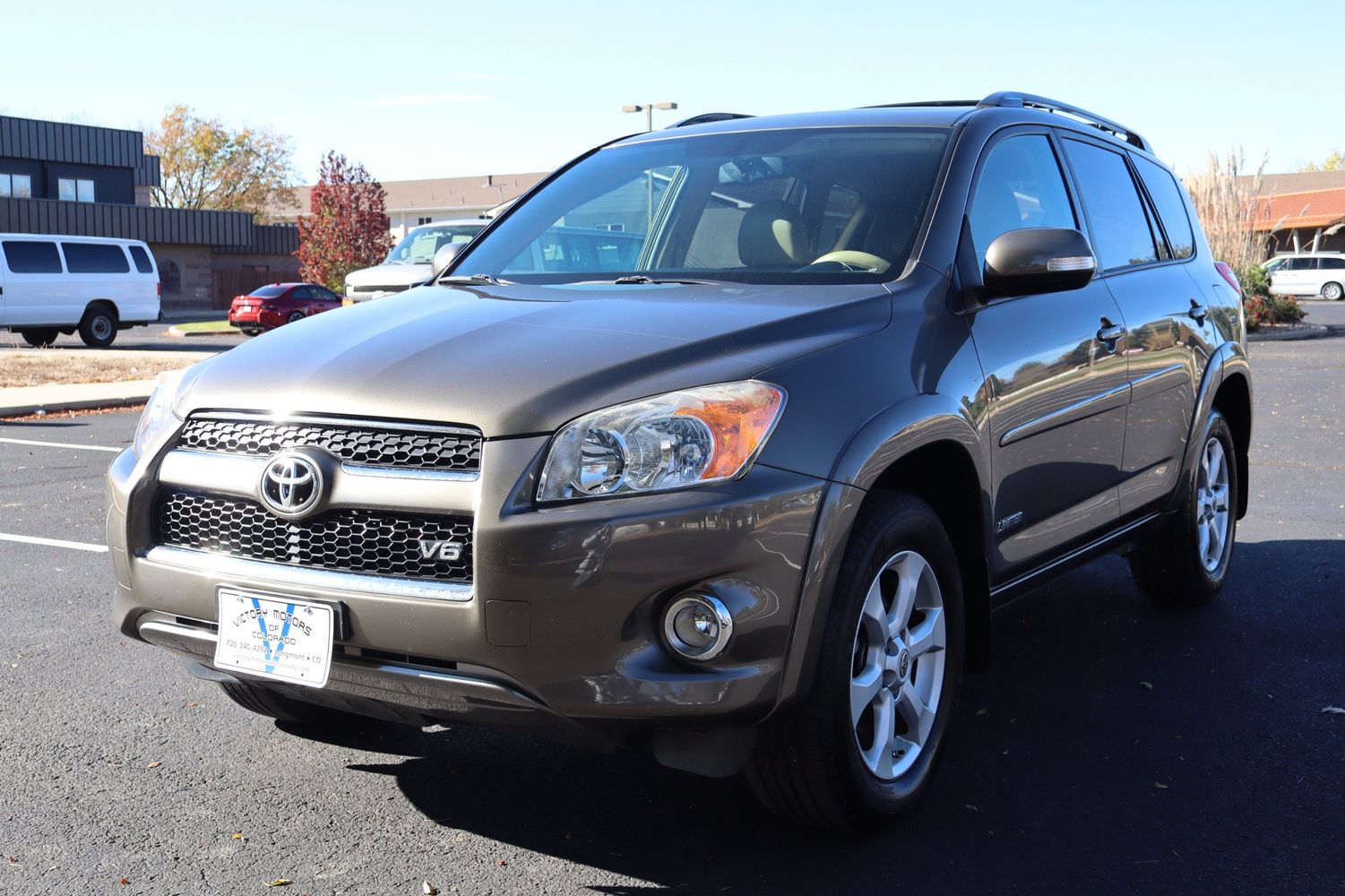
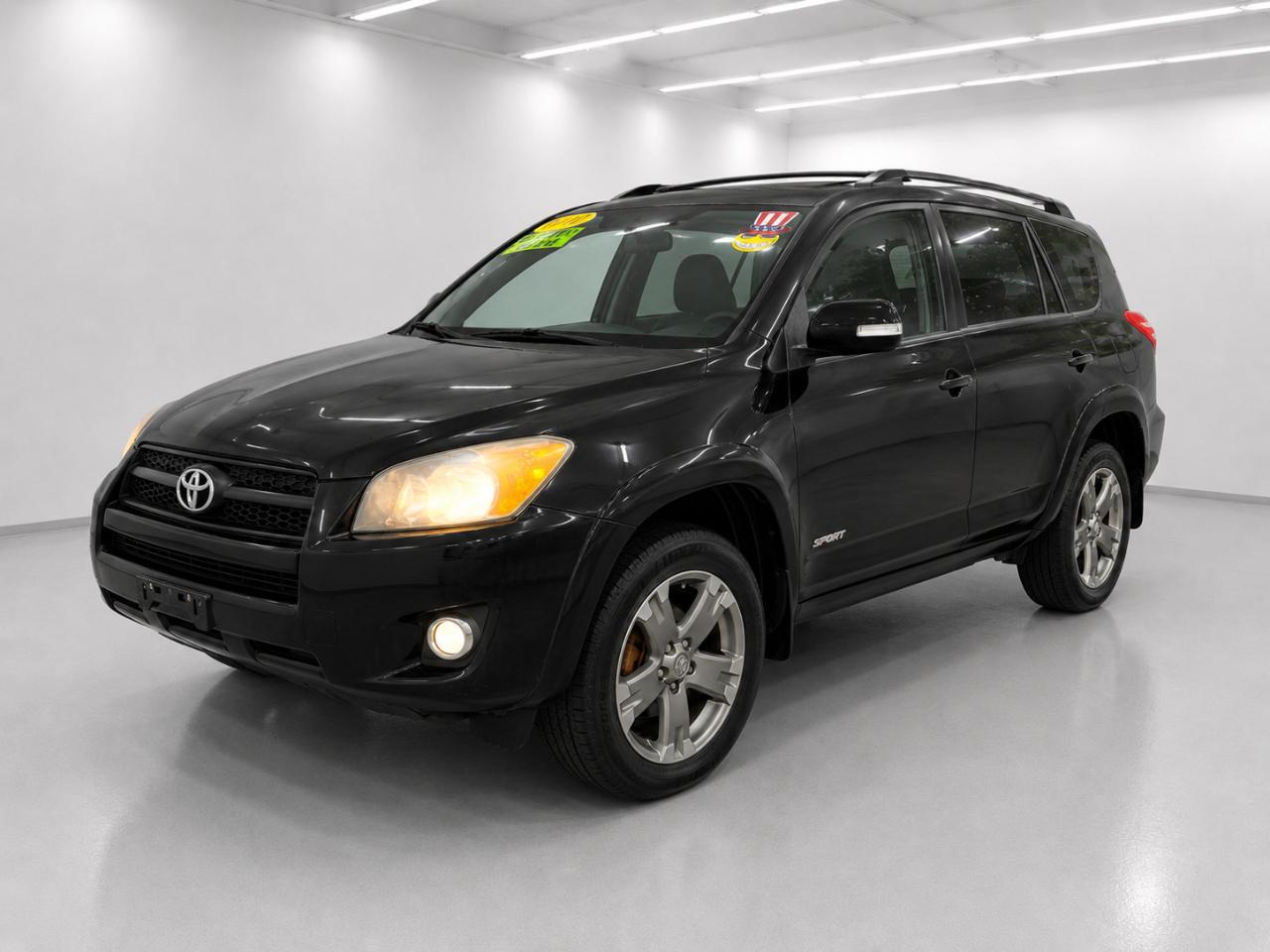
The 2011 Toyota RAV4 Sport is a specific mid-tier trim of the third-generation (XA30) RAV4 that bridges the gap between the functional Base model and the luxury-oriented Limited. It is distinguished by its sport-tuned suspension, 18-inch alloy wheels, unique interior fabric, and the optional Sport Appearance Package which removes the signature rear-mounted spare tire.
The Context of the 2011 Model Year
By the time 2011 arrived, the third-generation Toyota RAV4 was a seasoned veteran in the compact crossover segment. This generation, which ran from 2006 to 2012, is often cited by enthusiasts and mechanics as a high-water mark for the nameplate because it offered a potent V6 engine—a feature that disappeared in later generations. In the 2026 used car market, the 2011 model remains highly sought after because it benefited from the mid-cycle refresh updates of 2009, which resolved several early-production mechanical issues such as excessive oil consumption in the four-cylinder engines.
The "Sport" designation was not merely a cosmetic badge. Toyota intended this trim to appeal to drivers who found standard crossovers too soft or disconnected. It offered a firmer ride and a more aggressive aesthetic without sacrificing the utility that made the RAV4 a household name. As we look at these vehicles today, they occupy a unique niche: they are old enough to be affordable but modern enough to feature essential safety equipment like Electronic Stability Control (Star Safety System) and multiple airbags.
Mechanical Foundations: Sport-Tuned Engineering
The primary differentiator for the 2011 Toyota RAV4 Sport is its suspension calibration. While the Base and Limited trims were tuned for maximum compliance and "cushion" over bumps, the Sport trim utilized stiffer coil springs and performance-tuned shock absorbers.
Suspension and Handling
The goal of the Sport suspension was to reduce body roll during cornering. For a vehicle with a relatively high center of gravity, the RAV4 Sport feels surprisingly planted. When navigating highway on-ramps or winding backroads, the Sport trim exhibits less "dive" under braking and less "squat" under acceleration. However, potential buyers should be aware that this comes at the cost of ride quality. On poorly maintained urban streets, the Sport trim can feel busy or even harsh compared to a Base model on 16-inch or 17-inch wheels with more tire sidewall.
Wheels and Tires
The Sport trim came standard with 18-inch five-spoke alloy wheels wrapped in 235/55R18 tires. These larger wheels not only fill the wheel wells for a better stance but also allow for a wider contact patch, improving lateral grip. In 2026, finding replacement tires for this size remains easy and affordable, as 18-inch wheels have become a standard size for most modern compact SUVs.
Engine Options: The 2.5L I4 vs. The 3.5L V6
In 2011, Toyota offered two distinct powertrains for the Sport trim. Choosing between them fundamentally changes the character of the vehicle.
The 2.5-Liter Four-Cylinder (2AR-FE)
The standard engine is the 2.5-liter dual overhead cam (DOHC) four-cylinder. It produces 179 horsepower and 172 lb-ft of torque. This engine is paired with a four-speed automatic transmission. While a four-speed sounds archaic in 2026, it is a remarkably durable unit. The 2AR-FE engine is widely considered one of Toyota's most reliable powerplants, utilizing a timing chain rather than a belt, which reduces long-term maintenance costs. It provides adequate power for daily commuting but can feel strained when the vehicle is fully loaded with passengers and cargo.
The 3.5-Liter V6 (2GR-FE)
The optional V6 engine is the "holy grail" for many RAV4 enthusiasts. Producing 269 horsepower and 246 lb-ft of torque, it transforms the RAV4 Sport into a "sleeper"—a car that is much faster than it looks. In 2011, a V6-equipped RAV4 Sport could sprint from 0 to 60 mph in roughly 6.3 seconds, a figure that still rivals many modern turbocharged crossovers. The V6 is paired with a five-speed automatic transmission, which offers better gear spacing and highway fuel efficiency than the four-cylinder's four-speed.
According to historical data from the Toyota Newsroom, the V6 also increased the towing capacity to 3,500 pounds when equipped with the optional Tow Prep Package, making the Sport V6 a viable light-duty hauler.
The Sport Appearance Package (SAP)
One of the most significant "explained" aspects of the 2011 RAV4 Sport is the optional Sport Appearance Package. For years, the RAV4 was defined by the full-size spare tire mounted on the rear cargo door. While this saved internal space and gave the vehicle a rugged SUV look, it made the rear door heavy and susceptible to sagging over time.
The Sport Appearance Package (SAP) changed this by:
- Removing the Exterior Spare: The rear door was redesigned with a clean, flat look and a relocated license plate bracket.
- Run-Flat Tires: Because there was no room for a full-size spare inside without redesigning the floor, Toyota equipped SAP-equipped models with Bridgestone Dueler H/T 684II run-flat tires.
- Chrome Accents: The package added unique chrome exhaust tips and a distinctive "Sport" badge.
- Rear Door Functionality: Even without the tire, the door still swings open sideways (hinged on the passenger side), which can be cumbersome in tight parallel parking spots.
In 2026, many owners of SAP-equipped RAV4s have ditched the expensive and stiff-riding run-flat tires in favor of standard tires and a portable tire inflator kit or "fix-a-flat" spray, as the run-flat technology of 2011 was notably less comfortable than today's versions.
Interior Features and Daily Usability
The interior of the 2011 RAV4 Sport is functional and durable, prioritizing ergonomics over avant-garde design. The Sport trim featured a unique "Charcoal" fabric with a specific pattern not found in the Base or Limited.
- Seating: The Sport typically came as a five-passenger configuration. While a third-row seat was technically an option for the RAV4 in 2011, it was extremely rare to find it on the Sport trim, as the third row was usually reserved for Base or Limited buyers who prioritized family hauling over driving dynamics.
- Cargo Space: With 73 cubic feet of cargo space when the second-row seats are folded flat, the 2011 RAV4 Sport remains one of the most spacious vehicles in its class. The low load floor—made possible by the external or absent spare tire—makes loading heavy items significantly easier than in modern crossovers with high hybrid-battery floors.
- Technology: By 2026 standards, the factory tech is minimal. It features an AM/FM CD player with MP3/WMA playback and an auxiliary audio jack. Optional upgrades in 2011 included a JBL premium sound system and a very early, small-screen navigation system. Most current owners replace these with aftermarket "double-DIN" head units to add Apple CarPlay and Android Auto.
2011 Toyota RAV4 Trim Comparison
| Feature | Base Trim | Sport Trim | Limited Trim |
|---|---|---|---|
| Wheels | 16 or 17-inch Steel/Alloy | 18-inch Alloy | 17-inch Alloy |
| Suspension | Standard | Sport-Tuned | Standard |
| Headlights | Standard Halogen | Darkened Bezels | Standard Halogen |
| Fender Flares | Optional | Standard (Color-Keyed) | Standard (Color-Keyed) |
| Seating Surface | Standard Cloth | Unique Sport Fabric | Leather-Trimmed (Opt) |
| Climate Control | Manual | Manual | Dual-Zone Automatic |
| Spare Tire | Rear-Mounted | Rear-Mounted (or Deleted) | Rear-Mounted |
Safety and Reliability from a 2026 Perspective
When evaluating a 2011 Toyota RAV4 Sport today, safety remains a strong point. It earned high marks from the Insurance Institute for Highway Safety (IIHS), particularly in front and side-impact tests. Standard safety features include:
- Star Safety System: Includes Vehicle Stability Control (VSC), Traction Control (TRAC), and Anti-lock Braking System (ABS) with Electronic Brake-force Distribution (EBD).
- Active Headrests: Designed to reduce the risk of whiplash in rear-end collisions.
- Hill-start Assist Control (HAC): Prevents the vehicle from rolling backward when starting on an incline.
Long-term Reliability Issues
While the 2011 model is robust, fifteen years of service life means buyers should check for specific "age-related" issues:
- V6 Water Pump: The 2GR-FE V6 is famous for water pump failures around the 100k-120k mile mark. It is a labor-intensive job because the engine space is tight.
- Steering Intermediate Shaft: A common "clunk" or "pop" when turning the steering wheel at low speeds. It is usually a mechanical nuisance rather than a safety failure, but it requires replacement to silence.
- VVT-i Oil Line: Early V6 engines had a rubber section in the variable valve timing oil line that could burst. By 2011, many of these were metal from the factory, but it should still be verified.
- Rear Differential Seals: On All-Wheel Drive (AWD) models, check for weeping or leaking around the rear differential.
Is the 2011 RAV4 Sport Right for You?
The 2011 Toyota RAV4 Sport is a "mechanic’s favorite." It lacks the complex hybrid systems or small-displacement turbocharged engines that can be expensive to repair as they age. For a driver who wants a reliable, versatile vehicle that doesn't feel like a "boring" appliance, the Sport trim—especially with the V6—is a standout choice.
It offers a level of mechanical honesty that is increasingly hard to find. You get a traditional automatic transmission, a naturally aspirated engine, and a physical cable-operated parking brake. For those who live in snowy climates, the AWD system (which includes a 4WD manual lock button for low-speed situations) is highly effective when paired with quality winter tires.
Recommendation for Buyers
If you are hunting for this vehicle in 2026, prioritize finding a V6 Sport without the Sport Appearance Package. This gives you the best engine, the better-looking fender flares and wheels, but keeps the exterior spare tire. Having a full-size spare is a massive advantage for road trips, and it avoids the headache of finding specialized run-flat tires or carrying a compressor. Always check the frame for rust, particularly in the "rust belt" regions, as the mechanicals will likely outlive the body if not properly cared for.
Frequently Asked Questions
Does the 2011 RAV4 Sport have a third row?
While the third-generation RAV4 was one of the few compact SUVs of its era to offer a third row, it was rarely equipped on the Sport trim. The Sport's focus on handling and its specific interior fabric meant most dealers ordered third-row versions in the Base or Limited trims instead. If you need a seven-seater, the Sport is likely not the right fit.
What is the difference between the Sport and the Limited?
The Sport focuses on a firmer ride, 18-inch wheels, and darkened aesthetic accents (like the headlight bezels). The Limited focuses on comfort and convenience, offering dual-zone automatic climate control, smart key keyless entry with push-button start, and an optional leather interior, all while retaining the softer, standard suspension.
Is the 2011 RAV4 Sport All-Wheel Drive?
It was available in both Front-Wheel Drive (FWD) and All-Wheel Drive (AWD). The AWD system in the 2011 model is an "on-demand" system that primarily powers the front wheels but can send torque to the rear when slip is detected. It also includes a "4WD Lock" button that forces a 50/50 power split at speeds under 25 mph, which is excellent for getting out of deep snow or mud.
Why does my Sport trim not have a spare tire on the back?
Your vehicle is likely equipped with the Sport Appearance Package (SAP). This was an optional aesthetic upgrade that removed the spare tire to create a sleeker profile. These vehicles were originally sold with run-flat tires to compensate for the lack of a spare.
What kind of gas mileage does the V6 Sport get?
In 2011, the EPA rated the V6 AWD at 19 mpg city and 26 mpg highway. In real-world 2026 driving conditions, most owners report an average of 21-22 mpg. While lower than modern hybrids, it is quite respectable given the 269-horsepower output of the engine.