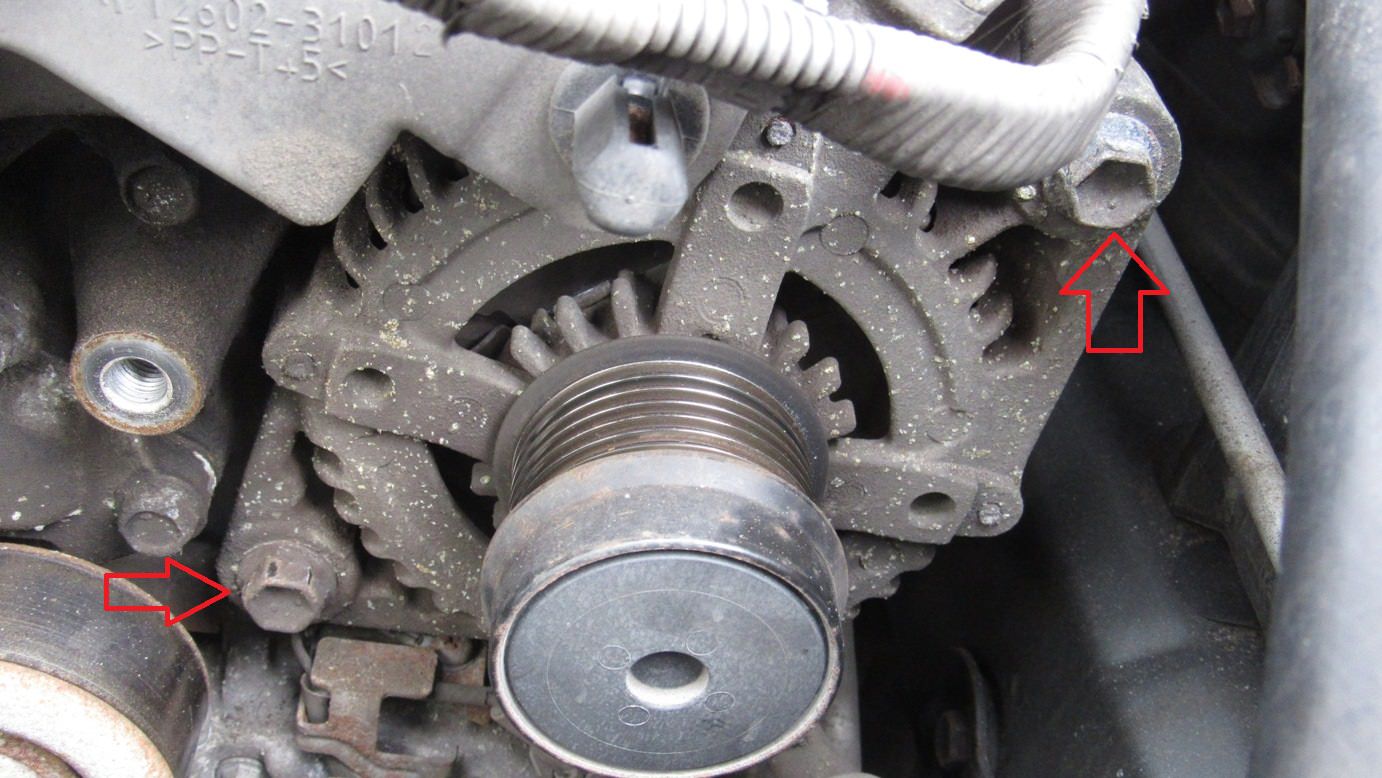
The 2010 Lexus RX 350 uses a high-output 150-amp alternator to power its extensive electronics suite and charge the 12-volt battery. Replacing this unit typically costs between $300 and $750 for parts, depending on whether you choose a new OEM component, a remanufactured unit, or an aftermarket alternative. Labor costs for professional installation generally add another $200 to $400, depending on your local market rates.
Understanding the 2010 Lexus RX 350 Charging System
The charging system in the 2010 Lexus RX 350 is designed to support the vehicle's 3.5-liter 2GR-FE V6 engine and the various electrical demands of the SUV. The alternator is a critical component that converts mechanical energy from the serpentine belt into electrical energy. When the alternator fails, the vehicle relies entirely on the battery, which will typically deplete within minutes or a few miles of driving.
Recognizing a failing alternator early is essential to prevent being stranded. Common symptoms include a dimming dashboard light, a flickering headlight, a high-pitched whining or grinding noise originating from the front of the engine bay, or the illumination of the battery warning light on the instrument cluster. It is vital to distinguish between a dead battery and a failed alternator; a battery that will not hold a charge might simply be at the end of its life, whereas an alternator failure prevents the charging cycle from occurring entirely.
Part Specifications and OEM vs. Aftermarket Options
When selecting an alternator for your 2010 Lexus RX 350, you must ensure the unit meets the specific amperage requirements. The OEM (Original Equipment Manufacturer) unit, typically supplied by Denso for Toyota and Lexus vehicles, is built to precise tolerances.
Types of Replacement Units
- New OEM (Denso): These are the gold standard for reliability. They are factory-new components designed specifically for the mounting points, electrical connectors, and load profiles of the RX 350. While these command the highest price point, they offer the best longevity and compatibility.
- Remanufactured OEM: Often available through dealerships or high-end auto parts retailers, these units use a factory core that has been disassembled, cleaned, and updated with new brushes, bearings, and rectifiers. They offer a balance between reliability and cost.
- Aftermarket New: Produced by third-party manufacturers, these vary significantly in quality. Some reputable brands offer reliable units, while "budget" aftermarket alternators may suffer from shorter lifespans or incorrect voltage regulation, which can potentially damage other sensitive electronic control units (ECUs) in the Lexus.
Pricing Breakdown for 2026
In 2026, the secondary market for 2010 Lexus parts remains stable, but prices fluctuate based on supply chain availability and brand reputation.
| Alternator Type | Estimated Part Price | Quality/Reliability | Core Charge |
|---|---|---|---|
| New OEM (Denso) | $550 – $750 | Excellent | $0 – $50 |
| Remanufactured OEM | $350 – $500 | High | $50 – $150 |
| Quality Aftermarket | $250 – $400 | Moderate | $0 – $50 |
| Budget/Off-Brand | $150 – $250 | Low | $0 |
Note: Core charges are refundable fees you pay upfront and receive back upon returning your old, failed alternator to the seller for recycling.
Prerequisites for Replacement
Attempting an alternator replacement requires a moderate level of mechanical proficiency. The 2010 Lexus RX 350 engine bay is relatively compact, making access to the mounting bolts and electrical connections somewhat tight.
Required Tools and Safety Gear:
- Metric Socket Set: Including 10mm, 12mm, and 14mm sockets, along with various extensions.
- Serpentine Belt Tool: Necessary to release tension on the drive belt.
- Wrench Set: Offset or ratcheting wrenches are helpful for hard-to-reach bolts.
- Safety Equipment: Always wear eye protection and gloves.
- Battery Terminal Disconnect: Mandatory to prevent short circuits during the removal of the alternator's B+ cable.
Steps for Proper Installation
- Disconnect the Battery: Always remove the negative terminal first. This prevents accidental arcing when your tools touch the chassis while loosening the alternator's positive power lead.
- Release Belt Tension: Locate the automatic tensioner and use the belt tool to rotate it, providing enough slack to slip the serpentine belt off the alternator pulley.
- Disconnect Electrical Connections: Unplug the harness connector and remove the nut securing the main battery cable to the back of the alternator.
- Remove Mounting Bolts: Most alternators are secured with two or three bolts. Keep track of which bolt came from which hole, as they may be different lengths.
- Installation: Installation is the reverse of removal. Ensure the mounting brackets are clean of corrosion and that the electrical connections are tight and free of oxidation.
Troubleshooting and Verification
Once the new alternator is installed, it is critical to verify its operation before driving the vehicle. Use a digital multimeter set to DC Voltage. With the engine off, the battery should read approximately 12.6 volts. Once the engine is started, the reading should jump to between 13.5 and 14.5 volts. If the voltage remains below 13 volts, the alternator is not charging, or the drive belt is slipping.
Common Mistakes to Avoid
- Failing to Charge the Battery First: An alternator is designed to maintain a battery's charge, not to charge a completely dead, deep-cycled battery. Forcing an alternator to charge a dead battery can lead to premature failure due to the high electrical load.
- Ignoring the Serpentine Belt: While you have the belt off, inspect it for cracks, fraying, or hardening. Replacing an old belt at the same time is a cost-effective maintenance strategy.
- Over-Tightening Connections: The B+ cable nut on the back of the alternator is attached to a threaded stud that can snap if over-torqued. Use a steady hand and avoid excessive force.
Frequently Asked Questions
Can I drive the RX 350 with a failing alternator? You should not drive the vehicle if the alternator is failing. Once the battery loses its remaining charge, the car will shut down unexpectedly, potentially leaving you in a dangerous location and causing damage to your battery.
Does a 2010 Lexus RX 350 require a special computer reset after alternator replacement? No, the 2010 RX 350 does not typically require a computer reset or "coding" for a new alternator. However, the engine control module may need a few drive cycles to relearn idle speeds if the battery was disconnected for an extended period.
Is there a difference between the RX 350 and the RX 450h alternator? Yes. The RX 450h (Hybrid) uses a completely different system. The hybrid model does not use a traditional belt-driven alternator; instead, it uses the high-voltage motor-generator inside the transmission to charge the 12-volt auxiliary battery.
What is a "Core Charge"? A core charge is a deposit paid at the time of purchase. Manufacturers want the old metal housing and internal components to recycle. Once you return your old alternator, the retailer refunds your core charge.
Should I replace the battery along with the alternator? If your current battery is more than three years old or has been deeply discharged multiple times during the alternator's failure, it is highly recommended to replace it. A weak battery puts excessive stress on a new alternator.
Final Recommendation
For the 2010 Lexus RX 350, the safest investment is a New OEM Denso alternator. While the upfront cost is higher, it ensures compatibility with the vehicle's electrical system and provides the longest service life. If you are performing the work yourself, allocate at least three hours for the process, take high-resolution photos of the wiring and belt routing before starting, and ensure you have a multimeter on hand to verify the repair before taking the vehicle back onto the road. If you are uncertain about your mechanical ability, consult a certified technician to avoid potential damage to the vehicle's electrical system.