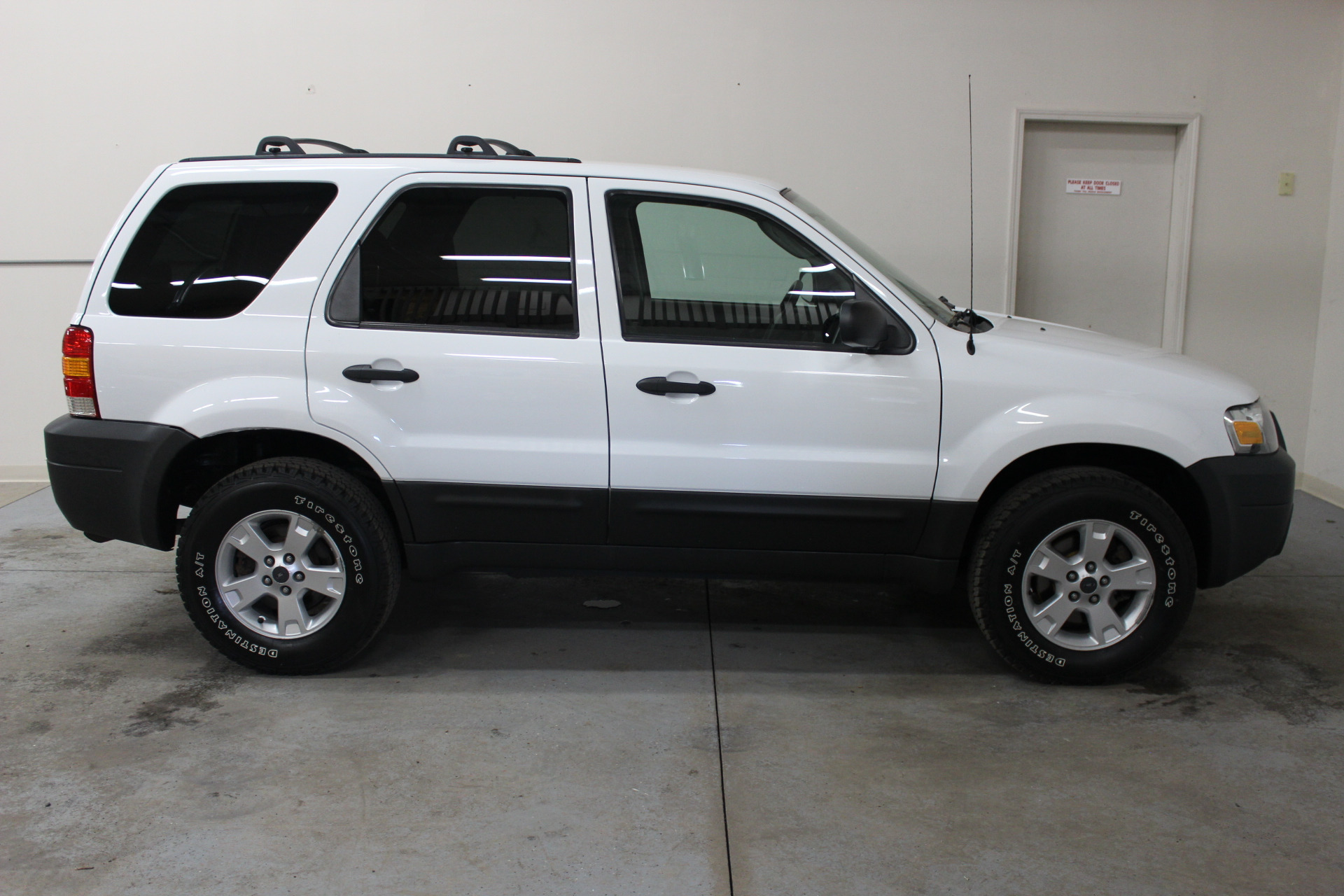
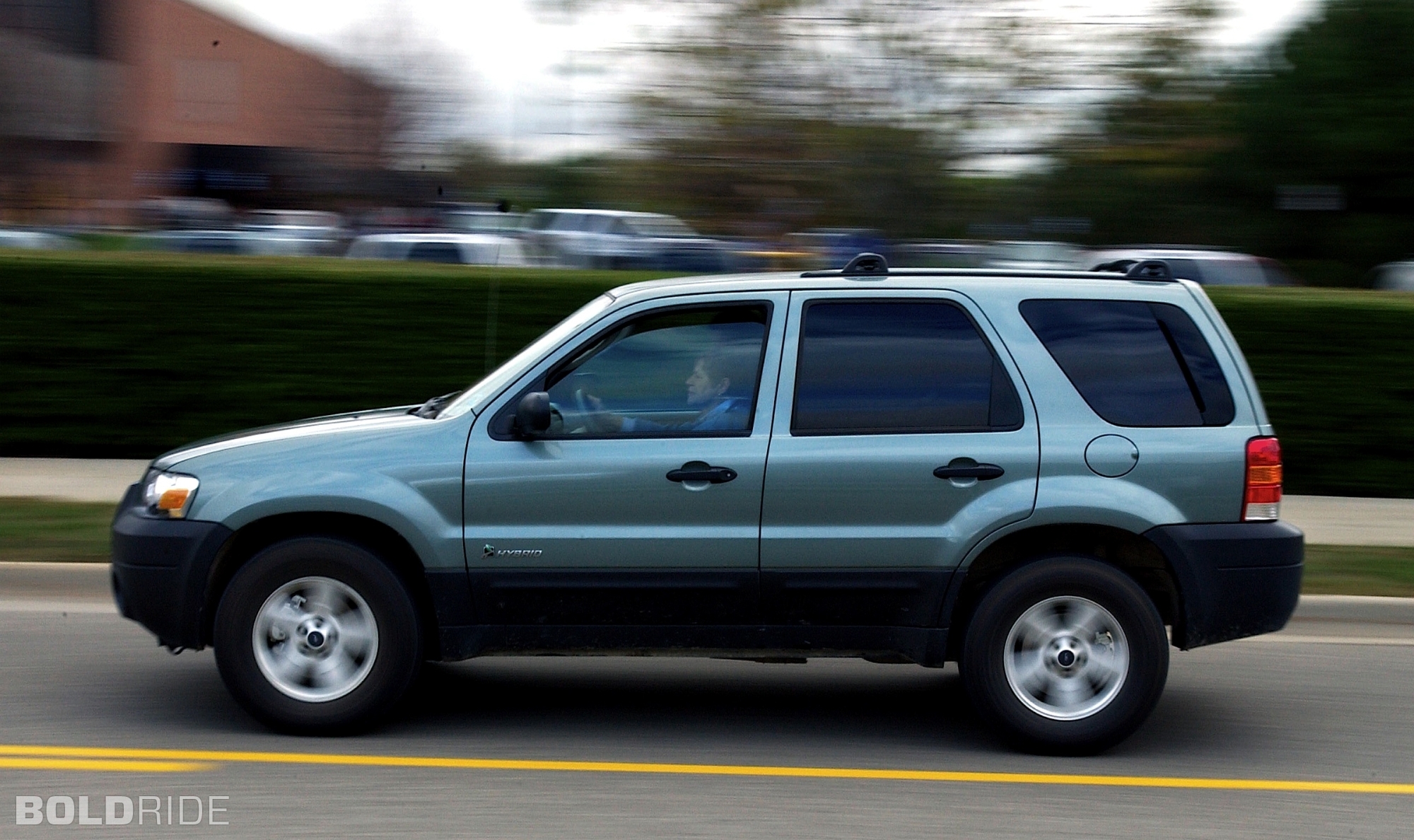
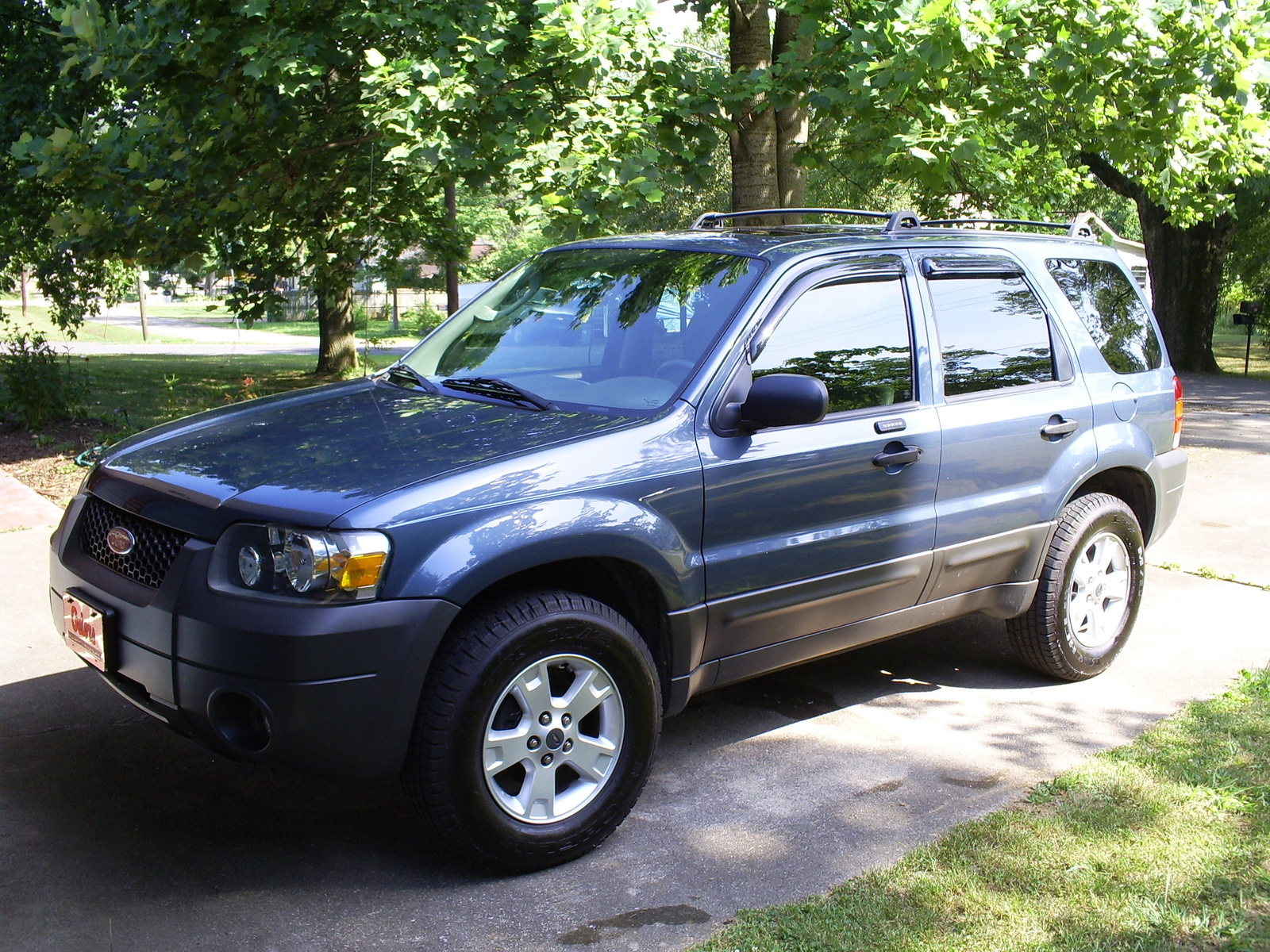
The 2005 Ford Escape is a dependable, truck-styled compact SUV that balances car-like handling with genuine utility, offering a choice of fuel-efficient four-cylinder engines or a robust V6, alongside available Control Trac II four-wheel drive.
Introduction to the 2005 Ford Escape
When the 2005 Ford Escape rolled onto showroom floors, it arrived at a pivotal time for the American automotive market. Consumers were beginning to shift away from traditional, heavy-duty truck-based sport utility vehicles in favor of lighter, more maneuverable, car-based crossovers. Ford positioned the Escape squarely in this burgeoning segment by combining a unibody platform architecture with rugged exterior styling and practical interior packaging. As a mature model year in its first generation—following a notable refresh for 2005 that introduced new powertrain options and revised styling—the 2005 Escape cemented its place as a volume seller for the Blue Oval.
Evaluating this vehicle requires looking past its age to understand how its core attributes hold up under scrutiny. Whether you are inspecting a high-mileage daily driver on the used market or examining a piece of automotive history, the 2005 Escape presents a fascinating study in early-2000s engineering compromises. This review examines its mechanical specifications, interior ergonomics, driving dynamics, common reliability concerns, and overall market value to give prospective buyers and enthusiasts a clear picture of what this compact utility vehicle delivers.
Powertrain Options and Mechanical Specifications
The 2005 model year marked a significant mechanical evolution for the Escape, particularly under the hood. Ford retired the older 2.0-liter Zetec four-cylinder engine, replacing it with a more capable 2.3-liter Duratec 23 four-cylinder powerplant. For buyers demanding more muscle, a tried-and-true 3.0-liter Duratec V6 remained available, bringing substantial power gains for towing and highway passing.
The 2.3L Duratec Four-Cylinder
Producing 153 horsepower at 5,800 rpm and 152 lb-ft of torque at 4,250 rpm, the 2.3-liter dual-overhead-cam (DOHC) engine represented a massive modernization for base models. Unlike its predecessor, this engine featured an aluminum block and head, chain-driven timing, and variable intake valve timing. It could be paired with either a five-speed manual transmission—a rarity in compact SUVs of this era—or a four-speed automatic transmission.
The 3.0L Duratec V6
For buyers prioritizing acceleration and towing capability, the 3.0-liter V6 delivered 200 horsepower at 6,000 rpm and 193 lb-ft of torque at 4,850 rpm. This V6 was paired exclusively with a four-speed automatic transmission. While four speeds felt adequate in 2005, modern drivers may find the transmission gearing leaves gaps on steep inclines, though the engine's broad torque band compensates reasonably well.
Drivetrain Configurations
The 2005 Ford Escape was offered in both front-wheel drive (FWD) and four-wheel drive (4WD) layouts. The 4WD system utilized Ford’s Control Trac II setup, featuring an electronic rotary dash switch allowing drivers to select between 2WD, 4WD Auto, and 4WD Lock modes. In 4WD Auto, an electromagnetic rotary blade coupling monitors wheel slip and seamlessly transfers torque to the rear wheels when traction is compromised at the front.
Interior Comfort, Packaging, and Ergonomics
Inside the cabin, the 2005 Ford Escape prioritizes utilitarian function over luxury, utilizing durable plastics and straightforward controls that have proven remarkably resistant to heavy wear. The upright dashboard design maximizes forward visibility and creates an airy feel inside a relatively compact footprint.
Seating and Cargo Versatility
The cabin accommodates up to five passengers. Front-row occupants benefit from supportive, high-mounted seats that offer a commanding view of the road. Rear legroom is competitive for the compact SUV segment, though adult passengers on long journeys might find knee space slightly tight if front occupants are tall.
Cargo management is one of the Escape's strongest suits. The rear 60/40 split-folding bench seat folds flat with minimal effort, expanding the initial cargo area into a cavernous flat floor. A standout feature across multiple trim levels is the flip-up glass hatch, which allows users to load smaller grocery bags or gear without opening the entire liftgate—a convenience heavily praised in tight parking spaces.
Trim Levels
Ford structured the 2005 lineup across three primary trim levels:
- XLS: The entry-level model, typically equipped with the 2.3L engine, manual transmission, power windows, and air conditioning.
- XLT: The volume-selling mid-tier trim, adding alloy wheels, power driver’s seat, premium audio, and availability of the V6 engine and leather upholstery packages.
- Limited: The range-topping luxury trim, featuring monochrome exterior body cladding, leather seating surfaces, a power moonroof, and upgraded audio systems.
| Trim Level | Standard Engine | Available Transmission | Drivetrain Options | Key Standard Features |
|---|---|---|---|---|
| XLS | 2.3L I4 | 5-Speed Manual / 4-Speed Auto | FWD / 4WD | A/C, Power Windows, AM/FM/CD |
| XLT | 2.3L I4 or 3.0L V6 | 4-Speed Auto (Manual opt. on I4) | FWD / 4WD | Alloy Wheels, Power Driver Seat, Keyless Entry |
| Limited | 3.0L V6 | 4-Speed Auto | FWD / 4WD | Leather Seats, Moonroof, Premium Sound |
Driving Dynamics and On-Road Performance
Unlike many of its body-on-frame contemporaries that drove like lumbering trucks, the 2005 Ford Escape utilized a car-like unibody structure complemented by a four-wheel independent suspension system—MacPherson struts up front and a multilink setup in the rear. This engineering choice paid massive dividends in ride quality and handling agility.
On twisting backroads, body roll is well-controlled for an SUV of this vintage, and the rack-and-pinion steering provides surprisingly communicative feedback. While it cannot match a dedicated sport sedan, it feels nimble in tight urban environments and maneuvers easily into narrow parking spaces.
Ride comfort on the highway is generally composed, though harsher road imperfections can send minor shudders through the cabin, particularly on models equipped with larger 16-inch alloy wheels and stiffer suspension tuning. Wind and road noise at highway speeds are present, matching expectations for compact sport utility vehicles built in the mid-2000s.
Fuel Economy and Operating Costs
Fuel efficiency for the 2005 Ford Escape varies significantly depending on whether you select the four-cylinder or V6 engine, as well as front-wheel versus four-wheel drive configurations.
When equipped with the 2.3-liter engine and front-wheel drive, the Escape achieves respectable fuel economy figures for its era, hovering around 22 mpg city and 25 to 27 mpg highway. Upgrading to the 3.0-liter V6 with four-wheel drive drops those numbers noticeably, returning approximately 18 mpg in city driving and 22 to 23 mpg on the highway.
From a maintenance standpoint, the 2005 Escape benefits from widespread parts availability and mechanical simplicity. Because Ford shared components across numerous platforms during this era, replacement parts—ranging from suspension bushings to alternators—remain widely accessible and affordable, making it an excellent candidate for DIY maintenance.
Common Reliability Concerns and Maintenance Watchpoints
While the 2005 Ford Escape earned a reputation for durability, inspecting a pre-owned example today requires vigilance regarding several well-documented mechanical and structural pain points.
Suspension and Structural Rust
One of the most critical inspection areas on a 2005 Escape is the rear wheel well and subframe mounting points. Rust can accumulate in the rear shock towers, potentially compromising structural integrity. Prospective buyers should thoroughly inspect the underside with a flashlight, checking for excessive corrosion around the suspension mounting brackets.
Transmission Durability
The four-speed automatic transmission (CD4E) used in this era requires diligent fluid changes. Neglected transmissions can suffer from harsh shifting, slipping, or premature internal wear. A test drive should include verifying smooth, hesitation-free gear engagement across all ratios, particularly when the transmission is fully warmed up.
Brake Calipers and ABS Modules
Owners have occasionally reported issues with sticking rear brake calipers or front ABS sensor corrosion. Ensuring the braking system exhibits no pulling or pulsing during application is vital during a pre-purchase inspection.
Frequently Asked Questions
Is the 2005 Ford Escape a reliable used car?
Yes, when properly maintained, the 2005 Ford Escape is generally considered reliable. The 2.3L four-cylinder engine and manual transmission configurations are particularly robust, though buyers must verify the condition of the rear suspension towers and automatic transmission fluid health.
What is the towing capacity of a 2005 Ford Escape?
When properly equipped with the 3.0L V6 engine and the factory towing package, the 2005 Ford Escape can tow up to 3,500 pounds. Four-cylinder models are generally limited to a 1,500-pound towing capacity and are best suited for light utility trailers.
Does the 2005 Ford Escape have good safety ratings?
In crash testing conducted during its production run, the 2005 Escape performed creditably for its era, earning high marks in front-impact evaluations by safety agencies, though side-impact protection is more basic compared to modern safety standards.
How does the 2005 Escape compare to the Escape Hybrid?
While the standard 2005 Escape relies entirely on internal combustion engines, Ford also introduced the Escape Hybrid in 2005. The Hybrid variant paired a 2.3L Atkinson-cycle engine with an electric motor and an electronically controlled continuously variable transmission (eCVT), delivering significantly higher city fuel economy at the expense of a more complex hybrid battery system.
What common problems should I look for when buying one?
Prioritize inspecting the rear shock towers for rust, check for smooth automatic transmission shifting, listen for timing chain rattle on high-mileage four-cylinder models, and verify that the four-wheel-drive system engages correctly in both Auto and Lock modes.
Final Verdict and Buying Recommendation
The 2005 Ford Escape occupies a sweet spot for budget-conscious buyers seeking a versatile, high-riding utility vehicle without modern electronic complexity. While it lacks the advanced safety aids and premium cabin materials of contemporary crossovers, its mechanical straightforwardness, cargo flexibility, and nimble driving dynamics keep it relevant. For maximum reliability and economy, seek out a well-maintained 2.3-liter model with documented service history, or choose the V6 if towing capability and highway passing power are non-negotiable requirements.