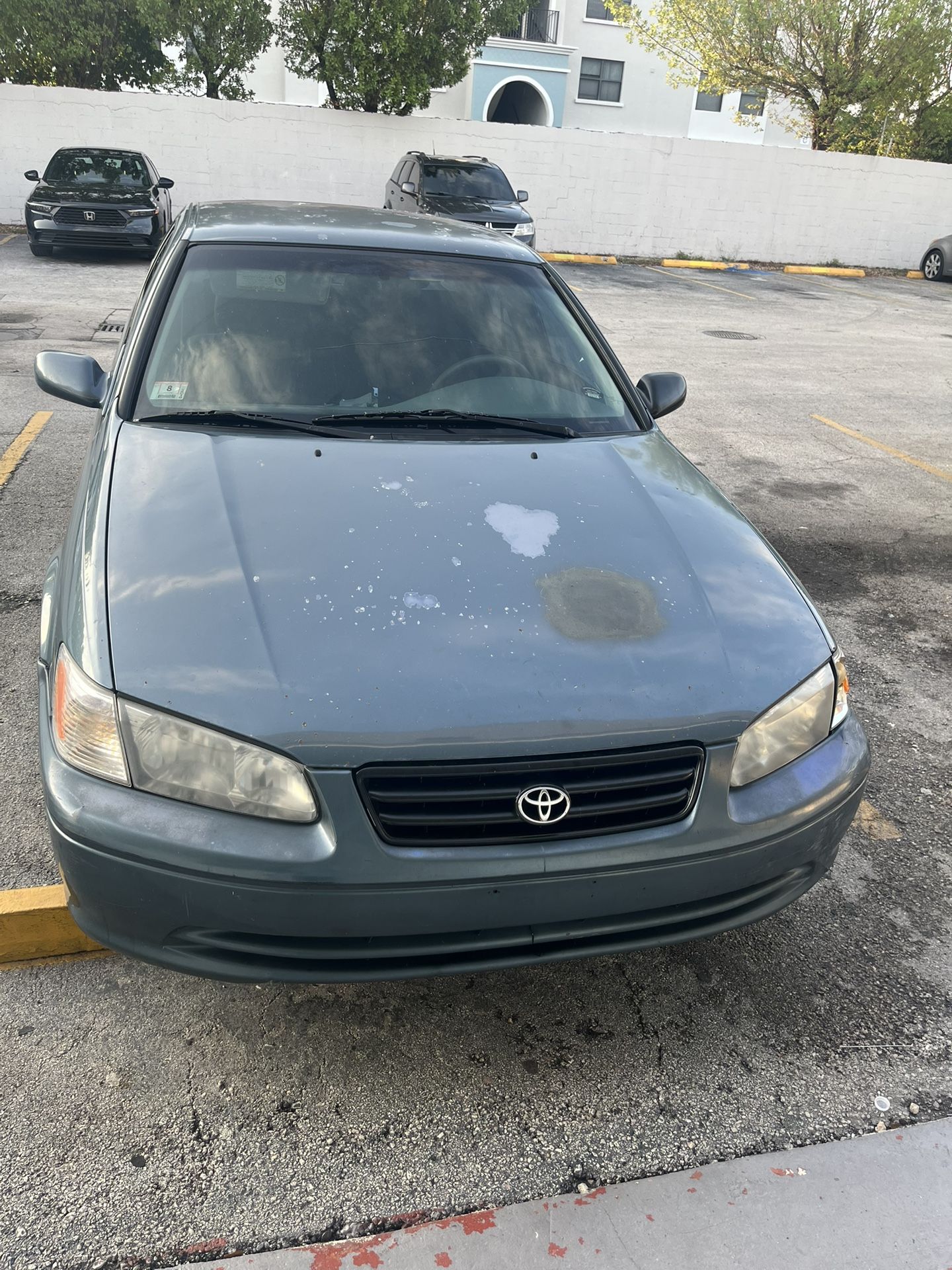
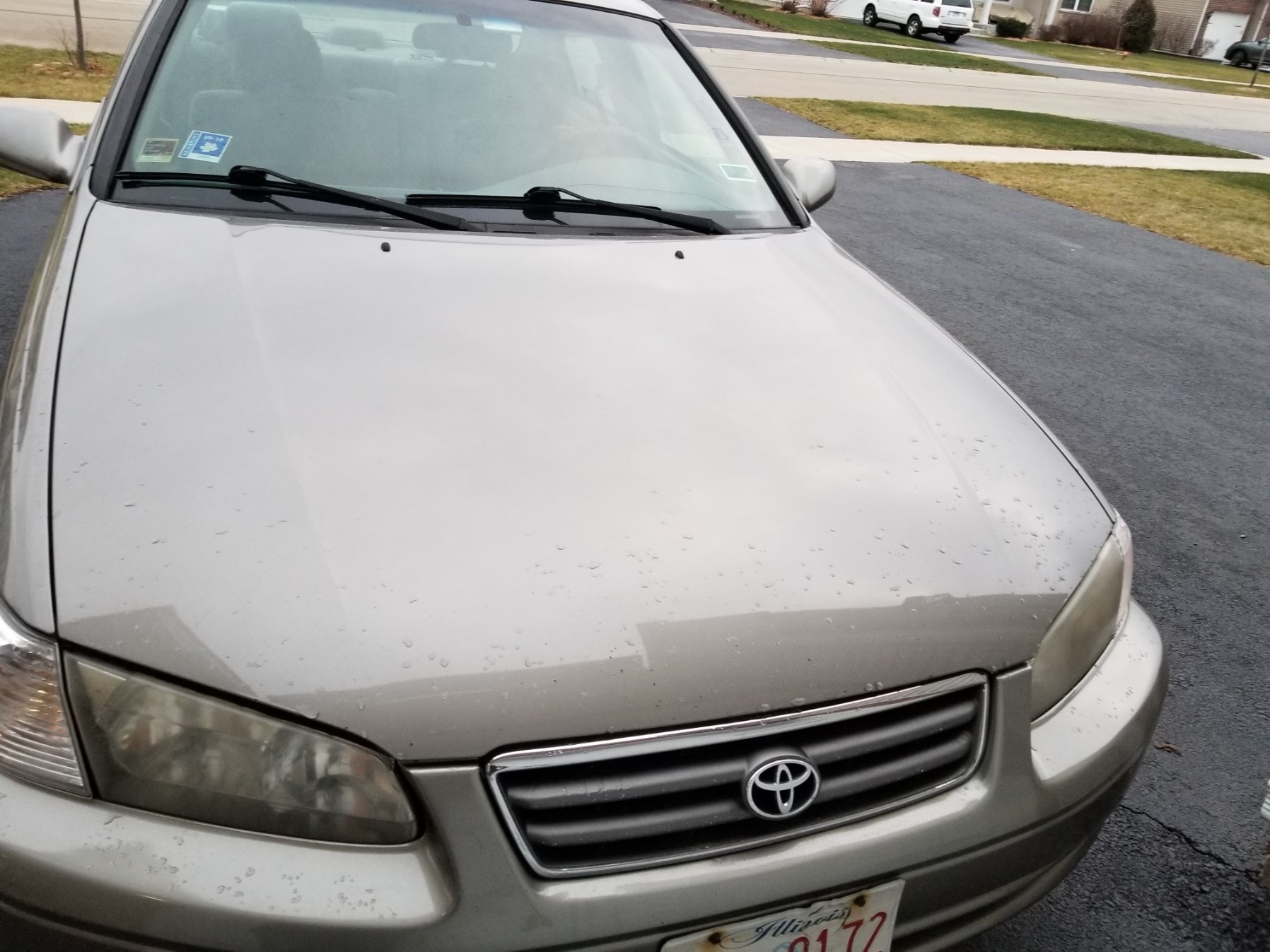
The 2000 Toyota Camry is widely regarded by automotive historians and high-mileage owners as a high-water mark for mid-size sedan durability. While the "SE" designation for the 2000 model year primarily applies to the Camry Solara coupe, owners of both the sedan and coupe variants benefit from the over-engineered XV20 platform, renowned for its mechanical simplicity and longevity.
Owning a 2000 Toyota Camry in 2026 requires a shift in perspective. You are no longer just driving a "used car"; you are maintaining a modern classic that has survived over a quarter-century of service. Whether you possess the rare Solara SE or the more common LE and XLE sedan trims, understanding the specific engineering quirks of this generation is essential for keeping it on the road for another decade. This guide provides a deep dive into technical specifications, critical maintenance requirements, and troubleshooting strategies tailored for long-term owners.
Disambiguating the SE Trim and the XV20 Platform
For owners searching for "2000 Toyota Camry SE" information, it is important to clarify a specific point of Toyota history. During the XV20 production run (1997–2001), Toyota did not offer an "SE" (Sport Edition) trim for the four-door sedan in the North American market. Instead, the sedan was available in CE (Classic Edition), LE (Luxury Edition), and XLE (Excel Luxury Edition) trims.
The "SE" badge was reserved for the 2000 Toyota Camry Solara, the two-door coupe and convertible sibling of the sedan. The Solara SE was designed to offer a slightly more spirited driving experience, featuring a firmer suspension tuning and a more driver-centric interior. Despite the body style differences, the Solara SE and the Camry sedan share the same powertrain, chassis components, and many interior parts. Consequently, maintenance and mechanical advice for the 2000 Camry apply almost universally across both the sedan and the Solara SE.
Engine Specifications: The 5S-FE vs. the 1MZ-FE
The heart of the 2000 Camry's reputation lies in its two available engines. As an owner, identifying which engine you have is the first step in creating a maintenance plan.
The 2.2-Liter Inline-4 (5S-FE)
The 2.2L 5S-FE is often cited as one of the most reliable engines Toyota ever produced. It produces approximately 133 horsepower and 147 lb-ft of torque. While not powerful by 2026 standards, its simplicity is its greatest asset.
- Non-Interference Design: One of the most critical facts for owners is that the 5S-FE is a non-interference engine. If the timing belt snaps while driving, the pistons will not strike the valves, meaning you won't suffer catastrophic engine failure—you'll simply coast to a stop and need a tow.
- Serviceability: There is ample room in the engine bay, making it an ideal vehicle for DIY owners to learn basic mechanics.
The 3.0-Liter V6 (1MZ-FE)
The 1MZ-FE V6 offers a significant jump in refinement and power, producing 194 horsepower and 209 lb-ft of torque. This engine features an aluminum block and was one of the first Toyota V6s to emphasize weight reduction and smooth power delivery.
- Interference vs. Non-Interference: While earlier versions of the 1MZ-FE were non-interference, the introduction of VVT-i (Variable Valve Timing with intelligence) in some later models complicated this. The 2000 Camry V6 generally remains non-interference, but it is much riskier to let the timing belt lapse compared to the 4-cylinder.
- Oil Sludge Concerns: This engine is historically associated with "oil gel" or "sludge" issues if oil changes were neglected. Owners in 2026 must be diligent with high-quality synthetic oil to prevent internal blockages.
| Specification | 2.2L 4-Cylinder (5S-FE) | 3.0L V6 (1MZ-FE) |
|---|---|---|
| Horsepower | 133 hp @ 5,200 rpm | 194 hp @ 5,200 rpm |
| Torque | 147 lb-ft @ 4,400 rpm | 209 lb-ft @ 4,400 rpm |
| Timing Type | Belt (Non-Interference) | Belt (Non-Interference) |
| Oil Capacity | 3.8 Quarts (with filter) | 5.0 Quarts (with filter) |
| Spark Plug Interval | 30,000 Miles (Standard) | 60,000 Miles (Platinum) |
| Fuel Economy (Avg) | 23-30 MPG | 19-27 MPG |
Critical Maintenance for High-Mileage Owners
By 2026, most 2000 Camrys have surpassed 200,000 miles. At this stage, maintenance is less about "routine checkups" and more about "preventative restoration."
The Timing Belt and Water Pump
The timing belt is the most critical service item. Toyota originally recommended a 60,000 to 90,000-mile interval. If you do not have a service record indicating the belt was changed within the last seven years, it should be replaced immediately. Always replace the water pump, idler pulleys, and tensioners at the same time, as these components are buried behind the timing cover and require the same labor to access.
Cooling System Integrity
The 2000 Camry uses a radiator with plastic end tanks crimped onto an aluminum core. Over 26 years, these plastic tanks become brittle. Look for "pink crust" (dried Toyota Long Life Coolant) around the top of the radiator or the seams. If the radiator original, it is a ticking time bomb. A sudden crack can lead to overheating, which can warp the cylinder head—especially on the V6 models.
Suspension and "The Ghost in the Rear"
A common complaint among XV20 owners is a "clunking" or "rattling" sound from the rear suspension when going over small bumps. This is almost always caused by worn-out sway bar bushings or end links. These are inexpensive parts that can be replaced in under an hour and drastically improve the car's ride quality. Additionally, the strut mounts (the hats at the top of the shock absorbers) tend to harden and crack, leading to a harsh ride.
Troubleshooting Common XV20 Issues
Even the most reliable cars have "achilles heels." For the 2000 Camry, these issues are well-documented and manageable for a dedicated owner.
Exterior Door Handle Failure
The exterior door handles on the 1997–2001 Camry are notorious for snapping. They are made of plastic that degrades with UV exposure. If your door handle feels "mushy" or fails to open the door, the internal plastic pivot has likely broken. Replacement handles are widely available in the aftermarket, though color-matching them to your specific paint code may require a trip to a body shop or the use of specialized aerosol automotive paint.
The "Dog Bone" Engine Mount
If you notice excessive vibration in the steering wheel while stopped at a red light in "Drive," the culprit is likely the upper engine torque strut mount, commonly called the "dog bone" mount due to its shape. This mount absorbs the engine's rocking motion. Because it is located at the top of the engine bay on the passenger side, it is extremely easy to replace with basic hand tools. Replacing a collapsed dog bone mount often restores the "like-new" smoothness for which the Camry was famous.
EGR System and Check Engine Lights
The Exhaust Gas Recirculation (EGR) system on the 2000 Camry frequently triggers the Check Engine Light (CEL), specifically codes P0401 (Insufficient Flow). This is often caused by carbon buildup in the EGR passage or a failing VSV (Vacuum Switching Valve). Before replacing expensive sensors, many owners find success by cleaning the EGR valve and the modulator with intake cleaner.
Modernizing the 2000 Camry for 2026
Driving a 26-year-old car doesn't mean you have to sacrifice modern conveniences. Because the 2000 Camry uses a standard Double-DIN radio slot, it is one of the easiest vehicles to modernize.
- Infotainment: Installing a modern head unit with Apple CarPlay or Android Auto is a "weekend project" that brings the car into the 2020s. This provides GPS navigation, hands-free calling, and high-fidelity audio.
- Lighting: The original halogen headlights often become "yellowed" and cloudy due to oxidation. While polishing kits work temporarily, replacing the entire headlight housing is relatively inexpensive and significantly improves night visibility. Upgrading to high-quality LED bulbs (ensuring they are aimed correctly) can further enhance safety.
- Backup Camera: When installing a new radio, adding a license-plate-mounted backup camera is a low-cost safety upgrade that compensates for the Camry's slightly high rear decklid.
Safety and Structural Integrity
The 2000 Toyota Camry was a leader in safety for its time, featuring dual front airbags and optional side-impact airbags. However, owners should be aware of the evolution of safety standards. While the Camry’s "crumple zones" are effective, it lacks the advanced high-strength steel and curtain airbags found in modern vehicles.
As an owner, you must ensure that your safety systems are functional. If the SRS (Airbag) light is on, the system is likely disabled. Common causes include a failing "clock spring" in the steering wheel or a loose connection under the front seats. Given the age of the vehicle, verifying the integrity of the seatbelts (ensuring they retract quickly and aren't frayed) is a vital but often overlooked safety check.
Longevity and Resale Value in 2026
In the current automotive landscape of 2026, the 2000 Toyota Camry has attained a unique status. As newer vehicles become increasingly complex with turbochargers, hybrid batteries, and integrated touchscreens that are expensive to repair, the simplicity of the XV20 Camry makes it highly desirable for budget-conscious drivers and "right-to-repair" enthusiasts.
A well-maintained 2000 Camry with under 150,000 miles can command a surprising premium in the used market. Collectors are beginning to take interest in the Solara SE and the XLE V6 models, particularly those in "survivor" condition. For the average owner, the value lies in the "cost per mile." With basic maintenance, these cars can easily reach 300,000 or even 400,000 miles on the original powertrain, making them one of the most cost-effective transportation solutions in history.
Frequently Asked Questions
Is the 2000 Toyota Camry a good first car?
Yes, it is arguably one of the best first cars available. It is mechanically forgiving, easy to park, and has excellent visibility. Parts are abundant and inexpensive at every local auto parts store. Its lack of modern distractions (like large touchscreens) also helps new drivers stay focused on the road.
What kind of oil should I use in my 2000 Camry?
For both the 4-cylinder and V6 engines, a high-quality 5W-30 oil is recommended. Given the age of the seals, a "High Mileage" synthetic blend or full synthetic oil is preferable. These oils contain seal conditioners that can help prevent or slow down minor oil seeps from the valve cover gaskets.
Why is my 2000 Camry leaking oil from the distributor area?
The 4-cylinder 5S-FE engine often develops a leak at the distributor O-ring. This is a very common and inexpensive fix. If left unaddressed, the oil can drip onto the heater hoses below, causing the rubber to soften and eventually burst, leading to a cooling system failure.
Does the 2000 Toyota Camry have anti-lock brakes (ABS)?
ABS was optional on the 2000 Camry LE and standard on the XLE and some Solara SE models. To check if your car has it, look for the ABS actuator—a silver block with several metal brake lines coming out of it—located in the engine bay near the passenger-side firewall. You can also look for the ABS warning light on the dashboard during the initial "bulb check" when you turn the key to the ON position.
How do I fix the "stuck" power windows?
The power window regulators on this generation can occasionally fail or become sluggish. Often, the rubber window tracks have become dry and "sticky." Applying a small amount of silicone spray lubricant to the window channels can reduce friction and allow the window to slide more easily, potentially extending the life of the window motor.
Recommendation for Owners
If you own a 2000 Toyota Camry SE (Solara) or sedan, your primary goal should be fluid hygiene. The engine and transmission are robust, but they rely on clean oil and coolant to manage heat and friction. Change your oil every 5,000 miles, drain and fill your transmission fluid every 30,000 miles, and ensure your cooling system is free of leaks. By addressing the small "rubber and plastic" issues—such as door handles, bushings, and vacuum lines—as they arise, you can ensure that your Camry remains a reliable partner on the road for years to come.
Official resources for parts diagrams and technical service bulletins can be found through the Toyota Owners Portal or by visiting the NHTSA Database to verify that all historical safety recalls have been addressed for your specific VIN.