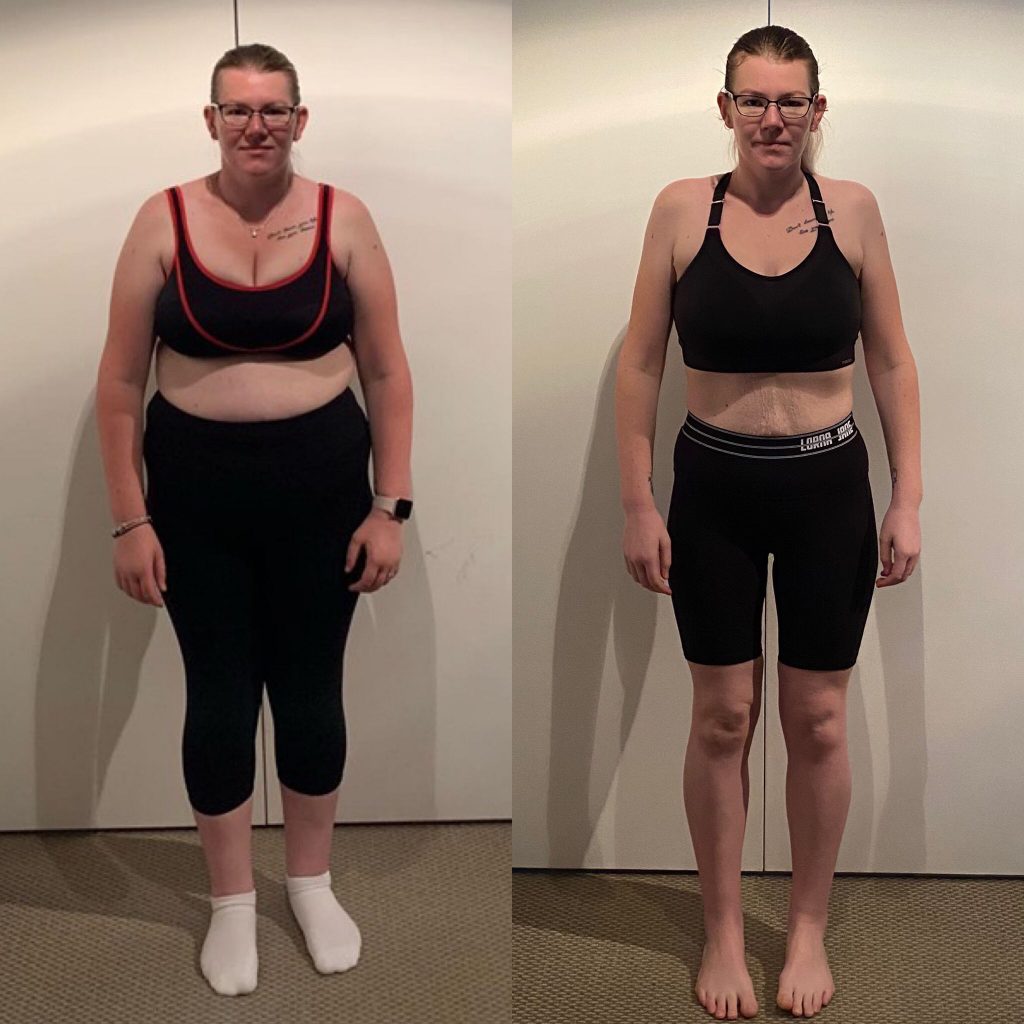
Embarking on a 2 month transformation weight loss journey requires a balanced approach centered on a sustainable caloric deficit, consistent physical activity, adequate sleep, and behavior management. Safe and realistic fat loss over an eight-week period generally ranges from 8 to 16 pounds, depending on individual starting weight, metabolic health, and adherence.
Understanding the Reality of an 8-Week Weight Loss Timeline
An eight-week timeframe is a popular duration for short-term fitness challenges, personal milestones, or kickstarting a healthier lifestyle. However, navigating this period requires separating internet-fueled myths from physiological realities. Human metabolism operates under specific thermodynamic and biological laws that govern how fast adipose tissue can be mobilized and oxidized.
When exploring a 2 month transformation weight loss plan, individuals often encounter aggressive promises of shedding 20 or 30 pounds in 60 days. While initial drops on the scale can sometimes appear dramatic, a significant portion of early weight loss is often water weight and depleted glycogen stores rather than pure body fat. Understanding this distinction prevents discouragement when the initial rapid drop stabilizes into a steady, sustainable rate of progress.
Health organizations, including the Centers for Disease Control and Prevention (CDC), consistently recommend a safe and sustainable weight loss rate of 1 to 2 pounds per week. Over an 8-week period, this translates to a realistic target of 8 to 16 pounds of actual fat loss. Attempting to accelerate this process through extreme starvation or overtraining frequently backfires, leading to muscle catabolism, severe fatigue, nutrient deficiencies, and metabolic adaptation.
Establishing the Nutritional Foundation: The Caloric Deficit
The cornerstone of any successful weight loss transformation is the caloric deficit, a metabolic state in which energy expenditure exceeds energy intake. Without a properly managed caloric deficit, no amount of exercise or supplementation will produce consistent fat loss.
To determine the appropriate caloric intake, individuals must first calculate their Total Daily Energy Expenditure (TDEE). TDEE encompasses:
- Basal Metabolic Rate (BMR): The energy expended while at rest to maintain vital life functions.
- Thermic Effect of Food (TEF): The energy required to digest, absorb, and process nutrients.
- Exercise Activity Thermogenesis (EAT): Calories burned during intentional physical exercise.
- Non-Exercise Activity Thermogenesis (NEAT): Calories burned through daily movements, such as walking, fidgeting, and standing.
Once TDEE is established, creating a moderate caloric deficit of 500 to 750 calories per day generally yields the targeted 1 to 2 pounds of weekly weight loss. For sustainable energy and muscle preservation during a 2 month transformation weight loss program, crash dieting below 1,200 calories per day for women or 1,500 calories per day for men is strongly discouraged by clinical nutritionists and dietitians.
Macronutrient Optimization for Fat Loss
Managing macronutrients—protein, carbohydrates, and fats—ensures that the weight lost is primarily fat rather than lean muscle tissue.
- Protein: Essential for muscle protein synthesis and satiety. Consuming 0.8 to 1.0 grams of protein per pound of target body weight helps preserve lean mass during a caloric deficit and blunts hunger hormones like ghrelin.
- Fats: Necessary for hormonal regulation, cellular integrity, and the absorption of fat-soluble vitamins (A, D, E, and K). Healthy sources include olive oil, avocados, nuts, and fatty fish.
- Carbohydrates: Provide the primary fuel source for high-intensity physical activity and cognitive function. Prioritizing complex, fiber-rich carbohydrates such as oats, quinoa, sweet potatoes, and legumes supports stable blood sugar levels.
Designing an Effective 8-Week Exercise Routine
Exercise amplifies the effects of a caloric deficit by increasing total energy expenditure and preserving or building lean muscle mass. A well-rounded 8-week training program balances resistance training with cardiovascular conditioning.
The Role of Resistance Training
Resistance training is non-negotiable during a body transformation. When the body enters a caloric deficit, it can break down both fat and muscle tissue for energy. Lifting weights signals the body that muscle tissue is actively required, shifting the primary source of weight loss toward adipose tissue.
Furthermore, maintaining or increasing muscle mass elevates resting metabolic rate, making long-term weight maintenance significantly more manageable. An effective routine incorporates compound movements—such as squats, deadlifts, bench presses, rows, and overhead presses—performed 3 to 4 times per week.
Incorporating Cardiovascular Exercise
Cardiovascular exercise increases weekly caloric expenditure and supports cardiovascular health. A balanced approach combines steady-state cardio (LISS) with high-intensity interval training (HIIT).
- LISS (Low-Intensity Steady-State): Activities like brisk walking, cycling, or swimming performed at a conversational pace. This method is low-stress, easy to recover from, and highly effective for accumulating daily step counts (e.g., aiming for 8,000 to 10,000 steps per day).
- HIIT (High-Intensity Interval Training): Short bursts of maximum-effort work followed by periods of rest or low-intensity recovery. While efficient, HIIT should be limited to 1 or 2 sessions per week to prevent central nervous system fatigue and joint strain, which can interfere with resistance training recovery.
Tracking Progress and Metrics Beyond the Scale
Relying solely on bathroom scales can create a skewed perception of progress. Body weight fluctuates daily due to water retention, sodium intake, carbohydrate storage, hormonal fluctuations, and digestive contents.
To gain an accurate picture of an 8-week transformation, utilize multiple tracking methods:
| Tracking Method | What It Measures | Best Practice Frequency |
|---|---|---|
| Digital Scale | Total gravitational pull of body mass (fat, bone, water, muscle) | Weigh daily under identical conditions, track weekly averages |
| Progress Photos | Visual changes in body composition and posture | Take photos every 2 weeks in consistent lighting and clothing |
| Tape Measurements | Circumference changes (waist, hips, thighs, arms) | Measure every 2 to 4 weeks using a spring-tension tape measure |
| Garment Fit | Practical assessment of clothing tightness or looseness | Check fit every 2 weeks |
Common Pitfalls and Troubleshooting
Many well-designed 2 month transformation weight loss plans stall due to predictable pitfalls. Recognizing and correcting these errors early ensures steady progress through week eight.
Chronic Undereating and Metabolic Fatigue
Cutting calories too drastically from day one leaves no room for further reductions when weight loss inevitably slows. If progress stalls after week four, a common mistake is cutting calories even further. Instead, a strategic diet break or minor adjustment in activity levels is often required to reset leptin and ghrelin signaling.
Underestimating Liquid Calories and Portion Sizes
Beverages such as sweetened coffees, sodas, fruit juices, and alcoholic drinks can easily consume hundreds of hidden calories. Similarly, failing to use a digital food scale for calorie tracking often leads to underestimating actual intake by 20% to 50%.
Neglecting Sleep and Stress Management
Elevated cortisol levels resulting from chronic sleep deprivation and psychological stress promote visceral fat storage, increase appetite for hyperpalatable foods, and impair muscle recovery. Prioritizing 7 to 9 hours of quality sleep per night is just as critical as diet and exercise.
Frequently Asked Questions
Can I spot-reduce belly fat during a 2-month transformation?
Spot reduction—losing fat from a specific area of the body by exercising that specific muscle group—is physiologically impossible. When the body enters a caloric deficit, it mobilizes stored fat from various depots determined by genetics, hormones, and sex. Core exercises like planks and crunches strengthen abdominal muscles, but overall fat loss through a caloric deficit is required to reveal them.
What should I do if my weight loss stops completely after 4 weeks?
A weight loss plateau is a normal physiological response to prolonged caloric restriction, known as metabolic adaptation. First, verify your daily tracking accuracy to ensure no caloric creep has occurred. If intake is accurate and activity is consistent, consider maintaining your current intake for a week or slightly increasing daily step counts before making further adjustments to your meal plan.
Is it safe to use fat burner supplements for an 8-week challenge?
Most commercial fat burners offer negligible benefits while carrying potential side effects such as elevated heart rate, anxiety, elevated blood pressure, and digestive distress. Thermogenic supplements do not replace a caloric deficit. Focus instead on whole foods, adequate protein, hydration, and consistent physical training.
How do I maintain my weight loss after the 8 weeks are over?
Transitioning out of a caloric deficit requires a reverse dieting approach or gradually increasing daily calories back to a balanced maintenance level. Rapidly returning to pre-transformation eating habits often triggers rapid weight regain. Establishing lifelong habits around mindful eating, regular physical activity, and stress management ensures long-term success.
Should I consult a doctor before starting a weight loss program?
Yes. Anyone with pre-existing medical conditions, cardiovascular concerns, metabolic disorders, or those taking prescription medications should consult a qualified healthcare professional or sports dietitian before beginning a significant dietary change or rigorous exercise regimen.
Next Actions for Your 8-Week Journey
To begin your transformation effectively, calculate your baseline TDEE using a validated formula, establish a moderate caloric deficit of 500 calories per day, and schedule 3 to 4 resistance training sessions per week. Focus on consistency over perfection, prioritize protein and sleep, and track multiple progress metrics rather than relying solely on the scale.