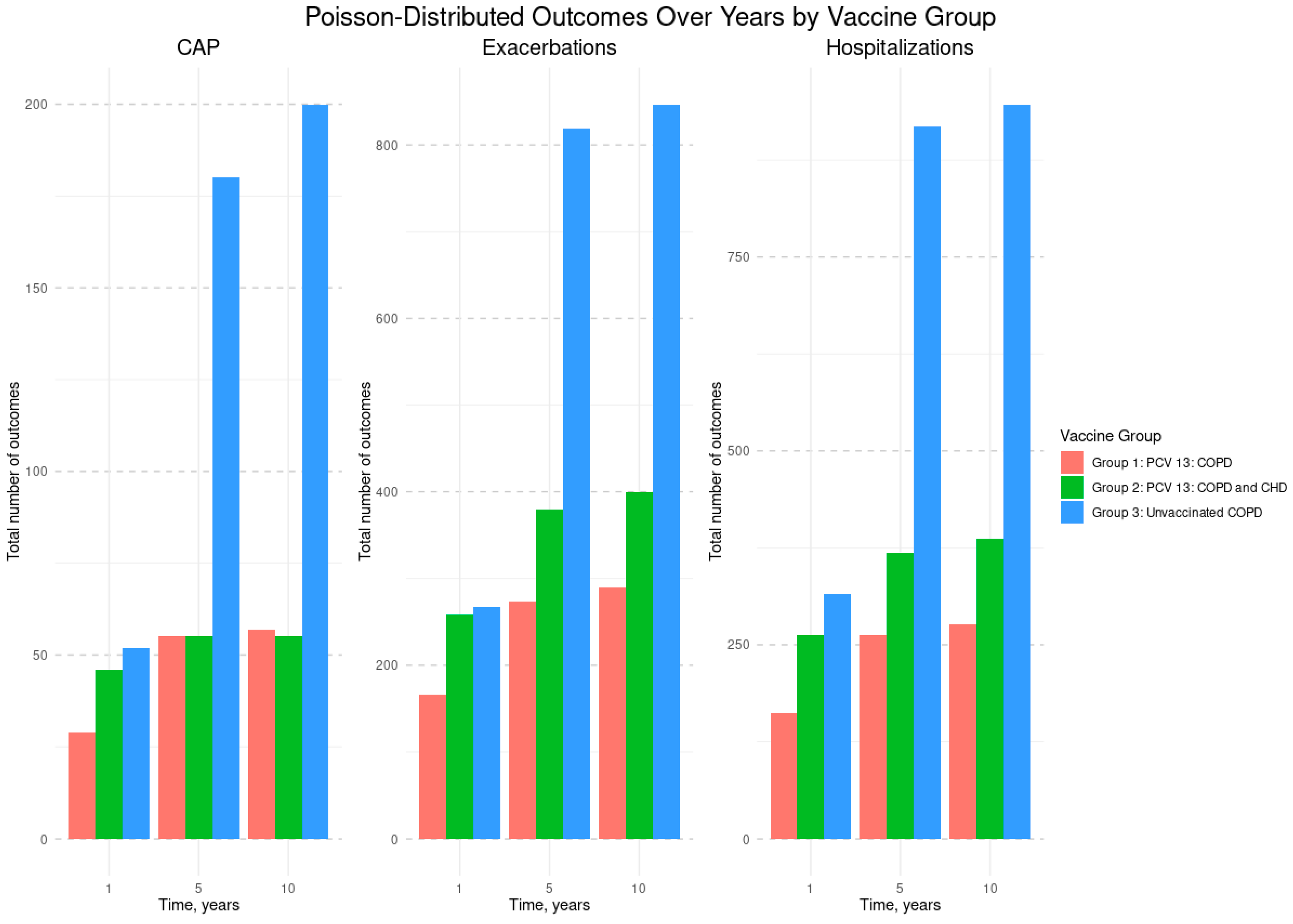
The 13-valent pneumococcal conjugate vaccine (PCV13) is a vital public health tool that protects against 13 specific strains of Streptococcus pneumoniae bacteria. It matters because it significantly reduces the incidence of life-threatening invasive diseases like meningitis and sepsis, prevents common infections such as pneumonia and ear infections, and provides "herd immunity" that protects unvaccinated members of the community.
The Significance of Pneumococcal Protection
Pneumococcal disease remains a leading cause of vaccine-preventable illness and death worldwide. The culprit, Streptococcus pneumoniae, is a complex bacterium with over 100 known serotypes (strains). While many of these strains live harmlessly in the human nasopharynx, a select group is responsible for the vast majority of severe infections.
By 2026, the landscape of pneumococcal prevention has expanded with the introduction of higher-valent vaccines like PCV15 and PCV20. However, the 13-valent pneumococcal conjugate vaccine (widely known by the brand name Prevnar 13) remains a foundational pillar of global immunization strategy. It targets the 1, 3, 4, 5, 6A, 6B, 7F, 9V, 14, 18C, 19A, 19F, and 23F serotypes. Understanding why this specific formulation continues to be relevant is essential for healthcare providers, parents, and policy-makers alike.
1. Targeted Protection Against High-Risk Serotypes
The primary reason PCV13 matters is its strategic selection of serotypes. When it was developed, the 13 strains included were responsible for the majority of invasive pneumococcal disease (IPD) in children globally. Specifically, strains like 19A and 3 were notorious for causing severe disease and showing high levels of antibiotic resistance.
PCV13 was designed to build upon its predecessor, PCV7, by adding six additional serotypes (1, 3, 5, 6A, 7F, and 19A). These additions were not arbitrary; they represented the most aggressive "replacement" strains that emerged after PCV7 reduced the prevalence of the original seven. By 2026, the historical data confirms that the inclusion of these 13 strains led to a dramatic decline in the global burden of pneumococcal disease.
2. Prevention of Invasive Pneumococcal Disease (IPD)
Invasive Pneumococcal Disease occurs when bacteria enter parts of the body that are normally sterile, such as the blood or spinal fluid. This leads to conditions like:
- Bacteremia/Sepsis: A life-threatening bloodstream infection.
- Meningitis: Inflammation of the protective membranes covering the brain and spinal cord.
PCV13 is exceptionally effective at preventing these outcomes. Statistics from the Centers for Disease Control and Prevention (CDC) have shown that since the introduction of conjugate vaccines, the rate of IPD caused by the vaccine's specific serotypes has plummeted by over 90% in children. Even as newer vaccines enter the market, the core 13 serotypes covered by PCV13 remain some of the most dangerous, making their continued suppression a top priority.
3. Combating Antibiotic Resistance
Antibiotic resistance is one of the greatest threats to modern medicine. Streptococcus pneumoniae has shown a remarkable ability to develop resistance to penicillin, macrolides, and cephalosporins.
PCV13 matters because it directly targets the serotypes most likely to carry resistance genes, particularly serotype 19A. By preventing infections from occurring in the first place, the vaccine reduces the need for antibiotic prescriptions. This "indirect" benefit helps preserve the efficacy of existing antibiotics for other bacterial infections, effectively slowing the progression of "superbugs."
4. The Power of Conjugation Technology
Unlike older polysaccharide vaccines (such as PPSV23), PCV13 is a conjugate vaccine. In these vaccines, the bacterial sugars (polysaccharides) are chemically linked to a carrier protein (CRM197).
This technical detail is crucial because:
- It triggers a T-cell-dependent immune response: This allows the immune system of infants and young children—whose immune systems are still maturing—to recognize and remember the bacteria.
- It induces mucosal immunity: This reduces "carriage," meaning the bacteria cannot easily live in the back of the throat.
- It provides long-lasting memory: The body’s "memory B cells" are primed to respond quickly if exposed to the bacteria years later.
5. Inducing Herd Immunity (Indirect Protection)
One of the most significant impacts of PCV13 is its ability to protect people who have never even received the shot. Because the vaccine reduces the "carriage" of the bacteria in the noses and throats of children, vaccinated children are less likely to spread these bacteria to their parents, grandparents, and immunocompromised neighbors.
This "herd effect" has led to a massive reduction in pneumococcal pneumonia among the elderly. Even before older adults were routinely given conjugate vaccines, their rates of IPD dropped significantly simply because the children in their communities were no longer "shedding" the 13 vaccine serotypes.
6. Reduction in Pediatric Otitis Media (Ear Infections)
While meningitis and pneumonia are the most severe forms of pneumococcal disease, acute otitis media (AOM) is the most common. Millions of children suffer from painful ear infections every year, many of which are caused by S. pneumoniae.
PCV13 has been shown to reduce the incidence of ear infections and, perhaps more importantly, reduce the need for surgical procedures like the insertion of tympanostomy tubes (ear tubes). By preventing the initial bacterial colonization that leads to middle ear inflammation, PCV13 improves the quality of life for children and reduces the economic burden on parents who would otherwise miss work to care for a sick child.
7. Protection for Immunocompromised Individuals
For individuals with weakened immune systems—such as those with HIV, certain cancers, or those taking immunosuppressive drugs—the risk of pneumococcal disease is exponentially higher. PCV13 provides a critical layer of defense for these populations.
In many clinical guidelines, PCV13 (or its newer successors PCV15/20) is mandated as the first step in a "prime-boost" strategy. The conjugate vaccine "primes" the immune system more effectively than the polysaccharide vaccine can alone, ensuring that even a compromised immune system has a fighting chance against an invasive infection.
8. Clinical Efficacy in Preventing Pneumonia
Pneumonia is often called "the old man's friend" because it was historically a frequent cause of death in the elderly. However, it is a devastating "enemy" for people of all ages. PCV13 was the first conjugate vaccine to demonstrate clear efficacy in preventing non-invasive pneumococcal pneumonia in adults.
The landmark CAPiTA (Community-Acquired Pneumonia Immunization Trial in Adults) study proved that PCV13 significantly reduced the first episodes of vaccine-type pneumococcal pneumonia and vaccine-type IPD in adults aged 65 and older. This evidence solidified the vaccine's role in adult preventative care for over a decade.
9. Global Health Equity and Gavi Support
PCV13 matters on a global scale because of its role in the Gavi Alliance (the Vaccine Alliance) programs. Through the Advance Market Commitment (AMC), PCV13 has been made accessible to low-income countries at a fraction of its market price in the West.
In regions where healthcare infrastructure is limited and access to advanced antibiotics or ICU care is scarce, a vaccine like PCV13 is the difference between life and death. By 2026, the continued production and distribution of PCV13 remains essential for maintaining the gains made in reducing global under-five mortality rates.
10. Long-term Safety and Proven Track Record
By 2026, PCV13 has been in use for over 15 years, with hundreds of millions of doses administered worldwide. This provides a level of safety data that is almost unparalleled in the pharmaceutical world.
Common side effects are well-documented and typically mild, including:
- Redness or swelling at the injection site.
- Mild fever.
- Irritability or sleepiness in infants.
The rigorous post-marketing surveillance (such as the VAERS system in the US) has consistently shown that the benefits of preventing severe pneumococcal disease far outweigh the risks of minor, self-limiting side effects.
11. Reducing Healthcare System Costs
The economic argument for PCV13 is as strong as the medical one. Each case of IPD or severe pneumonia prevented saves thousands of dollars in hospitalization costs, diagnostic testing, and intensive care.
A study published in the Journal of Medical Economics highlighted that the implementation of PCV13 programs leads to "cost-saving" or "highly cost-effective" outcomes in almost every country where it has been introduced. By preventing the need for expensive "last-resort" antibiotics and long hospital stays, PCV13 allows healthcare budgets to be allocated to other critical areas.
12. Protection for People with Chronic Conditions
The vaccine is not just for the very young or very old. It matters immensely for adults with chronic conditions, such as:
- Chronic heart disease.
- Chronic lung disease (COPD, asthma).
- Diabetes mellitus.
- Chronic liver disease.
- Cigarette smoking (which damages the lung's natural defenses).
For these individuals, a pneumococcal infection is much more likely to result in hospitalization or death. PCV13 serves as a vital shield, protecting those whose underlying health makes them more vulnerable to respiratory pathogens.
13. The Foundation for Future Innovations
Finally, PCV13 matters because it provided the scientific and regulatory blueprint for the next generation of vaccines. The success of the 13-valent conjugate technology paved the way for PCV15 (Vaxneuvance) and PCV20 (Prevnar 20).
While these newer vaccines add coverage for additional serotypes (like 22F and 33F), they all utilize the same conjugate technology perfected during the PCV13 era. Understanding PCV13 is essential for understanding the current "gold standard" of care and why we continue to expand the number of serotypes we target.
Comparison of Pneumococcal Conjugate Vaccines (PCVs)
| Feature | PCV13 (Prevnar 13) | PCV15 (Vaxneuvance) | PCV20 (Prevnar 20) |
|---|---|---|---|
| Number of Serotypes | 13 | 15 | 20 |
| Additional Strains | - | 22F, 33F | 8, 10A, 11A, 12F, 15B, 22F, 33F |
| Primary Use (2026) | Pediatric/Global Health | Pediatric/Adult | Adult/Expanding Pediatric |
| Technology | Conjugate (CRM197) | Conjugate (CRM197) | Conjugate (CRM197) |
| Meningitis Prevention | Highly Effective | Highly Effective | Highly Effective |
Vaccination Schedules and Eligibility in 2026
In 2026, vaccination schedules vary depending on your location and specific health risks. However, the standard pediatric recommendation remains a series of doses given in infancy.
Pediatric Schedule
The most common schedule for infants is a 4-dose series:
- 2 months
- 4 months
- 6 months
- 12 through 15 months
Children who miss these windows may require a "catch-up" schedule. It is important to consult the WHO Position Papers or local health authority for the specific requirements in your jurisdiction.
Adult Eligibility
As of 2026, many health authorities (including the ACIP in the United States) have moved toward recommending PCV20 or a combination of PCV15 and PPSV23 for adults over 65. However, PCV13 remains a critical component of the medical history for millions of adults and may still be utilized in specific global regions or for certain immunocompromising conditions where higher-valent vaccines are not yet available.
Frequently Asked Questions
Can I get PCV13 if I have already had the older 23-valent vaccine?
Yes, but timing is critical. The 23-valent vaccine (PPSV23) is a polysaccharide vaccine, while PCV13 is a conjugate vaccine. Medical guidelines usually recommend receiving the conjugate vaccine (PCV13, PCV15, or PCV20) first, followed by the polysaccharide vaccine months or years later. If you have already had PPSV23, you must typically wait at least one year before receiving a conjugate vaccine to ensure an optimal immune response.
Is the PCV13 vaccine safe for pregnant women?
While PCV13 is not routinely recommended during pregnancy, it may be administered if a woman is at high risk for pneumococcal disease. Studies have not shown any harmful effects on the fetus or the pregnancy. However, most healthcare providers recommend completing pneumococcal vaccinations before pregnancy or waiting until after delivery unless the risk of infection is immediate.
Does PCV13 protect against the common cold or flu?
No. PCV13 only protects against infections caused by Streptococcus pneumoniae bacteria. It does not protect against viruses like the rhinovirus (common cold) or the influenza virus (flu). However, people who have the flu are at a much higher risk of developing a "secondary" bacterial pneumonia. Therefore, having the PCV13 vaccine can prevent serious complications from occurring after a viral illness.
Why do we need new versions like PCV20 if PCV13 is so effective?
Bacteria evolve and shift. As PCV13 successfully eliminated its 13 target serotypes from many communities, other serotypes that were not in the vaccine began to cause more infections (a process called "serotype replacement"). PCV15 and PCV20 were created to "chase" these emerging strains and provide even broader protection.
Final Recommendation
The 13-valent pneumococcal conjugate vaccine is a landmark achievement in medical science. If you are a parent, ensuring your child follows the recommended PCV series is one of the most effective ways to prevent severe childhood illness. For adults, especially those with chronic heart or lung conditions, 2026 guidelines suggest checking with a healthcare provider to see if you are up to date on your pneumococcal protection. Whether you receive PCV13, PCV15, or PCV20, the goal remains the same: preventing a highly dangerous bacterium from causing permanent disability or death.
Next Action: Review your or your child’s immunization records. If you have not received a pneumococcal conjugate vaccine, schedule a consultation with a primary care physician to determine which formulation is most appropriate for your age and health status.