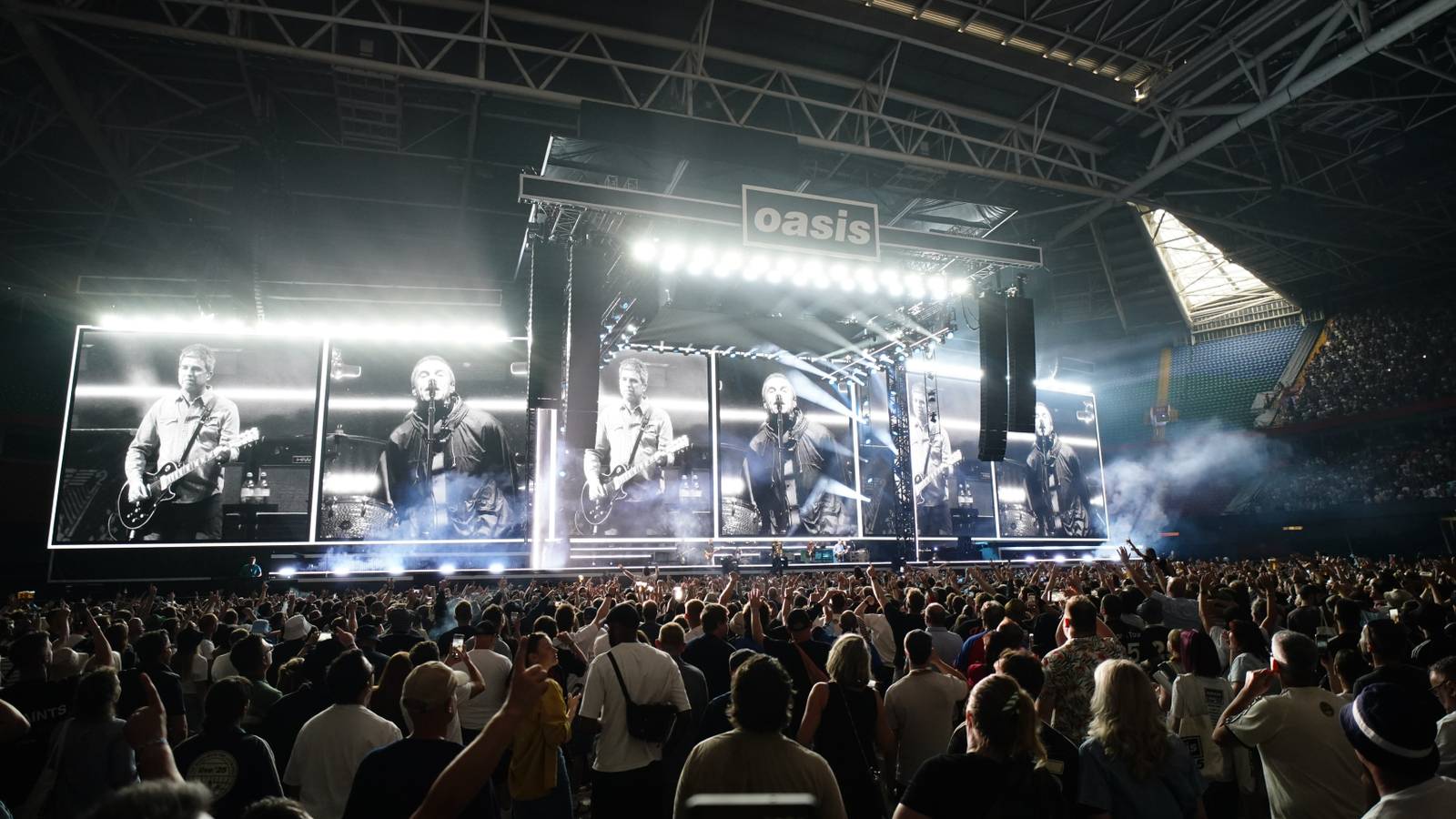
Live rock music remains a powerful cultural force, drawing millions of fans to stadiums, arenas, and outdoor festivals worldwide. Experience-driven concert tours showcase enduring legacy acts and contemporary heavyweights as they bring decades of catalog hits and fresh material to the stage. Whether you are planning your concert calendar or tracking your favorite artists, understanding who is on the road, what to expect from their live shows, and how to navigate ticket acquisition is essential for any modern music enthusiast.
The Evolution of the Modern Rock Tour
The landscape of live rock performances has undergone significant transformations over the past decade. While stadium spectacles featuring elaborate pyrotechnics, massive LED walls, and immersive sound systems remain the gold standard for arena-scale acts, a parallel movement has championed intimate club runs and stripped-down acoustic sets. Modern tours also emphasize sustainability, accessibility, and dynamic ticket pricing structures that adapt to fluctuating market demand.
For fans, navigating these changes requires careful planning. Ticket purchasing no longer stops at the traditional box office window; it now involves presale codes, verified fan registrations, and secondary marketplaces. Understanding the scale and logistics of a tour helps concertgoers choose the right venue experience, whether that means securing front-row floor access or opting for reserved seating with optimal acoustics.
1. The Rolling Stones
As perennial giants of rock and roll, The Rolling Stones continue to defy expectations by mounting large-scale stadium tours well into their sixth decade. Frontman Mick Jagger and guitarist Keith Richards anchor a high-energy stage production that pairs timeless blues-infused rock anthems with state-of-the-art visual displays.
- Musical Style: Classic Rock, Blues Rock
- Typical Setlist Length: 19 to 22 songs spanning six decades
- Live Production Highlights: Multi-story video screens, collaborative guest appearances, and extensive catwalk extensions into the crowd
Attending a Rolling Stones performance offers a masterclass in rock history. The band balances stadium-filling staples like "Start Me Up" and "(I Can't Get No) Satisfaction" with deeper album cuts, backed by a tight touring ensemble that includes long-time bassist Darryl Jones and powerhouse backing vocalists.
2. Pearl Jam
Formed in Seattle during the early 1990s alternative explosion, Pearl Jam remains a cornerstone of live rock music. Known for their fiercely loyal fan base, the band curates unique setlists for every single night of a tour, ensuring that no two shows are identical.
- Musical Style: Alternative Rock, Grunge
- Typical Setlist Length: 25 to 30 songs, frequently featuring two full encores
- Live Production Highlights: Focused, organic stage lighting; intimate crowd interaction; and minimal reliance on pre-recorded backing tracks
Pearl Jam's commitment to fan advocacy is evident in their ticketing policies, which often prioritize face-value exchange networks to combat scalping. Their shows are celebrated for raw emotional intensity, blistering guitar interplay between Mike McCready and Stone Gossard, and Eddie Vedder's impassioned vocal delivery.
3. Foo Fighters
Following periods of immense transition, the Foo Fighters continue to deliver powerhouse stadium and festival performances. Led by Dave Grohl, the band bridges the gap between classic heavy rock energy and modern radio hooks, maintaining a reputation as one of the hardest-working live acts in the industry.
- Musical Style: Hard Rock, Alternative Rock
- Typical Setlist Length: 20 to 24 high-tempo tracks
- Live Production Highlights: Marathon set lengths, explosive lighting rigs, and extended musical breakdowns
A Foo Fighters concert is designed as a communal celebration of rock music. Grohl’s trademark audience call-and-response segments and the band's relentless pacing create an environment where stadium crowds feel intimately connected to the stage, regardless of venue size.
4. Metallica
Metallica sets the benchmark for heavy metal touring production. Their ongoing global itineraries feature immersive stage setups—such as the in-the-round "No Repeat Weekend" configurations—that place the band in the center of the arena floor with fans surrounding them from every angle.
- Musical Style: Heavy Metal, Thrash Metal
- Typical Setlist Length: 16 to 18 heavy-hitting compositions
- Live Production Highlights: Circular stage designs, massive towering video cylinders, and high-impact pyro displays
Because Metallica frequently performs two-night stands in major cities without repeating a single song from their catalog, fans are treated to comprehensive career retrospectives. The precision of James Hetfield's rhythm guitar and Lars Ulrich's driving percussion anchors a meticulously engineered audio-visual spectacle.
5. Green Day
Punk rock icons Green Day bring unbridled kinetic energy to amphitheaters and stadiums worldwide. Their shows are structured as massive sing-alongs, seamlessly blending political commentary with high-octane pop-punk anthems.
- Musical Style: Punk Rock, Pop-Punk
- Typical Setlist Length: 30 to 35 fast-paced tracks, often celebrating milestone album anniversaries
- Live Production Highlights: On-stage audience participation (inviting fans to play guitar or sing), inflatable props, and continuous pyrotechnics
Green Day's endurance lies in their ability to turn massive open-air venues into intimate punk clubs through sheer performance stamina. Billie Joe Armstrong commands crowds with practiced ease, driving the band through rapid-fire medleys and emotionally resonant ballads.
6. Blink-182
With the classic lineup of Mark Hoppus, Tom DeLonge, and Travis Barker reunited, Blink-182 delivers high-energy arena tours that capture the spirit of late-90s and 2000s skate punk. Their production relies on rapid comedic stage banter paired with precision musicianship.
- Musical Style: Pop-Punk, Alternative Rock
- Typical Setlist Length: 24 to 26 energetic tracks
- Live Production Highlights: Rotating drum risers, synchronized video art, and high-intensity lighting rigs
Travis Barker's virtuosic drumming serves as the heartbeat of the performance, elevating the band's catchy melodies and driving guitar riffs. Fans can expect a mix of nostalgic radio hits and tracks from their reunion output.
7. Red Hot Chili Peppers
The Red Hot Chili Peppers combine funk-rock grooves with psychedelic exploration on their extensive world tours. Anchored by the interplay between bassist Flea and guitarist John Frusciante, the band's live shows feature extensive improvisational jams sandwiched between radio-friendly hits.
- Musical Style: Funk Rock, Alternative Rock
- Typical Setlist Length: 17 to 20 genre-blending tracks
- Live Production Highlights: Immersive psychedelic visual projections, massive overhead LED screens, and extended instrumental intro jams
Experiencing the Chili Peppers live highlights their deep musical chemistry. Anthony Kiedis leads the vocal charge while Flea and Frusciante navigate complex, rhythmic explorations that make each concert unique.
8. Muse
British trio Muse transforms arena and stadium concerts into futuristic rock operas. Known for pushing the boundaries of live production, the band integrates cutting-edge technology, cinematic orchestral arrangements, and heavy guitar riffs into a cohesive live show.
- Musical Style: Progressive Rock, Alternative Rock, Electronic Rock
- Typical Setlist Length: 20 to 22 dynamic songs
- Live Production Highlights: Giant robotic stage props, laser light shows, confetti canons, and augmented reality elements
Frontman Matt Bellamy's soaring vocals and intricate guitar work anchor an audio-visual assault that feels both epic and technically flawless. Muse caters to fans of complex arrangements and grandiose thematic concepts.
9. Arctic Monkeys
Sheffield's Arctic Monkeys offer a sleek, sophisticated take on modern indie rock touring. Transitioning from rapid garage rock to lounge-infused retro-pop and cinematic lounge rock, their live performances rely on moody lighting, sharp tailoring, and understated charisma.
- Musical Style: Indie Rock, Alternative Rock, Lounge Pop
- Typical Setlist Length: 21 to 23 tightly arranged tracks
- Live Production Highlights: Vintage aesthetic staging, warm analog lighting, and seamless transitions between musical eras
Alex Turner leads the ensemble with theatrical poise, steering the band through atmospheric renditions of both early fan favorites and lush, orchestration-heavy modern compositions.
10. Queens of the Stone Age
Queens of the Stone Age deliver heavy, groove-laden desert rock designed for sweaty clubs and mid-sized amphitheaters. Josh Homme leads a tight, razor-sharp touring lineup that prioritizes crushing rhythm sections and infectious guitar hooks over over-the-top theatrical props.
- Musical Style: Stoner Rock, Hard Rock, Alternative Rock
- Typical Setlist Length: 18 to 20 driving tracks
- Live Production Highlights: Stripped-down, high-impact lighting; heavy bass frequencies; and continuous musical flow without awkward stage pauses
A QOTSA concert appeals to purists seeking raw sonic power. The band's ability to lock into relentless grooves creates a hypnotic live atmosphere that stands apart from standard pop-oriented stadium spectacles.
Comparative Overview of Rock Touring Acts
| Band Name | Primary Music Style | Typical Setlist Range | Standout Live Feature |
|---|---|---|---|
| The Rolling Stones | Classic / Blues Rock | 19–22 Songs | Extended catwalks and stadium production |
| Pearl Jam | Alternative / Grunge | 25–30 Songs | Unique setlists every single night |
| Foo Fighters | Hard / Alternative Rock | 20–24 Songs | Marathon sets and high-energy pacing |
| Metallica | Heavy / Thrash Metal | 16–18 Songs | In-the-round circular stage setups |
| Green Day | Punk / Pop-Punk | 30–35 Songs | Rapid-fire medleys and audience integration |
| Blink-182 | Pop-Punk | 24–26 Songs | Reunion nostalgia and drum solos |
| Red Hot Chili Peppers | Funk / Alternative Rock | 17–20 Songs | Extended improvisational instrumental jams |
| Muse | Progressive / Electronic Rock | 20–22 Songs | Futuristic visuals, lasers, and robotics |
| Arctic Monkeys | Indie / Alternative Rock | 21–23 Songs | Moody retro aesthetic and tight arrangements |
| Queens of the Stone Age | Stoner / Hard Rock | 18–20 Songs | Heavy hypnotic grooves and continuous flow |
Essential Tips for Attending Rock Concerts in 2026
Securing tickets and preparing for a major rock concert requires an understanding of modern ticketing ecosystems and venue regulations. To ensure a smooth experience, keep the following guidelines in mind:
- Use Verified Primary Ticketing Platforms: Always purchase tickets through official primary vendors (such as Ticketmaster, Live Nation, or direct band websites) or authorized face-value exchanges to avoid exorbitant secondary market fees and fraudulent passes.
- Review Venue Bag Policies: Most major arenas and stadiums enforce strict clear-bag policies or ban large backpacks entirely. Check the venue website days in advance to avoid long security delays or having to return items to your vehicle.
- Arrive Early for Pit and General Admission: If you hold general admission floor tickets, arriving before doors open is crucial if you want to secure a spot near the front barrier. Familiarize yourself with early-entry wristband procedures if the venue offers them.
- Protect Your Hearing: Heavy rock concerts regularly exceed safe decibel thresholds (often surpassing 100 decibels). Invest in high-fidelity musician earplugs, which reduce volume evenly across frequencies without muffling the sound quality.
- Plan Your Transportation and Parking: Major stadium tours cause severe traffic congestion and expensive parking surges. Consider public transit options, rideshare drop-off zones located away from immediate venue bottlenecks, or pre-paid parking passes.
Frequently Asked Questions
How can I avoid buying counterfeit concert tickets?
Always buy from primary sellers linked directly through the artist's official tour page. If you must use a secondary marketplace, stick to reputable platforms that offer verified ticket transfers and buyer guarantees. Avoid purchasing tickets via direct messaging on social media platforms from unknown sellers who request unverified payment methods like cryptocurrency or cash apps.
Do rock bands change their setlists every night?
It varies significantly by artist. Bands like Pearl Jam are famous for writing a completely new setlist for every show on a tour. Conversely, bands with heavy visual and pyrotechnic productions, such as Metallica or Muse, often stick to structured, pre-programmed setlists because their lighting and video cues must synchronize precisely with the music.
Are VIP packages and meet-and-greets worth the cost?
VIP packages typically offer perks like early entry to the floor, exclusive merchandise bundles, dedicated venue entrances, and sometimes acoustic pre-show performances. True meet-and-greets with band members are rarer and come at a high premium. Evaluate whether the specific merchandise or early access aligns with your personal concert goals before purchasing.
What should I do if a concert is postponed or rescheduled?
If a tour date is postponed, your original ticket will remain valid for the newly announced rescheduled date. If you cannot attend the rescheduled show, primary ticket providers typically open a temporary window (usually 30 days) allowing fans to request a full face-value refund. Always check your email and the official ticketing portal for deadline notices.
How early should I arrive at a stadium rock concert?
For reserved seating tickets, arriving 45 to 60 minutes before the first opening act gives you ample time to clear security, find your seat, and purchase merchandise. For general admission floor tickets where proximity to the stage matters, aim to arrive several hours before doors open to secure a competitive position in the entry queue.
Next Actions for Concertgoers
To turn your concert plans into reality, start by mapping out which bands are visiting your nearest major market this season. Visit official band websites to sign up for mailing lists and fan club presales, which offer the best access to face-value tickets before general public sales begin. Review your local venue's guidelines regarding bags, cameras, and payment methods, and secure your lodging or transportation well in advance if you plan on traveling for a major stadium event.