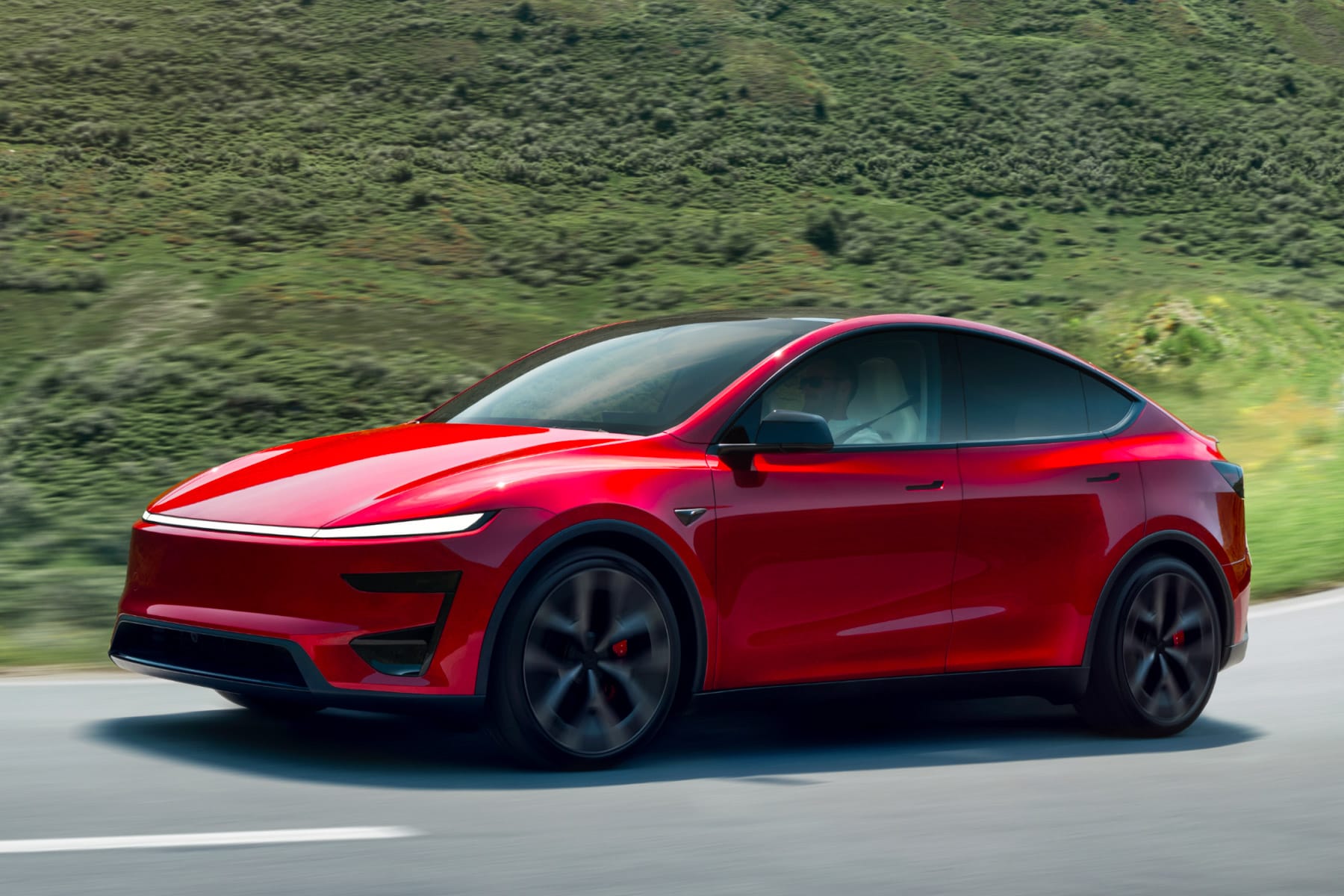
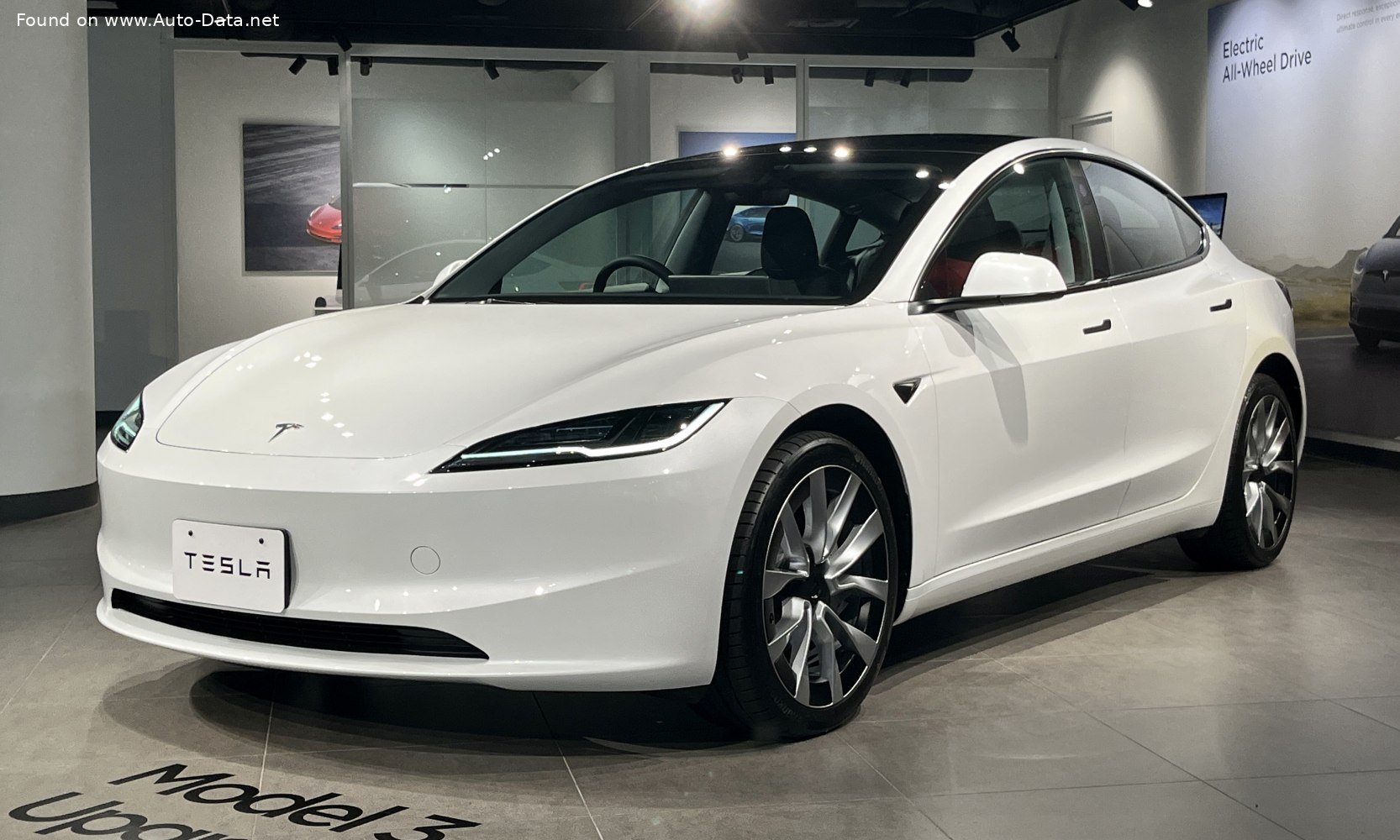
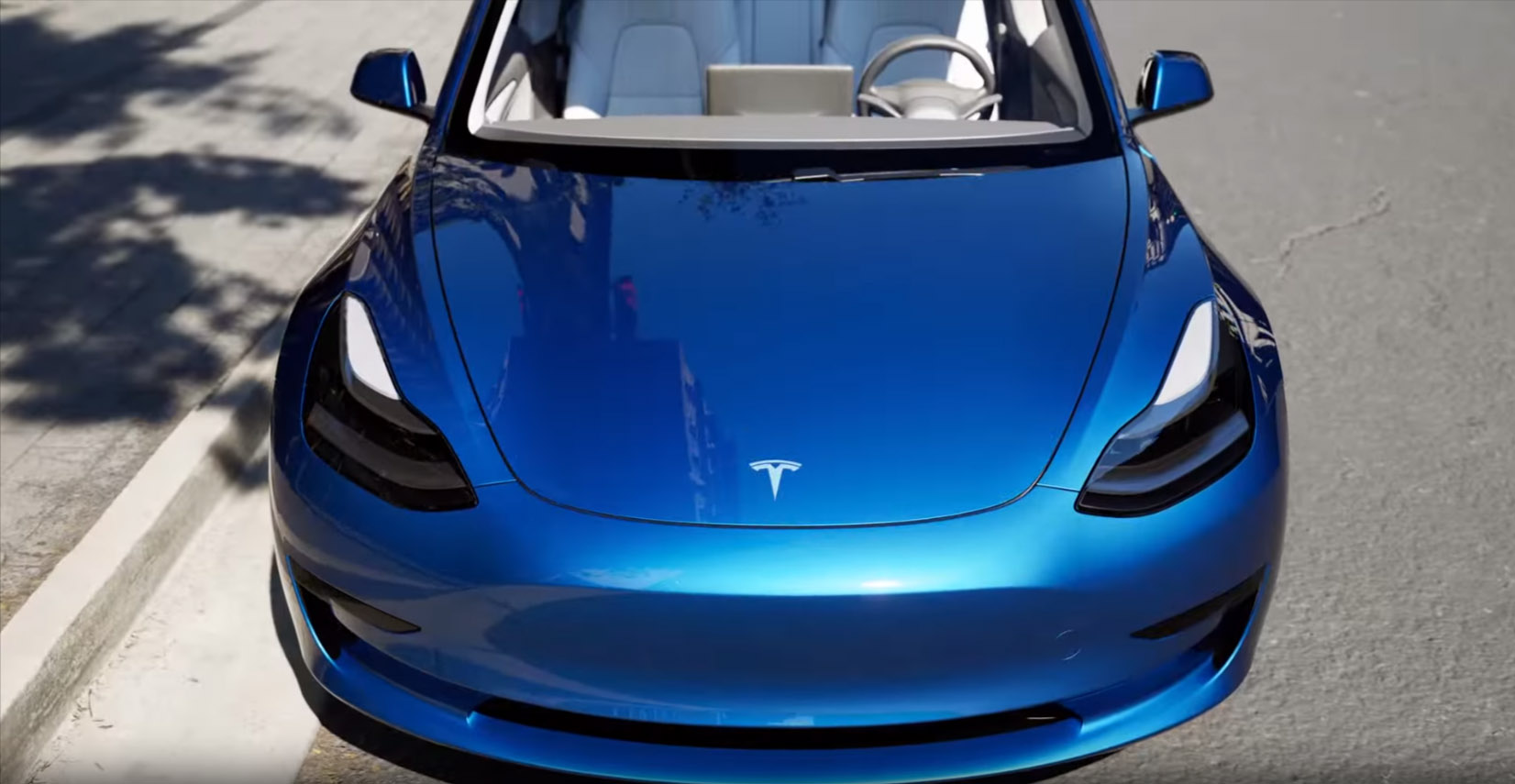
USAA auto insurance for the Tesla Model 3 offers specialized coverage paths for military members and their families, balancing the unique repair costs and advanced driver-assistance features of electric vehicles with traditional underwriting practices. As a premier provider for the military community, USAA tailors its policies to account for the high-tech, high-performance nature of Tesla’s entry-level sedan, ensuring that policyholders benefit from comprehensive protection, competitive premiums, and streamlined claims processing specifically adapted for modern electric vehicle (EV) technology.
Understanding the Tesla Model 3 Insurance Profile
Insuring a Tesla Model 3 requires a nuanced approach because the vehicle differs significantly from internal combustion engine (ICE) cars. The Model 3 is characterized by high repair costs due to its aluminum chassis, proprietary sensor suites—collectively known as Tesla Autopilot hardware—and specialized high-voltage battery packs.
When you insure a Tesla with USAA, the carrier evaluates these factors alongside the standard risk profile of the driver. Because USAA often serves a demographic with stable credit and long-term loyalty, they are well-positioned to offer policies that account for the unique maintenance and parts-sourcing requirements of Tesla. It is critical to understand that Tesla’s repair network is largely centralized, meaning that parts availability and labor rates can influence insurance premiums significantly compared to standard sedans.
Eligibility and Prerequisites for USAA Membership
USAA is a closed-membership organization. Before considering a policy for your Tesla Model 3, you must meet the eligibility criteria. This typically includes:
- Active, retired, or separated military personnel with a discharge status of honorable.
- Spouses and unremarried former spouses of USAA members.
- Children and stepchildren of USAA members.
- Cadets and midshipmen at service academies.
If you meet these requirements, the transition to insuring your vehicle is straightforward. USAA maintains a digital-first approach for quotes, allowing you to enter your Vehicle Identification Number (VIN) to pull exact specifications for your specific Model 3 trim (e.g., Rear-Wheel Drive, Long Range, or Performance).
Coverage Features Relevant to Electric Vehicles
When securing a policy for a Tesla Model 3, standard liability coverage—while legally required—often proves insufficient for a vehicle with such high repair and replacement valuations. USAA provides several essential endorsements and coverage tiers that are particularly relevant:
Collision and Comprehensive
Collision coverage is vital for the Model 3 due to the high cost of Tesla-certified body work. Because the Model 3 utilizes a “skateboard” platform, structural damage can often lead to total loss evaluations if not handled by a specialized shop. USAA’s comprehensive coverage is equally important, as it protects against non-collision incidents such as fire, theft, or damage to the high-voltage charging cable and mobile connector.
Gap Insurance (Loan/Lease Payoff)
Given the rapid depreciation curve often associated with new technology and software-defined vehicles, Gap insurance is a prudent inclusion. If your Model 3 is declared a total loss, this coverage fills the “gap” between the Actual Cash Value (ACV) of the car and the remaining balance on your auto loan or lease, preventing you from being personally liable for thousands of dollars in remaining debt.
Original Equipment Manufacturer (OEM) Parts Coverage
One of the most important considerations for Tesla owners is the ability to select the use of OEM parts. While some policies allow for aftermarket parts to reduce repair costs, Tesla’s advanced safety systems often require factory-authorized parts to ensure the safety of the vehicle’s cameras and sensors. Verify your policy language to ensure you have the option for OEM components, which preserves the vehicle’s safety integrity.
Cost Considerations and Premium Influences
Several variables dictate the cost of your premium when insuring a Tesla Model 3 with USAA. While USAA is historically competitive, the specific nature of your vehicle will impact the final rate.
- Safety Features: The Model 3 is equipped with advanced safety tech that, while expensive to repair, can reduce the likelihood of accidents. USAA underwriters consider these active safety systems when assessing risk.
- Driving History: Your history of claims and traffic citations remains the single largest factor in premium determination.
- Location: Regional factors—such as the frequency of extreme weather events, local rates of vehicle theft, and the density of Tesla-certified repair centers—will directly influence your insurance costs.
- Usage: High-mileage drivers may see different rates than those who utilize the Model 3 for low-intensity commuting, as risk exposure scales with time spent on the road.
Comparison Table: Standard Auto vs. Tesla-Specific Considerations
| Factor | Standard Vehicle | Tesla Model 3 | USAA Policy Consideration |
|---|---|---|---|
| Repair Cost | Moderate | High (Aluminum/Tech) | Priority for OEM parts clauses |
| Replacement Value | Depreciates linearly | Fluctuates with tech cycles | Importance of Gap Coverage |
| Safety Sensors | Basic | Advanced Camera/Radar | Impact on collision premiums |
| Charging Gear | N/A | High-Voltage cables/EVSE | Comprehensive damage coverage |
Steps to Obtain and Maintain Coverage
Securing and managing your USAA auto insurance for a Model 3 involves a structured, digital-first sequence:
- Information Gathering: Collect your VIN, current odometer reading, and details of any aftermarket modifications, such as window tinting or custom wheels, which must be declared.
- Quote Generation: Access the USAA mobile app or website. By entering the VIN, the system automatically identifies the safety features and trim level of your Tesla, allowing for an accurate risk assessment.
- Policy Customization: Opt for higher liability limits. Given the high value of a Tesla, lower limits expose you to significant financial risk in the event of an at-fault accident involving high-end vehicles or serious injury.
- Verification of Repair Facilities: Before a claim occurs, familiarize yourself with Tesla-certified body shops in your area. While USAA has a network of preferred shops, ensure you discuss whether those facilities are equipped to handle Tesla’s specific aluminum bodywork requirements.
Addressing Common Questions
Does USAA provide specific discounts for EVs like the Model 3? Yes, USAA frequently offers various discounts that may apply to your policy, including safe driving discounts and multi-policy discounts (e.g., bundling auto with homeowners or renters insurance). While there may not always be a specific "EV discount," the overall safety ratings of the Model 3 often contribute to favorable base rates.
How does Tesla’s "Full Self-Driving" (FSD) impact my USAA insurance? USAA, like most insurers, currently views FSD as a driver-assistance system, not a replacement for human drivers. You are responsible for the vehicle at all times. Activating FSD does not waive your insurance liability; therefore, it does not typically change your premium, but you should ensure your policy covers the vehicle’s hardware as a standard feature.
What happens if my Tesla charging equipment is stolen? If you have comprehensive coverage, theft of your mobile connector or wall-mounted charging equipment is typically covered, subject to your deductible. Keep receipts for all charging hardware to ensure a smoother claims process.
Can I switch to USAA if my Tesla is currently leased? Yes. If you lease your Tesla, you will need to provide USAA with the lienholder’s information so they can be listed as an additional insured on the policy, which is a standard requirement for lease agreements.
Are there limitations for Tesla "Performance" models? Performance trims are generally more expensive to insure due to higher replacement costs and potential performance-related risks. Expect higher premiums for the Performance trim compared to the standard Rear-Wheel Drive model.
Expert Guidance and Recommendation
To maximize your experience with USAA for your Tesla Model 3, perform a policy review at every renewal cycle, especially if your driving habits or residential location change. Ensure your declarations page explicitly mentions the use of OEM parts, as this is the most critical safeguard for maintaining your vehicle’s safety systems post-repair. Always prioritize higher liability coverage over lower deductibles; while a lower deductible may seem appealing, the potential for significant financial loss in a serious accident makes adequate liability limits the more strategic long-term choice.