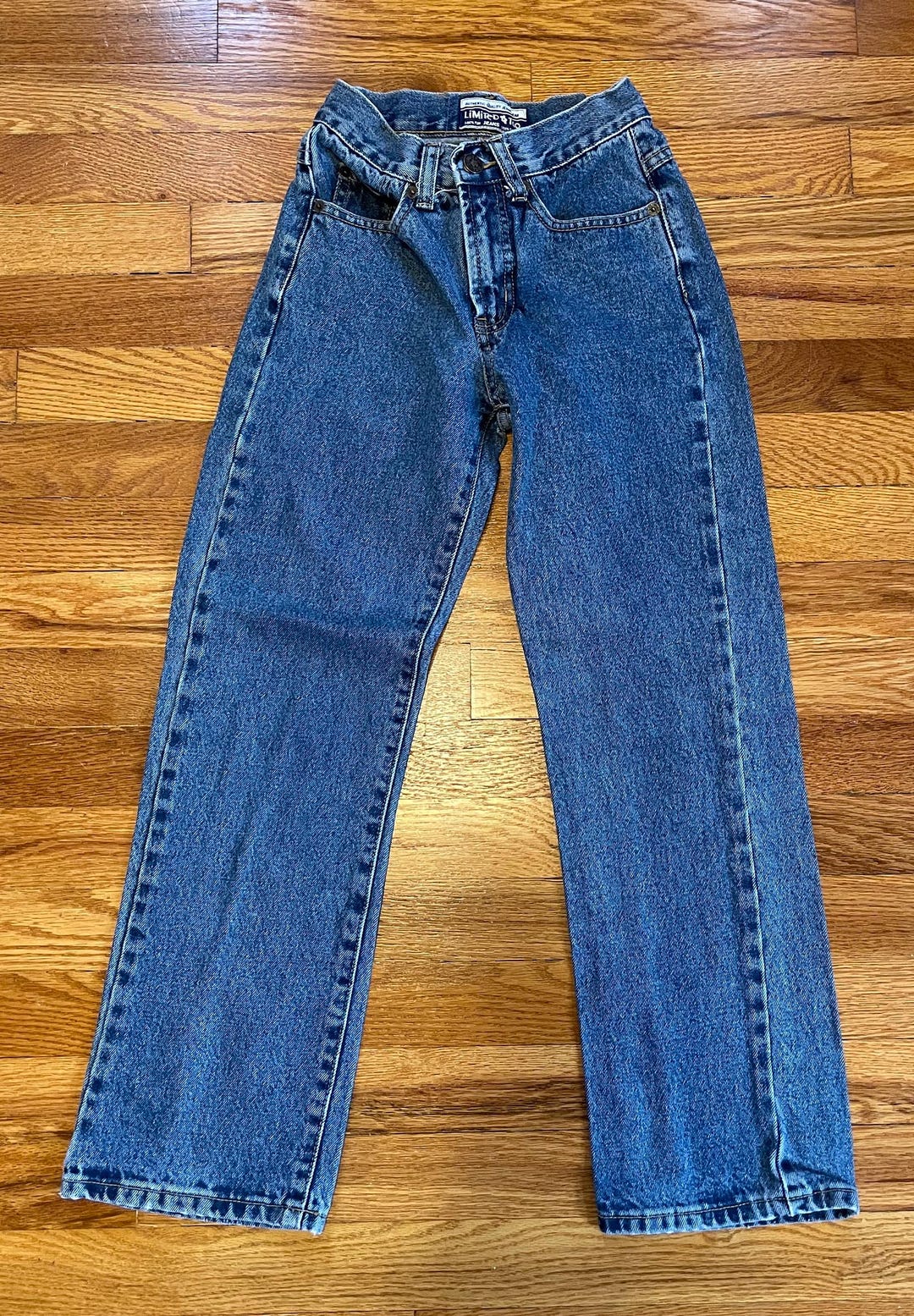
Authentic Limited Too clothing from the 1990s represents a distinct era of youth fashion characterized by bold colors, playful patterns, and a specific aesthetic that defined the pre-teen retail market of the decade. Sourcing these vintage garments today requires an understanding of brand history, garment tagging, fabric compositions, and the secondary market platforms where these items are most frequently traded by collectors and fashion enthusiasts.
The Rise and Aesthetic of Limited Too
Limited Too was launched in 1987 as a sub-brand of The Limited, specifically designed to cater to the fashion needs of girls aged 7 to 14. By the 1990s, the brand had established itself as a cultural powerhouse, creating a retail environment that felt less like a store and more like a clubhouse. The clothes were defined by high-energy palettes, including neons, pastels, and metallic finishes. Common motifs included glitter, sequined graphics, animal prints, and embroidered patches that often depicted flowers, butterflies, or whimsical cartoons.
The 90s aesthetic of Limited Too was not just about the clothing itself but about the lifestyle it projected. The brand was known for its "matchy-matchy" sets, often selling coordinate pieces such as a graphic tee paired with a denim skort or a velour tracksuit set. Understanding this design philosophy is the first step in identifying authentic pieces. Unlike modern fast fashion, which often prioritizes low production costs, 90s-era Limited Too items were manufactured with a focus on durability, utilizing thicker cotton blends and robust stitching that have allowed many items to survive in excellent condition nearly thirty years later.
Identifying Genuine 90s Garments
The most reliable way to distinguish genuine 90s Limited Too clothing from contemporary replicas or later-era brand iterations is through the internal garment tags. Throughout the 90s, Limited Too tags underwent specific evolutions that serve as a blueprint for dating items.
- The Early 90s Tag: Early in the decade, the labels often featured a simple, block-letter "Limited Too" logo on a white or black background. These tags were typically stitched onto the neck seam and included basic care instructions in English, French, and Spanish.
- The Mid-to-Late 90s Tag: As the brand grew in popularity, the branding became more stylized. Look for tags that feature a more playful, rounded font. By the late 90s, the tags often included RN (Registered Number) identifiers. Searching for the RN number on the Federal Trade Commission database can sometimes help verify the manufacturer, though keep in mind that "The Limited, Inc." was the parent entity for various brands during this period.
- Fabric Composition: Authentic items from this era frequently utilize high-quality cotton/polyester blends. You will rarely find the thin, synthetic-heavy materials common in today’s mass-market clothing. Check the inner side-seam tags for country-of-origin labels; many 90s Limited Too items were produced in the United States, Macau, or Hong Kong, which is a significant indicator of vintage provenance.
Navigating the Secondary Market
In 2026, the secondary market for 90s apparel has matured, with specific platforms serving as the primary hubs for Limited Too collectors. When searching for "Limited Too 90s clothes," you are likely to encounter two types of sellers: casual resellers who may not know the exact decade of their item, and dedicated vintage curators.
To successfully source these pieces, utilize targeted search filters on platforms like eBay, Depop, and Poshmark. Use specific terminology such as "Limited Too vintage 90s," "Limited Too Y2K" (as the brand had significant overlap into the early 2000s), and "90s girls graphic tee."
When communicating with sellers, do not hesitate to request specific measurements. Vintage sizing differs substantially from modern standards. A size 12 from 1995 will often fit like a modern youth small or a women's extra-small. Always ask for flat-lay measurements of the chest (pit-to-pit) and the length of the garment to ensure a proper fit, as 90s cuts were often boxier or shorter than contemporary silhouettes.
Comparison of Key Features: Vintage vs. Modern Re-releases
The brand experienced various shifts in ownership and licensing after its heyday. It is important to distinguish the original 1990s runs from later revivals.
| Feature | Original 90s Era | Post-2010s/Modern Revivals |
|---|---|---|
| Tag Style | Rectangular fabric label, screen-printed | Heat-pressed labels or tagless prints |
| Graphic Design | Thick puff print or heavy embroidery | Flat screen-printing, often digital |
| Fabric Feel | Heavyweight, durable cotton | Lightweight, synthetic blends |
| Country of Origin | USA, Macau, Hong Kong | Varied global manufacturing |
| Stitching | Visible, robust serging | Minimalist, single-needle stitching |
Cleaning and Preserving Vintage Textiles
If you acquire authentic 90s Limited Too clothing, proper care is essential to maintain the integrity of the vintage fabrics and the longevity of the screen-printed designs. Many pieces from this era contain sequins, beads, or plastic-based iron-on transfers that are prone to cracking or detachment after decades of storage.
- Inspection: Before washing, inspect the garment for "dry rot" or brittleness, particularly in the elastic bands of waistlines or sleeve cuffs. If the elastic has lost its tension or appears cracked, it cannot be repaired and may snap during a standard wash cycle.
- Hand Washing: The safest method is a gentle hand wash in cold water using a mild, pH-neutral detergent. Avoid soaking garments with metal embellishments for extended periods, as this can lead to rust or oxidation that may stain the surrounding fabric.
- Drying: Never use a tumble dryer. The heat can cause the glue used in 90s-era graphics to melt or peel. Instead, lay the item flat on a clean, white towel to air dry out of direct sunlight, which prevents fading of the vibrant colors that are iconic to the Limited Too brand.
- Storage: Use acid-free tissue paper if you intend to store the clothing for long periods. Avoid wire hangers, which can cause shoulder dimples in the delicate vintage cotton.
Common Pitfalls and Troubleshooting
The most common mistake when shopping for 90s items is misattribution. Many sellers label any glittery or brightly colored clothing from the 90s as "Limited Too." Because the brand was so ubiquitous, it is often used as a generic term for the style, much like "Kleenex" is used for tissues. Always verify the physical presence of the brand label or a clear manufacturing mark.
If you find an item that you suspect is Limited Too but the tag has been cut out, look for specific construction details like the "Limited Too" branding on zippers or buttons. During the late 90s, the brand began branding its hardware, which serves as a secondary authentication method when the primary tags are missing or illegible.
If you encounter an item that is in poor condition—such as a piece with a small hole or a faded graphic—consider the historical value versus the utility. If the item is rare, such as a specific limited-edition graphic tee, it may still be worth the investment for a collection. However, for daily wear, prioritize items with intact seams and minimal graphic cracking.
Frequently Asked Questions
How can I tell if my Limited Too item is from the 90s or the early 2000s? The aesthetic transition from the 90s to the 2000s is subtle. 90s items tend to lean toward floral, sunshine, and bright block colors, while the early 2000s (Y2K) era introduced more metallic silver, space-themed graphics, and lower-rise cuts. Checking the RN number on the tag is the most accurate way to date the manufacturing period.
Are these clothes safe to wear daily? Yes, if the fabric is in good condition. 90s cotton was generally thicker and higher quality than many modern equivalents. However, check for integrity in the elastic and ensure that the fabric shows no signs of "dry rot," which occurs when natural fibers break down over time due to improper storage.
What is the best way to clean 90s sequins or glitter? These embellishments are notoriously delicate. If you must wash the item, turn it inside out and use a mesh laundry bag. However, hand washing is strongly recommended. Avoid rubbing the areas with sequins, as friction can cause them to lose their finish or fall off.
Why are some tags marked with a black ink line? A black line drawn through the brand label on a tag usually indicates that the item was sold at a discount outlet store or was a factory second. This does not mean the item is inauthentic, but it suggests there may have been a minor manufacturing defect—such as a slightly misaligned seam—when it was originally produced.
Does the brand still exist? Limited Too went through various closures and brand licensing changes. While you may see current retail spaces or websites using the name, these are often different commercial entities holding the rights to the brand. If you are specifically looking for "90s clothes," prioritize items from the original retail era rather than modern store releases.
Next Steps for Collectors
To build a meaningful collection of Limited Too 90s clothing, start by documenting the pieces you already own. Create a digital catalog including the date of acquisition, the condition, and any specific identifiers found on the tags. As you browse, focus on specific "themes" such as the animal-print era or the neon-graphic phase, as this makes the hunt more rewarding and organized. By focusing on verified authenticity and proper preservation, you ensure that these garments remain a vibrant part of fashion history for years to come.