The Porsche 911, first introduced in 1963, stands as the most iconic sports car in automotive history. Defined by its rear-engine layout, iconic silhouette, and air-cooled origins, the 911 has evolved through eight distinct generations, transitioning from a lightweight, analog driving machine to a high-performance, precision-engineered technological marvel that continues to define the segment in 2026.
The Genesis: The Original 911 (1963–1973)
Initially designated the Porsche 901, the car was rebranded as the 911 following a trademark dispute with Peugeot. The original generation introduced the world to the signature "flyline" profile and the air-cooled flat-six engine. Designed under the leadership of Ferdinand "Butzi" Porsche, the car was a significant departure from the 356, offering a more refined chassis and a power-to-weight ratio that set new benchmarks for GT cars of the era. This generation culminated in the legendary 1973 Carrera RS 2.7, a lightweight homologation special that remains one of the most sought-after collector cars today.
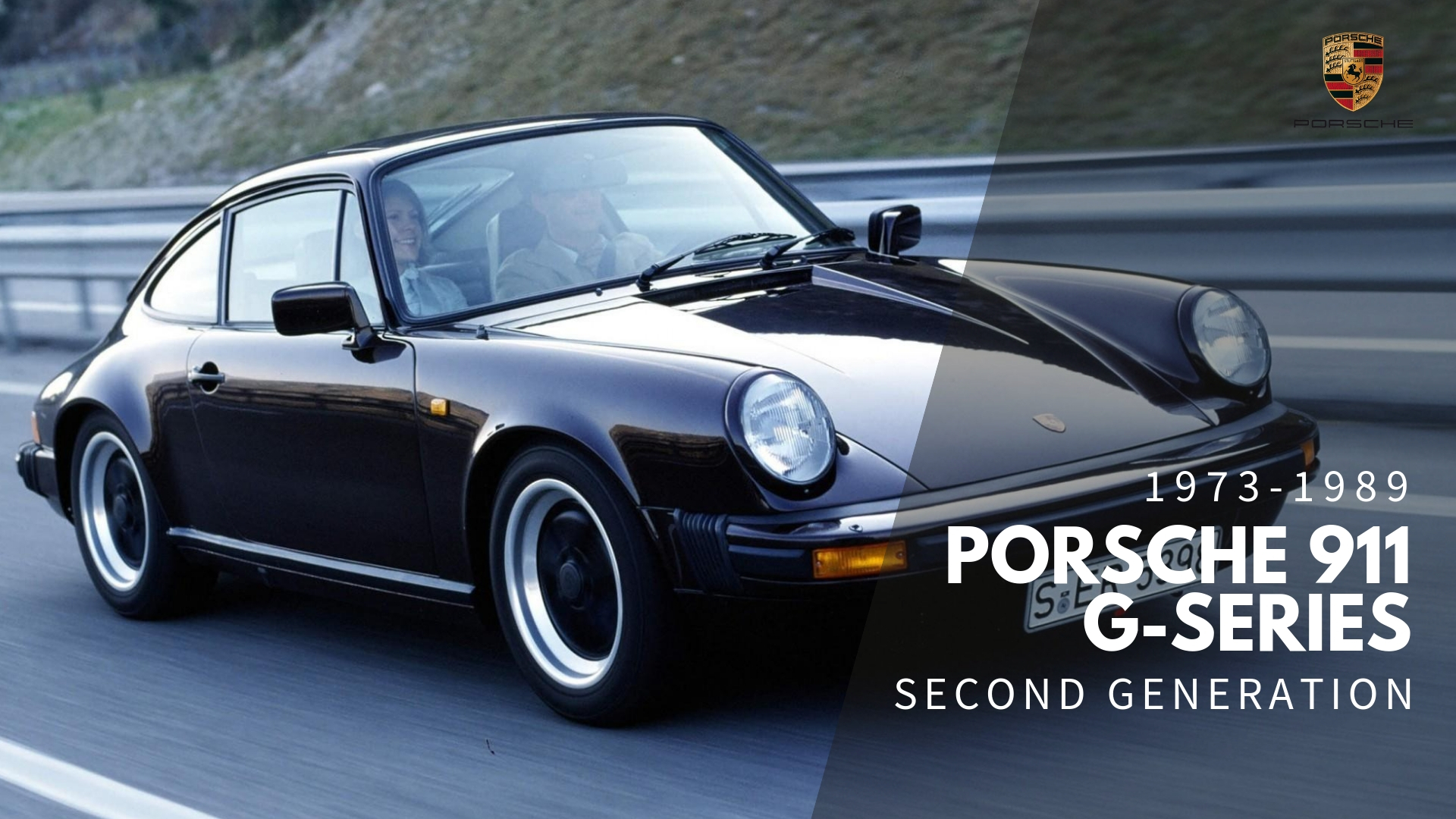
The Impact of Regulations: The G-Series (1974–1989)
The G-Series represented the first major evolution, necessitated largely by stringent U.S. safety regulations that mandated energy-absorbing "accordion" bumpers. This generation is often remembered for the introduction of the Turbo (930), which brought forced induction to the 911 platform. During these 15 years, the platform stabilized, transitioning to Bosch K-Jetronic fuel injection, which improved reliability and daily usability. This era transformed the 911 from a raw racer into a robust, all-weather grand tourer capable of serving as a reliable daily driver.
Modernization: The 964 (1989–1994)
By the late 1980s, the 911 needed a fundamental architecture update to remain competitive. The 964 retained the classic silhouette but featured 80% new components. The most significant technical shift was the introduction of the Carrera 4, featuring a sophisticated all-wheel-drive system derived from the 959 supercar. The 964 also introduced coil-spring suspension, replacing the traditional torsion bars, and featured power steering and ABS as standard, bridging the gap between vintage driving feel and modern vehicle dynamics.
The Final Air-Cooled Era: The 993 (1994–1998)
Often cited by enthusiasts as the "pinnacle" of the air-cooled 911, the 993 featured a completely redesigned multi-link rear suspension that neutralized the notorious "snap oversteer" associated with earlier, tail-heavy models. With its integrated, streamlined bumpers and "poly-ellipsoid" headlights, the 993 looked significantly more contemporary. It was the last generation to utilize the air-cooled engine, marking the end of an era for Porsche engineering.
The Water-Cooled Revolution: The 996 (1998–2005)
The 996 was a radical departure, featuring a liquid-cooled engine and a completely new chassis. While controversial among purists due to the "fried egg" headlight design and shared front-end components with the entry-level Boxster, the 996 was a commercial success that allowed Porsche to achieve economies of scale. It prioritized performance, handling, and interior ergonomics, setting the blueprint for all subsequent water-cooled generations.
Refinement and Precision: The 997 (2005–2012)
The 997 corrected many of the stylistic criticisms of the 996, returning to the classic circular headlight aesthetic while retaining the superior water-cooled architecture. It is widely considered one of the most balanced 911 generations. During this period, Porsche introduced the PDK (Porsche Doppelkupplung) dual-clutch transmission, which revolutionized shifting speed and efficiency, cementing the 911's place as a dominant force on both the road and the racetrack.
The Digital Leap: The 991 (2012–2019)
The 991 represented the most significant dimensional change in 911 history, with a longer wheelbase and wider track enhancing high-speed stability. This generation saw the shift to electric power steering and the widespread adoption of turbocharging across the Carrera range in 2016. The 991 moved the 911 firmly into the modern digital age, integrating advanced driver-assistance systems and complex infotainment capabilities while maintaining the car's core character.
The Current Standard: The 992 (2019–Present)
As of 2026, the 992 remains the contemporary benchmark. It features wider bodywork as standard across the range, an ultra-modern interior with minimalist digital interfaces, and increased power outputs. The 992 blends the digital precision of modern supercars with the traditional rear-engine dynamics that have defined the line for over six decades.
Evolution Comparison Table
| Generation | Years | Key Innovation | Cooling Method |
|---|---|---|---|
| Original | 1963–1973 | First flat-six engine | Air |
| G-Series | 1974–1989 | Turbocharging (930) | Air |
| 964 | 1989–1994 | All-wheel drive, ABS | Air |
| 993 | 1994–1998 | Multi-link rear suspension | Air |
| 996 | 1998–2005 | Liquid cooling | Water |
| 997 | 2005–2012 | PDK transmission | Water |
| 991 | 2012–2019 | Longer wheelbase | Water |
| 992 | 2019–2026+ | Digital cockpit integration | Water |
Technical Considerations and Common Maintenance
For owners or prospective buyers, understanding the generation is critical for maintenance. Air-cooled models (up to 993) require specialized knowledge regarding valve adjustments and oil cooling systems. Water-cooled models (996 and later) are more sensitive to cooling system components, including water pumps and coolant expansion tanks. Regardless of the generation, consistent engine oil changes and adhering to Porsche’s service intervals are the primary requirements for longevity.
Frequently Asked Questions
Which Porsche 911 generation is considered the best for a first-time buyer? The 997 generation is widely recommended as the "sweet spot." It offers modern reliability, the high-performance PDK transmission, and classic 911 styling, all while being more affordable than the newer 991 or 992 models.
Why did Porsche move from air-cooled to water-cooled engines? The transition in the late 1990s was primarily driven by increasing environmental regulations regarding noise and emissions, alongside the need for higher performance outputs that an air-cooled engine struggled to provide reliably under continuous load.
Are older air-cooled 911s reliable for daily use in 2026? While mechanically robust, older 911s lack the safety features, crash structures, and creature comforts expected of a modern daily driver. They are best suited for weekend use and require an owner who is proactive about mechanical maintenance.
How do I identify which generation of 911 I am looking at? The easiest identifier is the headlight and bumper configuration. Air-cooled models (pre-1998) feature upright, round headlights. The 996 (1998–2005) is known for its asymmetrical, teardrop-shaped lights, while the 997 and later returned to round headlights with unique internal housing designs.
What is the most significant change in the 992 generation? The 992 focuses on the integration of highly sophisticated digital systems and improved chassis control, including active aerodynamic components and a heavily digitized cabin that emphasizes screen-based controls over traditional physical buttons.
Practical Next Steps
If you are interested in purchasing a Porsche 911, your first step should be to define your usage scenario. If you desire a classic analog experience, research the 993 or earlier; if you prioritize modern performance and reliability for regular driving, focus your search on the 997.2 or 991.2 models. Always verify service history through official Porsche service centers to ensure the vehicle has been maintained according to factory specifications.