Securing comprehensive lifetime coverage for pets requires navigating complex insurance policies that distinguish between lifetime protection, time-limited plans, and accident-only coverage. The most effective approach involves evaluating annual veterinary inflation rates, breed-specific health vulnerabilities, and policy sub-limits to ensure lifelong protection against unexpected medical costs without sudden coverage drops as an animal ages.
When looking at pet insurance options, policyholders are often forced to choose between lifetime coverage and alternative structures like annual or accident-only plans. Understanding the mechanics of these policies helps owners select options that safeguard their pets' health over a lifetime without unexpected financial gaps. This guide examines how lifetime cover compares against other models, what factors influence policy suitability, and how to evaluate plans effectively.
Understanding Lifetime Pet Insurance: Core Concepts and Mechanics
Lifetime pet insurance represents the most comprehensive tier of veterinary protection available on the market. Unlike time-limited or maximum-benefit policies, a true lifetime policy resets its veterinary fee limit every single year, provided the policy is renewed continuously without a lapse in coverage.
This policy structure is particularly critical for managing chronic, congenital, or hereditary conditions. Under standard time-limited policies, once a pet receives treatment for a chronic illness like diabetes, arthritis, or skin allergies, that specific condition is often excluded or capped after 12 months. Lifetime policies continue to cover ongoing treatments year after year, ensuring that an aging animal maintains access to necessary medications, diagnostic tests, and specialist consultations.
However, lifetime cover typically commands higher monthly or annual premiums than alternative tiers. Insurers calculate these rates based on the statistical likelihood that older pets will require more intensive medical intervention. Consequently, pet owners must weigh the predictable cost of higher premiums against the unpredictable, potentially devastating financial exposure of managing an uncovered chronic condition during their pet's senior years.
Comparing Pet Insurance Policy Types
To determine if lifetime cover is genuinely the best option, it must be evaluated alongside alternative policy structures. Each tier serves a distinct budget and risk tolerance level.
| Policy Type | Coverage Duration | Chronic Condition Handling | Cost Profile | Best Suited For |
|---|---|---|---|---|
| Lifetime (Annual Limit) | Renews yearly; limit resets annually | Covered continuously year-after-year | Highest premiums | Purebreds, high-risk breeds, and risk-averse owners |
| Maximum Benefit | No time limit; fixed financial cap per condition | Covered until the total financial cap is exhausted | Moderate-to-high premiums | Acute injuries or short-term chronic illnesses |
| Time-Limited | 12 months maximum per condition | Excluded or dropped after 12 months elapsed | Moderate premiums | Budget-conscious owners seeking illness protection |
| Accident-Only | Renews annually; strictly for accidental trauma | Illnesses completely excluded; injuries covered | Lowest premiums | Older pets where illness coverage is cost-prohibitive |
Examining this breakdown reveals that while lifetime policies require a higher financial commitment, they eliminate the risk of a pet outliving its coverage for chronic ailments. Maximum benefit policies offer an attractive middle ground for specific conditions, but once the dollar limit for an illness is reached, all future care for that issue becomes out-of-pocket.
Key Factors to Evaluate When Comparing Options
Selecting the single best cover requires a rigorous review of fine print, exclusions, and financial mechanics. Pet insurance is not a one-size-fits-all product; a policy that excels for a mixed-breed rescue cat may fall short for a pedigree bulldog prone to respiratory issues.
1. Pre-Existing Conditions and Waiting Periods
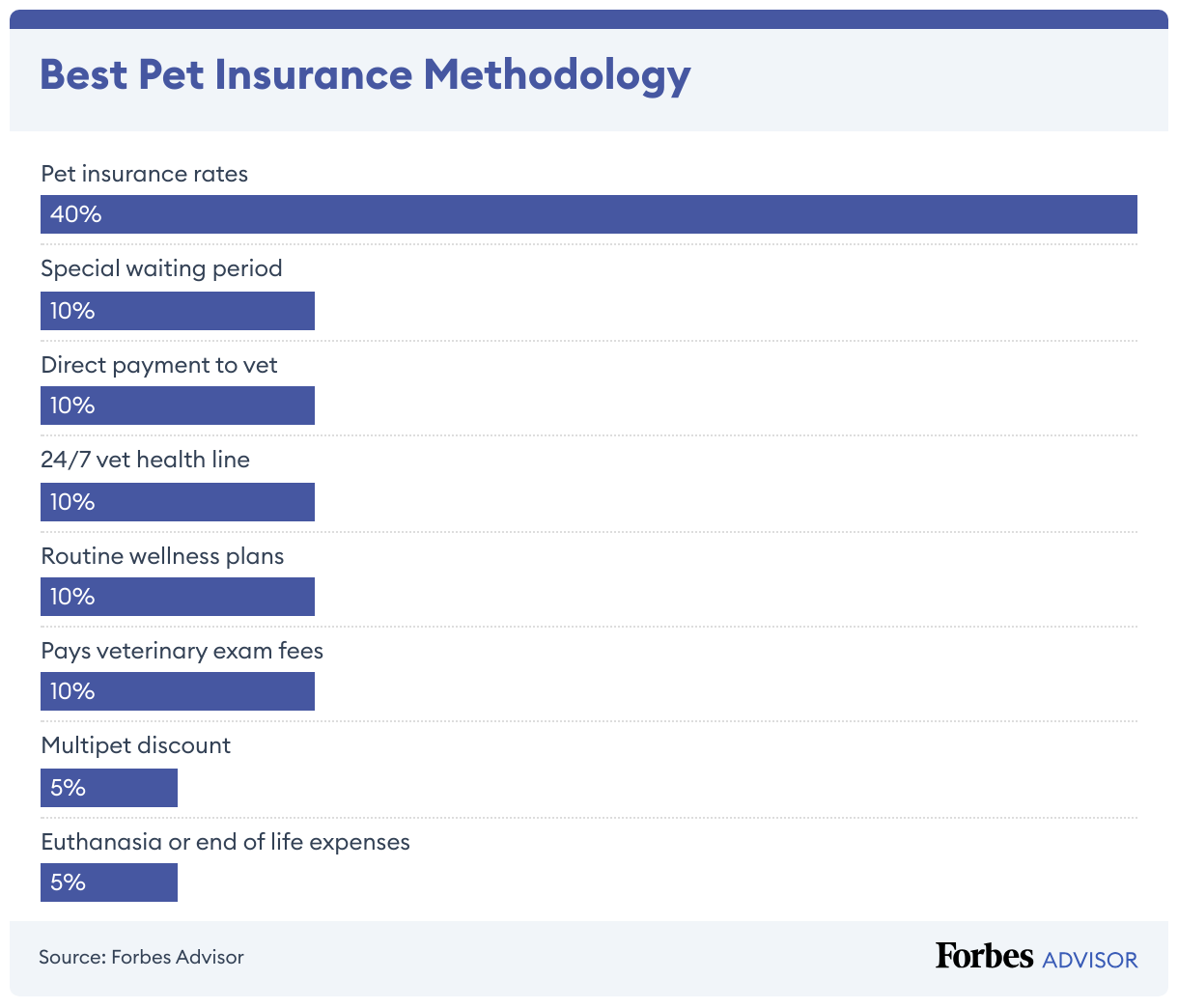
Nearly all pet insurance providers enforce exclusions for pre-existing conditions—illnesses or injuries that manifested or showed symptoms before the policy's effective date or during the initial waiting period. Waiting periods typically range from 14 days for illnesses to 48 hours for accidents, though some orthopedic conditions carry a 6-month waiting period. When switching lifetime providers, owners must verify whether the new insurer will cover past conditions or treat them as permanent exclusions.
2. Excess Structures and Co-Payments
Policies rarely cover 100% of veterinary invoices. Most plans incorporate a deductible (excess) and a co-payment percentage.
- Fixed Excess: A set dollar amount deducted per condition annually or per claim.
- Percentage Co-Payment: After the excess is deducted, the owner pays a percentage of the remaining bill (often 10% to 20%), while the insurer covers the rest.
- Age-Related Co-Payments: Many lifetime policies mandate an additional co-payment percentage (e.g., an extra 10% or 20%) once a pet reaches a certain age, such as 8 or 9 years old.
3. Sub-Limits on Treatments
Even within a lifetime policy with a high overall annual limit (e.g., $10,000 or $15,000), insurers may impose sub-limits on specific treatments. Common sub-limits include caps on dental work, behavioral therapy, alternative therapies (such as hydrotherapy or acupuncture), and diagnostic MRI or CT scans. Reviewing these sub-limits prevents unpleasant surprises when a veterinarian recommends specialized diagnostics.
Breed Vulnerabilities and Lifespan Risk Profiles
The argument for lifetime cover is closely tied to canine and feline genetics. Certain breeds face exponentially higher risks of developing lifelong, high-cost health conditions.
- Brachycephalic Breeds: English Bulldogs, French Bulldogs, and Pugs frequently require surgical correction for Brachycephalic Obstructive Airway Syndrome (BOAS), along with chronic skin fold dermatitis and spinal issues. Lifetime cover ensures these hereditary conditions remain protected.
- Large and Giant Dogs: Labradors, German Shepherds, and Great Danes are statistically prone to hip and elbow dysplasia, cruciate ligament tears, and gastric torsion. Surgical and rehabilitative costs for these conditions span multiple years, making lifetime protection invaluable.
- Pedigree Cats: Persian and Maine Coon cats face breed-specific risks like polycystic kidney disease (PKD) and hypertrophic cardiomyopathy (HCM), which demand lifelong cardiological or renal management.
For owners of these breeds, opting for time-limited or accident-only coverage often results in severe financial vulnerability later in the pet's life when chronic management becomes necessary.
Common Mistakes to Avoid When Shopping for Pet Insurance
Navigating the pet insurance market involves several pitfalls that can compromise long-term financial security. Avoiding these missteps ensures the chosen policy performs as expected during a medical crisis.
- Focusing Solely on the Initial Premium: Choosing the cheapest monthly plan without examining policy limits or co-payment clauses often results in high out-of-pocket costs during a major claim.
- Failing to Maintain Continuous Coverage: Allowing a lifetime policy to lapse—even for a few days—typically voids the continuity of coverage. Re-enrolling later means previous chronic conditions will be reclassified as pre-existing and excluded.
- Ignoring Dental Inclusion Clauses: Many policies exclude dental disease unless the pet has undergone mandatory annual dental check-ups documented by a veterinarian. Neglecting this requirement can invalidate coverage for common periodontal infections.
- Overlooking Third-Party Liability: For dog owners, public liability insurance (often bundled into comprehensive lifetime policies) is a critical consideration in case the animal causes property damage or injury to a third party.
Frequently Asked Questions
Does lifetime pet insurance cover routine care and vaccinations?
Standard lifetime pet insurance policies focus strictly on unexpected accidents and illnesses. Routine care—such as annual wellness exams, vaccinations, flea and tick preventative treatments, and spaying or neutering—is generally excluded unless the owner adds an optional wellness or preventative care rider to the policy.
Can my pet insurance premiums increase as my pet gets older?
Yes. Premiums on lifetime policies almost invariably rise each year as the pet ages. Insurers adjust rates to reflect the statistically higher cost of veterinary care and the increased frequency of health claims among senior animals.
What happens if I want to switch my lifetime insurance provider later?
Switching providers is possible, but any medical condition developed while on the previous policy will typically be classified as a pre-existing condition by the new insurer and excluded from coverage. Transitioning insurers is safest when a pet is young and completely healthy.
Are congenital and hereditary conditions covered under lifetime policies?
Most reputable lifetime policies cover congenital and hereditary conditions (such as hip dysplasia or heart defects) provided they showed no clinical signs or symptoms before the policy inception or during the initial waiting period. Always check the specific policy wording, as some providers place restrictions on specific hereditary disorders.
Final Recommendation and Action Steps
Choosing the best cover for life pet insurance options requires balancing your monthly budget against your pet's long-term health risks. For owners of purebred animals, breeds with known hereditary vulnerabilities, or anyone wanting absolute financial predictability against chronic illnesses, a true lifetime policy with an annually renewing limit is the gold standard.
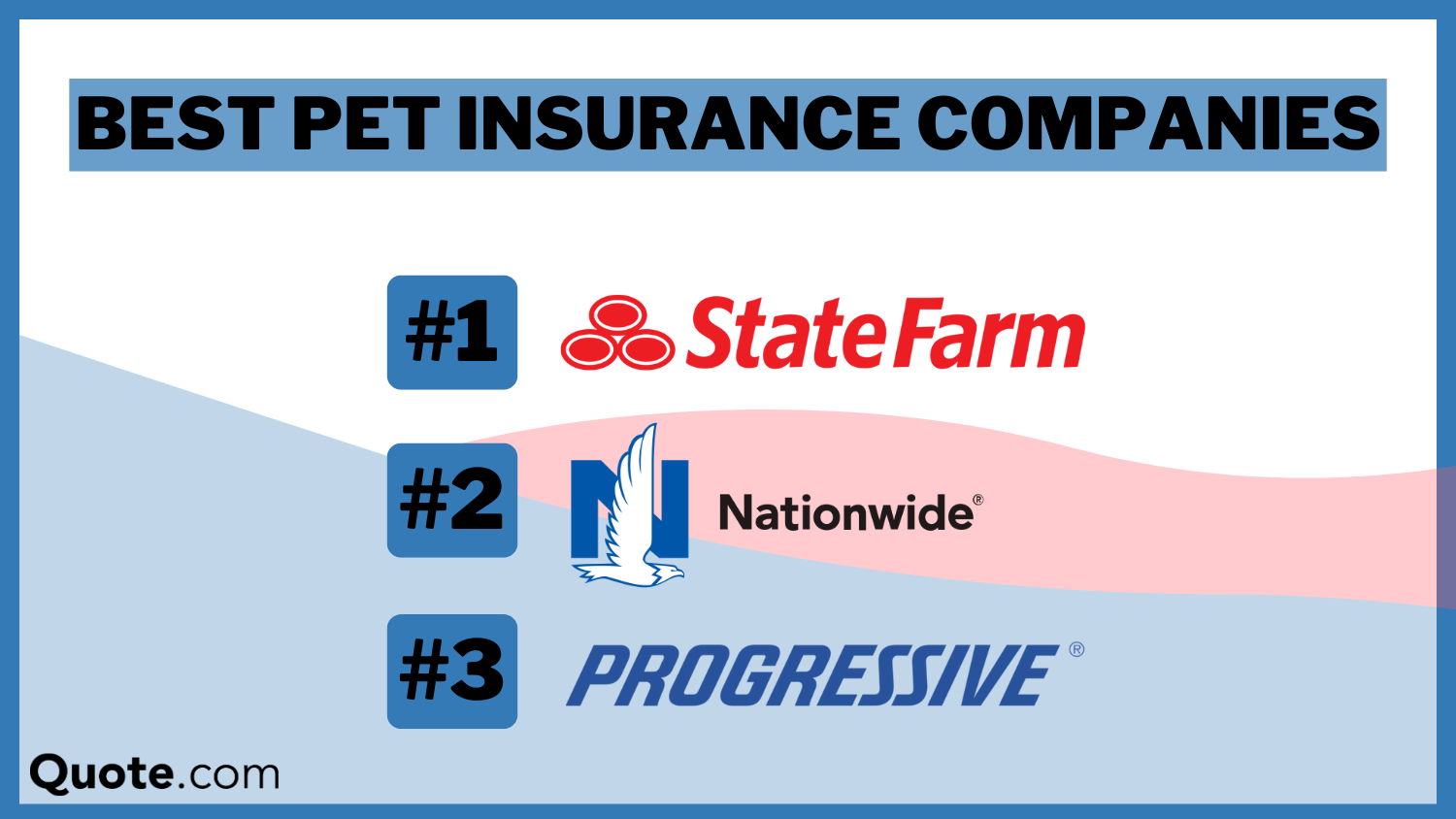
To proceed, request quotes from at least three reputable providers, examine their fine print regarding age-related co-payments and sub-limits, and verify that the waiting periods align with your pet's current health status before locking in your annual policy.