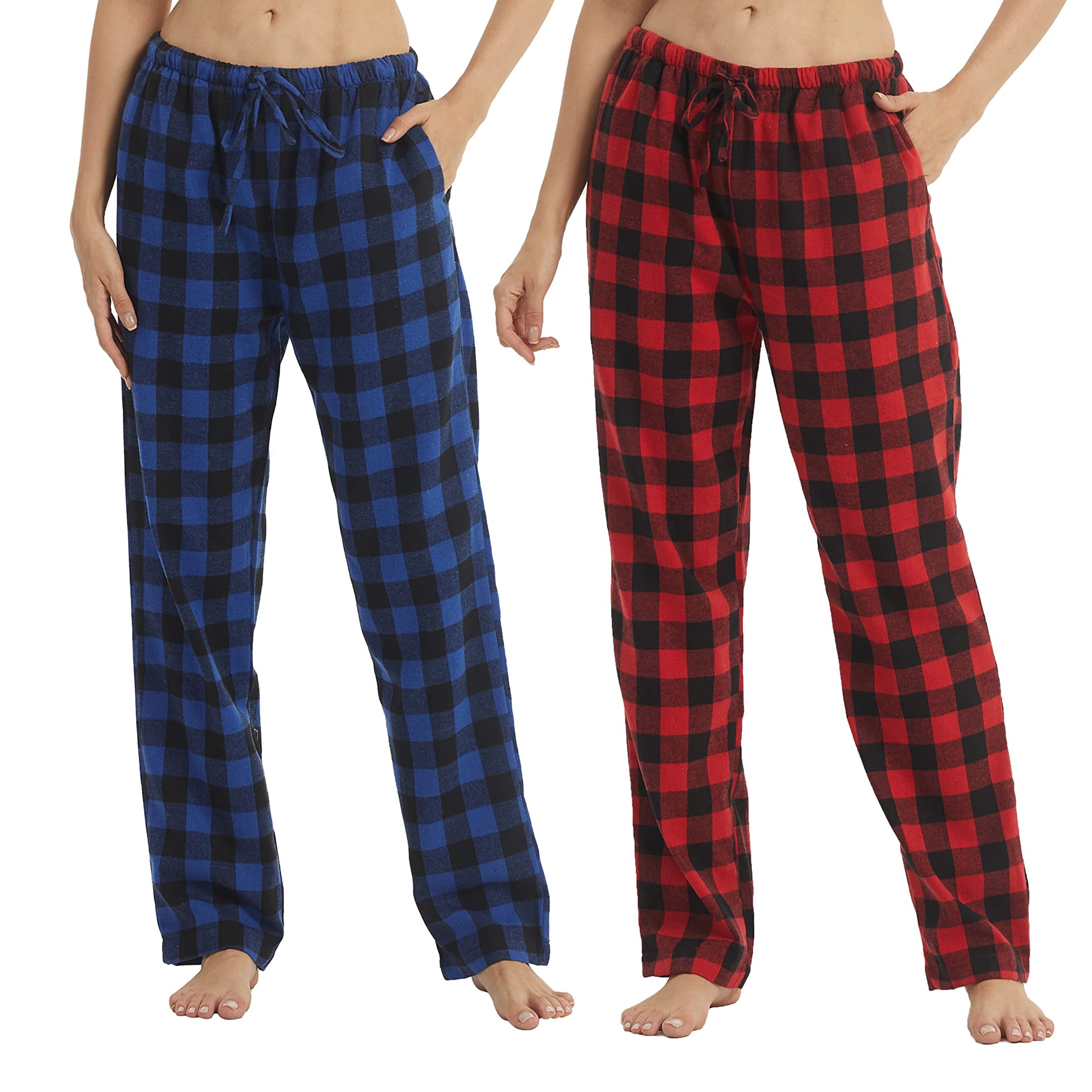
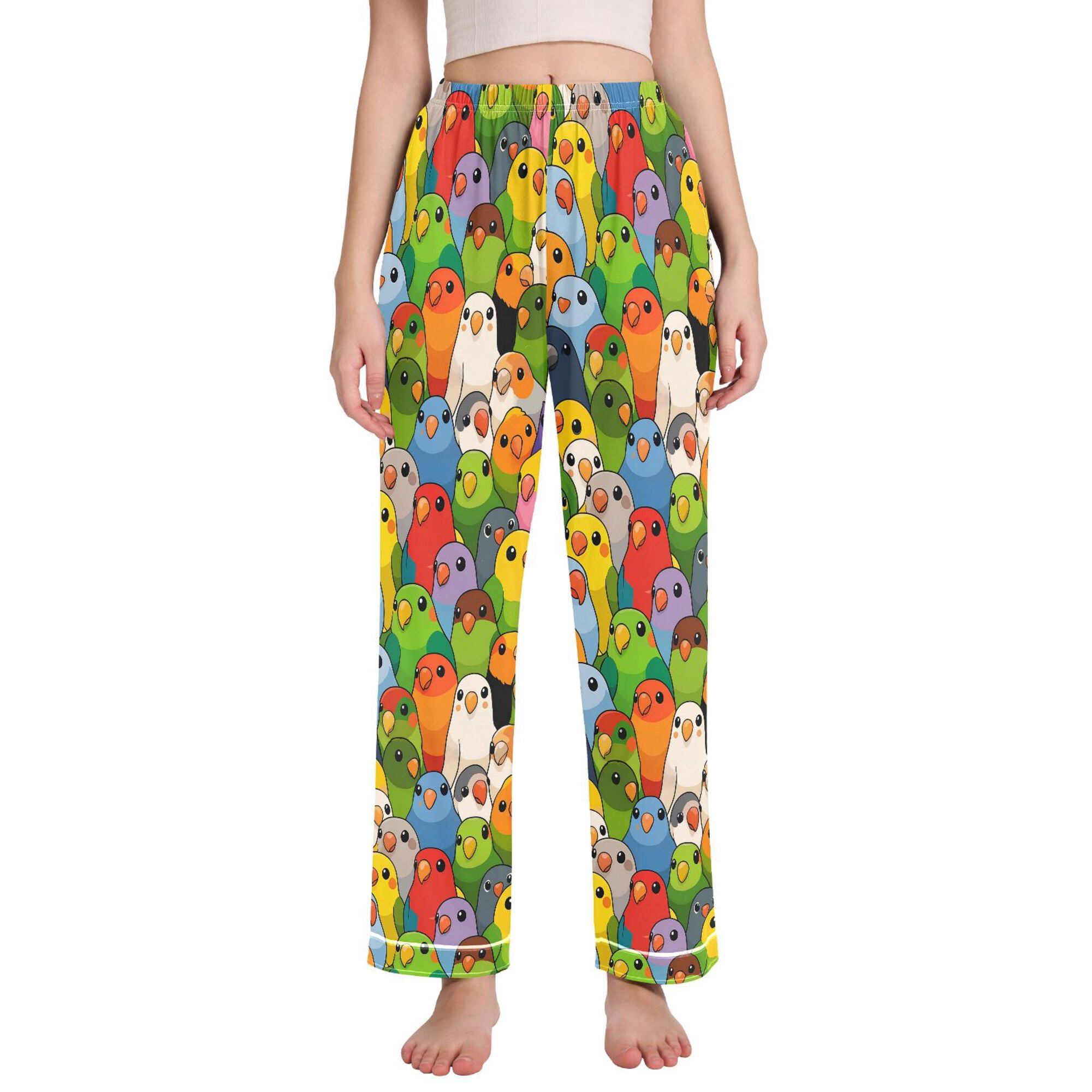
Finding the ideal pair of pajamas involves matching fabric weight, breathability, and cut to your unique sleeping habits, whether you tend to overheat, sleep cold, or shift constantly through the night. The best sleepwear balances skin-friendly textures with functional elasticity, ensuring deep, uninterrupted rest without restricting movement.
Selecting the right sleepwear is far more than a matter of aesthetic preference; it is an essential component of healthy sleep hygiene. Your body temperature naturally fluctuates throughout the night, and the textiles resting against your skin play a critical role in regulating that microclimate. When sleepwear traps excessive heat or moisture, it triggers micro-awakenings that disrupt deep sleep cycles, leaving you feeling fatigued the next day. Because every sleeper has a distinct physiological profile—from active toss-and-turners to temperature-sensitive night-sweaters—there is no single universal garment that fits everyone. Understanding your personal sleep style and matching it with the correct fabric composition and structural design is the secret to unlocking restorative, comfortable rest.
Understanding Sleep Styles and Thermal Regulation
Before evaluating specific pajama styles, it is vital to understand how human physiology interacts with sleep environments. Core body temperature drops slightly to initiate sleep, and maintaining an optimal thermal balance prevents nighttime overheating or chilling. Sleep styles generally fall into three distinct categories: hot sleepers, cold sleepers, and active sleepers. Each category demands specific textile engineering to maintain comfort.
Hot sleepers often experience night sweats or thermal spikes due to hormonal shifts, environmental factors, or a naturally high metabolic baseline. For these individuals, sleepwear must prioritize breathability and moisture management. Fabrics like lightweight cotton, linen, and eucalyptus-derived Tencel modal allow air to circulate freely while actively wicking perspiration away from the skin.
Conversely, cold sleepers struggle to retain body heat, often waking up with cold hands and feet. They benefit from insulating textiles that trap warm air close to the body without feeling suffocating. Brushed cotton flannels, heavyweight jersey knits, and silk blends provide exceptional thermal retention while remaining soft and flexible.
Active sleepers are those who move frequently, roll over, and stretch throughout the night. For this group, structural design matters just as much as fabric choice. Restrictive cuffs, non-stretch waistbands, or stiff seams can twist around the body, causing friction and skin irritation. Active sleepers require loose-fitting cuts, four-way stretch fabrics, and seamless or flat-lock construction to ensure unhindered mobility.
Fabric Breakdown: What to Look For and What to Avoid
The performance of any pajama set rests entirely on the quality and weave of its textile. Manufacturers use a wide array of natural and synthetic fibers, each offering distinct advantages and drawbacks.
| Fabric Type | Best For | Breathability | Moisture Wicking | Durability |
|---|---|---|---|---|
| Pima / Supima Cotton | Sensitive skin & mild climates | High | Moderate | High |
| Linen | Hot sleepers & warm climates | Maximum | High | Very High |
| Modal / Tencel | Silky drape & temperature regulation | High | High | Moderate-High |
| Flannel (Brushed Cotton) | Cold sleepers & winter months | Moderate | Low | High |
| Polyester / Microfleece | Extreme cold (use with caution) | Low | Low | Moderate |
Natural fibers generally outperform synthetics in sleepwear applications. Pima and Supima cotton feature extra-long staple fibers that produce a softer, stronger, and more breathable yarn than standard cotton. Linen offers unmatched airflow, making it the premier choice for humid environments, though its natural stiffness softens only after multiple washes. Modal and Tencel, manufactured from sustainably harvested wood pulp, provide a buttery-soft hand-feel that resists pilling and maintains a cool temperature against the skin.
Synthetic fabrics like 100% polyester, nylon, and standard microfleece should generally be approached with caution. While they are inexpensive and retain heat effectively for cold sleepers, they lack breathability and do not absorb moisture efficiently. This creates a barrier that traps sweat against the skin, leading to clamminess and potential skin irritation. If you prefer synthetic blends, look for performance-engineered athletic blends designed specifically for moisture management.
Evaluating Cuts, Seams, and Construction Details
Even the highest-quality fabric will fail to deliver comfort if the garment's construction is flawed. When shopping for comfy pajamas, pay close attention to structural details that impact tactile comfort during hours of lying down.
Seam placement is perhaps the most critical structural factor. Traditional bulky topstitched seams can dig into the hips, shoulders, and back when pressed against a mattress. Premium sleepwear utilizes flat-lock seams, enclosed interior seams, or seamless tubular knitting to eliminate friction points.
Waistband construction also dictates long-term comfort. Stiff, narrow elastic bands tend to roll, twist, and dig into the abdomen, causing discomfort during deep breathing. Look for wide, soft-encased elastic waistbands or adjustable drawstring waists distributed across a broader surface area. Furthermore, consider the absence or presence of functional buttons, snaps, and tags. Tagless labels printed directly onto the fabric prevent the incessant scratching that often interrupts falling asleep.
Matching Pajama Styles to Specific Sleep Profiles
To curate the ultimate sleep experience, match your primary behavioral and thermal needs to the corresponding pajama architecture:
- The Classic Button-Down Set: Ideal for combination sleepers who appreciate structured elegance combined with relaxed sizing. Typically crafted from woven cotton poplin or modal, these sets offer unrestricted torso movement and easy temperature control through unbuttoning.
- The Knit Jogger and Tee Combo: Perfect for active sleepers and those who lounge before bed. The inherent stretch of jersey knits accommodates tossing and turning, while tapered cuffs prevent pant legs from riding up around the knees.
- The Nightshirt or Sleep Dress: The ultimate solution for hot sleepers and those who dislike any form of restriction around the waist. Flowing silhouettes maximize cross-ventilation and allow complete freedom of movement.
- The Heavyweight Flannel Lounge Set: Tailored specifically for cold sleepers in drafty bedrooms. Brushed interior surfaces trap ambient body heat, while relaxed tailoring ensures the fabric doesn't bind during sleep.
Common Mistakes When Buying Sleepwear
Many consumers fall into common traps when purchasing pajamas, prioritizing visual appeal over functional performance. Avoiding these pitfalls ensures your investment translates into better nightly recovery.
- Buying Sizing Too Snug: Sleepwear should never be compressive unless specifically designed as therapeutic shapewear. Purchasing pajamas in a slim or tight fit restricts circulation and limits the skin's ability to breathe. Always size up for sleep.
- Ignoring Care Instructions: Delicate fabrics like silk and modal require cold water washing and line drying or low-heat tumbling. Ignoring these guidelines leads to shrinkage, fabric degradation, and a loss of softness.
- Overlooking Seasonal Shifts: Wearing heavy flannel in summer or sheer silk in winter guarantees temperature disruption. Build a rotational sleepwear wardrobe that adapts to ambient bedroom changes.
Frequently Asked Questions
What is the absolute best fabric for hot sleepers?
Natural breathable fibers like linen, bamboo-derived rayon, and Tencel modal are the gold standard for hot sleepers. These materials promote rapid heat dissipation and wick moisture away from the body, preventing night sweats.
Should pajamas fit loose or tight?
Pajamas should always feature a relaxed, loose fit. A loose silhouette allows air to circulate around the skin and prevents the fabric from twisting, binding, or restricting circulation while you move in your sleep.
How often should pajamas be washed?
Because pajamas absorb sweat, skin oils, and dead skin cells directly, they should ideally be washed after every two to three wears to maintain hygiene and prevent skin breakouts.
Are synthetic pajamas bad for sleep?
Not inherently, but standard synthetics like polyester trap heat and moisture, making them uncomfortable for most people. If you choose synthetic sleepwear, ensure it features specialized moisture-wicking technology.
Conclusion and Next Actions
Achieving optimal sleep comfort is an individualized journey that relies on pairing your personal thermal needs and movement habits with the right textile and cut. Assess your current sleep environment, identify whether you run hot or cold, and audit your existing sleepwear for restrictive seams and non-breathable fabrics. Investing in a high-quality, purpose-matched pajama set is a direct investment in your overall sleep hygiene and daytime well-being.