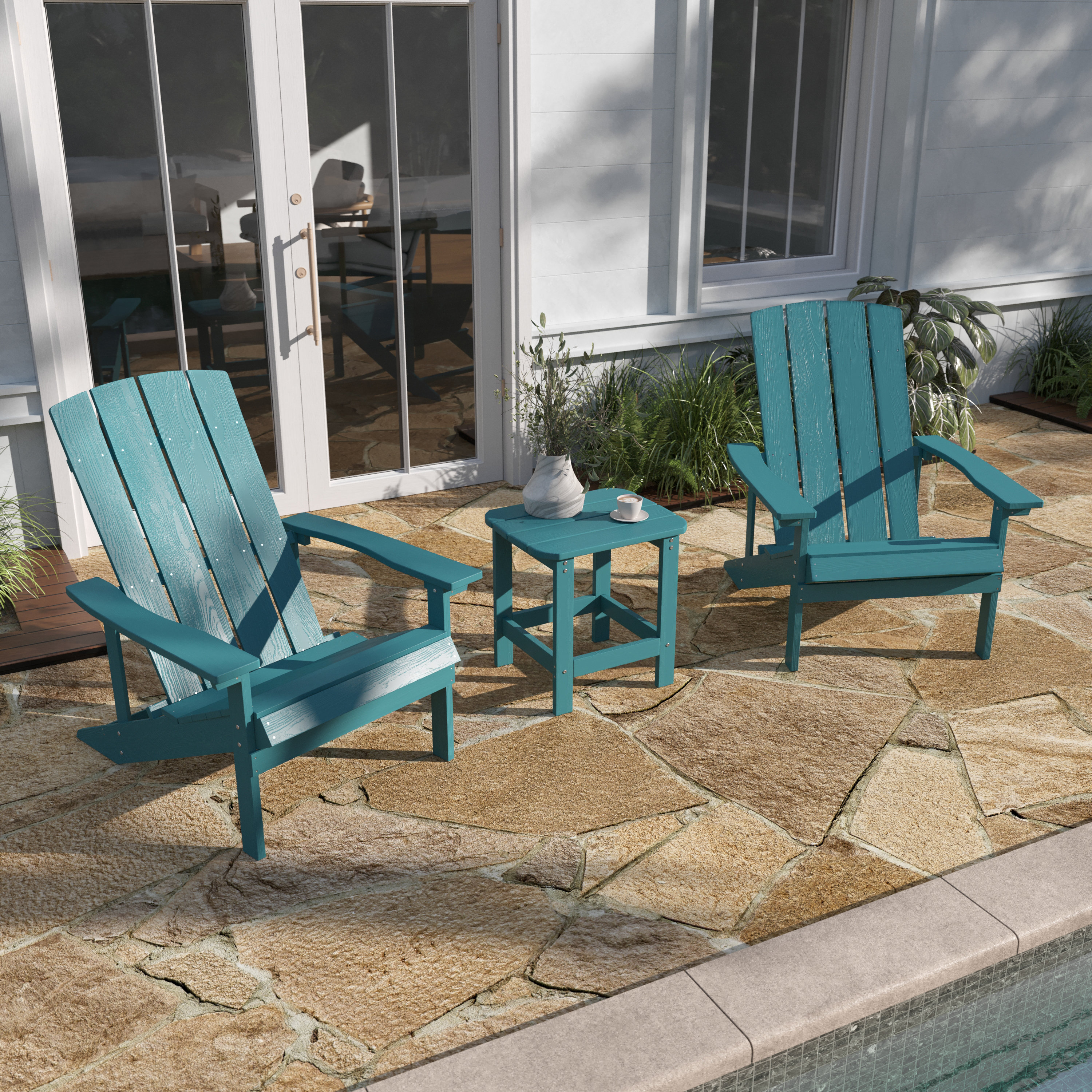
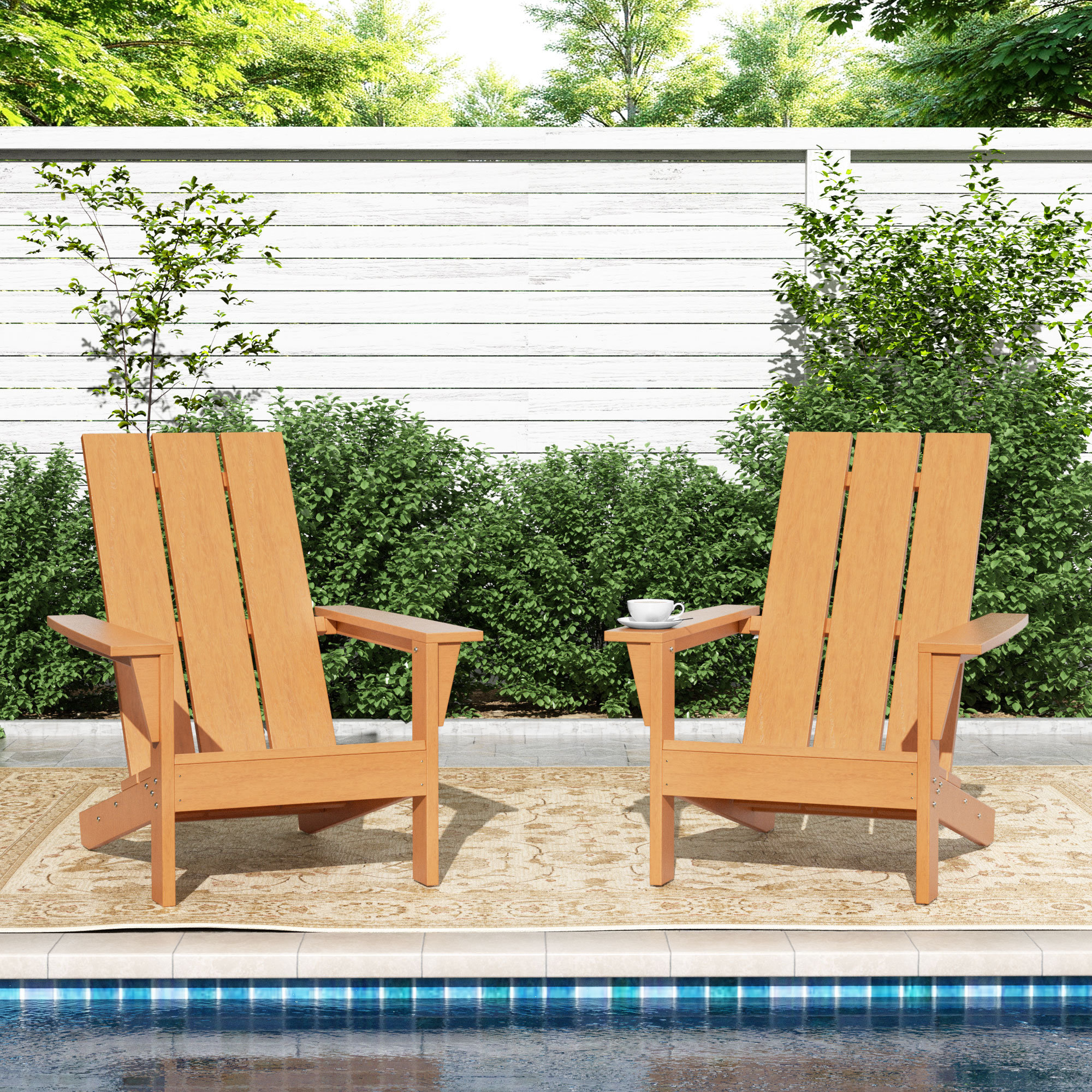
In 2026, the best Adirondack chairs are defined by high-density polyethylene (HDPE) for long-term durability and sustainably sourced Teak for high-end luxury. Leading models like the Polywood Classic and the West Elm Solid Teak chair dominate the market, offering a blend of ergonomic support, weather resistance, and timeless aesthetic appeal for modern outdoor living spaces.
The Adirondack chair is more than just outdoor furniture; it is an American design icon. Originally designed by Thomas Lee in 1903 in Westport, New York, the chair was built to provide comfort on the rugged, sloped terrain of the Adirondack Mountains. Over a century later, the design has evolved from simple hemlock planks to sophisticated, engineered materials that can withstand salt spray, intense UV radiation, and freezing temperatures. Selecting the "best" chair in 2026 requires looking past aesthetics to evaluate material density, hardware grade, and ergonomic geometry.
The Evolution of Adirondack Materials: HDPE vs. Natural Wood
The most significant decision for any buyer in 2026 remains the choice of material. While the silhouette of the chair remains largely unchanged, the substances used to build them have undergone a technological revolution.
High-Density Polyethylene (HDPE)
Often referred to by the brand name Polywood, HDPE is the industry standard for durability in 2026. This material is typically sourced from recycled plastics, such as milk jugs and detergent bottles. The "best" HDPE chairs are not merely plastic-coated; they are solid, lumber-grade planks where the color is impregnated throughout the material. This prevents the fading, chipping, or peeling often seen in painted wood.
Technical advantages of HDPE include:
- UV Resistance: Modern HDPE uses advanced UV stabilizers to prevent the breakdown of polymer chains under sunlight.
- Density: Quality HDPE chairs often weigh between 35 and 50 pounds, ensuring they do not blow away during high winds.
- Zero Moisture Absorption: Because the material is non-porous, it cannot rot, mold, or succumb to wood-boring insects.
Sustainably Sourced Wood (Teak, Cedar, and Acacia)
For purists, nothing replaces the tactile warmth of natural wood. In 2026, the focus has shifted heavily toward FSC-certified (Forest Stewardship Council) woods.
- Teak (Tectona grandis): High in natural oils and silica, teak is the gold standard for wooden Adirondacks. It transitions from a golden honey hue to a sophisticated silver-grey patina over time if left untreated.
- Western Red Cedar: A lighter, aromatic option. Cedar contains natural phenols that resist decay, though it is a softer wood that may show dings and scratches more easily than HDPE or Teak.
- Acacia: Often used in budget-friendly models, Acacia is a dense hardwood. However, in the 2026 climate, it requires annual sealing to prevent cracking, as it does not possess the same oil density as Teak.
2026 Best Adirondack Chairs: Detailed Review Overview
To identify the best performers, we have evaluated chairs based on their weight capacity, ease of assembly, hardware quality, and long-term weather resistance.
1. The Polywood Classic Adirondack (AD5030)
As the pioneer of recycled plastic lumber, Polywood remains the top contender for 2026. The Classic series features a traditional slanted seat and a high, fan-shaped back.
- Performance: In field tests, this chair shows zero structural degradation after five years of exposure to coastal salt air.
- Technical Spec: It utilizes 18-8 stainless steel hardware with a protective coating to prevent "tea staining" or corrosion.
- Pros: 20-year residential warranty; available in over 15 colors; requires no sanding or staining.
- Cons: The seat is relatively low (14 inches), which may be difficult for some users to exit.
2. Highwood Hamilton Folding Adirondack
The Highwood Hamilton is frequently cited as the most "wood-like" synthetic chair. Their proprietary material has a matte finish and a realistic grain texture that lacks the "shiny plastic" look of lower-end HDPE.
- Performance: The folding mechanism is the standout feature here. It uses heavy-duty pins that allow the chair to collapse for winter storage or transport without compromising the weight capacity (rated at 400 lbs).
- Technical Spec: Made in the USA, the material is "hard-shell" finished, making it highly resistant to surface scratches.
- Pros: Exceptional aesthetic; space-saving design; very low maintenance.
- Cons: Higher price point than standard non-folding models.
3. L.L. Bean All-Weather Adirondack Chair
L.L. Bean has maintained its partnership with Polywood but adds its own design specifications, including a slightly more upright back and wider armrests (enough to balance a beverage or a small plate).
- Performance: Known for its "generational" durability. Many users report these chairs lasting 15+ years in harsh North American winters.
- Technical Spec: The fasteners are recessed, preventing skin contact with hot metal during summer months.
- Pros: Renowned customer service; oversized armrests; extremely stable footprint.
- Cons: Shipping can be expensive due to the weight of the pre-assembled components.
4. Walker Edison Solid Acacia Wood Chair
For those on a budget who refuse to move away from natural timber, the Walker Edison model provides a solid entry point.
- Performance: This chair requires more care. To maintain its 2026 "best-buy" status, it must be treated with a UV-protectant oil at least once a year.
- Technical Spec: Features a chevron-pattern backrest which adds structural rigidity compared to traditional vertical slats.
- Pros: Authentic wood feel; lower initial cost; beautiful grain patterns.
- Cons: Susceptible to checking (small cracks) if the humidity fluctuates rapidly.
Technical Comparison of Top Adirondack Models
| Feature | Polywood Classic | Highwood Hamilton | L.L. Bean All-Weather | Walker Edison Wood |
|---|---|---|---|---|
| Primary Material | HDPE Plastic | Highwood Synthetic | HDPE Plastic | Acacia Hardwood |
| Weight Capacity | 400 lbs | 400 lbs | 350 lbs | 250 lbs |
| Hardware Grade | Marine-Grade SS | Stainless Steel | Marine-Grade SS | Galvanized Steel |
| Foldable? | No | Yes | No | No |
| Maintenance | Soap & Water | Soap & Water | Soap & Water | Annual Oil/Seal |
| Warranty | 20 Years | 12 Years | Limited Lifetime | 90 Days |
Ergonomics and The "Comfort Factor"
An Adirondack chair’s comfort is dictated by its geometry. In 2026, manufacturers have moved away from the extreme "bucket" seats of the past, which were often difficult to get out of.
Seat Height and Angle
A standard Adirondack seat height ranges from 12 to 16 inches. Chairs at the lower end of this spectrum offer the classic "recline," but for users with knee or hip concerns, a height of 15-16 inches is recommended. The angle of the seat—the "pitch"—should ideally be between 10 and 15 degrees. This allows the body to sink back into the lumbar support without putting excessive pressure on the hamstrings.
The Waterfall Front
The "best" chairs feature a "waterfall" front edge, where the seat slats curve downward behind the knees. This design choice prevents the sharp edge of a slat from cutting off circulation during long periods of sitting.
Backrest Curvature
Look for a contoured backrest. Cheap Adirondack chairs use flat slats that can be uncomfortable for the spine. Premium models use steam-bent wood or CNC-machined synthetic planks to create a concave curve that mimics the natural shape of the human back.
Hardware and Construction: What to Verify
The longevity of an Adirondack chair is often determined by the parts you cannot see from a distance. In 2026, high-quality construction is non-negotiable.
- 316 Grade Stainless Steel: If you live within 50 miles of the coast, 304-grade stainless steel may still rust. 316-grade (marine grade) hardware is the only material that can fully resist the corrosive effects of salt air.
- Mortise and Tenon Joinery: In wooden chairs, look for mortise and tenon joints rather than simple butt joints held together by screws. This traditional woodworking technique provides significantly more lateral stability.
- Recessed Fasteners: High-quality chairs hide the screw heads. This is partly for aesthetics and partly for safety, as protruding hardware can snag clothing or scratch skin.
- Support Braces: Ensure the chair has a cross-brace between the front legs. Without this, the legs can splay over time, leading to structural failure.
Environmental Impact and Sustainability in 2026
As of 2026, the environmental footprint of outdoor furniture is a major consideration for most consumers. HDPE chairs are often praised for being "circular" products, as they are made from recycled content and can themselves be recycled at the end of their life cycle.
However, the carbon footprint of manufacturing plastic can be higher than that of wood. For the most eco-friendly choice, FSC-certified Teak or Cedar is often superior, provided the wood is harvested from managed forests that promote biodiversity. Furthermore, natural wood acts as a carbon sink, whereas plastic production is tied to the petrochemical industry.
Common Assembly and Maintenance Mistakes
Even the best chair can fail if it is improperly handled.
- Over-tightening Screws: This is the most common mistake in HDPE assembly. Because plastic expands and contracts slightly with temperature changes, over-tightening can cause the material to stress-crack around the pilot holes.
- Ignoring the "Silvering": Owners of teak chairs often panic when the wood turns grey. This is a natural protective layer. Sanding it off repeatedly actually shortens the life of the chair. Unless you prefer the honey color, it is best to let the teak age naturally.
- Power Washing: Never use a high-pressure power washer on a wooden Adirondack chair. The force can "fuzz" the grain, requiring extensive sanding to fix. A garden hose and a soft brush are sufficient for both wood and HDPE.
Frequently Asked Questions
What is the best material for an Adirondack chair in a coastal environment?
For coastal areas, HDPE (High-Density Polyethylene) with 316-grade marine stainless steel hardware is the best choice. Salt air quickly corrodes standard fasteners and can cause natural wood to degrade faster unless it is high-oil Teak. HDPE is completely impervious to salt and will not pit or peel.
How much weight can a typical Adirondack chair hold?
High-quality synthetic chairs from brands like Polywood or Highwood are typically rated for 350 to 400 pounds. Budget wooden chairs made from Pine or Acacia often have lower weight limits, ranging from 200 to 250 pounds. Always check the manufacturer’s specifications for "static load" capacity.
Are folding Adirondack chairs as sturdy as fixed ones?
If engineered correctly, yes. Modern folding chairs use heavy-duty locking pins or oversized bolts at the pivot points. While they may have a very slight "give" compared to a fully rigid chair, they are designed to be safe for daily use. However, cheaper folding models may develop wobbles over time if the hardware loosens.
Why are Adirondack chairs so low to the ground?
The original design was intended for lounging on hillsides. The low center of gravity provides stability on uneven ground. While the classic look is low, many 2026 manufacturers offer "upright" or "tall" versions of the Adirondack chair for users who prefer easier entry and exit.
How do I prevent my wooden Adirondack chair from cracking?
Cracking, or "checking," is usually caused by rapid moisture loss. To prevent this, keep wooden chairs out of direct, mid-day summer sun when possible, and apply a high-quality outdoor wood sealer annually. This helps the wood retain its internal moisture balance.
Final Recommendation for 2026
If you are looking for a "set it and forget it" solution, the Polywood Classic Adirondack remains the best overall choice due to its 20-year warranty and total resistance to the elements. For those who prioritize design and the sensory experience of natural materials, investing in an FSC-certified Solid Teak chair is the superior option, offering a lifetime of service and a beautiful aging process that synthetic materials simply cannot replicate.