A board report is a high-level briefing document designed to provide directors with the critical information, performance metrics, and strategic insights necessary for informed oversight. It acts as the primary communication bridge between executive management and the governing board, ensuring that complex organizational data is distilled into actionable intelligence that facilitates transparent, legally sound, and strategically aligned decision-making.
The Purpose and Strategic Value of Board Reporting
In the context of modern corporate governance, a board report serves more than a mere administrative function; it is a fundamental tool for accountability. Board members, who are often non-executive, rely on these documents to understand the health of the organization, the status of its strategic initiatives, and the nature of its risks. By synthesizing departmental performance into a coherent narrative, the report enables the board to exercise its fiduciary duties effectively.
A well-structured report minimizes information asymmetry. Without it, directors might operate on incomplete or filtered information, potentially leading to oversight gaps. By standardizing the format of these reports, organizations create a rhythm of communication that encourages consistency and allows directors to focus on trends rather than isolated incidents.
Key Components of a Standard Board Report
While the specific content varies depending on the industry and the size of the entity, a professional board report generally follows a predictable architecture. This structure ensures that essential information is easy to locate and that the board’s limited meeting time is spent on high-impact deliberations rather than information gathering.
Executive Summary
The executive summary is the most critical section. It should provide a snapshot of the organization’s current state. If a director reads only this page, they should grasp the most urgent issues, recent accomplishments, and major risks. It should ideally be no longer than one or two pages, using bullet points for clarity.
Financial Performance Overview
Directors require a clear view of the organization’s financial position. This does not mean simply attaching a spreadsheet; it involves providing an analysis of financial health.
- Income Statement Analysis: Year-to-date performance versus budget and prior-year comparisons.
- Cash Flow Position: Availability of liquidity to meet obligations and fund planned growth.
- Capital Expenditure: Updates on significant investments and their return on investment (ROI) status.
Operational and Strategic Updates
This section bridges the gap between daily operations and long-term goals. It should highlight progress on major projects, milestones achieved, and significant challenges faced by the management team. Align these updates with the organization's overarching strategic plan or "North Star" goals to remind the board why these initiatives matter.
Risk and Compliance Management
A robust board report must address the risk register. This includes updates on regulatory compliance, cybersecurity posture, legal disputes, and major operational vulnerabilities. The report should summarize the mitigation strategies in place for each identified high-priority risk.
Structural Comparison: Strategic vs. Operational Reporting
Understanding the distinction between operational data and strategic insight is essential for effective reporting. The following table highlights how different data points should be framed for a board audience.
| Reporting Focus | Data Type | Purpose | Presentation Style |
|---|---|---|---|
| Operational | KPIs, daily volume, staffing | To confirm standard efficiency | Tables and trend charts |
| Strategic | Market share, competition | To guide future investment | Narrative synthesis |
| Financial | Profit/Loss, Liquidity | To ensure solvency and growth | Variance analysis, forecasts |
| Risk | Legal, Cyber, Safety | To monitor governance | Heat maps and mitigation status |
Preparing the Report: Best Practices for Management
Drafting a board report is a collaborative effort that requires a balance between transparency and brevity. Management teams often struggle with the "more is better" fallacy, believing that providing a 100-page document proves diligence. In reality, brevity is a sign of mastery.
Maintaining Conciseness
Focus on the "So What?" factor. For every metric presented, ask yourself what decision it supports. If a piece of data does not inform a decision or provide necessary oversight, it is likely clutter. Use appendices for raw data that might be requested but is not essential for the high-level meeting.
Adopting Visual Clarity
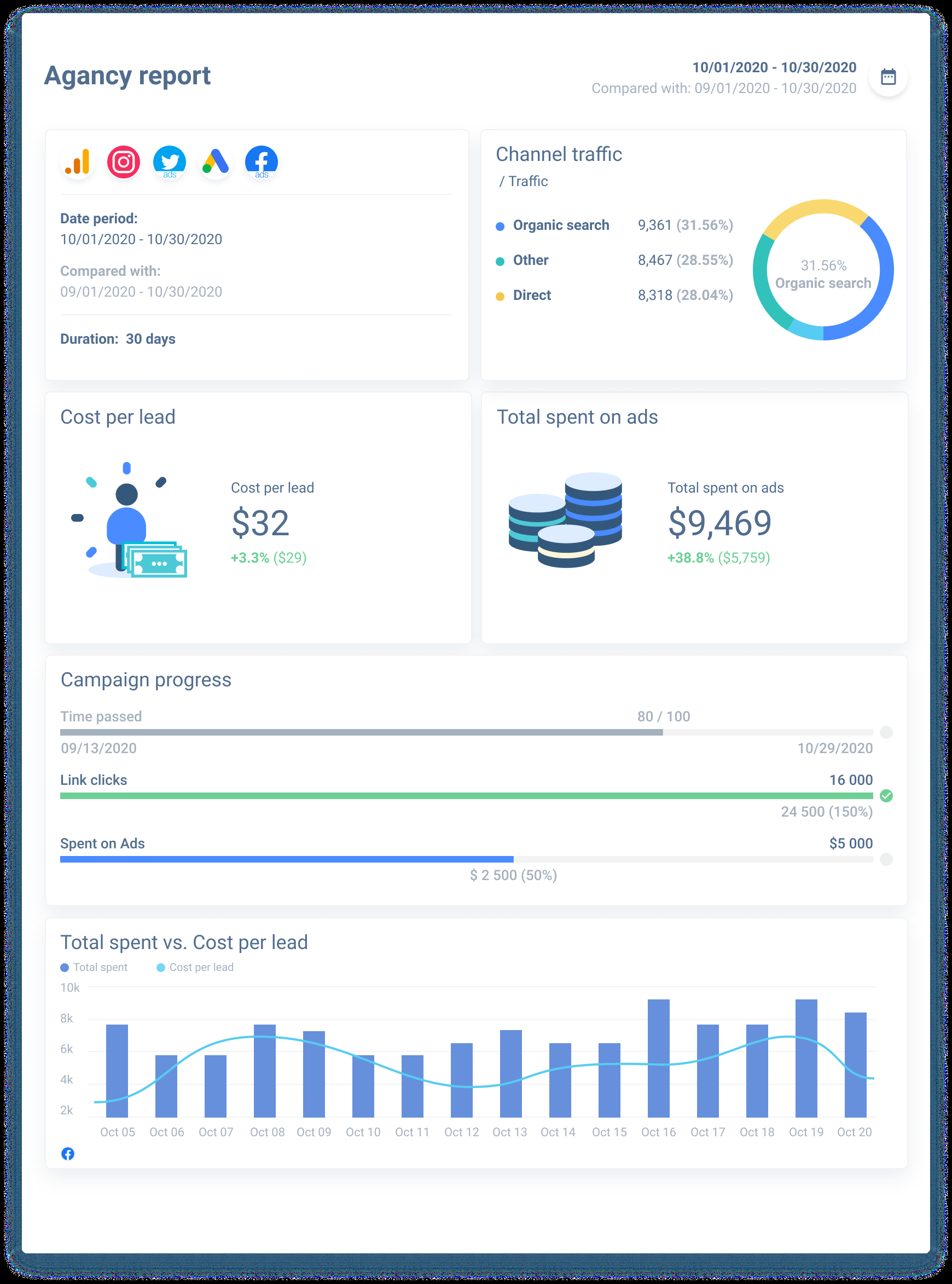
Board directors appreciate data visualization. Replace dense tables with simple, clear charts that illustrate performance over time. Ensure that all charts are consistently labeled and that color coding (e.g., green for meeting targets, red for significant variance) is intuitive and consistent across all pages.
Ensuring Timely Delivery
The "Board Packet" should ideally be provided at least five to seven days before the meeting. This allows directors sufficient time to review, synthesize, and formulate questions. Late delivery of reports creates a defensive atmosphere, as board members may feel rushed or unprepared to challenge management's assumptions.
Addressing Common Challenges in Reporting
Even with the best intentions, organizations often encounter friction in the reporting process. One of the most common issues is the "Everything is Green" syndrome, where management presents only positive news. Effective board reporting requires a culture of radical candor; if a project is behind schedule, it should be clearly articulated alongside a recovery plan.
Another challenge is the misalignment of expectations. Early in a director’s tenure, management should clarify what specific information they find most useful. Annual surveys of the board can help refine the reporting template to ensure it remains relevant to the current organizational stage.
Regulatory and Legal Considerations
While the structure of a report is a matter of best practice, the content must adhere to legal standards for corporate governance. Directors are legally responsible for the oversight of the organization. If a catastrophic event occurs, board minutes and the associated reports are often the first documents requested during an audit or investigation.
Ensure that the data provided is accurate and verifiable. If projections are shared, they should be labeled as such and based on reasonable assumptions. The board report acts as an official record of the organization’s awareness of its own affairs; therefore, it must be drafted with the awareness that it may eventually be scrutinized by external regulators or stakeholders.
Frequently Asked Questions
How long should a board report be? A well-crafted board report, excluding appendices, should typically range between 15 and 30 pages. Focus on highlighting key developments rather than summarizing every minor activity. The length should be dictated by the complexity of the organization rather than a rigid page count.
What is the role of an appendix in a board report? The appendix is used for detailed data that supports the main report. This includes full financial statements, legal disclosures, or detailed technical specifications. It keeps the core report readable while ensuring the board has access to the underlying facts if they choose to deep-dive into a topic.
Should I include negative information? Yes. Withholding negative information is a significant governance failure. When reporting a negative result or a missed goal, lead with the facts, explain the impact, and immediately provide the corrective action plan. This demonstrates control and honesty.
How often should board reports be updated? Most organizations provide a full report for every scheduled board meeting, usually quarterly. However, if there are major developments between meetings—such as a significant acquisition or a change in senior leadership—a special briefing or an interim report should be issued.
What is the best way to handle "off-the-record" updates? Board reports are formal documents. If management needs to discuss sensitive, non-finalized, or highly confidential information, this is best handled in an "Executive Session" (a portion of the meeting with only directors present) or through a separate, verbal briefing during the meeting.
Implementation: Taking Action
To improve your board reporting process, start by auditing your last three reports. Identify three metrics or sections that did not trigger any discussion or follow-up questions from the board. Consider removing or consolidating these sections in your next cycle. Furthermore, solicit direct feedback from your board chair regarding the usability of the current format. By treating the report as a living document that evolves with the company’s strategic needs, you ensure that the board remains an asset to your organization's mission, rather than just a compliance requirement.