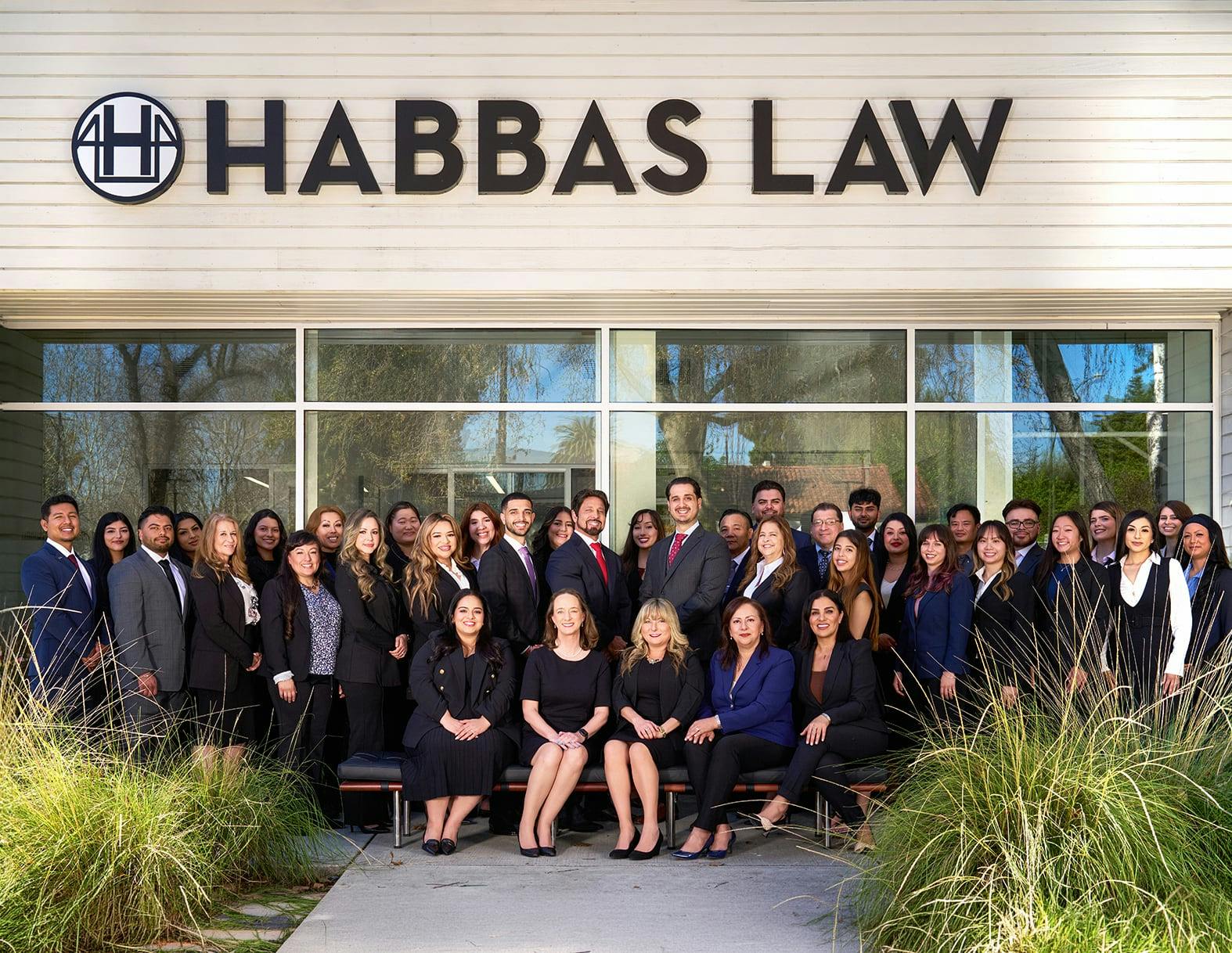
Samer Habbas and Associates is a California-based personal injury law firm that represents individuals who have sustained injuries due to the negligence or wrongful conduct of others. The firm handles a diverse range of civil litigation matters, primarily focusing on motor vehicle accidents, premises liability, and wrongful death cases, operating under the leadership of attorney Samer Habbas.
Overview of the Firm’s Legal Scope
When individuals find themselves dealing with the aftermath of an unexpected accident, navigating the complexities of the legal system often becomes a daunting necessity. Samer Habbas and Associates, established as a personal injury practice in California, specializes in representing plaintiffs—the injured parties—against insurance companies and at-fault defendants.
The firm functions as a private practice that leverages tort law to pursue compensation for damages. In personal injury law, the primary objective is to make the victim whole again, to the extent that monetary compensation can address medical expenses, lost wages, and pain and suffering. By functioning on a contingency fee basis—a standard practice for many firms of this type—they align their interests with the client, as legal fees are generally contingent upon the successful resolution of the claim.
Core Areas of Legal Representation
Samer Habbas and Associates centers its practice on several pillars of personal injury law. Understanding these categories is essential for prospective clients seeking to determine whether their specific situation aligns with the firm’s expertise.
Motor Vehicle Accidents
This is the most common area of practice for the firm. It encompasses a broad range of incidents including, but not limited to:
- Passenger Vehicle Collisions: Standard two-car accidents involving issues of liability and comparative negligence.
- Commercial Trucking Accidents: Complex cases involving federal regulations, commercial insurance policies, and multiple liable parties, such as trucking companies and vehicle manufacturers.
- Motorcycle and Bicycle Accidents: These cases often involve severe, catastrophic injuries requiring long-term care, making the accurate calculation of "future damages" a critical component of the representation.
- Pedestrian Incidents: Cases where the firm must establish negligence in a vulnerable user context, often dealing with local traffic laws and crosswalk regulations.
Premises Liability
Commonly referred to as "slip and fall" cases, premises liability law involves holding property owners accountable for injuries occurring on their premises. This requires proving that the owner or occupier of the property had a duty of care, breached that duty by allowing a hazardous condition to persist, and that this breach was the direct cause of the injury.
Wrongful Death
These represent the most sensitive and high-stakes matters a firm can handle. When an individual dies due to the legal fault of another person or entity, the surviving family members may pursue a wrongful death claim. This serves to compensate survivors for the loss of companionship, financial support, and burial costs.
The Anatomy of a Personal Injury Claim
For those unfamiliar with civil litigation, the journey from an accident to a resolution involves several distinct phases. Whether a client is represented by Samer Habbas and Associates or another firm, the procedural trajectory remains largely consistent within the California legal system.
- Investigation and Intake: The firm evaluates the claim to determine if there is a viable cause of action. This involves reviewing police reports, insurance policy limits, and the extent of the initial medical documentation.
- Medical Treatment and Evidence Collection: A core tenet of personal injury law is that damages must be proven through medical necessity. Clients are typically advised to follow their treatment plans closely, as gaps in medical care can be exploited by opposing counsel to argue that injuries were not as severe as claimed.
- The Demand Phase: Once the client has reached "Maximum Medical Improvement" (MMI), or when there is enough data to project future needs, the attorney issues a demand letter to the insurance company. This document outlines the legal theory of liability and provides a comprehensive breakdown of the client’s damages.
- Negotiation and Litigation: A significant majority of personal injury claims are settled out of court through negotiations. However, if an insurance carrier refuses to offer a fair settlement, the firm may move to file a formal complaint in civil court, initiating the litigation process which includes the "discovery" phase—where evidence is exchanged between parties.
Comparative Analysis: Navigating Legal Representation
Selecting the right legal advocate involves weighing several factors. While many firms operate in the personal injury space, prospective clients should consider the following metrics when assessing a firm’s suitability for their case.
| Factor | Consideration for Clients |
|---|---|
| Fee Structure | Most personal injury firms use a contingency model; ensure you understand the percentage taken before costs. |
| Experience Level | Review whether the firm has experience with cases involving similar injuries or specific accident types. |
| Trial History | Ask if the firm has the resources and willingness to go to court if settlement offers are inadequate. |
| Communication | Determine if the firm provides a point of contact for case updates throughout the life of the claim. |
| Geographic Scope | Confirm the firm is licensed and active in the specific jurisdiction where the incident occurred. |
The Role of Evidence in Settlement Valuation
One of the primary questions clients ask is, "How much is my case worth?" There is no single formula for this, but Samer Habbas and Associates—like other reputable firms—relies on verifiable evidence to build a valuation.
Economic damages are relatively straightforward. These include medical bills, pharmacy costs, physical therapy expenses, and documented loss of earnings. Non-economic damages, such as pain and suffering, emotional distress, and loss of enjoyment of life, are more subjective. They require the attorney to articulate the impact of the injury on the client’s day-to-day life effectively. In California, these valuations are often influenced by the jurisdiction's specific "jury verdict history," which provides a baseline of what a jury might award for similar injuries in that specific county.
Common Misconceptions Regarding Personal Injury Law
A significant hurdle for many clients is managing expectations against the backdrop of media portrayals of the legal system.
- The "Quick Settlement" Myth: Clients often expect an immediate payout. In reality, thorough representation requires waiting until medical conditions stabilize to ensure all future costs are accounted for. Rushing a settlement often results in leaving significant financial recovery on the table.
- Courtroom Drama vs. Reality: Most personal injury cases do not reach a trial. The goal of a skilled practitioner is to build such a compelling case that the insurance company is incentivized to settle for a fair amount rather than risk the unpredictability of a trial verdict.
- The "One-Size-Fits-All" Case: No two cases are identical. Even if two people are involved in similar rear-end collisions, their medical history, age, profession, and specific injuries will result in vastly different legal strategies and outcomes.
Professional Considerations and Legal Ethics
When engaging with Samer Habbas and Associates, or any legal entity in the State of California, it is important to be aware of the professional requirements of the State Bar of California. Attorneys are bound by a strict code of ethics regarding client communication, the management of client trust accounts (where settlement funds are held), and the duty of zealous representation.
If you are currently a client or considering becoming one, you are encouraged to review the fee agreement thoroughly. This document is a legally binding contract that outlines exactly how fees are calculated, what costs will be deducted from any potential settlement, and the obligations of both the firm and the client. Do not hesitate to ask for clarification on any clause that appears ambiguous.
Next Steps for Potential Clients
If you believe you have a case that falls within the purview of Samer Habbas and Associates, the most effective next step is to schedule an initial consultation. Most personal injury firms provide these consultations at no cost.
During the consultation, be prepared to provide:
- A detailed, chronological account of the incident.
- Documentation of any medical care received to date.
- Information regarding the insurance policies involved (both yours and the at-fault party's).
- Any correspondence you have already received from insurance adjusters.
Avoid providing recorded statements to insurance companies before speaking with your own legal representative. Adjusters are often tasked with minimizing the insurer's liability, and statements provided without counsel can sometimes be used to weaken a claim. Ensure that your narrative remains consistent and factual throughout the process, as any discrepancies can be highlighted during the defense’s discovery phase.
By preparing your documentation in advance, you allow the firm to conduct an efficient assessment, which helps in determining the viability and potential scope of your claim. Legal resolution is a marathon, not a sprint; patience and careful preparation are the cornerstones of achieving a favorable outcome.