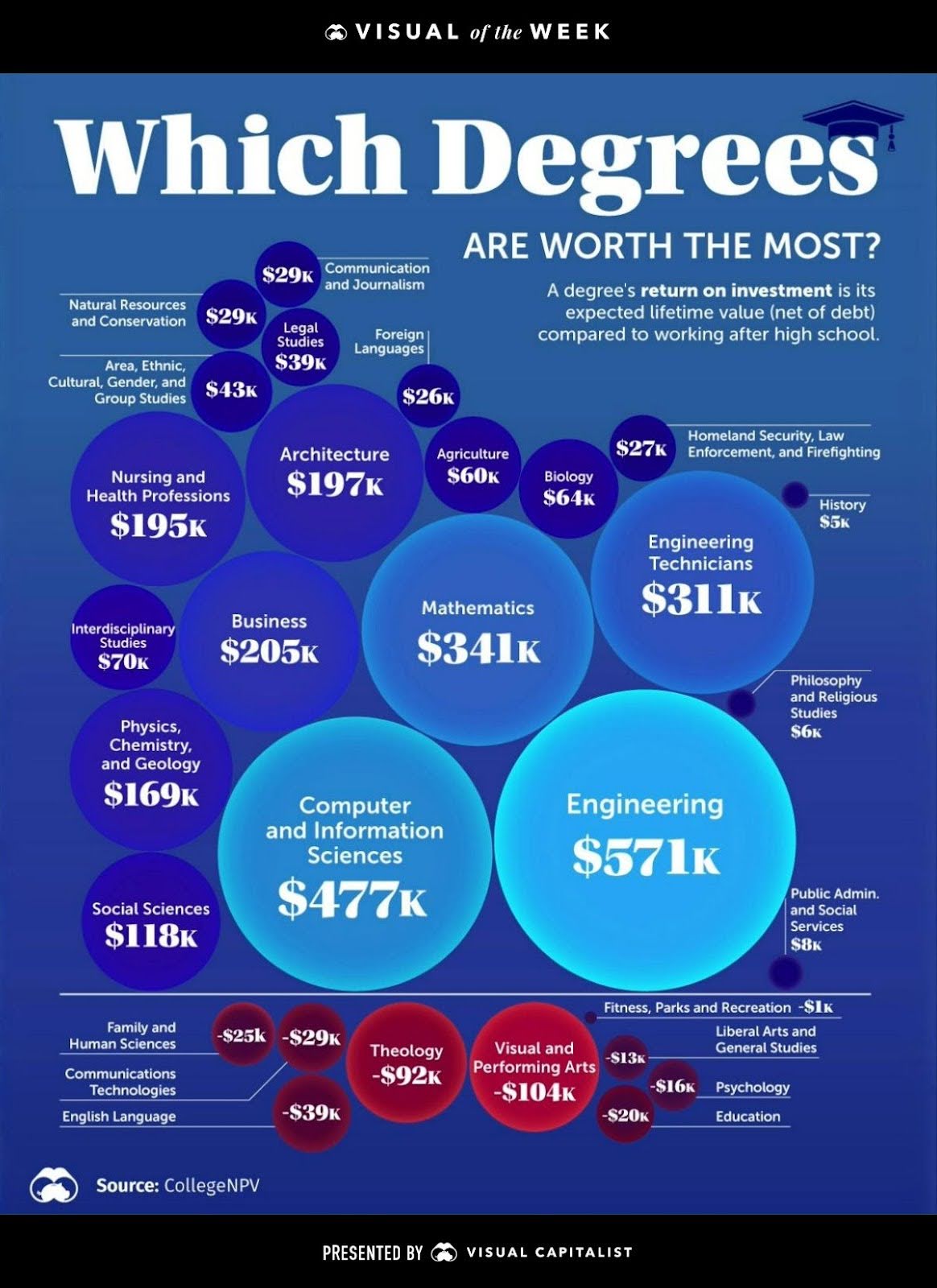
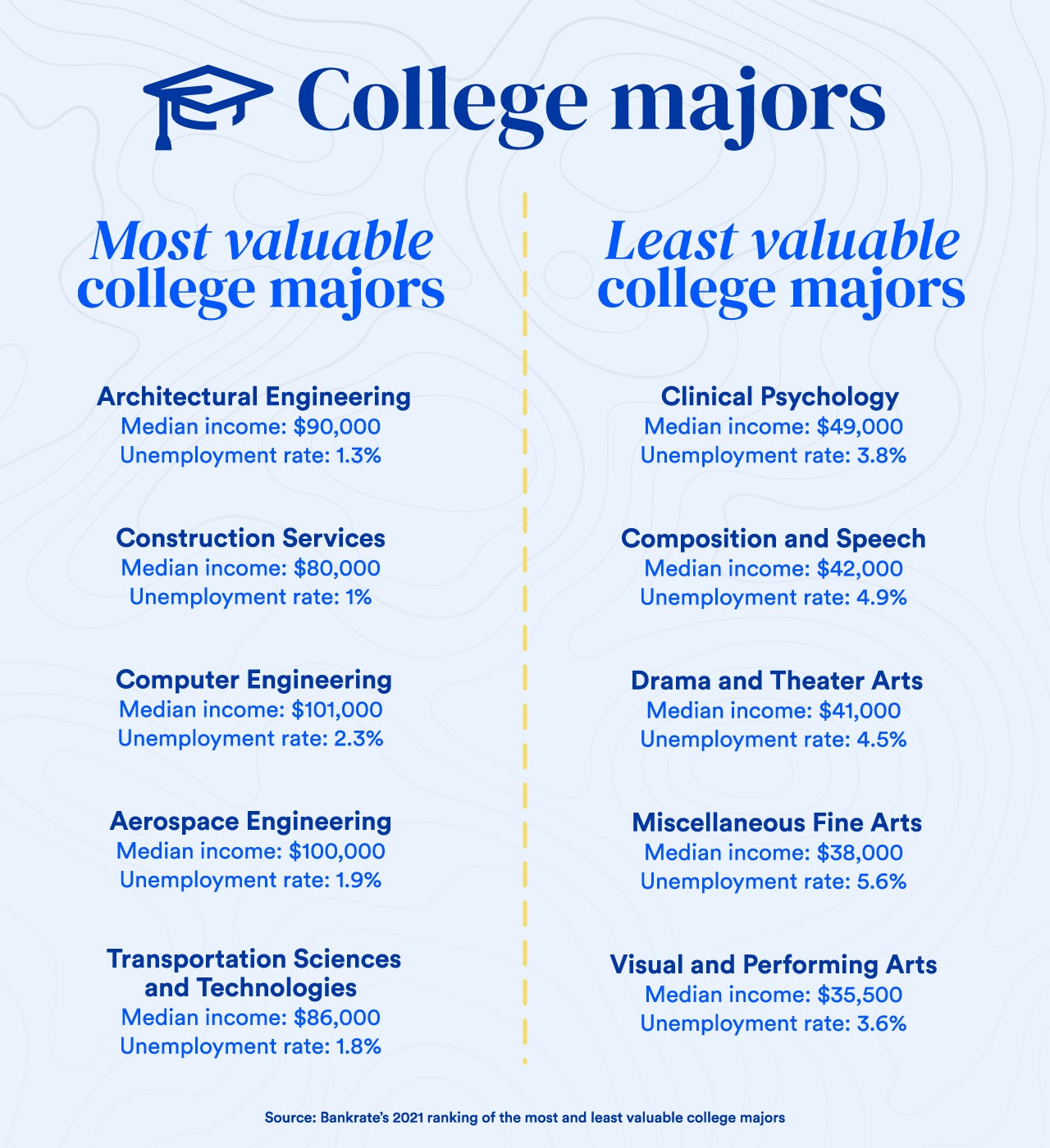
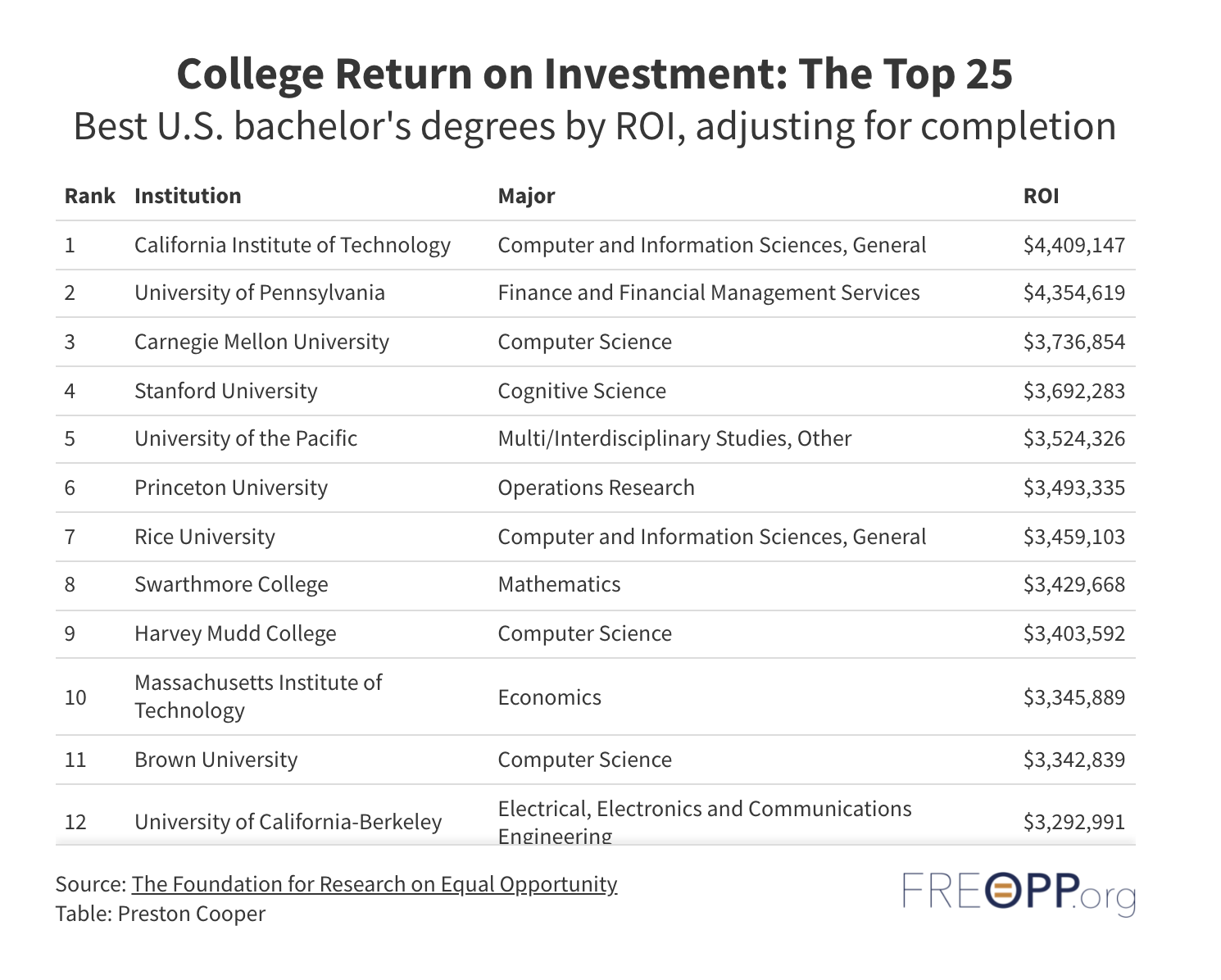
A math degree remains highly valuable in 2026 because it cultivates foundational analytical skills applicable across high-growth sectors like artificial intelligence, quantitative finance, and cryptography. While the curriculum is rigorous, the long-term return on investment is bolstered by high median salaries and extensive career flexibility in a data-driven global economy.
The Mathematical Value Proposition in the 2026 Economy
As we navigate 2026, the question of whether a mathematics degree is "worth it" has shifted from a discussion of teaching versus research to a broader analysis of computational literacy and structural thinking. For many students, the primary appeal of a math degree lies not in the specific formulas memorized, but in the development of a "mathematical maturity." This term, widely used in academia and high-level industry, refers to the ability to approach unfamiliar, complex problems with a structured, logical framework.
The current economic landscape prioritizes individuals who can bridge the gap between raw data and actionable insights. While AI tools in 2026 can handle basic calculations and even generate standard proofs, the ability to architect the underlying logic of these systems remains a human-centric task. A math degree provides the theoretical scaffolding necessary to understand how neural networks function, how encryption protocols remain secure, and how financial markets model risk.
Furthermore, the versatility of the degree acts as a form of career insurance. Unlike highly specialized vocational degrees that may be tied to a specific technology or industry trend, the principles of calculus, linear algebra, and probability are evergreen. This allows math graduates to pivot between industries—from aerospace to biotechnology—as market demands shift.
High-Growth Career Sectors for Math Graduates
The market for math-heavy roles continues to expand, often under titles that do not explicitly include the word "mathematician." For many, the degree is a gateway to specialized fields that offer significant financial rewards and job security.
Quantitative Finance and Actuarial Science
The financial sector remains one of the largest employers of math majors. Quantitative analysts, or "quants," use mathematical models to price securities, manage risk, and execute algorithmic trades. In 2026, as markets become increasingly volatile and driven by high-frequency data, the demand for professionals who can navigate stochastic calculus and differential equations is at an all-time high.
Actuarial science also remains a staple career path. Actuaries use mathematics, statistics, and financial theory to assess the risk of potential events and help businesses and clients develop policies that minimize the cost of that risk. This field consistently ranks high in job satisfaction and salary, with many entry-level positions requiring only a Bachelor's degree and the successful completion of initial certification exams.
Data Science and Artificial Intelligence
The explosion of generative AI and machine learning has solidified the math degree's relevance. Understanding the "black box" of AI requires a deep grasp of optimization, multi-variable calculus, and linear algebra. In 2026, companies are moving beyond simple data visualization to complex predictive modeling, requiring a level of mathematical rigor that many standard "data bootcamp" graduates lack. Math majors who complement their degree with programming skills (such as Python or R) are often preferred for senior research and development roles.
Cryptography and Cybersecurity
As digital sovereignty and data privacy become paramount, the role of the cryptographer has moved from the shadows of government agencies into the corporate mainstream. Modern encryption relies on number theory and abstract algebra. Math majors are uniquely positioned to design and audit the protocols that protect global financial transactions and sensitive communications in an era where quantum computing threats are beginning to influence security standards.
Comparing Mathematics to Related STEM Disciplines
Choosing between math, computer science, and engineering is a common dilemma. The following table compares these paths based on 2026 market trends and academic focus.
| Metric | Mathematics Degree | Computer Science Degree | Engineering Degree |
|---|---|---|---|
| Primary Focus | Abstract logic and proof | Algorithm implementation | Physical or systems design |
| Entry-Level Salary | $75,000 – $110,000 | $85,000 – $120,000 | $80,000 – $115,000 |
| Career Longevity | High (Foundational) | Medium (Tech-dependent) | High (Specialty-dependent) |
| Skill Adaptability | Extremely High | High | Moderate |
| Core Difficulty | High (Theoretical) | Moderate to High (Applied) | High (Practical/Technical) |
While Computer Science degrees often command slightly higher starting salaries in software-specific roles, math majors frequently catch up or surpass them mid-career when moving into management, high-level architecture, or specialized research. The "worth" of the math degree often manifests in its lack of an expiration date; while a specific coding language might become obsolete, the logic of the algorithm remains constant.
The Financial Investment: Tuition vs. Lifetime Earnings
Determining if the degree is worth it requires a cold look at the numbers. According to the U.S. Bureau of Labor Statistics, occupations in math and statistics are projected to grow much faster than the average for all occupations through the end of the decade.
The cost of a four-year degree in 2026 varies significantly between public and private institutions, but the "break-even" point for a math major typically occurs within five to seven years of graduation. This is significantly faster than many liberal arts or humanities degrees. The high ceiling for earnings in sectors like hedge fund management or tech research means that the "upper bound" of a math degree's value is higher than almost any other undergraduate major.
However, students must be strategic. A math degree from a mid-tier university with no internships or supplemental coding skills may result in a slower start. To maximize ROI, students should pursue undergraduate research opportunities or internships in industry-relevant fields. Organizations like the Society for Industrial and Applied Mathematics (SIAM) provide resources for students to connect their theoretical studies to practical career outcomes.
Necessary Complements: Programming and Domain Expertise
A math degree is rarely sufficient on its own in the 2026 job market. To be "worth it" for the majority of students, the degree must be paired with secondary skills that allow the math to be applied.
- Programming Proficiency: Proficiency in Python, C++, or Julia is no longer optional. Most industrial math problems are solved through simulation and computation rather than pen-and-paper proofs.
- Statistical Software: Familiarity with tools like R, SAS, or specialized AI libraries (like PyTorch or TensorFlow) is essential for those entering the data science or actuarial fields.
- Communication Skills: Perhaps the most undervalued skill for math majors is the ability to explain complex concepts to non-technical stakeholders. The "bridge" role—translating a mathematical model into a business strategy—is where the highest salaries are found.
- Domain Knowledge: Specializing in a "side" field, such as biology (bioinformatics), physics (aerospace), or economics (finance), makes the mathematical skills far more marketable.
Potential Drawbacks and Challenges
While the benefits are significant, it is important to acknowledge that a math degree is not the right choice for everyone. The primary challenge is the steep "abstraction wall" that occurs in the sophomore or junior year. The transition from computational calculus (solving for X) to abstract analysis and topology (proving why X exists) can be jarring.
The dropout rate for math majors is higher than in many other departments because the subject matter requires a specific type of cognitive endurance. If a student does not genuinely enjoy the process of rigorous proof and logical deduction, the "worth" of the degree will be diminished by the mental toll and potential for burnout. Furthermore, for those who exclusively want to build software, a Computer Science degree remains a more direct and often less frustrating path.
Frequently Asked Questions
Do I need a Master's or PhD for a math degree to be worth it?
Not necessarily. While research and university teaching roles require a PhD, a Bachelor’s degree is sufficient for many high-paying roles in data science, actuarial work, and finance. However, a Master’s degree in a specialized field (like Financial Engineering or Statistics) can significantly increase starting salaries and is often pursued by math majors after a few years of work experience.
Is a math degree harder than a computer science degree?
This is subjective, but math degrees generally focus more on theoretical abstraction and rigorous proof, which many students find more difficult than the applied logic of computer science. In 2026, the two fields are increasingly intertwined, but the pure math path typically requires a higher tolerance for ambiguity and non-visual problem-solving.
Can I get a job in tech with a math degree?
Yes, math majors are highly sought after in tech for roles in algorithm design, machine learning, and data engineering. Most major tech companies value the rigorous problem-solving background of math majors, provided they can demonstrate coding proficiency during the interview process.
What are the most common entry-level titles for math majors?
Common titles in 2026 include Data Analyst, Actuarial Analyst, Operations Research Analyst, Junior Quantitative Researcher, and Cryptosecurity Associate. Many also find success in consulting and secondary education.
How has AI changed the value of a math degree?
AI has actually increased the value of the degree by automating the tedious parts of mathematics, allowing professionals to focus on higher-level system architecture and model validation. The human ability to ensure a model is mathematically sound and ethically applied is more critical now than ever before.
Next Steps for Prospective Students
If you are considering a math degree in 2026, your first step should be to evaluate your interest in "proof-based" mathematics. Review introductory materials on Set Theory or Logic to see if the style of thinking appeals to you. Additionally, look at the curriculum of your target universities; ensure they offer tracks in Applied Mathematics or Statistics if you are more interested in industry roles than academia.
For those already enrolled, the best action is to secure an internship in a technical field as early as possible. This provides the "domain expertise" that makes your mathematical skills tangible to employers. Membership in professional organizations like the American Mathematical Society (AMS) or the Mathematical Association of America (MAA) can also provide networking opportunities and career guidance tailored to the 2026 job market.