A Mandatory Settlement Conference (MSC) is a formal legal proceeding within the California workers' compensation system designed to resolve disputes before a case proceeds to trial. It serves as a final opportunity for the injured worker (the applicant) and the insurance carrier (the defendant) to reach a settlement agreement or, failing that, to strictly define the issues, evidence, and witnesses that will be presented to a judge during a subsequent trial.
The Legal Framework and Purpose of the MSC
In the landscape of California workers’ compensation law as of 2026, the Mandatory Settlement Conference is governed primarily by California Labor Code Section 5502. The overarching goal of the MSC is judicial economy. The Workers’ Compensation Appeals Board (WCAB) operates under heavy caseloads; therefore, the system is designed to encourage parties to resolve their differences without the need for a formal trial.
An MSC is not a trial. There is no live testimony from witnesses, and the judge does not make a final ruling on the merits of the case during this session. Instead, the MSC acts as a filter. If a settlement is reached, the case concludes (pending judicial approval). If a settlement is not reached, the parties must "close discovery," meaning they can no longer collect new medical reports or evidence to use at trial, barring exceptional circumstances. This creates a high-stakes environment where both sides must be fully prepared with their evidence before stepping into the hearing room or joining the virtual conference call.
Initiating the MSC: The Declaration of Readiness to Proceed
The path to an MSC begins when one party files a Declaration of Readiness to Proceed (DOR). In California, a case does not automatically get scheduled for a hearing just because a claim was filed. Either the injured worker’s attorney or the insurance company’s attorney must formally ask the WCAB for a hearing.
The party filing the DOR must declare, under penalty of perjury, that they have made a "genuine, good faith effort" to resolve the dispute before requesting the court's intervention. This typically involves documented attempts at phone calls, letters, or settlement demands. If the court finds that a party filed a DOR without a sincere attempt to settle, the judge may sanction that party or strike the DOR from the record.
Once the DOR is processed, the WCAB will issue a Notice of Hearing, usually scheduling the MSC within 30 to 60 days. As of 2026, many of these conferences are still held via teleconference or video platforms, although in-person appearances can be requested or mandated by specific district offices.
The Pre-Trial Conference Statement: The Roadmap for Trial
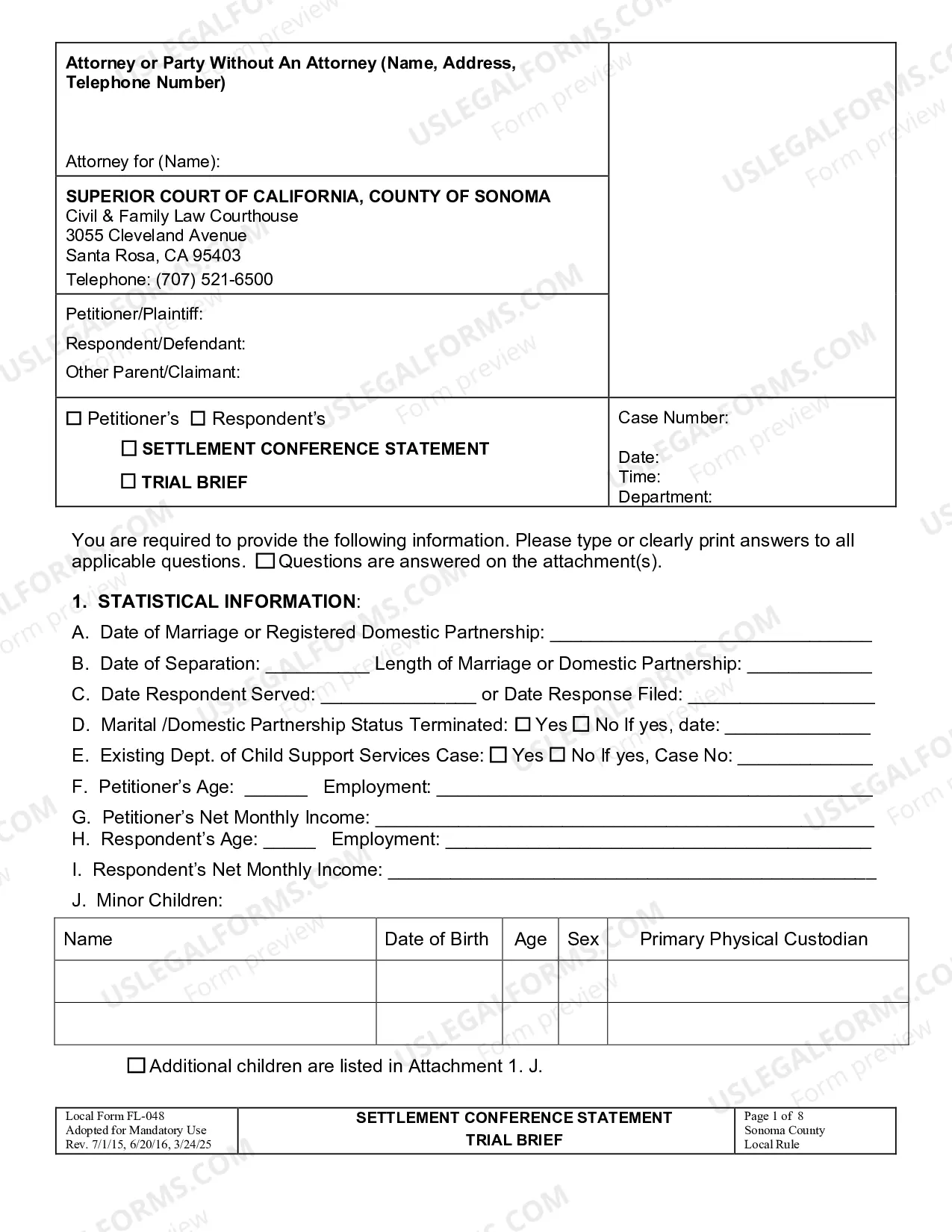
Perhaps the most critical document in a California workers' compensation case is the Pre-Trial Conference Statement (PTCS). If the parties cannot settle during the MSC, they are required to fill out this form together. The PTCS is a binding document that outlines exactly what the trial judge will consider.
The PTCS includes several vital sections:
- Stipulations: These are facts that both sides agree upon, such as the date of injury, the employer at the time, and whether the employer was insured. Stipulated facts do not need to be proven at trial.
- Issues in Dispute: This section identifies exactly what the judge needs to decide. Common issues include "Permanent Disability," "Future Medical Care," "Apportionment," or "Temporary Disability."
- Witnesses: Every person the parties intend to have testify at trial must be listed here. If a witness is omitted from the PTCS, the judge will generally refuse to let them testify.
- Exhibits: This is a list of all medical reports, deposition transcripts, and vocational expert reports that the parties want the judge to read.
Under Labor Code Section 5502(d)(3), the "discovery" period ends at the time of the MSC. This means that any evidence not disclosed or listed on the PTCS at the time of the conference is usually inadmissible at trial. This rule prevents "trial by ambush" and ensures that both sides have seen all the evidence before the trial begins.
The Role of the Workers' Compensation Administrative Law Judge (WCJ)
During the MSC, a Workers' Compensation Administrative Law Judge (WCJ) is assigned to the case. However, the judge’s role at this stage is more of a mediator than a trier of fact. The judge will often review the medical reports and the PTCS to identify where the parties are far apart.
The judge may hold an "informal" discussion with the attorneys to provide a neutral perspective on the strengths and weaknesses of the case. For example, if the injured worker is demanding a 50% disability rating but the medical evidence only supports 20%, the judge might point this out to help facilitate a settlement. While the judge cannot force a settlement, their input often carries significant weight, as they (or one of their colleagues) will be the one eventually deciding the case if it goes to trial.
Potential Outcomes of an MSC
There are generally three paths a case takes following a Mandatory Settlement Conference:
1. Settlement via Compromise and Release (C&R)
A Compromise and Release is a full and final settlement. In this scenario, the insurance company pays a lump sum of money to the injured worker, and in exchange, the worker gives up all rights to future benefits, including future medical care for that injury. This is the most common way cases are resolved at an MSC. The judge must review the C&R for "adequacy" to ensure the injured worker is receiving a fair amount given the evidence.
2. Settlement via Stipulations with Request for Award (Stips)
Alternatively, the parties may agree on the level of disability and the need for future medical care but keep the "medical" portion of the claim open. In a Stipulation, the worker receives bi-weekly payments for their permanent disability, and the insurance company remains responsible for future medical treatments related to the injury.
3. Order Setting for Trial (OST)
If the parties cannot reach an agreement, the judge will sign an Order Setting for Trial. The case will then be scheduled for a formal trial (usually 30 to 90 days later). At this point, the Pre-Trial Conference Statement is finalized, discovery is closed, and the parties prepare for witness testimony and formal arguments.
Comparison of Settlement Types at an MSC
| Feature | Compromise and Release (C&R) | Stipulations with Request for Award |
|---|---|---|
| Payment Method | Lump sum payment. | Bi-weekly payments (usually). |
| Future Medical Care | Terminated (Worker manages own care). | Remains open (Insurance pays for care). |
| Right to Reopen | Generally waived (Final). | Can be reopened within 5 years for "new and further" disability. |
| Judicial Review | High scrutiny for adequacy. | Standard review of disability percentages. |
| Best For | Workers wanting a clean break and cash. | Workers with ongoing, unpredictable medical needs. |
Preparation Strategies for the MSC
Success at an MSC depends on meticulous preparation. In 2026, with the high volume of digital evidence and EAMS (Electronic Adjudication Management System) filings, parties must ensure all documentation is properly uploaded and served well before the hearing date.
For the Injured Worker
Injured workers should meet with their attorneys at least a week before the MSC. They must have a clear understanding of their "Rating"—the percentage of permanent disability assigned to them by a Qualified Medical Evaluator (QME) or Primary Treating Physician (PTP). They should also decide whether they are willing to "close out" their future medical care for a lump sum.
For the Defense (Insurance)
The insurance carrier must have "authority" ready. This refers to the maximum dollar amount the adjuster has authorized the attorney to settle for. If the defense attorney arrives at the MSC without authority to negotiate, the judge may find them in bad faith and issue sanctions.
The "Close of Discovery" Trap
The most common mistake at an MSC is failing to realize that the window for gathering evidence is closing. If a party is waiting for a supplemental report from a doctor or a transcript from a witness deposition, they must inform the judge. The judge may "continue" the MSC to a later date to allow that evidence to come in, but once the PTCS is signed and the case is set for trial, the door is effectively locked.
Addressing Common Challenges and Disputes
Disputes at the MSC often center on the validity of medical reports. One side may argue that a QME report is not "substantial medical evidence" because the doctor failed to consider a previous injury or didn't review all the medical records.
If there is a dispute about whether a case is even ready for an MSC, the opposing party can file a Petition to Strike the DOR. This is common if one party tries to rush to an MSC before the injured worker's condition is "Permanent and Stationary" (also known as Maximum Medical Improvement or MMI). A case is generally not ready for settlement or trial until the medical evidence is complete and the worker's condition has stabilized.
Frequently Asked Questions
What happens if I miss my Mandatory Settlement Conference?
If an injured worker fails to appear at the MSC (either in person or via the required remote platform), the judge may dismiss the case or "take it off calendar." If the defendant fails to appear, the judge may allow the applicant to move the case to trial unopposed or issue sanctions against the insurance company for a wasted appearance.
Can I bring new evidence to the trial that I found after the MSC?
Generally, no. According to Labor Code Section 5502, discovery closes at the MSC. The only exception is if you can prove that the evidence was not available at the time of the MSC despite "due diligence." This is a very high legal bar to clear, making it essential to have all medical records and reports finalized before the conference.
Does the judge decide how much money I get at the MSC?
No. The judge does not award money at the MSC. The judge only facilitates negotiation or approves a settlement that you and the insurance company agree upon. If you want the judge to decide the value of your case, you must proceed to a trial.
How long does an MSC usually last?
Most MSCs last between one and three hours. This includes time for the attorneys to talk to each other, time to consult with the clients, and a brief meeting with the judge. If the case is complex with multiple body parts or employers, it may take longer.
Is an MSC required for every workers' compensation case?
An MSC is required if you want to go to trial. However, many cases settle privately between the attorneys through mail and phone calls without ever needing to request an MSC. The MSC is the fallback mechanism when private negotiations fail.
Recommendation for Next Actions
If you are approaching a Mandatory Settlement Conference in 2026, your first priority should be a comprehensive review of your medical file. Ensure that every doctor who has treated you has issued a final report and that those reports have been filed with the California Division of Workers' Compensation (DWC).
Verify that your attorney (if you have one) has a completed draft of the Pre-Trial Conference Statement and that all your witnesses are listed. If you are unrepresented, you may wish to contact an Information and Assistance (I&A) officer at your local WCAB district office to ensure you understand the forms and the implications of closing discovery. The MSC is the most pivotal moment in a workers' compensation claim; treat it with the same level of preparation as a trial, as the decisions made here will likely dictate the final outcome of your benefits.