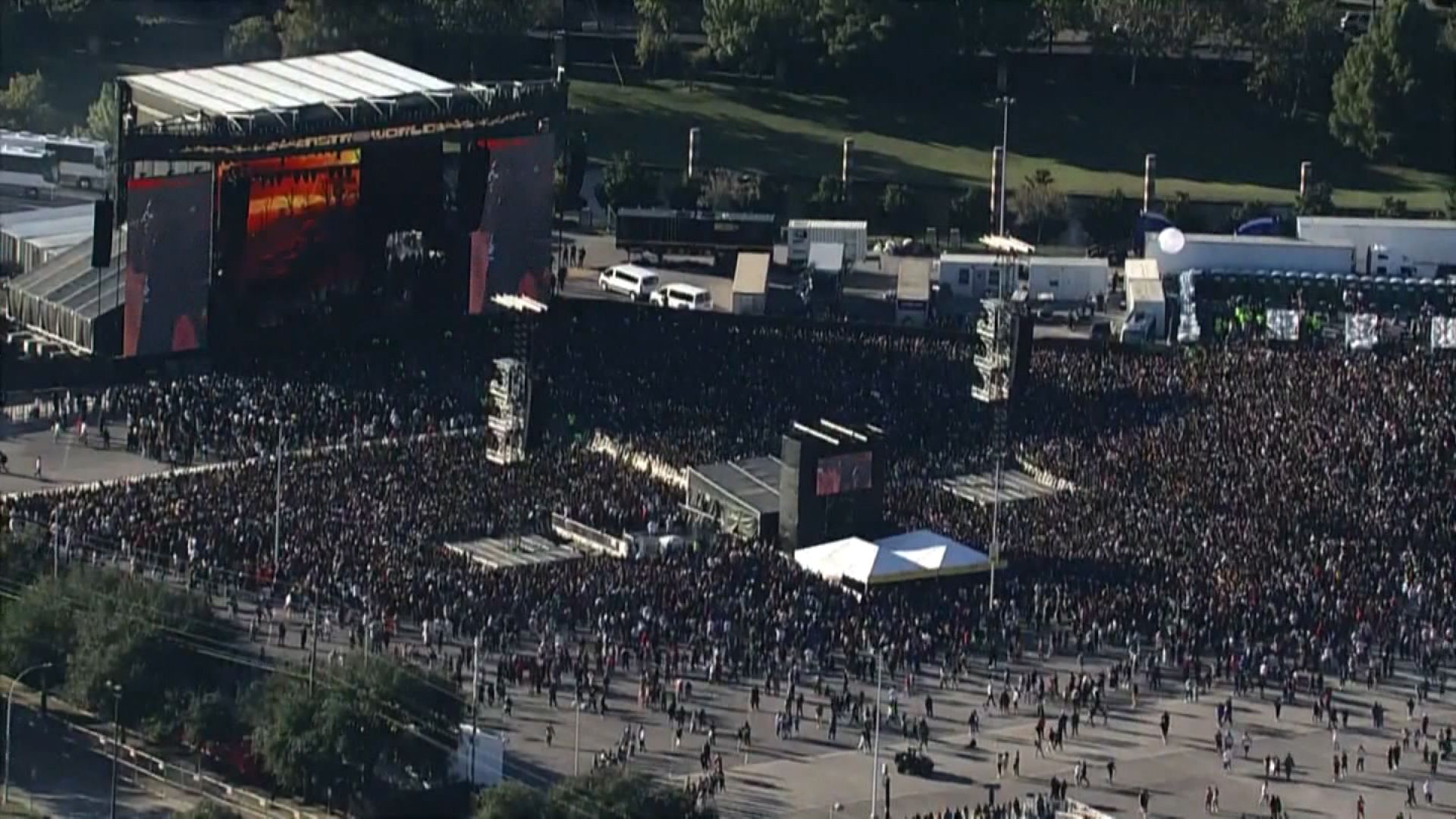
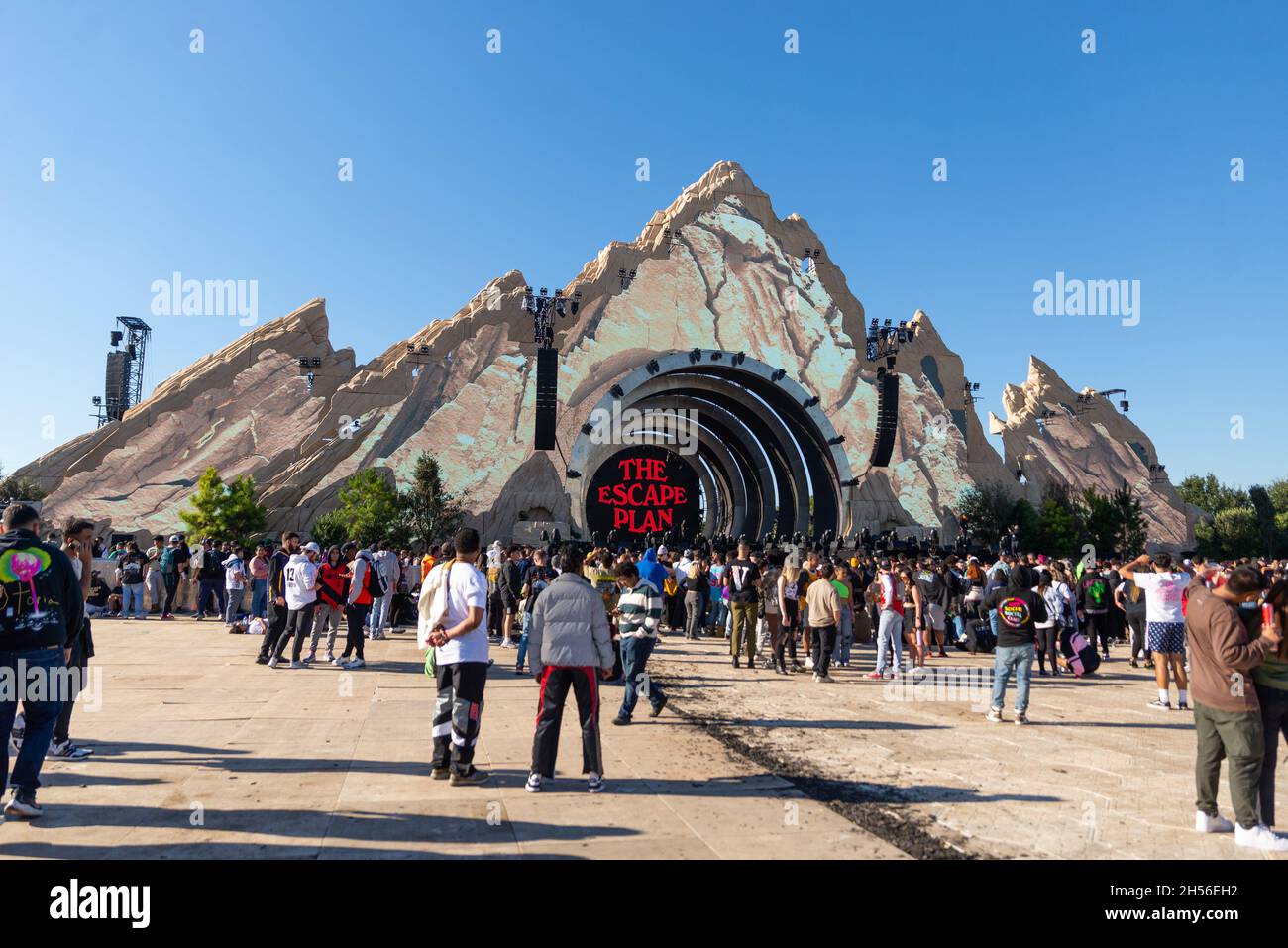
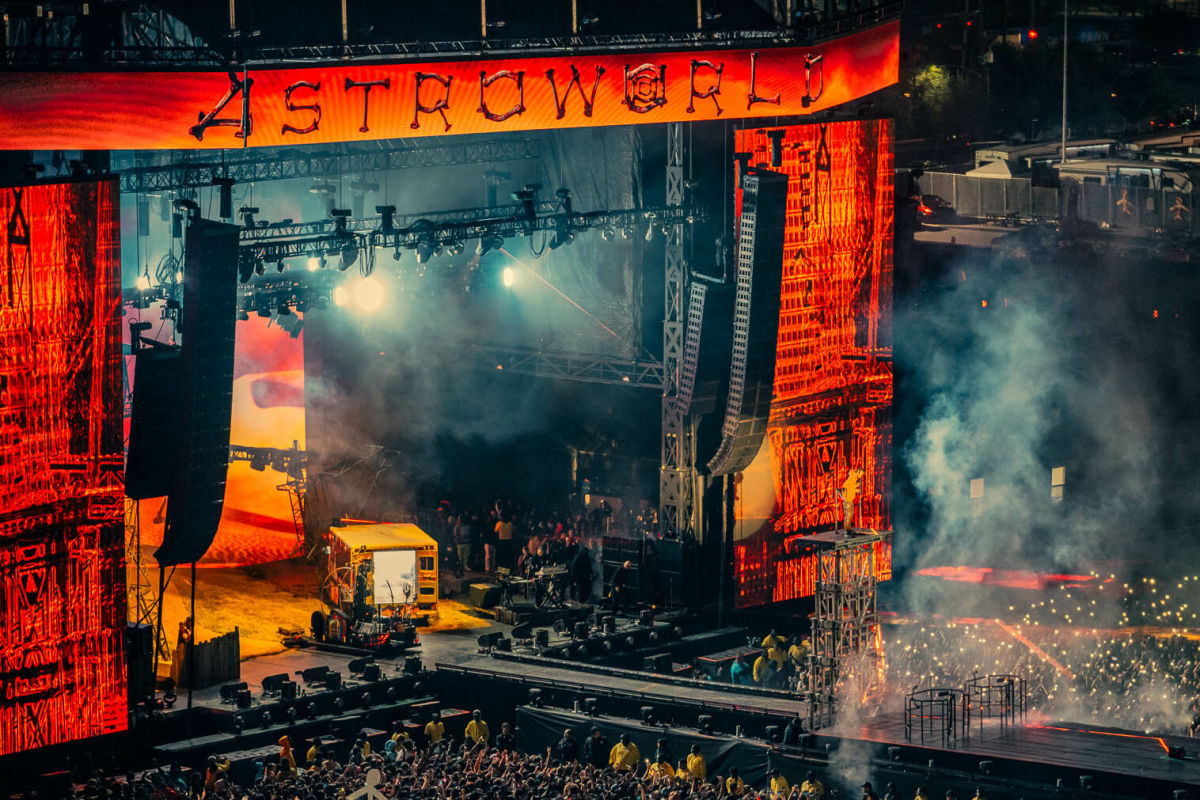
The Astroworld 2021 stage layout featured a sprawling main performance area within NRG Park featuring multiple connected sub-stages, an extensive runway extending deep into the general admission floor, and complex pyrotechnic and visual production setups designed to immerse the sold-out crowd during Travis Scott’s annual festival.
Introduction to the Astroworld 2021 Venue and Stage Architecture
The design, configuration, and structural layout of the Astroworld 2021 stage represent a major focal point in post-incident investigations, live-event production analysis, and crowd management evaluations. Held on November 5, 2021, at NRG Park in Houston, Texas, the festival was structured around high-capacity performance spaces that drew tens of thousands of attendees. Understanding the physical layout of the festival grounds, the positioning of the stage, and the architectural elements of the performance area is essential for analyzing how crowd dynamics unfolded during the event.
Live-music production for major festivals involves intricate coordination between stage designers, rigging engineers, venue operators, and safety personnel. The Astroworld 2021 stage was not a simple elevated platform; it was an expansive, multi-tiered complex designed to match the thematic aesthetic of Travis Scott’s music and visual brand. However, the scale of the physical infrastructure, combined with sightline limitations, barrier placements, and high-density zones, created operational challenges that became central to subsequent evaluations by safety experts, structural engineers, and federal investigators.
Spatial Layout and Stage Configuration at NRG Park
NRG Park provided a massive outdoor footprint for the festival, allowing organizers to construct a massive primary performance environment. The festival grounds utilized a multi-stage layout, but the main stage—frequently referenced simply as the Astroworld main stage—served as the primary focal point for the evening headlining performance.
The stage architecture incorporated several distinct structural zones:
- The Main Performance Platform: Elevated significantly above ground level to maximize visibility from distant points in the venue, this central platform housed primary audio mixing boards, lighting rigs, and digital screen backdrops.
- The Extended Runway: Projecting outward from the center of the main platform into the general admission (GA) floor, the runway allowed performers to move closer to the middle of the audience, altering traditional crowd concentration vectors.
- Sub-Stages and Secondary Performance Pockets: Integrated platforms and secondary design elements flanked the main structure, facilitating rapid transitions between supporting acts and the headlining performance.
- Production Towers: Heavy structural scaffolding towers were erected at the left, right, and rear perimeters to support massive line-array speaker systems, high-definition LED video walls, and specialized lighting fixtures.
The physical orientation of the stage relative to the broader NRG Park complex dictated the flow of pedestrian traffic. Entrances, exits, vendor booths, and auxiliary attractions channeled attendees through specific bottlenecks toward the main festival arena. Because the stage was positioned to face a vast open-air expanse, crowd compression naturally occurred as attendees pushed forward to secure optimal viewing positions near the extended runway and central barricades.
Production Elements: Lighting, Sound, and Visual Effects
Modern hip-hop festivals rely heavily on immersive audio-visual production to elevate the concert experience. The Astroworld 2021 stage featured industry-leading production technology, but the sheer scale of these elements added complexity to the physical environment.
Audio Engineering and Sound Dispersion
To project sound across tens of thousands of screaming fans, engineers deployed massive line-array speaker towers suspended from structural scaffolding on both sides of the stage. The low-frequency subwoofers were stacked along the base of the stage, generating immense acoustic pressure levels that contributed to the visceral energy of the performance. However, these large physical stacks also limited lateral movement and created acoustic shadows where communication from stage personnel to the crowd was muffled or distorted.
Visual Displays and Pyrotechnics
The stage backdrop consisted of high-resolution LED screens displaying looping animations, real-time camera feeds, and stylized graphic elements. Flanking these screens were automated lighting trusses capable of sweeping beams across the venue. Additionally, the production integrated pyrotechnic devices—such as flame throwers, CO2 cannons, and spark-producing theatrical effects—positioned along the lip of the stage and the runway. These effects required strict safety clearances, which further dictated the placement of physical barricades separating the audience from the performance zone.
Crowd Management Infrastructure and Barricade Design
One of the most intensely analyzed aspects of the Astroworld 2021 stage setup was the configuration of the barricades and security lanes separating the audience from the physical performance areas. Effective crowd management architecture typically relies on a combination of steel Mojo barricades, compartmentalized pens, and clear ingress/egress corridors.
| Barricade Component | Physical Purpose | Observed Impact at Astroworld 2021 |
|---|---|---|
| Main Front-of-House Barrier | Prevents the crowd from climbing onto the main performance stage. | Absorbed extreme forward pressure from compressed general admission attendees. |
| Runway Perimeter Barricade | Protects performers and crew along the extended stage walkway. | Created narrow side channels where lateral escape paths were severely restricted. |
| Bouncer/Security Pit Lane | Provides a neutral workspace for security staff and medical extraction teams. | Acted as a vital extraction corridor, though it frequently became overwhelmed during peak surges. |
| Delay Tower Perimeters | Protects structural scaffolding and audio equipment from direct crowd impact. | Reduced available floor space, funneling attendees into tighter bottlenecks. |
The configuration of the general admission floor lacked rigid internal subdividing barriers (often referred to as "snake pits" or localized drop-barricades) that are frequently utilized in modern festival design to break a massive crowd into smaller, manageable compartments. Without these internal divisions, pressure from the rear of the audience transferred directly and continuously toward the front barricades near the stage.
Regulatory, Engineering, and Post-Event Evaluations
Following the tragic events of November 5, 2021, various independent experts, municipal agencies, and investigative bodies scrutinized the design, permitting, and operational execution of the stage and surrounding site layout.
Reports from structural engineers and event safety specialists highlighted several systemic concerns regarding large-scale festival architecture:
- Sightline Economics vs. Safety Corridors: Designers often maximize open sightlines to enhance the fan experience, but this can inadvertently eliminate physical dividers that prevent crowd surfing waves and progressive packing.
- Emergency Access Pathways: The placement of heavy production equipment, camera towers, and media risers occasionally narrowed emergency egress lanes, complicating the transit of medical personnel attempting to reach distressed individuals near the front of the stage.
- Communication Failures: The physical distance between the stage management teams, front-of-house audio controllers, and executive security command posts created delays in recognizing the severity of crowd compression occurring directly in front of the stage structure.
These findings prompted widespread reevaluations across the live-entertainment industry regarding how festival stages are engineered, how floor capacities are calculated, and how real-time monitoring of crowd density near stage barricades is managed.
Comparative Analysis of Festival Stage Layouts
To understand how the Astroworld 2021 stage configuration compared to standard industry practices, it is helpful to examine standard versus high-density festival design principles.
- Traditional Amphitheater Layouts: Fixed seating and tiered terrain naturally limit crowd migration and prevent mass forward rushes, offering a stark contrast to flat-grade open-field festival grounds like NRG Park.
- Compartmentalized GA Festivals: Modern large-scale festivals frequently employ a "zone defense" layout, utilizing multiple sub-barricades across the floor to absorb and distribute forward crowd weight. Astroworld 2021 relied on a more open floor plan, which permitted uninhibited shifting of mass toward the center runway.
- Integrated Medical Lanes: Contemporary event standards mandate dedicated, unobstructed wide-clearance corridors running directly from the stage barricades to perimeter medical tents, ensuring rapid extraction capabilities even during peak performance intervals.
Frequently Asked Questions
Where was the Astroworld 2021 stage located?
The stage was constructed outdoors within the grounds of NRG Park in Houston, Texas, utilizing a massive open-air layout designed to accommodate tens of thousands of general admission festival attendees.
What caused the crowd crush near the Astroworld stage?
Investigations indicated that the crowd surge was driven by a combination of factors, including extreme overall attendance density, the lack of internal compartmentalization barriers on the general admission floor, design bottlenecks near the stage runway, and communication delays among event staff.
Did the stage design include multiple performance areas?
Yes. The main stage featured a primary elevated platform, a long central runway projecting into the audience, and secondary production spaces designed to facilitate dynamic performance movements.
How do festival organizers prevent overcrowding near main stages?
Organizers utilize compartmentalized barricade systems, dynamic capacity caps, wide emergency extraction lanes, real-time video monitoring, and trained security personnel stationed strategically along the front-of-house barrier.
What regulatory changes occurred following the 2021 festival?
The incident led to heightened scrutiny from municipal authorities, updated permitting requirements for temporary event structures in major U.S. cities, and the adoption of stricter crowd-monitoring protocols across the live-entertainment industry.
Conclusion and Operational Takeaways
The physical configuration of the Astroworld 2021 stage remains a benchmark study in the importance of integrating rigorous safety engineering with large-scale festival production. While the architecture successfully delivered an immersive audio-visual spectacle, it also exposed critical vulnerabilities in crowd flow management, barricade engineering, and emergency response infrastructure. Event organizers, safety professionals, and municipal regulators continue to apply the lessons learned from the 2021 incident to ensure that future live-music productions prioritize structural safety and audience protection above all other design considerations.