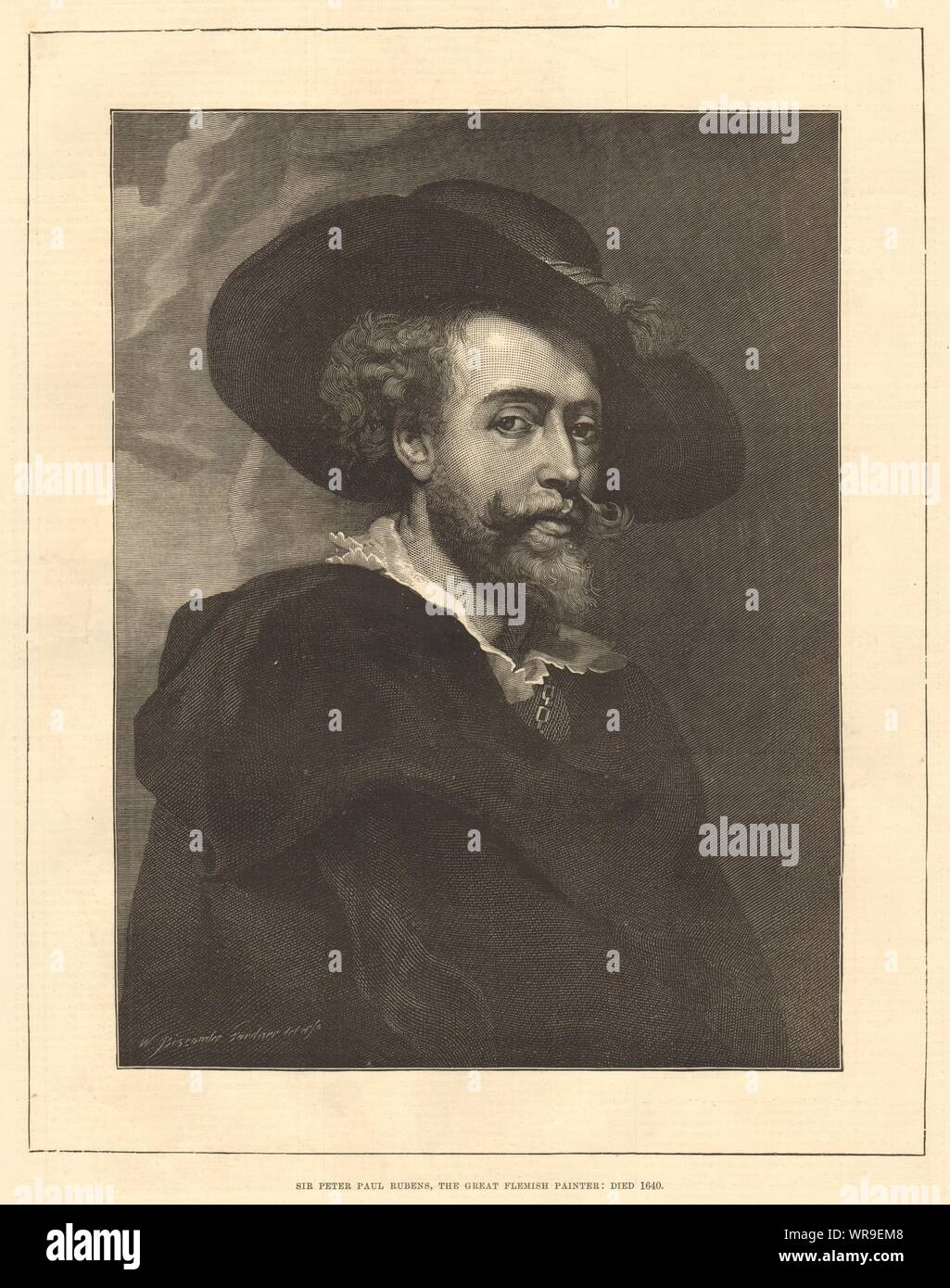
The term artists that have died refers to the vast lineage of creative individuals whose physical lives have ended, but whose influence persists through their works, estates, and the cultural movements they pioneered. Understanding these figures requires examining their historical contributions, the evolution of their market value posthumously, and the legal frameworks that govern their artistic legacies in 2026.
Artistic legacy is a complex intersection of history, sociology, and economics. When a significant artist passes away, their body of work transitions from a living, evolving practice to a finite catalog. This transition often triggers a re-evaluation by critics, a surge in market demand, and the complex logistical task of managing an artist’s estate or foundation. As of 2026, the art world continues to grapple with how to preserve the intentions of deceased creators while ensuring their work remains accessible to new generations.
The Enduring Influence of Historical Masters
The study of artists who have died begins with the "Old Masters" and the foundational figures of modernism. These individuals did not merely create objects; they redefined how humanity perceives reality, light, and emotion. Their deaths marked the end of specific eras, yet their techniques remain the blueprint for contemporary education.
Renaissance and Baroque Foundations
The deaths of figures like Leonardo da Vinci (1519), Michelangelo (1564), and Rembrandt van Rijn (1669) established the concept of the "artist as genius." Before this era, many creators were viewed as anonymous craftsmen. The passing of these masters led to the first major efforts in art conservation and the formalization of art history as a discipline.
In the centuries following their deaths, the scarcity of their works has driven them into the permanent collections of global institutions like the Louvre and the Uffizi. In 2026, the value of these artists is no longer measured solely in currency but in cultural capital; they are the benchmarks against which all subsequent "dead artists" are measured.
The Modernist Shift
The late 19th and early 20th centuries saw the deaths of revolutionaries like Vincent van Gogh (1890), Claude Monet (1926), and Pablo Picasso (1973). These artists transitioned the world from representational art to abstraction and impressionism.
Van Gogh, perhaps the most famous example of a "starving artist" whose fame exploded after death, serves as a case study for the "posthumous appreciation" phenomenon. At the time of his death, his work was commercially ignored; by 2026, his paintings are among the most expensive and recognizable human artifacts in existence. This shift highlights a critical aspect of the "dead artist" narrative: the decoupling of an artist’s living reputation from their historical legacy.
Major Artists Lost in the Early 2020s
To understand the current landscape of art history, we must look at the significant figures who passed away in the early-to-mid 2020s. These individuals shaped the contemporary aesthetic and their absence is still deeply felt in the galleries and biennials of 2026.
Richard Serra (1938–2024)
The passing of Richard Serra in 2024 marked the end of an era for monumental sculpture. Known for his massive, site-specific installations of COR-TEN steel, Serra’s work challenged the viewer’s perception of space and gravity. Following his death, the focus has shifted to the long-term maintenance of his massive public works. Because his sculptures are often exposed to the elements, his estate must work closely with engineers and conservators to ensure the structural integrity of pieces like "The Matter of Time" at the Guggenheim Bilbao.
Frank Stella (1936–2024)
Frank Stella was a titan of minimalism and post-painterly abstraction. His death in 2024 forced a retrospective look at his evolution from the rigid "Black Paintings" of the 1950s to his later, chaotic 3D reliefs. As of 2026, Stella’s market has seen a stabilization as collectors seek out his mid-career works, which are now viewed as the bridge between traditional canvas painting and sculptural experimentation.
Fernando Botero (1932–2023)
The Colombian master Fernando Botero died in 2023, leaving behind a signature style known as "Boterismo." His depictions of people and figures in large, exaggerated volume made him one of the most recognizable living artists in the world. Since his death, his hometown of Medellín and the global art community have worked to centralize his archives, ensuring that his political commentaries—often hidden behind the "voluptuous" aesthetic—are not lost to time.
The Economics of Posthumous Art
One of the most pragmatic reasons people research artists who have died is to understand the "death effect" on art pricing. It is a common trope that an artist's work becomes more valuable once they can no longer produce new pieces. However, the reality in 2026 is more nuanced.
Supply and Scarcity
When an artist dies, the supply of their work becomes fixed. For high-demand artists, this scarcity almost always leads to an initial price spike. Collectors and investors rush to secure "blue-chip" pieces, fearing that the best works will soon be locked away in museum permanent collections.
However, if an artist’s estate is poorly managed and "floods" the market with a large volume of sketches, prints, or unfinished works, the value can actually decrease. Effective estate management involves "metering" the release of works to maintain market stability and historical relevance.
Posthumous Authentication and Forgery
The death of an artist often opens the door for forgeries. Without the living artist to verify a work’s authenticity, the responsibility falls on foundations and experts. In 2026, the use of AI-driven provenance analysis and high-resolution multispectral imaging has become standard for verifying the works of deceased artists. This technological shift helps protect the legacy of the artist and the investment of the collector.
Managing the Estates of Deceased Artists
The transition from "artist" to "estate" is a complex legal and administrative process. For an artist’s work to survive the centuries, a structured plan is required. Most major artists who have died in the 21st century established foundations or trusts long before their passing.
The Role of Foundations
Foundations, such as the Andy Warhol Foundation for the Visual Arts or the Joan Mitchell Foundation, serve several critical functions:
- Authentication: Providing definitive word on whether a piece is genuine.
- Cataloging: Creating a catalogue raisonné, which is a comprehensive, annotated listing of all the known works by an artist.
- Grantmaking: Using the proceeds from art sales to support living artists, thereby extending the deceased artist's influence into the future.
- Exhibition Loans: Facilitating the movement of works to museums worldwide to maintain public interest.
Intellectual Property and "Droit de Suite"
In many jurisdictions, the "Artist’s Resale Right" (or droit de suite) allows the heirs of a deceased artist to receive a percentage of the sale price when a work is resold on the secondary market. This ensures that the artist’s family benefits from the increasing value of the work after the creator’s death. In 2026, international treaties continue to standardize these rights, though they vary significantly between the United States, the UK, and the EU.
Comparative Overview of Iconic Deceased Artists
The following table compares several influential artists who have died, highlighting their primary movement, year of passing, and the current status of their cultural legacy as of 2026.
| Artist | Movement | Year of Death | Primary Legacy Impact | Estate/Foundation Status |
|---|---|---|---|---|
| Jean-Michel Basquiat | Neo-Expressionism | 1988 | Revolutionized street art's entry into fine art galleries. | Managed by the Estate of Jean-Michel Basquiat; high market volatility. |
| Frida Kahlo | Surrealism / Folk | 1954 | Icon of identity, feminism, and Mexican heritage. | Managed by the Trust for the Diego Rivera and Frida Kahlo Museums. |
| Georgia O'Keeffe | American Modernism | 1986 | Pioneered large-scale flower and landscape abstraction. | Supported by the Georgia O'Keeffe Museum in Santa Fe. |
| Mark Rothko | Abstract Expressionism | 1970 | Redefined color-field painting and spiritual resonance in art. | Subject of significant legal precedent regarding estate mismanagement (Rothko Case). |
| Yayoi Kusama | Contemporary / Pop | Active in 2024* | Expected to have one of the most complex estate transitions in history. | Foundation already established to manage global "Infinity Room" installations. |
*Note: As of the writing in 2026, Kusama's status remains a point of high interest due to her age and prolific output.
The Role of Museums in Posthumous Recognition
Museums are the final arbiters of an artist's place in history. A "posthumous retrospective" is often the defining moment that cements an artist's status. Institutions like the Museum of Modern Art (MoMA) in New York or the Tate Modern in London provide the scholarly rigor necessary to move an artist from "popular" to "historically significant."
When an artist dies, museums often curate exhibitions that look at their entire trajectory. These shows allow the public to see the evolution of thought, the recurring themes, and the technical growth that might have been obscured while the artist was still producing new, perhaps distracting, work.
Frequently Asked Questions
What happens to an artist's unfinished work after they die?
Unfinished works are typically cataloged as part of the estate. Depending on the artist's prior instructions, these may be kept for scholarly research, destroyed to protect the artist's reputation, or occasionally sold as "process pieces." Legally, nobody can finish an artist’s work and claim it is an original by that artist unless specific, documented permission was granted for a studio-assisted completion.
Why do some artists become famous only after they have died?
This is often due to a "lag" between innovation and public taste. Artists who are "ahead of their time" challenge current aesthetic standards, which can lead to poor sales during their lifetime. Once the cultural zeitgeist catches up—often decades later—their work is finally recognized for its visionary qualities. Additionally, the finality of death creates a clear narrative for historians to analyze.
How can I verify if an artist has passed away recently?
For contemporary figures, the most reliable sources are major obituary sections of reputable publications like The New York Times, The Guardian, or specialized art news outlets like ARTnews and The Art Newspaper. In 2026, most established artists also have official websites or social media channels managed by their galleries or foundations that will post formal announcements.
Can a deceased artist still "release" new work?
Technically, no "new" work can be created. However, "newly discovered" works—pieces that were in private collections or hidden in the artist's studio—frequently come to light. Furthermore, in the case of digital or conceptual art, an artist may leave behind "instructions" or "algorithms" that allow for new physical manifestations of their ideas posthumously.
How are copyrights handled for artists that have died?
In most regions, including the US and EU, copyright lasts for the life of the creator plus 70 years. During this time, the artist’s heirs or estate control the rights to reproduce the image. After this period, the work enters the public domain, meaning anyone can use the images without paying royalties, though the physical original still belongs to its owner.
Moving Forward: How to Research and Honor Deceased Artists
For those looking to deepen their understanding of artists who have died, the best next step is to visit a major municipal museum or a dedicated artist foundation. If you are a collector or a student, focus on the catalogue raisonné of the artist in question; this is the gold standard for verified information.
By engaging with the historical context, the technical innovations, and the enduring themes of these creators, we ensure that their "afterlife" in the cultural consciousness remains vibrant. Whether through attending a retrospective or supporting the foundations that protect their work, acknowledging the mortality of the artist allows us to more fully appreciate the immortality of their art.