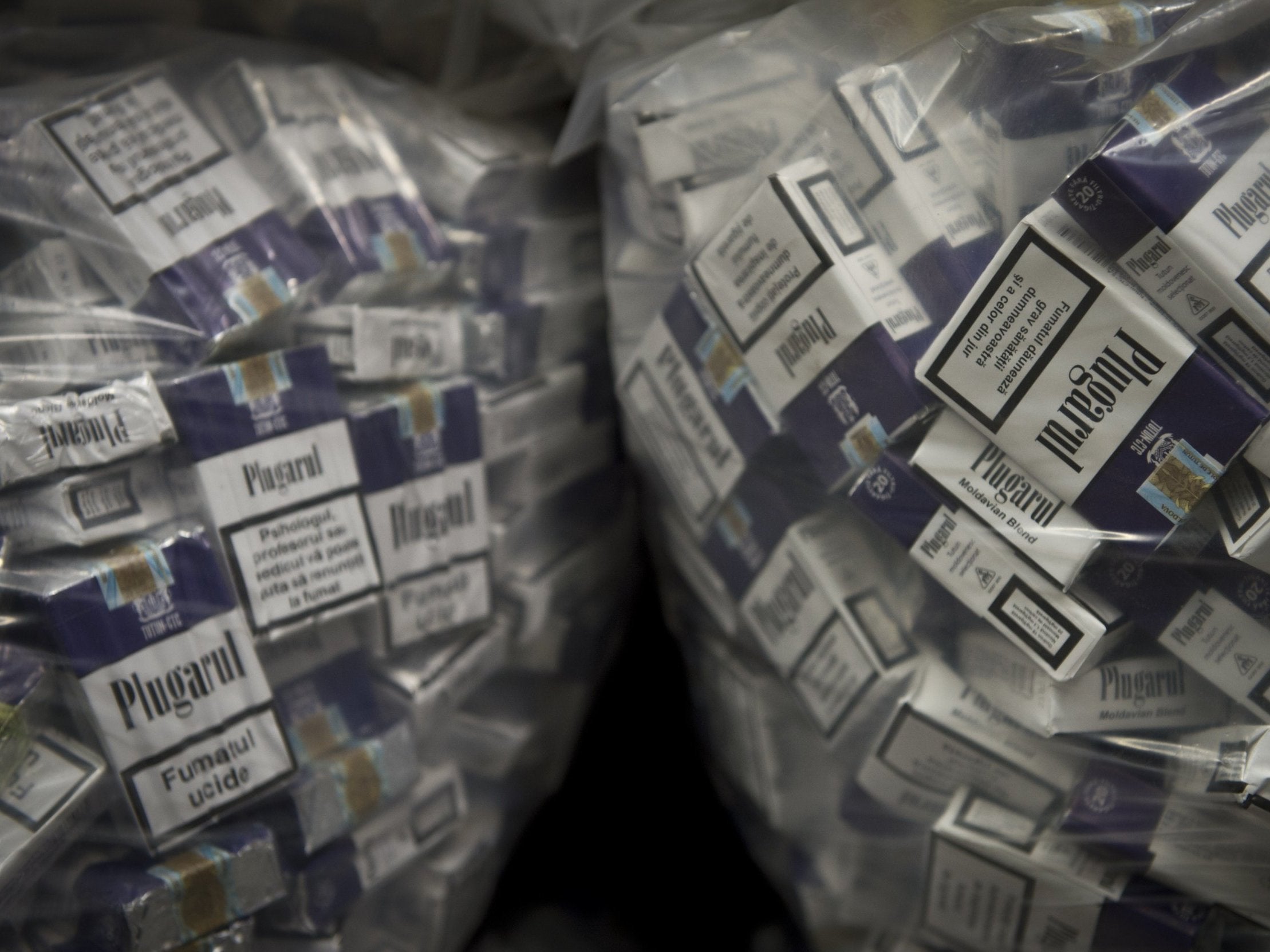
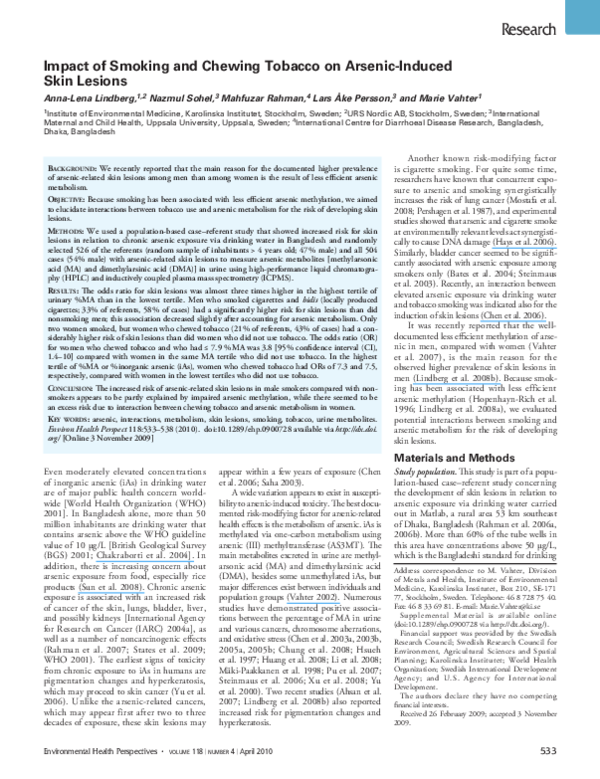
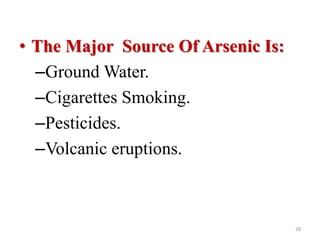
Arsenic in tobacco originates naturally from soil and phosphate fertilizers used in cultivation, as well as environmental contamination. When tobacco is burned, this toxic heavy metal transfers into mainstream and secondhand smoke, presenting significant health risks to consumers and those around them without safe threshold levels.
Introduction to Arsenic in Tobacco Production
The presence of heavy metals in commercial tobacco products remains a critical public health concern. Among the various toxic elements identified in the tobacco leaf, arsenic stands out due to its well-documented carcinogenic properties and systemic toxicity. Understanding how arsenic enters the tobacco supply chain, how it behaves during combustion, and what regulatory frameworks govern its presence requires a multidisciplinary examination of agriculture, chemistry, and toxicology.
Arsenic is a naturally occurring metalloid widely distributed in the Earth’s crust. While it exists in both organic and inorganic forms, inorganic arsenic—the type predominantly found in tobacco products—is recognized as a potent human poison and group 1 carcinogen by the International Agency for Research on Cancer (IARC), an arm of the World Health Organization (WHO). When individuals consume tobacco products through smoking, dipping, or chewing, they expose their bodies to a cocktail of harmful chemicals, with arsenic playing a notable role in cumulative biological damage.
Addressing this topic requires looking beyond the finished cigarette or smokeless tobacco pouch. It demands an investigation into agricultural inputs, soil chemistry, plant uptake mechanisms, manufacturing processes, and the biochemical pathways through which smoke-borne toxins affect human organs. This comprehensive review synthesizes current scientific understanding regarding arsenic in tobacco, detailing its origins, health implications, and the regulatory challenges associated with monitoring and reducing its presence.
Origins and Pathways: How Arsenic Enters the Tobacco Plant
To understand why arsenic is present in tobacco products, one must first examine how the Nicotiana tabacum plant interacts with its environment. Tobacco plants are dynamic biological systems capable of absorbing various elements from the soil in which they grow. Consequently, the chemical composition of tobacco leaves largely reflects the soil chemistry, water quality, and agricultural practices of the region where the crop is cultivated.
Soil Chemistry and Natural Geochemical Background
Arsenic occurs naturally in soils worldwide, with baseline concentrations varying significantly by geographical region and underlying geology. In areas with volcanic activity, sulfide mineral deposits, or specific weathering patterns, baseline soil arsenic levels can be elevated. Tobacco roots absorb arsenic from the soil solution, primarily in the form of arsenate or arsenite. Once inside the root system, a portion of this arsenic is transported upward through the xylem to the stems and leaves, where it accumulates as the plant matures.
Agricultural Inputs and Anthropogenic Contamination
Beyond natural geochemical backgrounds, human agricultural practices historically and currently contribute to the arsenic burden in tobacco fields.
- Phosphate Fertilizers: The extensive use of phosphate-based fertilizers is one of the primary anthropogenic sources of arsenic in agricultural soils. Commercial phosphate fertilizers are manufactured from phosphate rock, which frequently contains trace quantities of heavy metals, including arsenic, cadmium, and lead. Over decades of intensive cultivation, repeated applications of these fertilizers lead to a cumulative buildup of arsenic in agricultural topsoils.
- Historical Pesticide Usage: In the 20th century, arsenical pesticides—such as lead arsenate and calcium arsenate—were widely applied to control insect pests in various agricultural sectors, including tobacco farming. Although most of these compounds have been banned or heavily restricted for decades due to their persistence and toxicity, residual arsenic from historical applications can still linger in agricultural soils, continuing to be taken up by modern crops.
- Irrigation Water: In certain geographic regions, groundwater used for irrigation contains elevated levels of dissolved arsenic due to deep geological formations. Continuous irrigation with arsenic-contaminated water deposits the metalloid directly into the root zone of the tobacco plants, accelerating its accumulation in the leaves.
Transfer Dynamics: From Leaf to Smoke and Smokeless Products
The concentration of arsenic found in a raw tobacco leaf does not directly equal the dose received by a consumer. The physical and chemical transformation that occurs during the processing and consumption of tobacco significantly alters how arsenic is delivered to the human body.
Combustion and Mainstream Smoke Generation
When a cigarette or cigar is burned, the high temperatures at the burning tip (often exceeding 800°C) cause thermal degradation, volatilization, and pyrosynthesis of the chemical constituents within the tobacco.
- Volatilization: Arsenic and its compounds have relatively low boiling points compared to bulk organic matter. Under intense heat, solid arsenic compounds in the tobacco leaf are converted into vapor-phase species or condensed onto ultrafine particulate matter.
- Aerosol Formation: As the smoke cools down upon inhalation, these vaporized arsenic species condense onto tar droplets and airborne particles. Consequently, arsenic is delivered deep into the respiratory tract via mainstream smoke, where fine particulate matter can bypass upper airway defenses and reach the terminal bronchioles and alveoli.
Smokeless Tobacco Products
For non-combustible products such as snus, moist snuff, dry snuff, and chewing tobacco, the transfer mechanism differs. Because these products are not burned, the consumer absorbs arsenic through direct contact with the mucosal membranes in the mouth or through ingestion of saliva containing dissolved chemical constituents. While smokeless tobacco avoids the generation of combustion-derived tars and carbon monoxide, the direct chemical burden—including heavy metals like arsenic, cadmium, and nickel—remains a significant toxicological concern.
Comparative Overview of Heavy Metals in Tobacco Products
Arsenic is rarely found in isolation within tobacco products. It exists alongside a multitude of other toxic heavy metals and organic carcinogens. The following table outlines arsenic and other primary heavy metals commonly found in tobacco, detailing their primary sources and principal physiological impacts.
| Metal | Primary Source in Tobacco | Main Physiological Impact | Target Organs / Systems |
|---|---|---|---|
| Arsenic | Phosphate fertilizers, soil uptake, historical pesticides | Carcinogenesis, cellular toxicity, oxidative stress | Lungs, cardiovascular system, skin, bladder |
| Cadmium | Soil uptake, phosphate fertilizers, atmospheric deposition | Renal dysfunction, bone demineralization, carcinogenesis | Kidneys, respiratory system, skeletal system |
| Lead | Soil contamination, historical agricultural sprays, environmental fallout | Neurological impairment, hypertension, developmental toxicity | Nervous system, cardiovascular system, kidneys |
| Nickel | Soil, manufacturing machinery, industrial pollution | Respiratory irritation, sensitization, carcinogenesis | Respiratory tract, immune system |
Toxicological and Health Implications of Arsenic Exposure
The human health hazards associated with chronic arsenic exposure are extensively documented by toxicological research and epidemiological studies. Ingesting or inhaling inorganic arsenic over extended periods interferes with essential cellular processes, primarily by binding to sulfhydryl groups in proteins and disrupting enzymatic functions.
Carcinogenic Mechanisms
Inorganic arsenic is classified as a human carcinogen based on sufficient evidence of carcinogenicity in humans. Chronic exposure to arsenic via tobacco smoke increases the risk of developing several types of cancer:
- Lung Cancer: Inhaled arsenic directly bombards the respiratory epithelium, causing DNA damage, chromosomal aberrations, and interference with DNA repair mechanisms. Combined with the numerous organic carcinogens present in tobacco smoke (such as polycyclic aromatic hydrocarbons and nitrosamines), arsenic acts as both an initiator and promoter of tumorigenesis.
- Bladder and Skin Cancers: Absorbed arsenic circulating through the bloodstream is eventually filtered by the kidneys and excreted in the urine, exposing the urothelial lining of the bladder to toxic metabolites. Furthermore, systemic absorption contributes to skin lesions and hyperkeratosis, which can progress to squamous cell carcinomas.
Cardiovascular and Systemic Effects
Beyond cancer, chronic arsenic exposure is strongly linked to non-malignant diseases. Epidemiological data indicates that smokers exposed to elevated levels of heavy metals experience accelerated vascular disease. Arsenic induces endothelial dysfunction, promotes oxidative stress, increases systemic inflammation, and accelerates atherosclerosis. This contributes to a heightened risk of ischemic heart disease, stroke, and peripheral vascular disease among tobacco users.
Regulatory Frameworks and Industry Standards
Despite the clear toxicity of arsenic and other heavy metals in tobacco, regulatory oversight differs significantly from that applied to food, water, and pharmaceuticals. Historically, tobacco products operated in a regulatory vacuum regarding specific contaminant limits, though the landscape has evolved in recent decades.
International and National Regulatory Actions
- World Health Organization (WHO): Through the Framework Convention on Tobacco Control (FCTC), the WHO advocates for comprehensive product regulation, including the public disclosure of toxic constituents in tobacco products and the establishment of testing standards.
- United States Food and Drug Administration (FDA): Under the Family Smoking Prevention and Tobacco Control Act, the FDA possesses the authority to regulate the manufacture, distribution, and marketing of tobacco products. The agency conducts research on harmful and potentially harmful constituents (HPHCs) in tobacco smoke and smokeless products, establishing reporting requirements for manufacturers.
- European Union (EU): The EU Tobacco Products Directive (TPD) sets stringent rules on the manufacture, presentation, and sale of tobacco products, requiring extensive health warnings and prohibiting certain additives, though establishing absolute maximum residue limits for heavy metals like arsenic in consumer tobacco remains a complex regulatory challenge due to natural agricultural variability.
Challenges in Setting Thresholds
Establishing strict regulatory limits for arsenic in raw agricultural tobacco is complicated by several agronomic factors:
- Natural Soil Variability: Because arsenic is naturally present in soils worldwide, eliminating it entirely from agricultural production is virtually impossible.
- Fertilizer Dependence: Commercial agriculture relies heavily on phosphate fertilizers to maintain crop yields. Finding economically viable phosphate sources with zero trace heavy metals remains an ongoing industrial hurdle.
- Product Blending: Commercial cigarettes are typically manufactured by blending tobacco leaves sourced from multiple geographic regions with varying soil chemistries, making batch-to-batch standardization difficult.
Analytical Methods for Detecting Arsenic in Tobacco
To monitor levels of toxic metals, analytical chemists rely on advanced instrumentation capable of detecting trace elements at parts-per-billion (ppb) or parts-per-trillion (ppt) levels. Accurate quantification is essential for research, quality control, and regulatory compliance.
Sample Preparation and Digestion
Before measurement, solid tobacco samples or generated smoke condensates must undergo rigorous preparation.
- Acid Digestion: Raw tobacco leaf samples are typically subjected to microwave-assisted acid digestion using concentrated nitric acid ($\text{HNO}_3$) and hydrogen peroxide ($\text{H}_2\text{O}_2$). This process breaks down the complex organic matrix, converting solid plant material into a clear liquid solution where elemental arsenic is fully solubilized.
- Smoke Trapping: To analyze mainstream smoke, smoking machines simulate human puffing regimes (such as the standard ISO or intense Health Canada regiminal parameters). The smoke is drawn through glass fiber filters and chemical traps to capture particulate and vapor-phase arsenic.
Instrumental Techniques
Once prepared, solutions are analyzed using state-of-the-art atomic spectroscopy instruments:
- Inductively Coupled Plasma Mass Spectrometry (ICP-MS): ICP-MS is the gold standard for heavy metal analysis in tobacco testing laboratories. It ionizes the sample using an argon plasma torch and separates ions based on their mass-to-charge ratio. ICP-MS offers exceptional sensitivity and multi-element detection capabilities, allowing scientists to measure trace arsenic alongside cadmium, lead, and mercury simultaneously.
- Atomic Absorption Spectrometry (AAS): Particularly hydride generation AAS (HG-AAS), this method is occasionally utilized for specialized arsenic speciation studies, distinguishing between different oxidation states of the metalloid.
Risk Mitigation, Cessation, and Public Health Guidance
Given that no safe level of tobacco consumption exists and that arsenic is just one of many toxic constituents present in smoke, public health organizations emphasize that risk mitigation through product modification is secondary to primary prevention.
The Role of Tobacco Cessation
Because technological modifications cannot remove the intrinsic hazards of tobacco combustion (such as carbon monoxide, tar, and volatile organic compounds), complete cessation remains the only effective method to eliminate exposure to tobacco-derived arsenic. Evidence-based cessation strategies include:
- Behavioral Counseling: Individual or group support programs designed to help users manage psychological triggers and nicotine dependence.
- Pharmacotherapy: Nicotine replacement therapy (NRT) products—such as patches, gums, and lozenges—alongside prescription medications (like varenicline or bupropion) that assist in managing withdrawal symptoms without exposing the user to combustion products or heavy metals.
Medical and Professional Oversight
Individuals concerned about chronic heavy metal exposure or those experiencing symptoms associated with tobacco use should consult qualified healthcare professionals. Medical evaluations can assess overall cardiovascular and respiratory health, provide tailored cessation plans, and offer guidance on mitigating long-term health risks associated with tobacco consumption.
Frequently Asked Questions
How does arsenic get into tobacco leaves?
Arsenic enters tobacco leaves primarily through natural uptake from the soil via the plant's root system. Additional contributions come from anthropogenic sources, including historical arsenical pesticide residues and the cumulative application of phosphate-based fertilizers containing trace heavy metal impurities.
Is arsenic in tobacco smoke more dangerous than arsenic in food or water?
Inhaled arsenic poses unique toxicological risks compared to ingested arsenic because it bypasses first-pass hepatic metabolism and enters the bloodstream directly via the respiratory membrane. Furthermore, inhalation delivers arsenic directly to lung tissue, significantly increasing the risk of localized carcinogenesis.
Can manufacturing processes remove arsenic from tobacco?
Standard curing, aging, and manufacturing processes do not effectively remove arsenic bound within the cellular matrix of the tobacco leaf. While some surface dust may be washed away during initial processing, the systemic arsenic absorbed by the plant remains present in the finished product.
Do electronic cigarettes or alternative nicotine products contain arsenic?
Electronic nicotine delivery systems (ENDS) generally contain lower levels of heavy metals like arsenic compared to combustible cigarettes, as they do not burn organic plant matter. However, studies have detected trace metals in e-liquids and aerosols, often originating from heating coil degradation and manufacturing hardware.
Are there legal limits for arsenic content in commercial tobacco?
Unlike food and drinking water, which have strict, legally enforceable maximum contaminant levels set by public health agencies like the EPA or FDA, regulatory frameworks for heavy metals in commercial tobacco focus primarily on mandatory reporting, research, and public disclosure rather than strict agricultural residue caps.
Conclusion and Next Actions
Arsenic in tobacco represents a significant, persistent public health hazard stemming from a combination of geochemical soil uptake, agricultural fertilizer use, and environmental accumulation. When consumed, this toxic metalloid transfers efficiently into smoke and smokeless products, contributing to the carcinogenic, cardiovascular, and systemic disease burden experienced by tobacco users. Understanding the complex pathways of arsenic transfer underscores the fundamental toxicity of tobacco products. For consumers seeking to eliminate their exposure to arsenic and other harmful constituents, utilizing evidence-based cessation programs and consulting healthcare professionals for support remains the most effective course of action.