Arkansas workers' compensation statutes provide a no-fault system designed to provide medical care and wage replacement for employees injured on the job. Under Arkansas Code Title 11, Chapter 9, most employers with three or more employees must carry insurance. These laws balance providing certain benefits to workers while limiting the legal liability of employers.
Navigating the Arkansas workers' compensation system requires a deep understanding of the Arkansas Workers’ Compensation Law, which governs how injuries are reported, how benefits are calculated, and how disputes are adjudicated. As of 2026, the system continues to emphasize "objective medical findings" and strict adherence to reporting timelines to ensure the integrity of claims. This guide details the essential statutory requirements, benefit structures, and procedural mandates for both employees and employers in the Natural State.
The Foundation of Arkansas Workers' Compensation Law
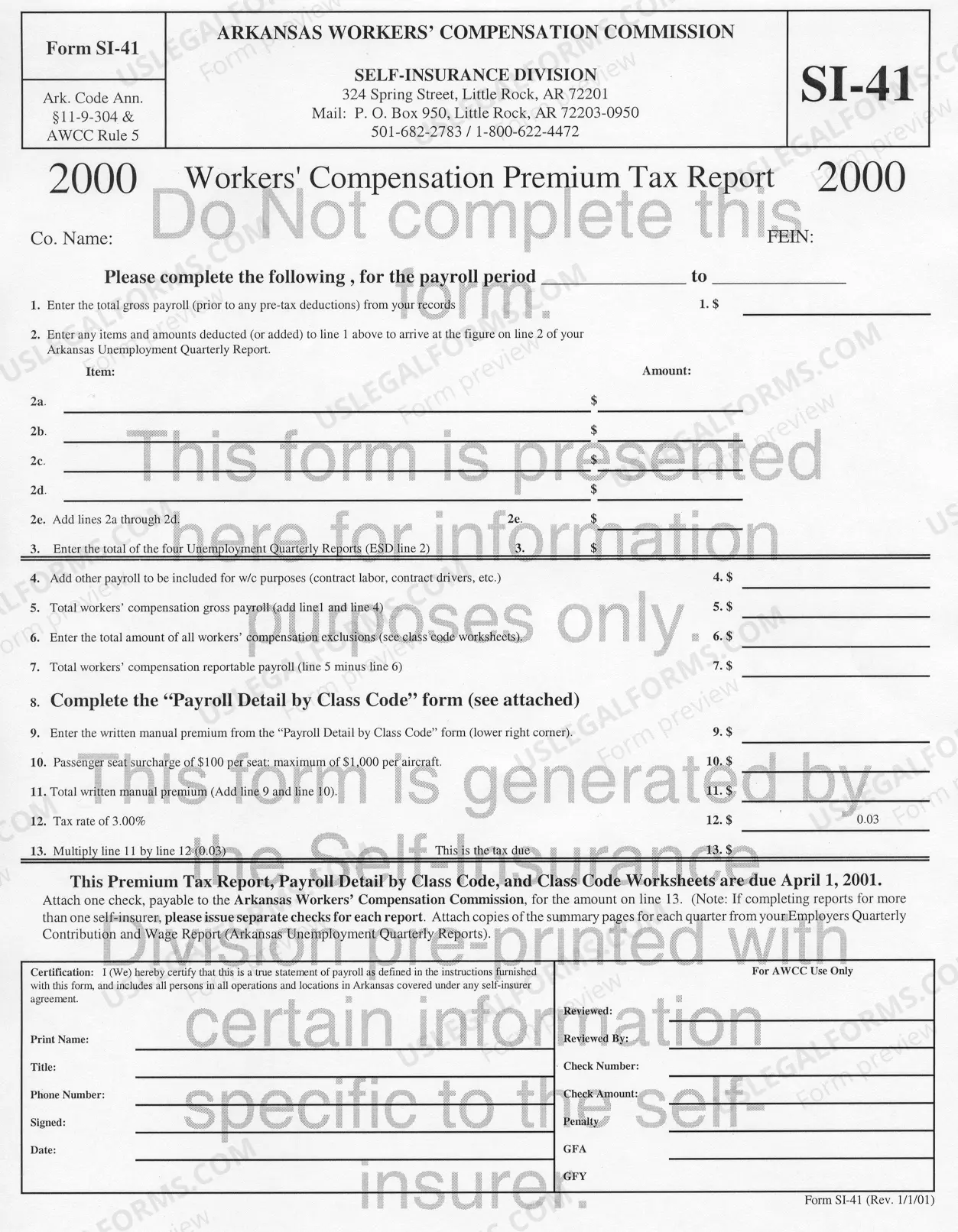
The primary authority for workers' compensation in the state is the Arkansas Workers’ Compensation Commission (AWCC). The statutes are codified in Title 11, Chapter 9 of the Arkansas Code. Unlike personal injury litigation, the workers' compensation system is a "no-fault" mechanism. This means that an injured worker does not need to prove that their employer was negligent to receive benefits. Conversely, the worker is generally barred from suing the employer for negligence in exchange for these guaranteed benefits—a concept known as the "exclusive remedy" doctrine.
However, for a claim to be "compensable" under Arkansas law, several criteria must be met. The injury must arise out of and occur in the course of employment. It must require medical services or result in disability or death. Most importantly, Arkansas is unique in its strict requirement for objective medical findings. A claimant cannot rely solely on subjective complaints of pain; there must be physical evidence, such as an X-ray, MRI, or observable bruising or swelling, to support the diagnosis of an injury.
Employer Coverage Requirements and Exemptions
In Arkansas, the mandate for workers' compensation coverage is based on the size and nature of the business. Understanding who must be covered is the first step in statutory compliance.
The Three-Employee Rule
Under A.C.A. § 11-9-102, any employer who has three or more employees is required to provide workers' compensation insurance. It is important to note that "employees" include full-time, part-time, and seasonal workers. For certain high-risk industries, such as building repair or construction, specific regulations may lower this threshold or require coverage regardless of the number of employees if the business is a corporation or has specific subcontracting arrangements.
Statutory Exemptions
Not every worker in Arkansas is covered by the standard workers' compensation statutes. The law provides specific exemptions for:
- Domestic Service: Individuals employed in private homes.
- Agricultural Labor: Certain farm-related jobs are exempt, although large-scale agricultural operations may still fall under specific regulations.
- Non-Profit Organizations: Certain religious, charitable, or relief organizations may be exempt depending on the nature of the work performed.
- Independent Contractors: True independent contractors are not employees; however, Arkansas law uses a strict "right to control" test to prevent employers from misclassifying workers to avoid paying premiums.
Definition of Compensable Injuries
The Arkansas statute provides a precise definition of what constitutes a compensable injury. This is often the most litigated aspect of the law.
Accidental and Rapid Injuries
A compensable injury is usually caused by a specific incident and is identifiable by time and place of occurrence. For these "specific incident" injuries, the burden of proof is on the employee to show that the incident occurred while they were performing services for the employer.
Gradual Onset and Repetitive Motion
Arkansas law also recognizes injuries that are not caused by a single event but develop over time, such as carpal tunnel syndrome or back injuries resulting from repetitive heavy lifting. For these claims, the statute of limitations and the evidentiary requirements can be more complex. The employee must prove that the work was the major cause (more than 50%) of the disability or need for treatment.
Mental and Emotional Injuries
Under A.C.A. § 11-9-113, mental injuries or illnesses are generally not compensable unless they are caused by a physical injury to the body. An exception exists for certain victims of a crime of violence. Even then, the mental injury must be diagnosed by a licensed psychiatrist or psychologist and must meet the "objective findings" criteria.
Benefit Categories and Calculations
When a claim is accepted, the Arkansas statute dictates the specific benefits the worker is entitled to receive. These are broadly categorized into medical, disability, and death benefits.
Medical Benefits
The employer or their insurance carrier is responsible for all "reasonable and necessary" medical treatment related to the workplace injury. This includes hospital stays, surgery, physical therapy, prescriptions, and medical devices. Under Arkansas law, the employer generally has the right to choose the initial treating physician. If an employee wants to change doctors, they must follow a specific procedure involving the AWCC "Change of Physician" rules. Failure to follow this procedure can result in the employee being personally responsible for the unauthorized medical bills.
Temporary Total Disability (TTD)
If an injured worker is completely unable to work during their healing period, they are entitled to TTD benefits. In 2026, as in previous years, these benefits are calculated at 66 2/3% of the employee’s average weekly wage (AWW), subject to state-mandated maximums and minimums. The AWW is typically determined by averaging the employee's earnings over the 52 weeks preceding the injury.
Permanent Partial Disability (PPD)
Once a worker reaches Maximum Medical Improvement (MMI)—the point at which their condition is not expected to improve significantly with further treatment—a physician may assign a permanent impairment rating. This rating, based on the AMA Guides to the Evaluation of Permanent Impairment, determines the PPD benefits. These are paid according to a "schedule" of injuries (e.g., loss of a finger vs. loss of an arm) or as "unscheduled" benefits for injuries to the head or trunk.
Death and Funeral Benefits
If a work-related injury or illness results in death, the statute provides for funeral expenses (currently capped at $6,000 under many circumstances) and indemnity benefits for legal dependents, such as a surviving spouse and children.
| Benefit Type | Statutory Basis | Calculation/Limit (2026 Context) |
|---|---|---|
| TTD/TPD | A.C.A. § 11-9-519/520 | 66 2/3% of AWW; capped by state max ($846+ indexed). |
| PPD | A.C.A. § 11-9-521/522 | Based on impairment rating and AWW; lower max than TTD. |
| Medical | A.C.A. § 11-9-508 | 100% of reasonable/necessary care; employer chooses doctor. |
| Death | A.C.A. § 11-9-527 | Percentage of AWW for dependents; $6,000 funeral allowance. |
| Vocational Rehab | A.C.A. § 11-9-505 | Mandatory if the worker cannot return to the same job. |
Reporting Requirements and Timelines
Strict adherence to timelines is a cornerstone of Arkansas workers' compensation statutes. Missing a deadline can result in a total loss of benefits.
- Notice to Employer: An injured employee should notify their employer immediately. Under the statute, failure to provide notice can result in a denial of benefits for the period before the notice was given, unless the employer had "actual knowledge" of the injury.
- Form N: Upon being notified of an injury, the employer must provide the employee with Form N (Notice to Employer and Employee). This form outlines the employee's rights and responsibilities.
- The Statute of Limitations: Generally, a claim for compensation must be filed within two years from the date of the injury. However, if the employer has already paid benefits (like medical bills or TTD), a claim for additional benefits must be filed within one year from the date of the last payment of compensation or two years from the date of injury, whichever is later. This is known as the "1-year/2-year rule."
The Claims and Dispute Resolution Process
Not all claims are paid without conflict. When an insurance carrier denies a claim or stops paying benefits, the legal process moves through the AWCC.
Administrative Law Judges (ALJ)
Disputes are initially heard by an Administrative Law Judge. These hearings are formal but do not involve a jury. Both the employee and the employer's insurance company present evidence, including medical records and witness testimony. The ALJ then issues a written opinion based on the preponderance of the evidence.
The Full Commission and Appellate Courts
If either party is dissatisfied with the ALJ's decision, they can appeal to the Full Commission, a three-member panel in Little Rock. From there, further appeals can be taken to the Arkansas Court of Appeals and, in rare circumstances involving constitutional issues or conflicts in law, to the Arkansas Supreme Court.
Retaliatory Discharge and Employee Protections
Arkansas is an "at-will" employment state, meaning an employer can generally fire an employee for any reason or no reason. However, the workers' compensation statute provides a narrow exception. It is illegal for an employer to terminate an employee in retaliation for filing a workers' compensation claim. While the AWCC does not handle wrongful termination lawsuits, an employee may have a cause of action in civil court if they can prove the primary reason for their firing was the exercise of their rights under the workers' compensation act.
Common Defenses Used by Employers
Under the statute, employers have several affirmative defenses that can lead to a denial of a claim even if the injury occurred at work:
- Intoxication: If the injury was "substantially occasioned" by the use of alcohol, illegal drugs, or the prescription drug abuse of the employee, benefits are denied. In Arkansas, a positive drug test following an injury often creates a rebuttable presumption that the injury was caused by the intoxication.
- Intentional Self-Injury: If an employee intentionally hurts themselves, the claim is not compensable.
- Horseplay: Injuries resulting from "horseplay" that is not a regular part of the job are generally excluded.
- Coming and Going Rule: Injuries occurring while commuting to or from work are typically not covered, though exceptions exist for traveling salespeople or those performing errands for the employer.
Mandatory Vocational Rehabilitation
If an injury is so severe that the worker cannot return to their previous position, A.C.A. § 11-9-505 provides for vocational rehabilitation. The goal is to return the worker to gainful employment. If the employer refuses to provide rehabilitation or the worker refuses to participate in a reasonable program, there can be financial consequences for either party regarding the continuation of disability benefits.
Frequently Asked Questions
1. Can I see my own family doctor after a work injury in Arkansas? Under Arkansas statute A.C.A. § 11-9-514, the employer or their insurance carrier has the right to select the initial treating physician. If you see your own doctor without authorization or without following the "Change of Physician" rules via the AWCC, the insurance company is not required to pay those bills. You must typically use the physician listed on the employer's posted notice or the one assigned by the adjuster.
2. What if my employer doesn't have workers' compensation insurance? If an employer is legally required to have insurance (3 or more employees) but fails to do so, they may be subject to significant fines by the AWCC Health and Safety Division. Furthermore, the employee may be allowed to sue the employer in civil court, where the employer is stripped of certain common-law defenses, such as "contributory negligence."
3. Does workers' compensation cover "pain and suffering" in Arkansas? No. The Arkansas workers' compensation system is limited to medical expenses, vocational rehabilitation, and wage replacement (disability benefits). It does not provide compensation for pain and suffering, loss of enjoyment of life, or punitive damages. These are only available in third-party personal injury lawsuits (e.g., if you are injured at work by a defective machine made by a different company).
4. How long does it take to receive the first check? By statute, the first installment of compensation is due on the 15th day after the employer has notice of the injury. However, this only applies if the claim is not controverted (denied). If the claim is denied, you will not receive payments until an Administrative Law Judge orders the carrier to pay, which can take several months.
5. What is the "Major Cause" standard? For gradual onset injuries or cases where a pre-existing condition is involved, Arkansas law requires that the work-related injury be the "major cause" of the disability or need for treatment. "Major cause" is defined as more than 50% of the total cause. If a pre-existing condition is found to be 60% of the cause of your current need for surgery, the claim may be denied.
Practical Recommendations for Next Actions
If you are dealing with a workers' compensation issue in Arkansas, efficiency and documentation are your most valuable tools.
- For Employees: Report the injury in writing immediately, even if it seems minor. Request a copy of Form N and the Form 1 (First Report of Injury) from your employer. Ensure that you clearly state to your doctor that the injury is work-related so it is recorded in your medical files.
- For Employers: Ensure your workers' compensation poster is clearly displayed in a common area. This is a statutory requirement. Immediately file Form 1 with your insurance carrier once an injury is reported to avoid penalties for late reporting.
- For Legal Compliance: Periodically review your employee count. If you fluctuate around the three-employee mark, it is safer to maintain coverage to avoid the severe penalties associated with being an "uninsured employer" under the Arkansas statute.
For further information or to access specific forms, you can visit the Arkansas Workers’ Compensation Commission or consult the Arkansas General Assembly's online portal for the most current text of Title 11.