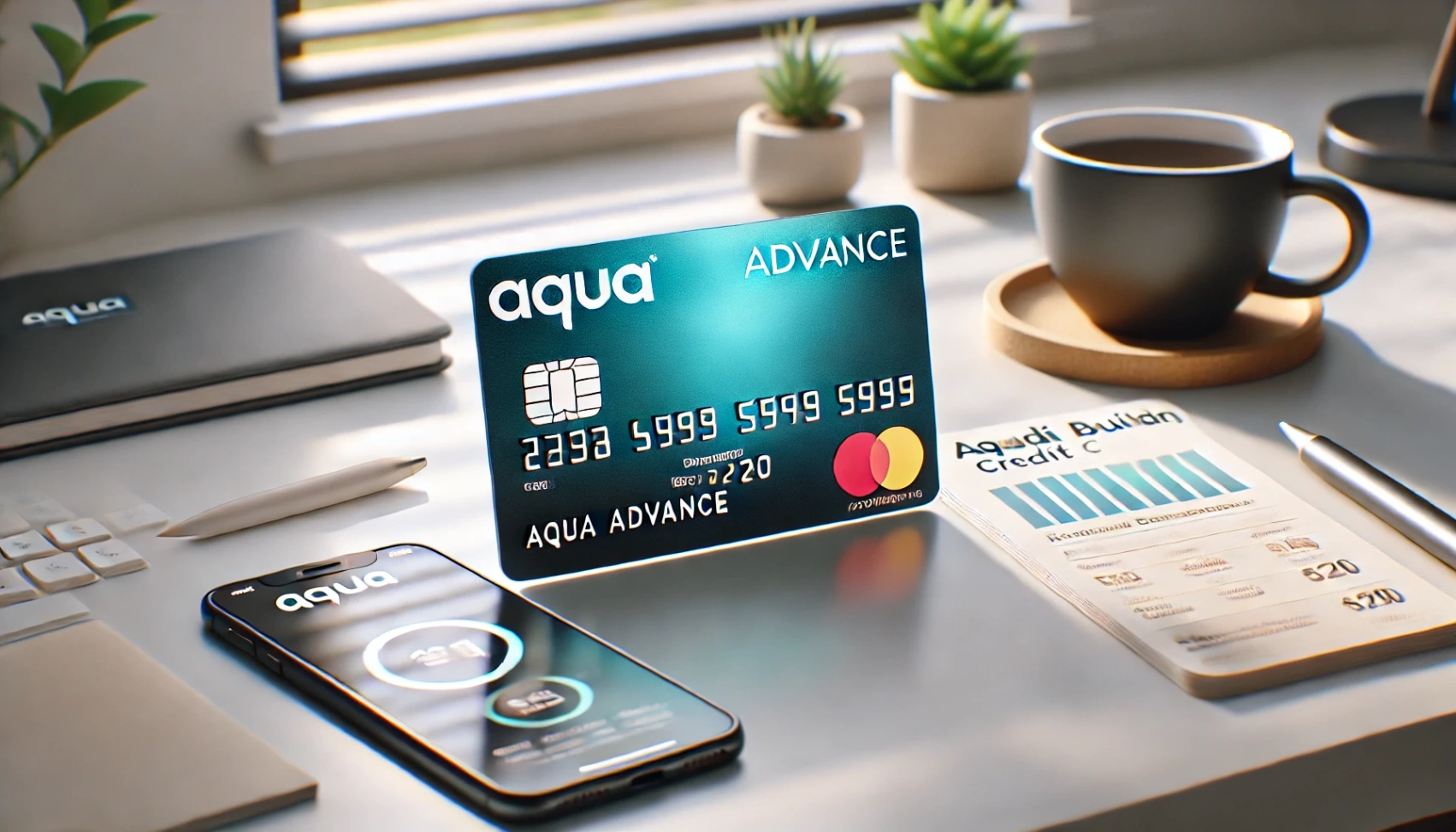
Aqua credit cards are specialized financial products designed for UK residents who have a poor credit history or a "thin" credit file. Issued by NewDay Ltd, these cards serve as a tool to help users rebuild or establish their credit score through responsible use, timely repayments, and consistent account management.
For many individuals, the mainstream banking sector can feel inaccessible. Whether due to past financial mistakes, such as a County Court Judgment (CCJ), or simply a lack of borrowing history, a low credit score often results in immediate rejection from high-street lenders. This is where "credit-builder" cards like Aqua enter the market. In 2026, the landscape of subprime lending remains tightly regulated, and understanding how these specific cards function is essential for anyone looking to improve their financial standing.
What is an Aqua Credit Card?
An Aqua credit card is a revolving credit facility specifically engineered for the "near-prime" or "subprime" market. Unlike standard credit cards that target individuals with "good" to "excellent" credit scores, Aqua focuses on those who are often overlooked. The primary entity behind Aqua is NewDay Ltd, one of the UK’s largest providers of consumer credit, which also manages brands for various high-street retailers.
The fundamental purpose of an Aqua card is not high-value borrowing but credit rehabilitation. When you use the card and pay your balance on time, Aqua reports this positive behavior to the three main UK credit reference agencies: Experian, Equifax, and TransUnion. Over time, this consistent data trail demonstrates to future lenders that you are a reliable borrower.
The Role of NewDay Ltd
Understanding the issuer is vital for consumer confidence. NewDay is authorized and regulated by the Financial Conduct Authority (FCA). This means that Aqua cardholders are protected by the same consumer rights and regulations as those holding cards from major banks like Barclays or HSBC. This includes protection under Section 75 of the Consumer Credit Act 1974, which covers purchases between £100 and £30,000 if the goods are faulty or the service provider goes bust.
Eligibility and the Application Process
One of the most significant barriers to credit is the fear of rejection. Every time you apply for credit and are declined, a "hard search" is recorded on your file, which can temporarily lower your score. Aqua addresses this through their eligibility checker.
The Soft Search Advantage
Before making a formal application, Aqua provides a "soft search" facility. This tool allows the lender to look at your credit file to give you an indication of whether you will be accepted without leaving a mark that other lenders can see. In 2026, this has become the industry standard, but it is particularly crucial for credit-builder audiences who cannot afford further hits to their credit score.
Typical Eligibility Criteria
While specific criteria can fluctuate based on NewDay's risk appetite, general requirements usually include:
- Age: You must be at least 18 years old.
- Residency: You must be a permanent UK resident.
- Income: You must have a steady source of income, though this doesn't necessarily mean a high-paying full-time job.
- Financial History: You should not have been declared bankrupt in the last 18 months or have started an Individual Voluntary Arrangement (IVA).
It is important to note that Aqua is often willing to consider applicants with past CCJs or defaults, provided they are not too recent and the applicant's current financial situation shows signs of stability.
Understanding the Costs: APR and Fees
The most notable characteristic of an Aqua card is its interest rate. Because Aqua takes on more risk by lending to people with poor credit, they charge a higher Annual Percentage Rate (APR) than standard cards.
The Significance of the Representative APR
The representative APR is the rate that at least 51% of successful applicants will receive. For credit-builder cards, this rate is significantly higher than the UK average. It is not uncommon to see APRs ranging from 29.9% to 59.9% depending on the specific card product and the individual's credit risk.
However, the APR only matters if you carry a balance from one month to the next. If you pay your statement in full every month, you will not be charged interest on your purchases. This is the "golden rule" of using an Aqua card for credit building: use the card for small, manageable amounts and clear the balance entirely.
Common Fees and Charges
Beyond interest, there are several standard fees associated with Aqua credit cards that users must monitor to avoid damaging their credit further:
- Late Payment Fee: Usually £12. Not only does this cost you money, but it also results in a missed payment mark on your credit file.
- Over-limit Fee: Usually £12. This occurs if your balance exceeds your assigned credit limit.
- Cash Advance Fee: Withdrawing cash from an ATM using a credit card is highly discouraged. You will usually be charged a percentage fee (e.g., 3% or 5%) and interest will start accruing immediately from the date of withdrawal, regardless of when you pay your bill.
- Foreign Transaction Fees: Unless you have a specific "No FX" version of the card, using Aqua abroad will incur a currency conversion fee, typically around 2.95%.
Current Aqua Card Variations
As of 2026, Aqua typically offers a streamlined range of products tailored to different needs. While the names may evolve, the core functions remain consistent.
| Feature | Aqua Classic | Aqua Advance | Aqua Rewards (if available) |
|---|---|---|---|
| Primary Goal | General credit building | Long-term rate reduction | Incentivized spending |
| Starting Limit | £250 - £1,500 | £250 - £1,500 | £250 - £1,200 |
| Key Benefit | High acceptance rates | Rate drops for good behavior | Cashback on purchases |
| Interest Rate | High Representative APR | Potential for rate reduction | Moderate to High APR |
| Credit Monitoring | Included via App | Included via App | Included via App |
The Aqua Classic
This is the "entry-level" product. It is designed for those with the most challenging credit histories. It offers a relatively low starting limit, which helps the user stay within their means while they prove their reliability.
The Aqua Advance
The Advance card is unique because it rewards long-term financial discipline. If a cardholder stays within their limit and makes all payments on time, Aqua may reduce the interest rate annually for up to three years. This makes it a bridge between a credit-builder card and a mainstream "prime" card.
How to Build Credit Using Aqua
Simply having an Aqua card in your wallet is not enough to improve your credit score. You must use it strategically. The process of credit building is based on the accumulation of "positive data points."
Utilization Ratios
Your credit utilization ratio is the percentage of your total available credit that you are currently using. For example, if your limit is £1,000 and you have a balance of £500, your utilization is 50%. Most experts, including those at MoneyHelper, suggest keeping your utilization below 30% to see the best impact on your credit score.
If you have a low starting limit of £250, you should aim to spend no more than £75 per month on the card. Using the card for a single recurring expense—like a subscription or a weekly grocery shop—is an excellent way to maintain a low utilization ratio while ensuring the card remains active.
The Importance of the "Statement Cycle"
To build credit, you must allow a balance to appear on your monthly statement, and then pay it off. If you spend money and pay it off the very next day (before the statement is generated), the credit reference agencies may see "£0 usage," which doesn't help your score as much as showing a small balance that was successfully managed and paid.
- Spend: Use the card for a small amount.
- Wait: Wait for your monthly statement to arrive via the app or post.
- Pay: Pay the "Statement Balance" in full by the due date.
Technology and Tools: The Aqua Coach
A significant evolution in the Aqua service model is the integration of the Aqua Coach feature within their mobile app. In 2026, this tool acts as a financial educator. It provides users with their credit score (usually powered by TransUnion) and offers personalized tips on how to improve it.
The app allows users to:
- Set up Direct Debits to ensure they never miss a payment.
- Receive notifications when they are nearing their credit limit.
- Track their credit score progression over time.
- Freeze and unfreeze the card if it is misplaced.
This focus on financial literacy is a core part of the Aqua brand, distinguishing it from older styles of lending that relied on users making mistakes and incurring fees.
Comparisons: Aqua vs. Competitors
Aqua is not the only player in the UK credit-builder market. Competitors include Capital One, Vanquis, and various digital-first banks.
Aqua vs. Vanquis
Vanquis is perhaps Aqua's closest rival. Both offer similar APRs and starting limits. However, Aqua is often praised for its superior mobile app experience and the "Advance" feature that allows for rate reductions. Vanquis, conversely, is known for frequent credit limit increases, though these must be managed carefully to avoid overspending.
Aqua vs. Capital One
Capital One offers the "Classic" card which is very similar to Aqua. The choice between them often comes down to the results of the initial eligibility checker. Since both offer soft searches, many consumers check both to see which offers a lower APR or a higher starting limit.
Common Mistakes to Avoid
While Aqua cards are powerful tools, they can be dangerous if misused. Because the interest rates are high, a small debt can spiral quickly.
- Paying Only the Minimum: If you only pay the minimum amount requested on your statement, most of your payment goes toward interest rather than the principal debt. It could take years to clear even a small balance this way.
- Missing Payments: This is the quickest way to ruin the credit-building process. A single missed payment can stay on your credit file for six years.
- Applying for Too Many Cards: Even though Aqua uses a soft search, applying for multiple credit cards in a short period can signal financial desperation to lenders.
- Withdrawing Cash: As mentioned previously, the fees and immediate interest make this a very expensive way to access money.
Frequently Asked Questions
Can I get an Aqua card with a CCJ?
Yes, Aqua is one of the few lenders that specifically considers applicants with County Court Judgments (CCJs). However, the CCJ usually needs to be older than 18 months, and your more recent financial history should show that you are now managing your money responsibly.
How often does Aqua increase credit limits?
Aqua typically reviews accounts every four to six months. If you have made all your payments on time and stayed within your limit, they may offer you an increase. You are under no obligation to accept it, and for some, keeping a lower limit is a better way to ensure they don't overspend.
Does Aqua offer a contactless card?
Yes, all current Aqua credit cards issued in 2026 come with contactless technology as standard. They are also compatible with major mobile payment platforms like Apple Pay and Google Pay, allowing for secure transactions via smartphone.
Will an Aqua card definitely improve my credit score?
There are no guarantees. While Aqua reports your positive payment history to credit bureaus, your overall score depends on your behavior across all financial accounts. If you pay your Aqua bill on time but default on a mobile phone contract or a utility bill, your credit score will likely still fall.
How do I close my Aqua account?
If your credit score has improved enough to move to a "prime" card with a lower APR, you can close your Aqua account by paying off the balance in full and contacting their customer service team. Some experts suggest keeping the account open but unused to maintain the "age" of your credit history, which can benefit your score.
Final Recommendations
The Aqua credit card is a functional, highly regulated tool for financial recovery. It is best used as a "stepping stone" rather than a long-term borrowing solution. By utilizing the Aqua Coach app, keeping your spending low, and—most importantly—paying your balance in full every month, you can effectively use this card to transition from a poor credit rating to one that qualifies for the UK's best mortgage and loan rates.
If you are currently struggling with debt, before applying for any new credit, consider seeking free, impartial advice from organizations like StepChange or Citizens Advice. These services can help you determine if a credit-builder card is the right move for your specific circumstances.