Amica Mutual Insurance Company maintains high financial strength ratings from major independent agencies, consistently demonstrating a robust ability to meet its long-term policyholder obligations. These ratings—primarily A.M. Best’s "Superior" status—serve as a critical indicator of the insurer’s stability, liquidity, and overall fiscal health for those evaluating its life insurance products.
The Importance of Credit Ratings in Life Insurance
When you purchase a life insurance policy, you are entering into a long-term financial contract that may span decades. Unlike a home or auto insurance policy, which is typically renewed annually, life insurance requires a promise of payout that might not be fulfilled until many years or even decades into the future. Because of this, the financial health of the issuing company is the single most important factor in ensuring that the death benefit is there when your beneficiaries need it most.
Credit ratings, often referred to as financial strength ratings, are essentially "report cards" issued by independent agencies. These organizations analyze a company's balance sheet, investment portfolio, underwriting discipline, and cash flow to determine how likely it is that the company will remain solvent during economic downturns or unforeseen catastrophic events. Understanding these ratings is not about predicting stock market performance; it is about assessing the foundational stability of an institution that is holding your family’s financial future.
Analyzing Amica’s Financial Standing
Amica Mutual is unique in the insurance marketplace. Founded in 1907 as a mutual company, it is owned by its policyholders rather than shareholders. This structure often leads to a more conservative and long-term approach to financial management, as the company’s primary fiduciary responsibility is to those it insures rather than quarterly earnings reports for external investors.
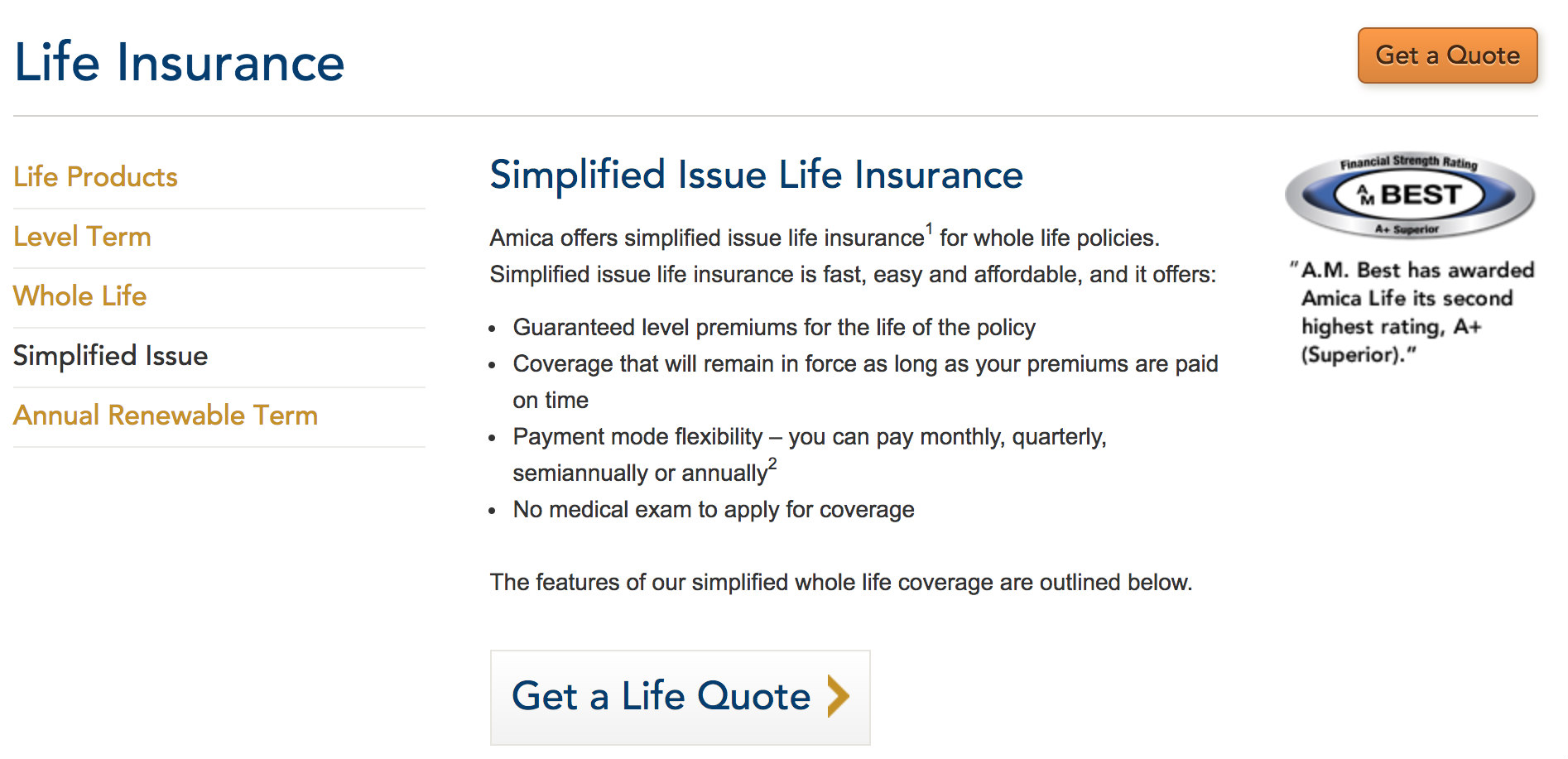
As of 2026, the primary metric for assessing Amica’s insurance-specific stability is its rating from A.M. Best, the leading rating agency dedicated exclusively to the insurance industry. A.M. Best focuses on an insurer’s "Financial Strength Rating" (FSR), which gauges the company’s ability to meet its insurance obligations. Amica has historically maintained an A+ (Superior) rating. This is the second-highest tier on A.M. Best's scale of 16 ratings, indicating that the company has a superior ability to meet its ongoing insurance obligations.
Breakdown of Rating Categories
To understand why these ratings matter, it is helpful to look at how agencies categorize insurance carriers. The following table illustrates the general hierarchy of financial strength often seen in the insurance industry, focusing on the specific terminology relevant to Amica’s standing.
| Agency | Rating | Category Description |
|---|---|---|
| A.M. Best | A+ | Superior - Excellent ability to meet obligations |
| A.M. Best | A | Excellent - Strong ability to meet obligations |
| S&P Global | AA | Very Strong - High capacity to meet financial commitments |
| S&P Global | A | Strong - Good capacity to meet financial commitments |
Note: Ratings reflect the evaluator's opinion of financial strength and are subject to periodic review. These ratings do not constitute a guarantee of performance or a recommendation to purchase a policy.
Factors Contributing to Amica’s Financial Stability
Several factors contribute to the consistent ratings assigned to Amica. First is their risk management approach. Amica typically avoids high-risk investment strategies, preferring a portfolio of high-quality, liquid assets that can be easily accessed if a high volume of claims were to occur simultaneously.
Second, the mutual structure itself serves as a buffer. Without the pressure to pay out dividends to Wall Street investors, Amica can retain earnings to bolster its surplus. This surplus serves as a safety net—capital that is held specifically to absorb losses from bad years or market volatility.
Third, Amica’s underwriting standards play a major role. By carefully selecting which risks they insure, they ensure that the premiums collected are sufficient to cover anticipated future claims. This disciplined approach to underwriting is a major reason why their financial strength ratings remain stable even during periods of broader economic uncertainty.
How to Verify Current Ratings
While Amica’s historical performance is well-documented, policyholders or prospective buyers should always verify the most recent information before making a long-term commitment. You can access the latest ratings through several official channels:
- A.M. Best Website: The official A.M. Best portal allows users to search for "Amica Mutual Insurance Company" to view the most recent rating opinion and the date it was last affirmed.
- State Insurance Departments: Every state has a Department of Insurance that monitors the solvency of licensed companies. While they do not "rate" companies in the same way A.M. Best does, they ensure the company maintains the required reserves to operate in that state.
- Amica’s Annual Reports: The company periodically publishes financial disclosures that summarize their fiscal position. These reports provide context to the ratings, showing the actual capital surplus and the growth of their assets over time.
Common Misconceptions About Credit Ratings
It is common for consumers to confuse "credit ratings" with "consumer satisfaction ratings." A credit rating agency like A.M. Best evaluates the financial capability of the insurer—can they pay the bill? A consumer review site, on the other hand, evaluates the service experience—are they easy to deal with during the claims process?
You may find that a company has a stellar financial strength rating but lower customer satisfaction scores, or vice versa. When choosing a life insurance provider, it is recommended to evaluate both. The financial strength rating gives you the assurance that the money will be there, while service reviews help you understand how the company interacts with beneficiaries during what is often a very difficult time.
Limitations of Financial Strength Ratings
It is important to recognize that no rating system is infallible. While an A+ rating indicates a high probability of solvency, it is not an absolute guarantee against failure. Historical events in the insurance industry have shown that even companies with strong ratings can face liquidity crises if their asset portfolios are mismanaged or if extreme, systemic disasters exceed their capital reserves.
Furthermore, credit ratings are backward-looking indicators. They analyze the financial results of previous periods to predict future reliability. While this is the industry standard for risk assessment, it cannot account for unprecedented future events, such as catastrophic shifts in life expectancy trends or major global economic collapses that fall outside of standard actuarial modeling.
Balancing Strength with Policy Suitability
When you decide that Amica’s financial foundation aligns with your security requirements, the next step is determining if their life insurance products meet your specific coverage needs. Even if a company is financially "superior," the product must be the right fit for your personal financial goals.
Consider the following when evaluating your options:
- Product Type: Are you looking for term life insurance, which provides coverage for a specific period, or permanent life insurance, which builds cash value over time?
- Coverage Amount: Calculate the death benefit required to sustain your family's standard of living, pay off debts, and cover final expenses.
- Underwriting Requirements: Determine if you are comfortable with the medical examination or health questionnaire requirements necessary for your specific policy level.
- Cost Efficiency: Compare the premiums against your budget, ensuring the policy is sustainable long-term.
Frequently Asked Questions
Does a high credit rating mean I will pay more for my policy? Not necessarily. While a company with high financial strength spends money on conservative asset management and robust reserves, these factors also reduce the long-term risk of the company becoming insolvent. Competitive pricing is driven by actuarial data and market competition, not solely by the company's financial rating.
What should I do if Amica’s rating changes? Ratings are monitored by the company and the industry. If a company’s financial strength were to drop significantly, they would likely be required to take corrective actions, such as increasing reserves or reinsurance coverage. If you are concerned about a rating change, you can re-evaluate your policy status at that time, though switching life insurance companies later in life can be more expensive due to higher age-related premiums.
Are A.M. Best ratings the same as Moody’s or S&P? They are similar in purpose but use different methodologies and scales. A.M. Best is specialized solely in the insurance sector, making it the most relevant source for life insurance solvency. Other agencies like S&P or Moody’s often rate the parent corporation’s overall debt and investment-grade financial health, which may be broader in scope than the specific insurance carrier you are dealing with.
Does a "Superior" rating apply to all products offered by the company? Generally, financial strength ratings apply to the insurance carrier's overall ability to pay claims. However, specific product performance, such as dividends for whole life policies, is not guaranteed by the FSR. Dividends are based on the company's actual investment performance, mortality experience, and administrative expenses.
Can I get a refund if the company’s rating drops? Life insurance policies generally do not allow for refunds based on the fluctuations of the insurer's credit rating. The contract is designed to provide protection. If you are unhappy with the financial standing of an insurer, your primary options are to either maintain the policy, reduce the coverage, or surrender the policy (if it has cash value) and move your coverage to another provider.
Recommendations for Next Steps
If you are currently evaluating Amica for life insurance, start by confirming the most recent A.M. Best rating directly through their official database. Once you have confirmed the financial stability of the firm, focus your efforts on the policy document itself. Request a specimen policy to review the specific exclusions, the definition of death benefit triggers, and the flexibility of the premium schedule.
Because life insurance is a significant financial commitment, it is also advisable to discuss your findings with a qualified financial advisor. An advisor can help you weigh Amica’s financial rating against your broader financial plan, ensuring that the death benefit is appropriately integrated with your assets, liabilities, and long-term legacy goals. Prioritizing both the insurer’s stability and the policy’s alignment with your family’s needs creates the most secure path toward long-term protection.