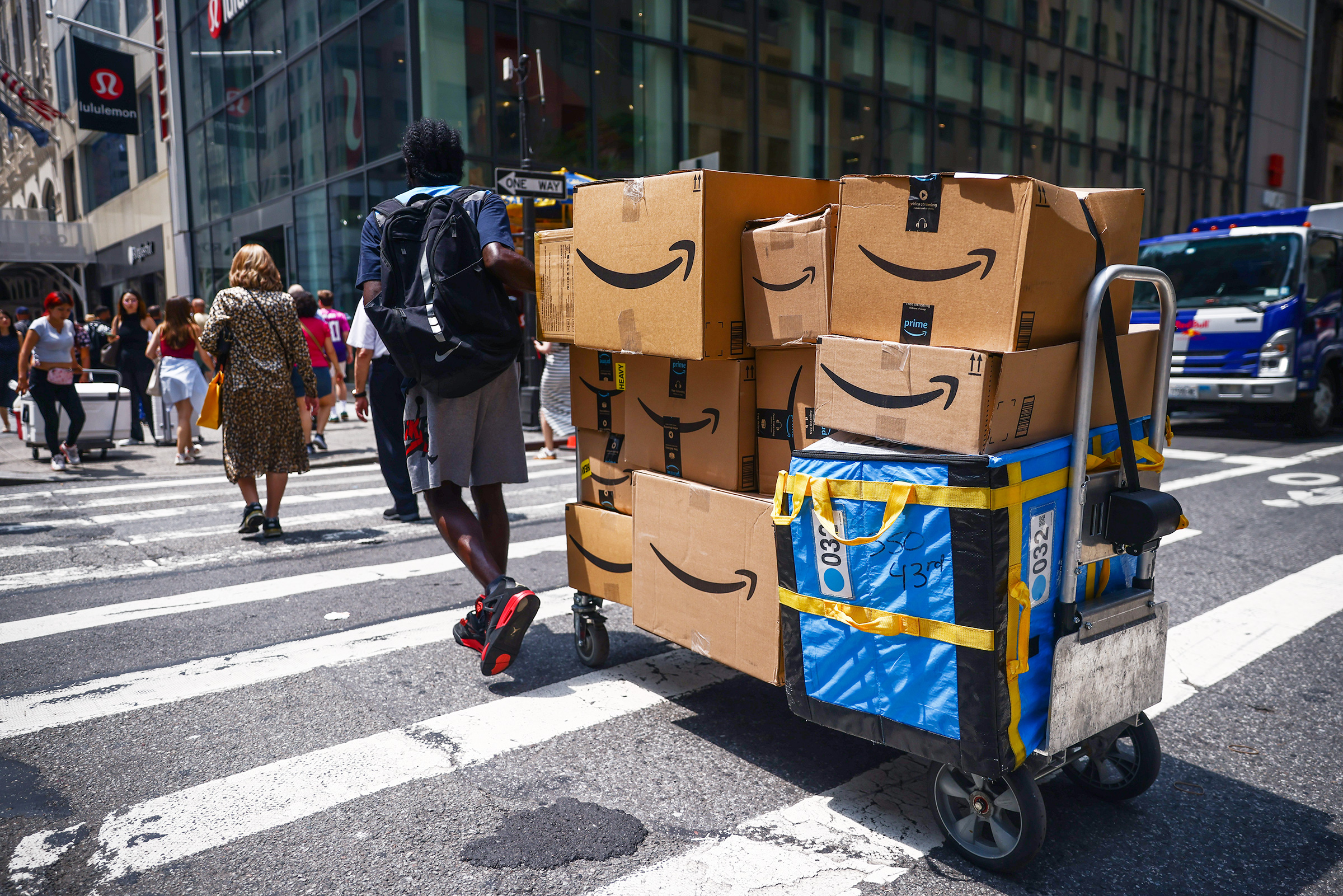
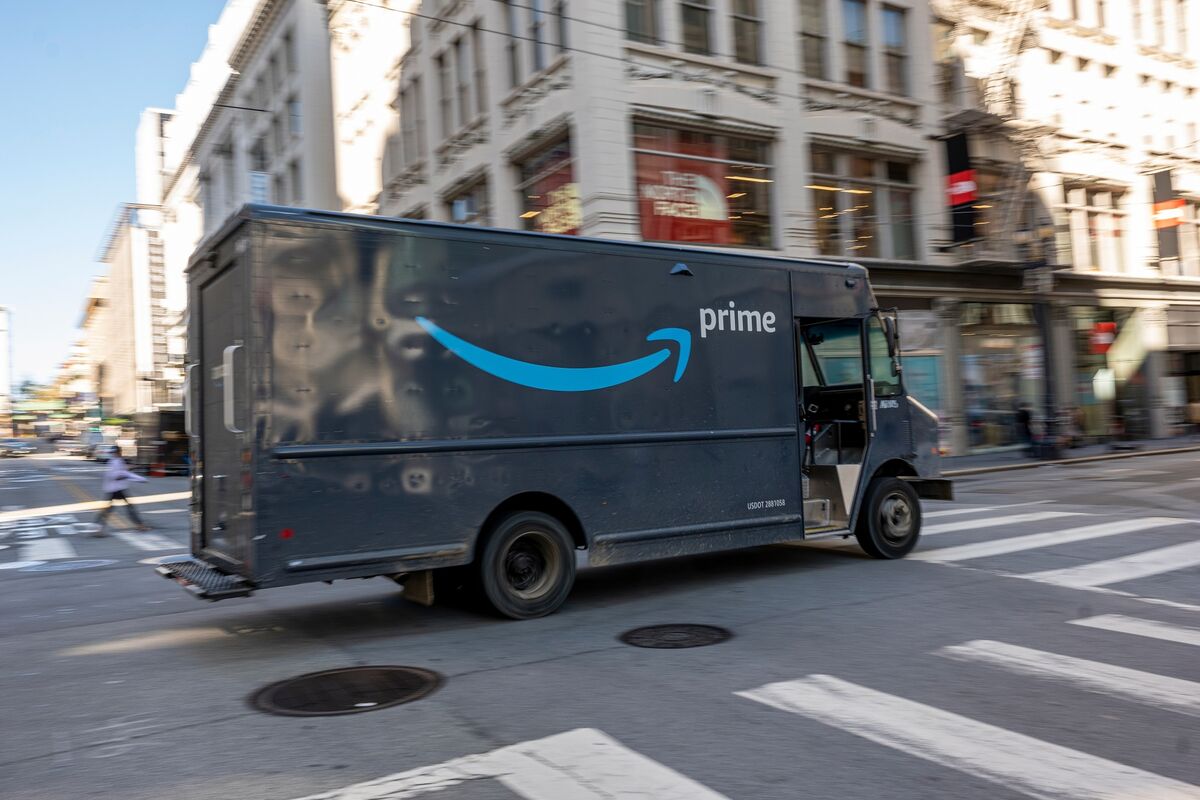
Driving a motor vehicle on a pedestrian sidewalk is illegal under state and local traffic laws across the United States. If an Amazon delivery driver drives on your sidewalk, immediately capture photos or video evidence, record the vehicle’s license plate and van identifier, report the safety violation to Amazon Customer Service and local law enforcement, and file a formal property damage claim if structural damage occurs.
Legal Status of Driving Motor Vehicles on Sidewalks
Under standard traffic codes throughout the United States, municipal roadways and residential developments explicitly separate vehicular traffic from pedestrian spaces. Motorized vehicles—including commercial delivery vans, flex delivery passenger vehicles, and freight trucks—are strictly prohibited from driving on or along pedestrian sidewalks, public rights-of-way designated for foot traffic, and residential lawns.
Statutory regulations, such as California Vehicle Code Section 21663 and New York Vehicle & Traffic Law Section 1225-a, establish that no person shall drive any motor vehicle upon a sidewalk except to cross over a permanent or authorized temporary driveway. Similar prohibitions exist in virtually every municipal traffic code.
Traffic Law & Safety Boundaries
- Public Roadway: Authorized for motor vehicle movement & legal curb parking
- Curb / Driveway Cut: Transition zone only; direct access to private property
- Pedestrian Sidewalk: STRICTLY PROHIBITED. Motor vehicle entry is illegal traffic violation
Delivery drivers do not possess special exemptions from traffic safety statutes. Commercial urgency, heavy package volume, narrow street layouts, or missed turns do not constitute legal justification for operating a motor vehicle on a walkway. While emergency vehicles (such as fire engines or ambulances responding to active crises) have limited statutory exceptions, commercial parcel delivery vehicles must remain on paved public roadways, authorized driveways, or marked parking zones.
When a delivery driver operates a vehicle on a sidewalk, they commit a moving violation. Depending on local statutes, this conduct can result in traffic citations, fines, driver's license points, and criminal charges for reckless driving or criminal mischief if property is intentionally or negligently damaged.
Amazon's Delivery Network and Driver Safety Regulations
To understand why sidewalk driving incidents occur and how accountability is established, it is essential to analyze Amazon's operational framework. Amazon routes packages using two main driver categories:
- Delivery Service Partners (DSPs): Independent small-to-medium logistics businesses that contract with Amazon to operate branded blue delivery vans (such as Ford Transits, RAM ProMasters, Mercedes-Benz Sprinters, and Rivian Electric Delivery Vehicles). DSP drivers wear Amazon-branded uniforms and operate vehicles displaying Amazon logos.
- Amazon Flex Drivers: Independent contractors who use their personal, non-branded passenger vehicles (sedans, SUVs, or trucks) to deliver packages routed through the Amazon Flex mobile application.
Amazon Delivery Service Structure
- Amazon Logistics
- Delivery Service Partners (DSPs)
- Branded Vans (Ford, Rivian)
- Employed by Third-Party DSP
- Monitored by Netradyne Cameras
- Amazon Flex Drivers (Independent Contractors)
- Personal Passenger Vehicles
- Contracted Directly via App
- App-Based Route Tracking
- Delivery Service Partners (DSPs)
Route Delivery Pressure and Telematics
Amazon drivers work under strict time constraints managed by automated routing algorithms. Drivers must complete dozens of stops per hour, leading some to take shortcuts, such as pulling onto sidewalks to bypass blocked streets, avoid backing up long distances, or quickly turn around in cul-de-sacs.
To monitor fleet operations, Amazon equips most DSP delivery vans with four-camera telematic systems (such as Netradyne Driveri). These AI-powered cameras analyze driving behaviors in real time, detecting events like:
- Speeding over posted limits
- Failure to stop at red lights or stop signs
- Distracted driving (e.g., checking a mobile device while moving)
- Following distance violations and hard braking
However, telematics systems do not always trigger immediate automated warnings when a vehicle leaves the street onto a parallel concrete sidewalk or paved apron, particularly at slow speeds. As a result, driver monitoring depends heavily on internal safety audits, GPS route tracking, dashcam reviews after incidents, and direct reports from affected property owners or law enforcement.
Amazon’s global Supplier Code of Conduct and DSP operational agreements explicitly mandate compliance with all federal, state, and local motor vehicle laws. Violating traffic laws by driving on sidewalks, manicured lawns, or pedestrian plazas violates contractual safety requirements and can result in immediate driver offboarding, suspension, or termination of the DSP's master service contract.
Physical Damage and Safety Risks of Sidewalk Driving
Operating a commercial vehicle on residential or commercial walkways creates immediate safety hazards and severe structural risks to property infrastructure.
Vehicle Weight vs. Sidewalk Load Capacity
- Pedestrian Sidewalk Design Load: ~4000 PSI Concrete, 4" Depth
- Max Intended Load: Pedestrians, Bicycles, Light Lawn Mowers (Under 1,000 lbs)
- Overloaded by 500% - 1000%
- Loaded Amazon Commercial Van: ~7,000 to 10,000+ lbs Gross Vehicle Weight
- Wheel Point Pressure: 1,750 to 2,500+ lbs per contact patch
Severe Risks to Pedestrian Safety
Sidewalks serve as protected zones for pedestrians, children, elderly residents, individuals using wheelchairs or mobility assistance devices, and pet owners. When a delivery van drives onto a sidewalk:
- Blind Spots: Commercial vans feature extensive rear and side blind spots, obscuring small children or pets.
- ADA Path Blockage: A delivery vehicle blocking a sidewalk forces pedestrians into active roadway traffic, creating immediate hazard zones for individuals with physical disabilities under Americans with Disabilities Act (ADA) access guidelines.
- Property Access Entrapment: Parking or driving along private pedestrian walkways limits emergency exit paths from homes and storefronts.
Structural Property Damage
Residential sidewalks and walkways are engineered specifically for foot traffic, light maintenance equipment, and bicycles. Standard residential concrete sidewalks are typically 4 inches thick, with a compressive strength rating of 3,000 to 4,000 PSI, constructed over a prepared gravel base.
In contrast, a fully loaded delivery van (such as a Ford Transit 350 or a Rivian EDV 700) carries a Gross Vehicle Weight Rating (GVWR) ranging between 7,000 and 10,000+ pounds. Applying wheel point loads of thousands of pounds onto residential walkways causes distinct structural failures:
- Concrete Cracking and Shear Stress: Heavy axle weight causes immediate flexural cracking, corner breaks, and deep structural fracturing of concrete slabs.
- Subgrade Displacement: The weight forces the underlying subgrade soil or aggregate base to settle unevenly, creating severe trip hazards, raised edges, and misaligned slabs.
- Paver and Flagstone Destruction: Decorative brick pavers, slate, or natural stone walkways shatter or displace easily under commercial vehicle tires.
- Subsurface Utility Damage: Heavy wheel loads crush shallow underground utility infrastructure, including residential irrigation systems, sprinkler heads, backflow preventers, low-voltage landscape wiring, shallow drain pipes, and water meter boxes.
- Turf and Soil Rutting: Driving off the sidewalk slab onto adjacent turf tears up root structures, creates deep muddy ruts, and damages surrounding landscape architecture.
Step-by-Step Guide: How to Report an Incident
If you observe an Amazon driver operating a vehicle on your sidewalk or lawn, take structured steps to preserve evidence, notify authorities, and initiate property damage remediation.
Incident Response Workflow
- Ensure Safety: Remain clear of moving vehicle
- Collect Evidence: Capture photos, video, license, van unit number
- Contact Police: File non-emergency traffic report
- Contact Amazon: Report vehicle to Logistics Support
- File Damage Claim: Via Amazon / Sedgwick
- Follow Up: Track claim via ARC / Sedgwick
Step 1: Ensure Immediate Physical Safety
Do not stand in front of or behind a moving vehicle to block its path. Delivery vans have significant blind spots, and confronting an unauthorized vehicle on foot creates a high risk of bodily harm. Keep a safe distance on private property or off the roadway while observing the vehicle.
Step 2: Document Comprehensive Evidence
Proving liability requires clear objective evidence. Capture as much of the following information as safely possible:
- High-Resolution Photographs and Video: Record video showing the vehicle operating on the sidewalk. Take photos of the vehicle's position, tire marks, crushed turf, and cracked concrete.
- Vehicle Identification Numbers: Record the license plate number, state of issuance, and the vehicle identifier number (usually a 3- or 4-digit unit identification number displayed on the rear door, front bumper, or side panels of Amazon vans).
- Package Information: If the driver delivered a package to your residence or a neighbor, note the tracking number (TBA number) printed on the shipping label. The TBA number ties the delivery directly to a specific driver, DSP contract, and route manifest in Amazon’s system.
- Date, Time, and Location: Record the exact timestamp and street address.
- Surveillance Footage: Preserve video clips from home security systems, doorbell cameras, or nearby commercial surveillance cameras showing the approach, entry onto the sidewalk, and departure.
Step 3: Contact Local Law Enforcement
Call your local police or sheriff's department using their non-emergency phone line to report a moving violation or motor vehicle trespass. Request an officer to conduct an on-site report if property damage occurred. A formal police accident or incident report creates an independent public record essential for insurance claims and legal recovery. If the driver struck property and left the scene without stopping, report it immediately as a hit-and-run incident.
Step 4: Report the Incident to Amazon Logistics
Contact Amazon Logistics to launch an internal safety and operations investigation:
- Phone Contact: Call Amazon Customer Service (1-888-280-4331) and request transfer to Amazon Logistics / Driver Safety.
- Online Escalation: If you are an Amazon customer, submit a formal report through the "Help" section of your account, referencing the specific tracking number (TBA) associated with the delivery time.
- Report Details: Provide the representative with the exact date, time, location, license plate, van unit number, and police report number. State clearly that a delivery vehicle operated illegally on a pedestrian walkway and caused a safety risk or property damage.
Step 5: Initiate a Property Damage Claim
If the van cracked concrete, damaged pavers, disrupted underground utilities, or ruined your lawn, request the direct contact details for Amazon's Driver Incident Claims Department (often administered by a third-party claims administrator, such as Sedgwick Claims Management Services).
Incident Reporting Channel Comparison
Use this comparison matrix to select the appropriate reporting channel based on the severity of the incident and your desired outcome:
| Reporting Channel | Primary Use Case | Required Information | Target Outcome / Resolution |
|---|---|---|---|
| Local Police (Non-Emergency) | Illegal sidewalk driving, moving traffic violations, hit-and-run property damage | Incident location, date/time, vehicle license plate, video evidence | Official police report, traffic citation issued to driver, legal record for insurance |
| Amazon Customer / Logistics Support | General driver safety complaints, illegal maneuvers without property damage | Date, time, location, van unit number, delivery tracking number (TBA) | Operational investigation, driver retraining, DSP safety infraction recorded |
| Sedgwick / Amazon Claims Administrator | Structural concrete damage, damaged lawns, broken water lines, broken pavers | Photos of damage, contractor repair estimates, police report, vehicle details | Direct financial reimbursement or repair payment from DSP or Amazon insurance |
| Your Homeowners Insurance | Significant structural damage when third-party claim handling is delayed | Photos, date of loss, contractor repair quotes, police report number | Direct claim payout (minus deductible), subrogation against Amazon/DSP insurer |
Legal Liability and Filing Property Damage Claims
Determining liability for sidewalk damage caused by an Amazon delivery driver involves navigating corporate structures, employment classifications, and insurance coverage layers.
Liability & Claims Resolution Pathways
- Incident Occurs
- Property Damage / Injury Formed
- Branded Amazon DSP Van
- Primary: DSP Commercial Auto Insurance Policy
- Amazon Flex Driver (Auto)
- Primary: Flex Commercial Auto Coverage Policy
- Branded Amazon DSP Van
- Third-Party Claim Administrator (Sedgwick Management)
- Full Settlement / Repair Direct Pay
- Claim Denied / Unresponsive
- Small Claims / Subrogation via Homeowners Policy
- Property Damage / Injury Formed
Vicarious Liability and Contractor Models
Because Amazon uses third-party DSPs and independent Flex drivers, Amazon often argues in property damage disputes that it is not directly liable for the driver's negligent acts under the legal doctrine of respondeat superior (master-servant liability). Instead, primary financial responsibility usually rests with:
- The DSP Company: Delivery Service Partners carry commercial auto liability and general liability insurance policies mandated by Amazon (typically requiring $1 million to $2 million in primary commercial liability coverage).
- Amazon Flex Insurance: For Flex drivers operating personal vehicles, Amazon provides a Commercial Auto Insurance Policy that applies while the driver is actively on a delivery route (delivering packages, navigating to a stop, or returning packages). This coverage includes auto property damage liability.
Step-by-Step Claim Filing Process
To obtain financial recovery for damaged concrete, pavers, or landscaping:
- Obtain Professional Repair Estimates: Request two or three written quotes from licensed concrete contractors, landscape companies, or hardscape repair specialists detailing the precise cost to replace cracked slabs, re-level subgrade material, or repair destroyed utility lines.
- Submit Claims to Sedgwick (or Current Administrator): Amazon delegates property damage and auto liability claims to specialized claims management firms like Sedgwick. Provide the adjuster with:
- Photos/video of the van on the sidewalk and the resulting damage.
- The police incident report number.
- Contractor repair estimates.
- Proof of property ownership (deeds or tax tax statements) or lease authorization.
- Notify Your Homeowners Insurance Carrier: If the concrete or structural damage is extensive (e.g., several thousand dollars), notify your home insurance provider. If Sedgwick or the DSP’s commercial insurer delays or denies the claim, your insurer may pay out the claim under your policy (subject to your deductible) and initiate subrogation—pursuing Amazon or the DSP directly to recover the payout and your deductible.
- Small Claims Court Remedies: If claims administrators deny liability or refuse to pay fair market repair estimates, property owners can file a lawsuit in local Small Claims Court. Small claims courts resolve property damage disputes without complex legal representation. Name both the Delivery Service Partner business entity, the individual driver (if identified in the police report), and Amazon Logistics, Inc. as co-defendants.
Preventative Measures and Landscaping Controls
Property owners experiencing recurrent incidents of commercial vehicles mounting curbs, driving on sidewalks, or rutting grass can install physical barriers and safety measures to protect private infrastructure.
Physical Property Defense Methods
- Decorative Boulders: Placement along curb edges prevents heavy vehicle mounting
- Raised Planter Boxes: Heavy concrete or timber barriers stop wheel encroachment
- High-Visibility Lawn Markers: Reflective stakes mark property bounds
Installing Defensive Hardscaping
- Landscape Boulders: Strategically placing heavy granite or basalt decorative boulders (weighing 200+ pounds each) along property margins near curb cuts prevents commercial drivers from mounting the sidewalk or cutting across corners.
- Reinforced Planter Boxes: Heavy concrete, masonry, or timber planter boxes placed near driveway aprons act as physical barriers, preventing vehicles from driving onto pedestrian paths.
- Reflective Property Stakes: Installing high-visibility reflective stakes along lawn borders during winter months highlights property boundaries for drivers delivering in low-light conditions.
Clear Delivery Directives via Amazon Account
If delivery drivers regularly misuse your driveway or sidewalk area, update your delivery preferences:
- Log into your Amazon account and navigate to Your Addresses.
- Select Add delivery instructions for your residence.
- Under Property access / Delivery location, specify explicit instructions (e.g., "Do not enter sidewalk or lawn. Park at street curb only. Deliver to front porch via main paved driveway step.").
- These notes upload directly to the handheld device (Transporter app) used by DSP and Flex drivers upon arrival at your location.
Frequently Asked Questions
Can an Amazon driver legally drive on the sidewalk to turn around or avoid traffic?
No. Traffic laws across all states prohibit motor vehicles from driving on pedestrian sidewalks to bypass traffic, execute U-turns, avoid backing up, or park closer to a home. Motorized vehicles may only cross over a sidewalk at an authorized, permanent driveway cut.
How do I locate the vehicle or driver ID if the van drove away?
Check your Amazon account tracking details for packages delivered around that time. The tracking number (TBA number) identifies the delivery route. Furthermore, review doorbell or security video for the 3- or 4-digit van unit number printed on the rear doors or front sides of blue Amazon vans, or capture the license plate number.
Who is responsible for paying for broken concrete caused by an Amazon van?
The party operating the vehicle (the Delivery Service Partner business or Amazon Flex driver) and their commercial auto insurance provider are legally responsible for repairing damaged concrete, crushed utility lines, or ruined landscaping. Amazon’s claims administrator (such as Sedgwick) processes these claims upon submission of evidence and professional repair estimates.
Will Amazon fire a driver for driving on a sidewalk?
Amazon takes driver safety violations seriously. Driving on pedestrian walkways, damaging property, or driving recklessly violates Amazon's Safety Standards and DSP agreements. Drivers reported with video or police evidence face suspension, mandatory safety retraining, or permanent removal from the Amazon delivery network.
What should I do if an Amazon van hits my sidewalk or property and drives off?
Treat the incident as a hit-and-run motor vehicle accident. Immediately gather all available security footage, witness statements, and photographic evidence of vehicle tracks or damage. Call local police to file an official hit-and-run report, and report the vehicle details and police report number directly to Amazon Customer Service and claims administrators.
Summary Action Plan
If an Amazon driver operates a vehicle on your sidewalk:
- Prioritize Personal Safety: Maintain a safe distance and do not engage in physical confrontation with a moving or stationary vehicle.
- Collect Comprehensive Evidence: Capture clear video footage, photos of the vehicle position, license plate numbers, van unit numbers, and specific tracking details (TBA numbers).
- File Official Reports Immediately: File a non-emergency traffic report with local law enforcement and report the incident to Amazon Logistics Safety Support.
- Obtain Contractor Repair Quotes: For concrete, paver, or underground utility damage, secure written repair estimates from licensed contractors.
- Submit a Property Claim: File a formal property damage claim with Amazon’s claims management vendor (Sedgwick) or contact your homeowners insurance provider to pursue subrogation against the delivery company.