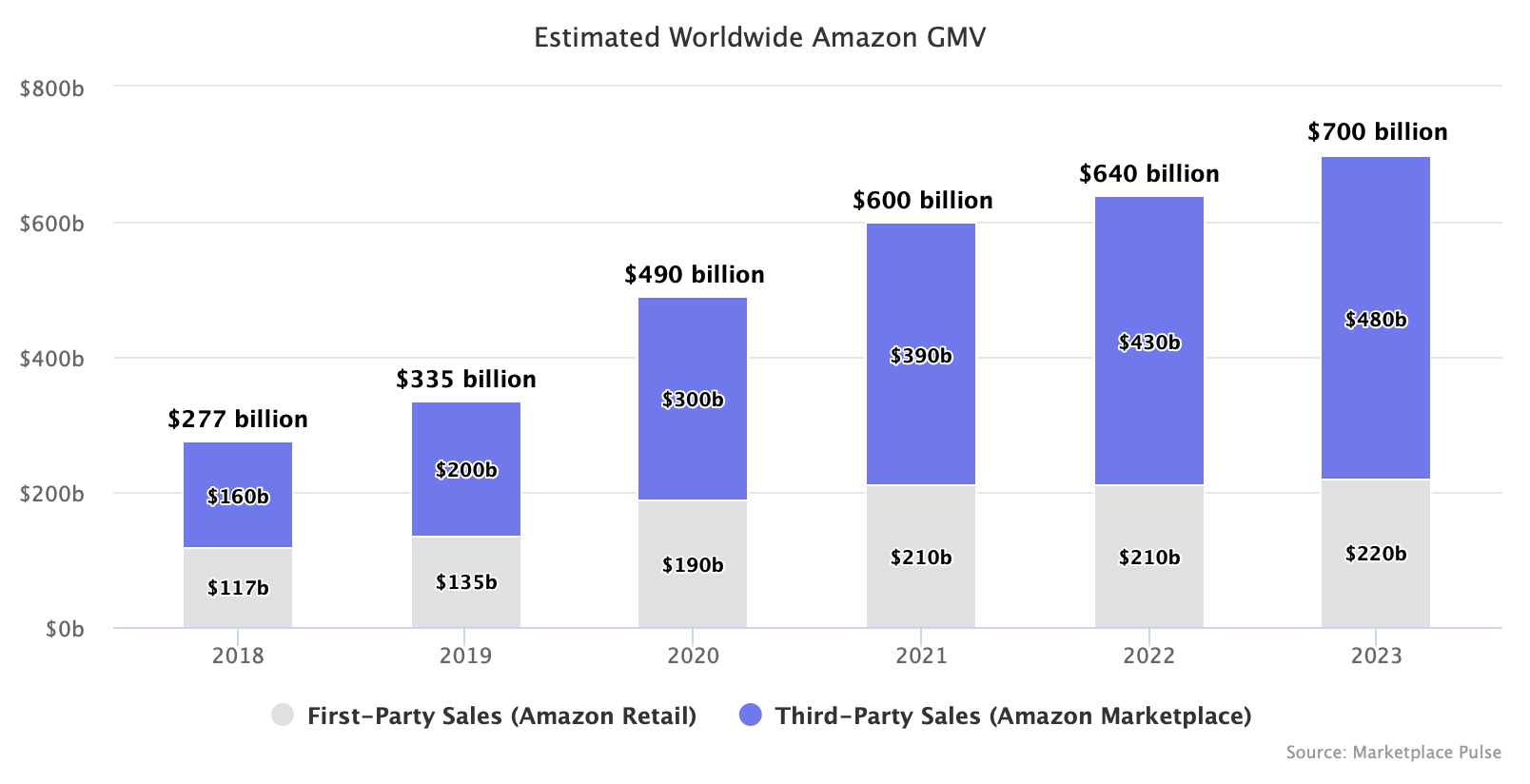
The term "amal azon emerging marketplace in the u s" refers to Amazon’s evolving ecosystem of specialized storefronts, ultra-low-cost channels, and cross-border seller initiatives within the United States. Driven by changing consumer spending habits and heightened competition among low-cost platforms, Amazon has introduced streamlined marketplace formats—such as Amazon Haul—alongside expanded seller access models. Understanding these emerging U.S. marketplace channels enables brand owners, resellers, and international manufacturers to optimize logistics, manage unit economics, and target high-intent retail segments efficiently.
Understanding the Emerging Amazon Marketplace Landscape in the United States
Search queries containing terms like "amal azon" typically represent common typographical errors for Amazon, the largest e-commerce platform in the United States. However, the search intent behind "emerging marketplace in the U.S." reflects a critical shift in how Amazon structures its digital storefronts and fulfillment networks to capture new customer demographics and combat low-cost market disruptors.
Historically, the Amazon U.S. marketplace operated predominantly on a centralized fulfillment model powered by Fulfillment by Amazon (FBA) and Merchant Fulfilled Network (MFN) sellers offering standard consumer retail goods. In recent years, Amazon expanded its architecture to accommodate specialized sub-marketplaces, direct-from-factory discount storefronts, and cross-border trade pipelines designed to lower landed costs for price-sensitive buyers.
- Amazon U.S. Marketplace Ecosystem
- Standard Amazon Marketplace (FBA)
- Prime 1-2 Day
- Low-Cost Store (e.g., Haul)
- Direct Shipping
- Amazon Global Selling / Cross Border Pipeline
- Standard Amazon Marketplace (FBA)
Key Elements of Amazon's U.S. Marketplace Evolution
- Ultra-Low-Cost Storefront Initiatives: To retain shoppers seeking deep discounts on fashion, home decor, electronics accessories, and lifestyle items, Amazon launched dedicated budget storefronts (such as Amazon Haul). These sub-marketplaces focus on items priced primarily under $20, utilizing alternative shipping timelines to minimize warehousing fees.
- Global Selling into the U.S.: Amazon continues to expand its cross-border infrastructure, allowing manufacturers based in Asia, Europe, and Latin America to list inventory directly on Amazon.com while utilizing Amazon's domestic logistics footprint.
- Regionalized Warehousing and Multi-Tier Delivery: Rather than relying entirely on single-day or two-day Prime delivery for all SKUs, emerging marketplace programs split delivery speeds based on product margin, fulfillment source, and price point.
- Automated Seller Onboarding and Compliance: Modern registration workflows allow domestic brands and verified international entities to gain rapid authorization, complete tax verification, and integrate inventory feeds via standard Application Programming Interfaces (APIs).
Core Drivers Behind Amazon's Emerging U.S. Marketplace Models
The evolution of Amazon's U.S. marketplace architecture is driven by several macro-economic shifts, supply chain developments, and shifting consumer trends.
1. Shift Toward Budget-Conscious Retail
Inflationary pressures and changing consumer priorities have boosted demand for value-oriented goods. While traditional Amazon Prime shoppers prioritize speed and convenience, a growing segment prioritizes bottom-dollar pricing over next-day shipping. Emerging marketplace channels cater directly to this price-sensitive demographic without diluting the core Prime brand identity.
2. Supply Chain Modernization and Direct-from-Factory Logistics
By shipping directly from overseas consolidation hubs or optimized regional distribution centers, sellers bypass expensive domestic storage cycles. This model allows merchants to offer competitive pricing on lightweight, unbranded, or white-label products while preserving baseline operating margins.
3. Regulatory and Trade Compliance Frameworks
Cross-border commerce entering the United States relies heavily on compliance with U.S. Customs and Border Protection (CBP) guidelines. Programs operating within the emerging marketplace landscape leverage structured customs declaration processes—including Section 321 de minimis entry rules where applicable—to streamline entry for low-value merchandise under $800 per daily shipment.
Major Emerging Storefronts and Programs for U.S. Sellers
Navigating Amazon's expanding U.S. presence requires a clear understanding of the specific sub-programs available to brand owners and third-party sellers.
Seller Channel Selection Matrix
| Channel | Target Price Point | Delivery Standard |
|---|---|---|
| Standard Amazon FBA | All tiers ($15 - $500+) | 1-2 Day Prime |
| Amazon Low-Cost/Haul | Ultra-low ($1 - $20) | 1-2 Weeks (Direct Shipping) |
| Merchant Fulfilled | Custom/Bulky/Specialty | Standard Ground (3-7 Days) |
Amazon Haul and Discount Marketplace Sub-Storefronts
Introduced to capture budget-focused shoppers, Amazon Haul operates primarily as a mobile-first shopping experience within the main Amazon shopping application.
- Target Price Range: Most items are priced below $10, with strict ceiling caps generally capping items at $20.
- Fulfillment Mechanics: Goods are held in centralized consolidation warehouses and shipped directly to U.S. consumers, taking approximately one to two weeks for delivery.
- Shipping Incentives: Free delivery is typically offered on orders exceeding specific basket sizes (e.g., orders over $25), encouraging multi-item basket builds.
- Fee Structures: Reduced referral and fulfillment fees apply to match the compressed margins of budget goods.
Amazon Global Selling into the U.S. Market
For businesses operating outside the United States, Amazon Global Selling provides a standardized entry ramp into the U.S. consumer market.
- Unified Seller Accounts: Sellers can manage U.S. operations alongside European or Asian accounts through single-sign-on seller center portals.
- Currency Conversion Services: Amazon ACCS (Amazon Currency Converter for Sellers) automates disbursements into local bank accounts worldwide.
- Domestic FBA Integration: International merchants can ship bulk freight directly into U.S. FBA fulfillment centers, taking advantage of local inventory placement and domestic customer service.
Operational Comparison of U.S. Marketplace Models
To evaluate which Amazon U.S. channel fits your product catalog, examine the fundamental differences in fulfillment, fees, and customer expectations across the available options.
| Feature / Metric | Standard Amazon FBA | Amazon Low-Cost Storefronts (e.g., Haul) | Merchant Fulfilled Network (MFN) |
|---|---|---|---|
| Primary Target Audience | Speed-oriented Prime shoppers | Price-sensitive budget shoppers | Specialized, custom, or heavy goods buyers |
| Typical Product Price | $15.00 – $250.00+ | $1.00 – $20.00 | Any price point |
| Fulfillment Time | 1–2 Days (Prime standard) | 1–2 Weeks | Variable (Set by seller) |
| Storage & Handling | U.S. FBA Warehouses | Centralized overseas/consolidation hubs | Seller or 3PL warehouse |
| Customer Returns | Handled by Amazon FBA | Streamlined low-value return policies | Managed directly by merchant |
| Referral Fee Structure | 8% – 15% standard average | Discounted micro-tier rates | Standard category referral fees |
| Best Product Types | Brand-name goods, high-margin SKUs | Small, lightweight accessories, novelties | Large, bulky, perishable, or custom goods |
Step-by-Step Guide: Launching on Amazon Emerging U.S. Channels
Launching a catalog within Amazon’s emerging U.S. marketplace channels requires systematic preparation across account creation, catalog creation, compliance verification, and fulfillment setup.
- Step 1: Account Verification
- Step 2: Catalog Categorization
- Step 3: Logistics Integration
- Step 4: Launch & Optimization
Step 1: Account Registration and Tax Verification
- Access the official Amazon Services Registration Portal.
- Submit legal business documentation:
- Government-issued identity document (Passport or Driver's License).
- Business incorporation documents (LLC, Corporation, or international equivalent).
- Bank account statement verifying ownership for disbursement setup.
- Federal Tax Identification Number (EIN for U.S. entities or W-8BEN/W-8BEN-E for non-U.S. entities).
- Complete Identity Verification (IV) via real-time video verification or document submission.
Step 2: Product Catalog & Program Selection
- Evaluate catalog SKUs against target channel eligibility requirements.
- Select the appropriate selling format:
- Select Standard FBA for fast-moving items supporting $15+ price points.
- Apply for Low-Cost Marketplace/Haul Integration if offering small, lightweight items under the $20 ceiling.
- Ensure products feature standardized GTINs, UPCs, or ISBNs. If selling unbranded generic products, apply for a GTIN exemption through Seller Central.
Step 3: Logistics Integration and Inventory Setup
- Configure shipping templates within Amazon Seller Central.
- If using FBA, create an Inbound Shipping Plan to direct inventory to assigned Amazon fulfillment centers across the United States.
- If using direct-from-factory shipping models, establish EDI or API links between your warehouse management software (WMS) and the Amazon Selling Partner API (SP-API) to auto-sync tracking numbers within required handling windows.
Step 4: Compliance, Pricing, and Launch Execution
- Verify compliance with U.S. regulatory bodies:
- CPSC (Consumer Product Safety Commission): Required for toys, children's products, and apparel.
- FDA (Food and Drug Administration): Required for cosmetics, dietary supplements, and food contact items.
- FCC (Federal Communications Commission): Required for electronic devices emitting radio frequency energy.
- Set competitive automated pricing rules using Seller Central’s Automate Pricing tool to remain competitive against rival listings.
- Launch listings and monitor account health metrics daily via the Account Health Dashboard (AHD).
Regulatory, Legal, and Tax Compliance Requirements
Selling on any Amazon U.S. platform carries strict legal obligations. Failure to maintain compliance can result in listing suspensions, inventory withholding, or account termination.
1. Sales Tax and Marketplace Facilitator Laws
Under U.S. Marketplace Facilitator Laws, Amazon automatically calculates, collects, and remits state sales tax on behalf of sellers for orders delivered to buyers in almost all U.S. states. However, merchants remain responsible for managing income tax filings and maintaining registered business nexus where applicable.
2. Intellectual Property (IP) Protections
Amazon enforces stringent IP guidelines via the Amazon Brand Registry. Brand owners must hold an active registered trademark (issued by the USPTO or recognized international trademark offices) to access advanced brand protection tools, Project Zero, and A+ Content modules.
3. Product Safety and Labeling Verification
All items distributed in the United States must display clear labeling, including country of origin, manufacturer contact info, and appropriate hazard warnings. For children's products, mandatory Children's Product Certificates (CPC) and third-party lab test reports from CPSC-accepted laboratories must be uploaded to Seller Central prior to approval.
Strategic Growth Playbook for 2026
To succeed across Amazon’s standard and emerging U.S. channels in 2026, merchants must combine operational agility with tight cost controls.
- 2026 Seller Growth Playbook
- Operational Efficiency
- Multi-channel distribution
- Real-time inventory sync
- Tiered fulfillment strategy
- Marketing & Visibility
- Targeted Amazon PPC campaigns
- Optimized main image slots
- A+ Content & Brand Story
- Operational Efficiency
Optimize Unit Economics by Channel
Do not run identical pricing and logistics strategies across standard FBA and low-cost marketplace channels.
- Use Standard FBA for premium, heavy, or high-margin products where customers expect 1- to 2-day delivery.
- Reserve Low-Cost Storefronts for accessories, simple goods, and high-volume impulse items where low landed product costs offset longer shipping timelines.
Leverage Automated Inventory Management
Stockouts lead directly to loss of Organic Keyword Rank (BSR) on Amazon listings. Utilize multi-echelon inventory forecasting tools that account for seasonal demand spikes, manufacturing lead times, and customs processing delays. Maintain safety stock in third-party logistics (3PL) facilities near major U.S. port hubs (e.g., Los Angeles/Long Beach, NY/NJ) to rapidly replenish Amazon fulfillment nodes.
Utilize Amazon Advertising & Brand Analytics
Even on low-cost storefronts, organic visibility requires an initial momentum push. Combine targeted Amazon PPC (Pay-Per-Click) Sponsored Products campaigns with Amazon Brand Analytics keyword research to capture high-intent search terms. Focus initial ad spend on long-tail search queries with low cost-per-click (CPC) rates to establish baseline sales velocity.
Frequently Asked Questions
What does "amal azon" mean in relation to U.S. e-commerce marketplaces?
"Amal azon" is a common search misspelling of Amazon. When combined with "emerging marketplace in the U.S.," it refers to Amazon’s new U.S. initiatives, discount storefronts like Amazon Haul, direct-from-factory shipping programs, and expanded cross-border seller pipelines operating within the main Amazon.com platform.
How does Amazon Haul differ from standard Amazon FBA?
Amazon Haul focuses on ultra-low-cost products typically priced under $20 with longer shipping windows (1-2 weeks), shipping items directly from centralized overseas logistics centers. Standard Amazon FBA stores goods in domestic U.S. warehouses, supporting 1- to 2-day Prime delivery at standard retail price points.
Can non-U.S. resident businesses sell on Amazon’s U.S. emerging marketplaces?
Yes. Non-U.S. businesses can register an Amazon U.S. professional selling account through the Amazon Global Selling portal. International sellers must provide verified business registration documents, passport identity verification, a valid tax identification number, and an internationally compatible bank account for payouts.
What are the maximum price caps for Amazon's low-cost marketplace programs?
Product price limits vary depending on the specific emerging program sub-category. For discount storefronts like Amazon Haul, most products are targeted under $10, with strict platform caps generally limiting items to $20 or less.
Do sellers need a U.S. trademark to sell on emerging Amazon U.S. platforms?
While a registered trademark is not strictly required to list generic or non-branded products, holding a registered trademark with the USPTO (or a recognized foreign IP office) is mandatory to register with the Amazon Brand Registry. Brand Registry protects listings from unauthorized sellers and unlocks specialized marketing tools.
Summary & Next Steps for Sellers
Amazon’s emerging U.S. marketplace structures provide unique opportunities for brands and manufacturers to capture price-conscious shoppers while maintaining access to the broader U.S. consumer base. To begin:
- Audit Your Catalog: Segment your product lines by weight, manufacturing cost, and margin to decide between Standard FBA and budget marketplace placement.
- Verify Legal & Customs Compliance: Ensure all items comply with U.S. safety standards (CPSC, FDA, FCC) and customs entry requirements before shipping inventory.
- Establish Account Credentials: Complete registration via the official Amazon Seller Central Portal and configure tax documentation.
- Deploy a Multi-Tier Fulfillment Strategy: Combine domestic 3PL warehousing with direct shipping solutions to balance delivery speed against total operational overhead.