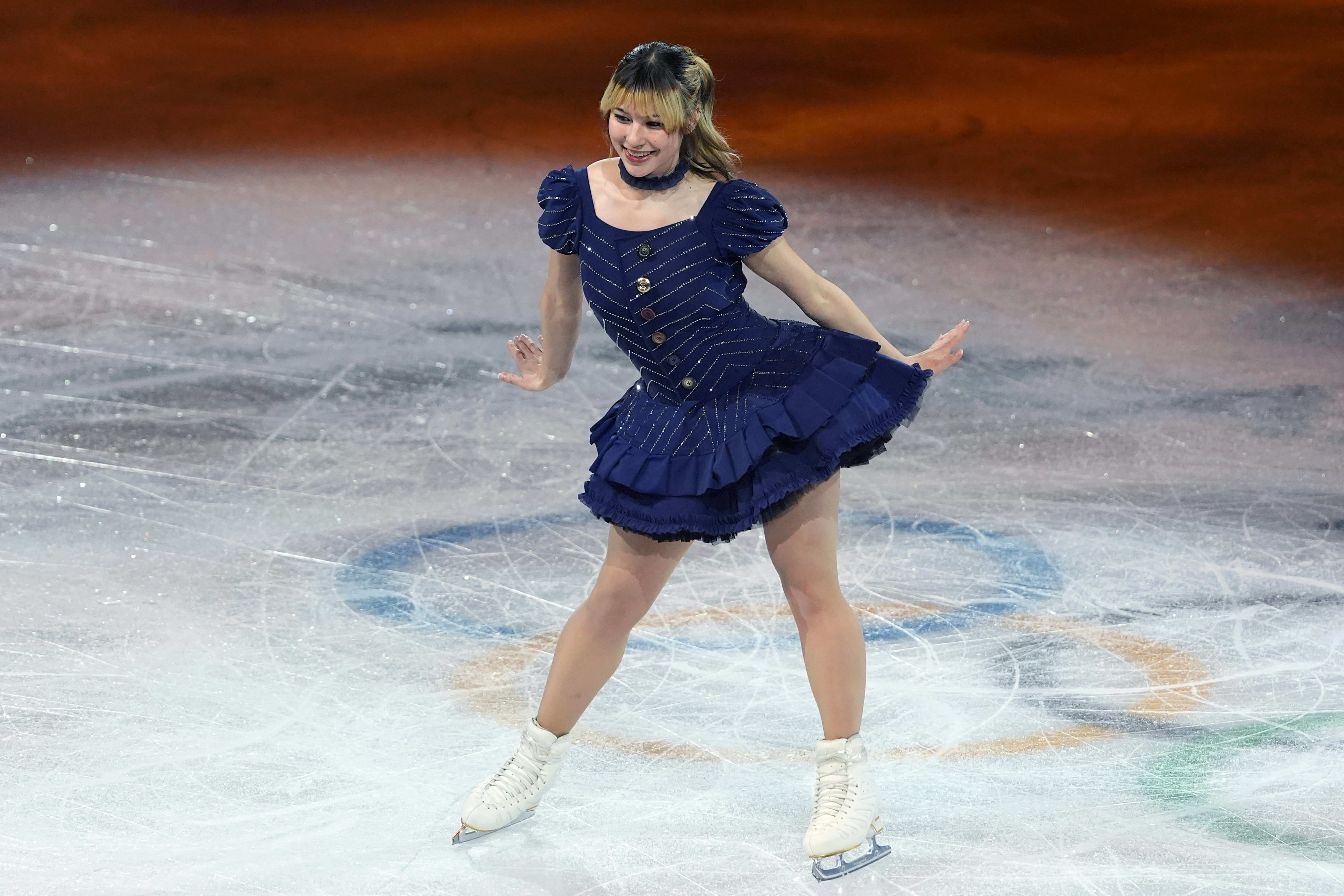
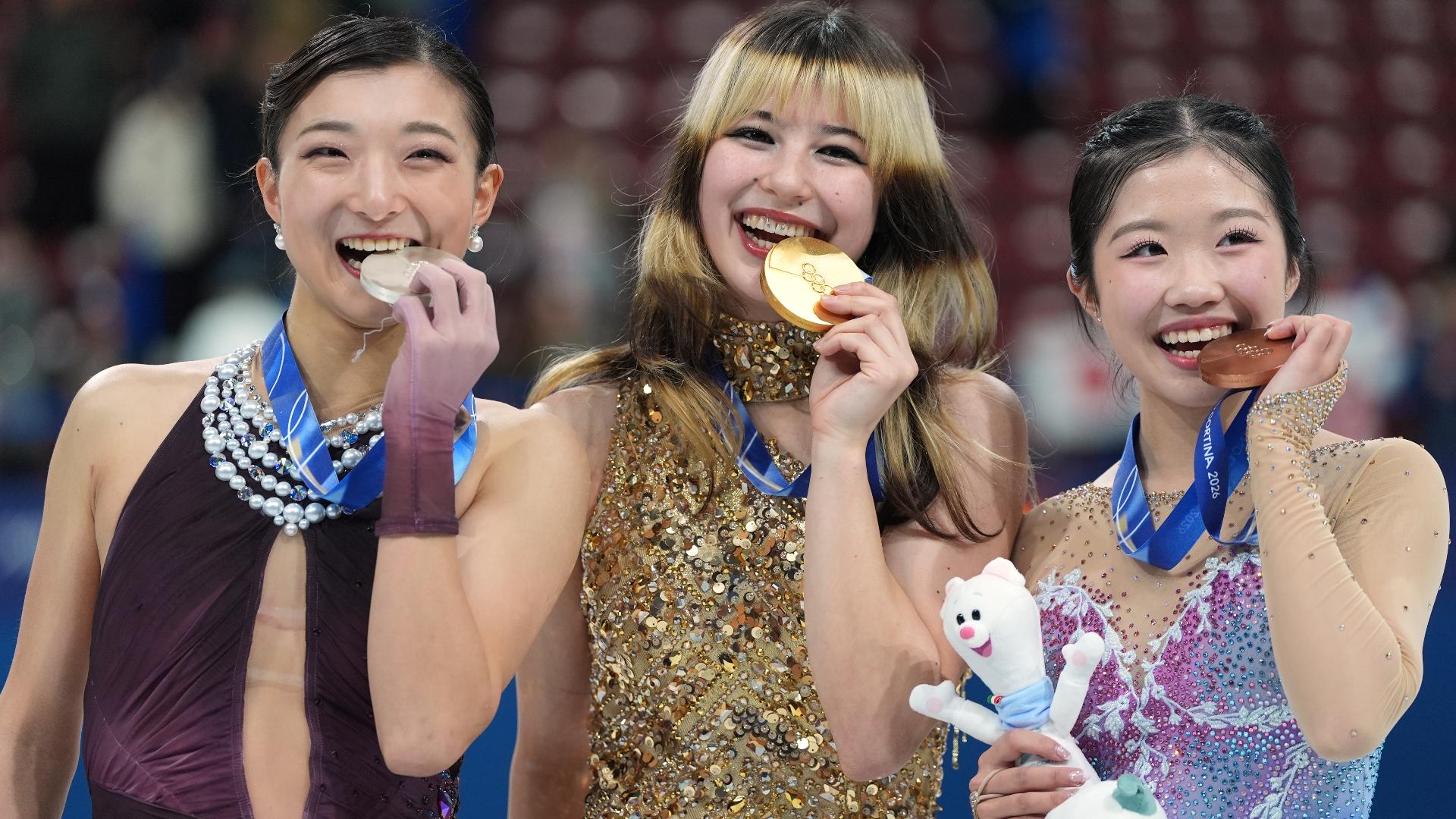
Alysa Liu’s visual and artistic evolution represents a significant cultural shift in figure skating, moving the sport away from rigid classical aesthetics toward authentic self-expression. By integrating alternative fashion, contemporary music, and personal autonomy into elite competition, Liu demonstrates how modern skaters can challenge traditional presentation standards while maintaining world-class technical execution on the ice.
The Evolution of Alysa Liu: From Classical Technical Phenom to Alternative Icon
Figure skating has historically prized uniformity, classical elegance, and a specific archetype of grace, particularly in the women's discipline. When Alysa Liu burst onto the international scene as a prodigy—becoming the youngest U.S. women's national champion at age 13 in 2019—her early career was defined by immense technical capability. She made history by landing triple Axels and quadruple Lutz jumps, wrapped in the traditional styling typical of elite junior and senior competitors: sparkling pastel dresses, slicked-back buns, and classical or theatrical soundtrack selections.
However, Liu’s trajectory departed radically from the standard elite pipeline. After winning a bronze medal at the 2022 World Figure Skating Championships and representing the United States at the 2022 Beijing Winter Olympics, she announced her retirement from competitive figure skating at just 16 years old. During her hiatus, Liu pursued high school completion, university studies, and personal exploration free from the rigorous constraints of the elite sporting system.
When Liu announced her return to competitive skating for the 2024–2025 season with an eye toward the 2026 Milano-Cortina Winter Olympic cycle, she re-entered the arena on entirely different terms. Her physical presentation, musical choices, and overall demeanor had transformed. Embracing dyed hair, edgy cutouts, streetwear-inspired apparel off the ice, and nuanced, contemporary choreography on the ice, Liu re-emerged not just as an elite jumper, but as an alternative style icon within a sport traditionally resistant to subcultural aesthetics.
Defining the "Alternative Style" in Competitive Figure Skating
The term "alternative style" in figure skating refers to a deliberate departure from the orthodox visual and artistic conventions of the International Skating Union (ISU). Historically, women’s competitive attire favored jewel-toned mesh, heavy sequin embellishments, flesh-colored illusion fabric, and classical hair styling designed to mimic traditional ballet lines.
Liu's aesthetic shift manifests across several distinct dimensions:
1. Costume Design and Silhouette Variations
Rather than relying on classic princess-line dresses adorned with crystal filigree, Liu’s contemporary costuming incorporates asymmetrical cuts, monochrome palettes, modern textiles, and structural lines. Her dresses often resemble high-fashion avant-garde pieces or minimalist contemporary dance attire rather than traditional figure skating outfits. This visual reframing challenges the expectation that female skaters must project traditional fairytale femininity.
2. Musical Curation and Genre Diversity
For decades, elite singles programs drew heavily from classical symphonies, opera (such as Carmen or Madame Butterfly), and cinematic scores (such as Schindler's List or Romeo and Juliet). Liu has leaned into modern indie, alternative pop, electronic, and contemporary vocal tracks that reflect genuine personal taste rather than generic crowd-pleasers. This choice requires a different quality of movement—incorporating ground-based contemporary dance, isolation, and fluid performance artistry over traditional balletic arm extensions.
3. Hair, Makeup, and Visual Identity
Off-ice personal branding increasingly spills over into on-ice identity. Liu’s signature style features bold hair colors, visible personal jewelry, relaxed hair styling, and graphic makeup choices. Rather than conforming to an idealized image dictated by federations or traditionalists, her presentation prioritizes personal authenticity, aligning her closer to youth subcultures and contemporary fashion movements than classical court dances.
How Visual and Musical Shifts Are Changing ISU Scoring Trends
Liu’s stylistic evolution is not happening in a vacuum; it coincides with—and accelerates—a broader modernization of ISU judging standards under the Program Component Score (PCS) structure.
Historical Model (Pre-2014/2022) Modern Trend Shift (2024–2026) --------------------------------- ------------------------------ - Strict instrumental classical music - Indie, alternative, vocal, & modern genres - Traditional ballet skirts/bun - Trousers, modern cuts, subcultural style - Conformity to classical ideals - Individual authenticity & narrative depth - Rigid coach-driven choreography - Collaborative, athlete-centered artistry
Several structural factors within figure skating have allowed alternative aesthetics to gain legitimate competitive traction:
- Vocal Music Inclusion: The ISU lifted the ban on music with lyrics across all disciplines following the 2013–2014 season. While initial program choices remained conservative, skaters like Liu have pushed the boundary toward non-traditional vocal tracks with complex, modern themes.
- Revised PCS Categories: The streamlining of Program Components into three defined criteria—Skating Skills, Composition, and Presentation—gives judges explicit frameworks to reward original choreography and distinct performance styles. Skaters who display nuanced interpretation of unique music can earn exceptional scores under "Presentation" without relying on traditional classical mime.
- Costume Rule Modernization: Rule 500 of the ISU regulations mandates that clothing must be "modest, dignified and appropriate for athletic competition," explicitly prohibiting excessive nudity or theatrical costumes. However, the interpretation of "dignified" has broadened significantly. Skaters are no longer penalized for wearing trousers, unitards, or avant-garde designs, allowing athletes like Liu to experiment with alternative silhouettes.
Structural Comparison: Traditional Norms vs. Modern Alternative Trends
To understand how Alysa Liu and her contemporaries are reshaping the visual landscape of figure skating, it is helpful to examine the key differences between traditional presentation standards and modern alternative shifts.
| Aesthetic Category | Traditional Figure Skating Standards | Modern Alternative Skating Trends (e.g., Alysa Liu) |
|---|---|---|
| Primary Music Genres | Classical, orchestral, opera, classic movie soundtracks | Indie pop, alternative rock, ambient electronic, modern vocal tracks |
| Costume Aesthetics | Sequins, pastel/jewel tones, standard mesh, classic skirts | Avant-garde cuts, monochrome, architectural shapes, streetwear influence |
| Hair & Styling | High hair buns, slicked-back styles, neutral makeup | Colored hair, natural textures, graphic eyeliner, personal jewelry |
| Choreographic Line | Upright balletic posture, standard port de bras, dramatic mime | Contemporary dance isolations, floorwork-inspired moves, subtle naturalism |
| Athlete Autonomy | Coach-led identity, strict federation branding | Athlete-curated aesthetic, social media self-expression, self-directed identity |
| Judge Perception Focus | Conformity to classic grace and athletic elegance | Artistic authenticity, unique composition, personal audience engagement |
Athlete Autonomy and Psychological Well-being in Modern Sport
The emergence of alternative style in figure skating is deeply tied to the broader movement for athlete autonomy and mental health advocacy. Historically, elite figure skaters, particularly young women, operated under strict institutional control regarding their weight, physical appearance, training schedules, and public personas.
Liu’s decision to step away from elite competition in 2022 at the peak of her early success highlighted the intense pressure and potential for burnout inherent in traditional systems. Her return in 2024 demonstrated a growing trend: elite athletes reclaiming agency over their careers.
When an athlete dictates their own visual identity, music, and choreographic direction, it changes their relationship with the sport:
- Reduced Burnout: Expressing genuine personal taste prevents emotional detachment. Skaters who feel like active creators rather than passive performers demonstrate greater longevity in competition.
- Democratization of Artistic Direction: Skaters increasingly collaborate directly with modern choreographers—such as Shae-Lynn Bourne, Rohene Ward, or Benoit Richaud—who specialize in breaking classical molds and highlighting individual athlete personality.
- Broadening Fan Base Appeal: Alternative aesthetics break the perception of figure skating as an insular, outdated sport. Younger audiences connect far more readily with athletes who reflect contemporary fashion, subcultures, and musical tastes.
Practical Guidance for Emerging Skaters Embracing Alternative Presentation
For competitive figure skaters seeking to emulate this modern, alternative approach without sacrificing technical marks or incurring rule deductions, careful execution is essential. Embracing non-traditional presentation requires balancing artistic risk with ISU regulations.
1. Ensure Music Choices Maintain Rhythmic Clarity
While alternative and indie music tracks offer unique vibes, they must retain distinct rhythmic structures, dynamics, and tempo changes suitable for elite skating.
- Avoid Flat Audio Landscapes: Select tracks with clear musical accents that align with jump setups, spin rotations, and step sequence clusters.
- Verify Audio Quality: Alternative or live recorded tracks must be professionally mastered to project clearly across large arena public address systems.
2. Navigate ISU Costume Regulations Explicitly
Alternative fashion choices must strictly comply with ISU Rule 500. Skaters should consult official federation handbooks prior to international events to avoid unnecessary point deductions.
- Avoid Overly Prop-Like Costumes: Clothing must not feature loose fringes, detachable items, or accessories that could fall onto the ice (ISU Rule 500, paragraph 2).
- Prioritize Athletic Functionality: Modern cutouts or asymmetrical silhouettes must remain secure during high-velocity triples, quadruples, and complex spin positions.
3. Build Composition Marks Through Nuanced Movement
Adopting an alternative style does not mean omitting technical quality. Judges evaluate how well choreography reflects the chosen music.
- Commit Fully to the Theme: If using an edgy, minimalist, or alternative track, every step sequence and arm movement must align with that specific aesthetic. Half-hearted contemporary movement paired with classical jump setups creates jarring artistic dissonance.
- Maximize Knee Action and Edge Work: Innovative styling should elevate, not obscure, foundational skating skills. Deep edges, power generation, and multi-directional flow remain paramount regardless of costume style.
Frequently Asked Questions
What is meant by "alternative style" in figure skating?
Alternative style refers to an aesthetic and artistic approach that intentionally diverges from traditional figure skating norms. It features modern or non-classical music (such as indie, rock, or electronic), alternative costume silhouettes, unique hair and makeup, and contemporary choreography rather than classical balletic movement.
Has the International Skating Union (ISU) updated rules to allow alternative styles?
Yes. Key rule changes include lifting the ban on vocal music after the 2013–2014 season, updating Rule 500 to allow female skaters to wear trousers or unitards, and streamlining Program Component Scoring (PCS) to focus on composition and presentation rather than traditional aesthetic standards.
Why did Alysa Liu temporarily retire, and how did it affect her style?
Alysa Liu stepped away from competitive skating in 2022 to pursue personal growth, education, and life outside the intense pressure of elite athletics. Upon returning in 2024, she brought a renewed sense of personal autonomy, which manifested in her self-curated alternative fashion choices, authentic musical selections, and individual performance style.
Do judges penalize skaters for non-traditional or edgy attire?
Judges do not penalize skaters simply for wearing alternative or non-traditional attire, provided the costume complies with ISU Rule 500 (it must be dignified, non-theatrical, safe, and cover appropriate body areas without dropping decor on the ice). In fact, cohesive alternative styling that matches the program's concept can enhance the Presentation score.
How does alternative styling impact a skater's Program Component Score (PCS)?
Alternative styling can positively influence the Presentation and Composition categories of the PCS if the program is well-executed, nuanced, and authentic. Judges reward skaters who demonstrate clear artistic vision, musical timing, and original movement patterns that go beyond generic routine construction.
Next Steps for Skaters and Coaches
To successfully integrate alternative aesthetic elements into competitive figure skating programs, athletes and coaching teams should follow a structured development process:
- Audit Program Concept: Review chosen music tracks with an experienced ISU-level choreographer to ensure the arrangement offers sufficient dynamic range, tempo variation, and clear accents for step sequences.
- Verify Costume Compliance: Check costume sketches and samples against current ISU General Regulations to confirm structural integrity, security, and adherence to modesty standards before season debuts.
- Refine Presentation Alignment: Film run-throughs of programs to evaluate whether non-traditional choreographic elements enhance or compromise ice coverage, speed, and edge control.