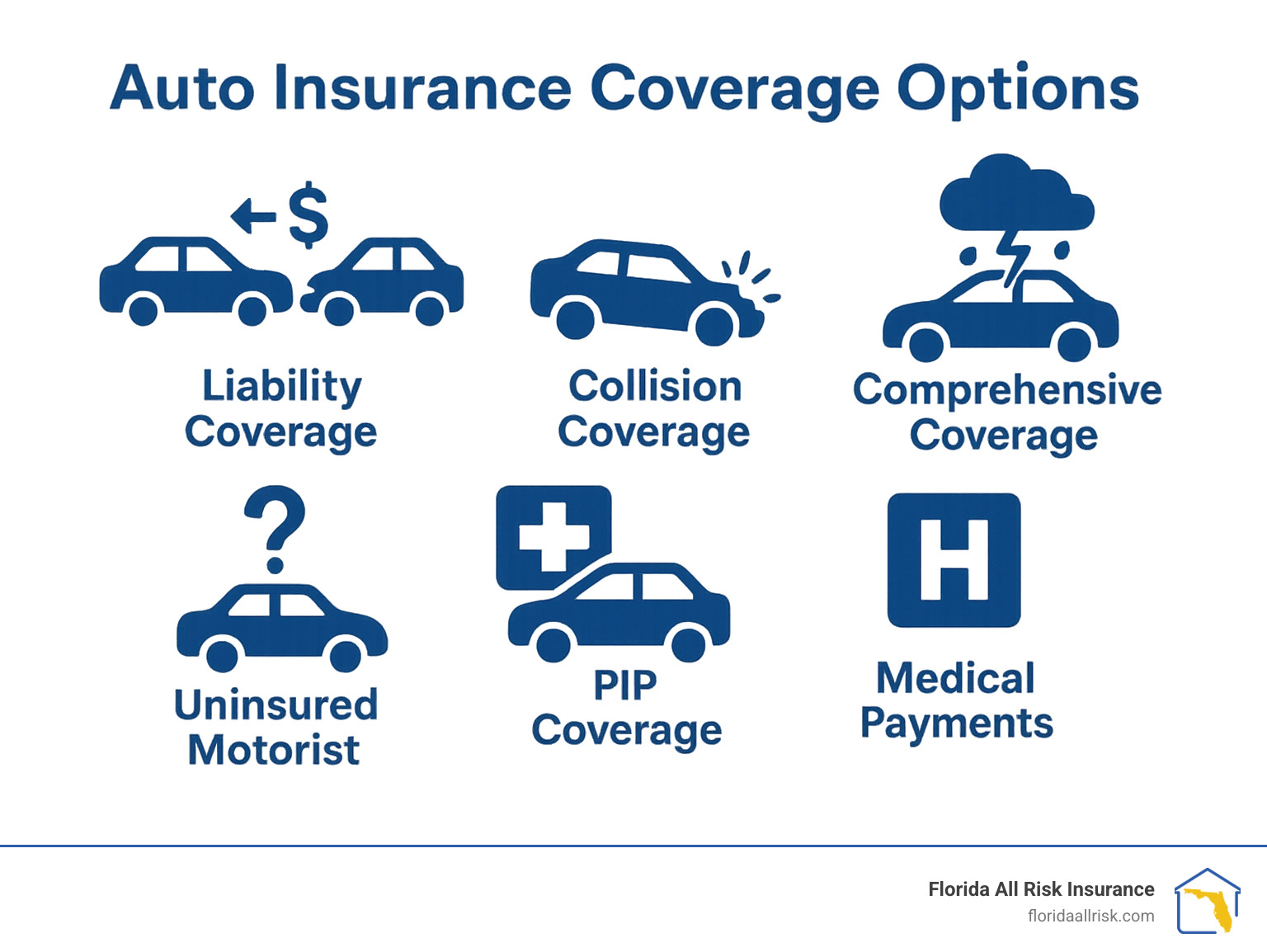
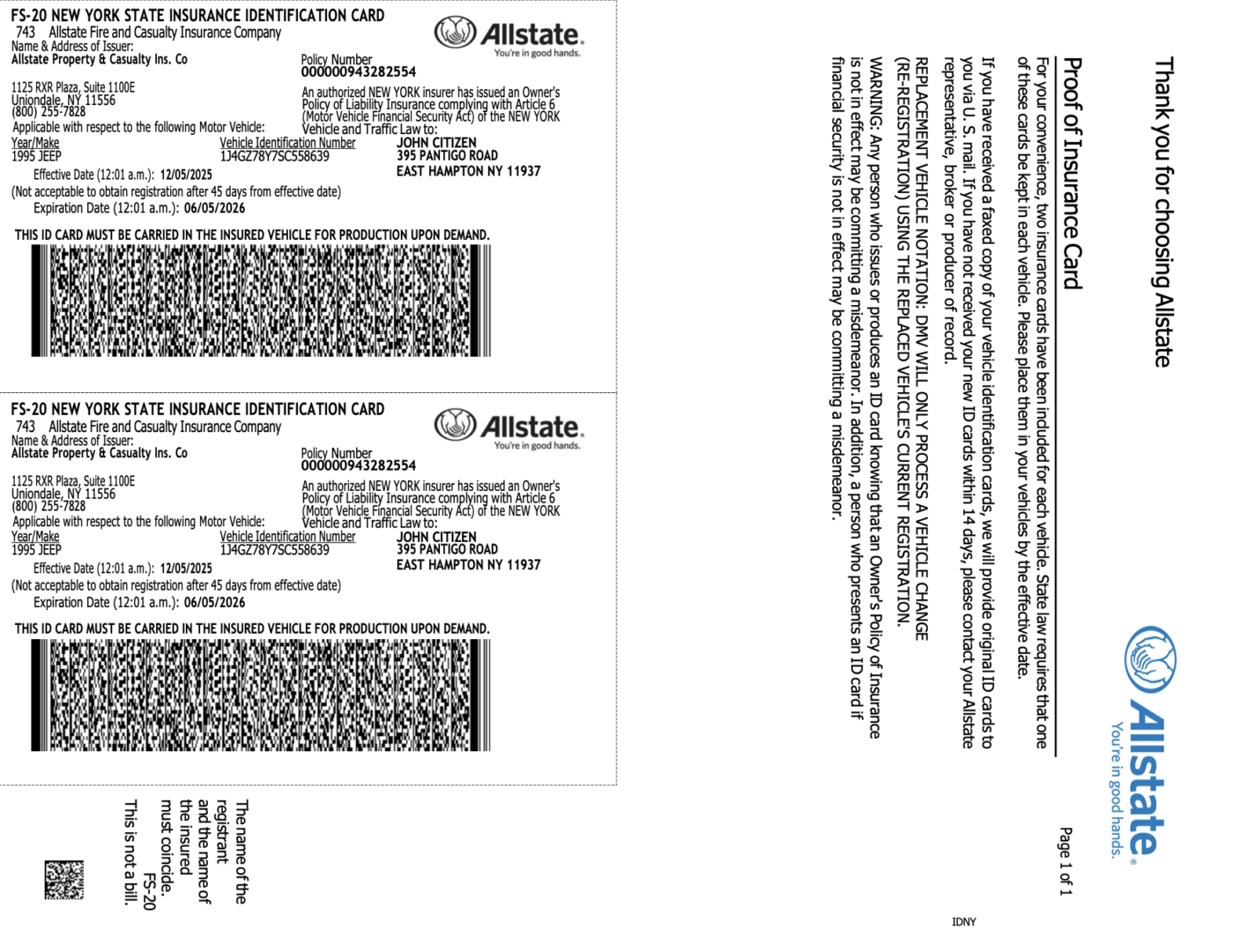
Allstate liability insurance coverage provides essential financial protection by paying for legal fees, medical bills, and property repairs if you are found legally responsible for injuring someone or damaging their property. Depending on your specific policy—whether auto, home, or umbrella—this coverage helps safeguard your personal assets from lawsuits and expensive out-of-pocket settlements.
The Fundamental Role of Liability Coverage in Personal Finance
Liability insurance is often described as the "shield" of a personal insurance portfolio. Unlike collision or comprehensive coverage, which pays to repair your own property, liability coverage is designed to protect you from the financial consequences of harming others. In 2026, as litigation costs and medical expenses continue to rise, having robust liability limits is no longer just a legal requirement for drivers; it is a critical strategy for asset preservation.
When you hold an Allstate policy, liability coverage typically functions in two primary ways: it pays for the damages you owe to a third party, and it provides for your legal defense. The latter is a significant benefit, as Allstate will often appoint and pay for an attorney to represent you if you are sued for a covered incident. These legal costs are usually paid in addition to your policy limits, meaning they do not deplete the funds available to pay for the actual damages.
Understanding the distinction between "split limits" and "combined single limits" is crucial for any policyholder. Allstate typically utilizes split limits for auto insurance, which define the maximum amount the insurer will pay per person for bodily injury, the total per accident for bodily injury, and the total for property damage. For homeowners, a single limit usually applies to each occurrence, providing a lump sum available for any combination of bodily injury or property damage claims.
Allstate Auto Liability Insurance: Protecting You on the Road
Auto liability is the most common form of liability insurance, mandated by law in nearly every state. Allstate’s auto liability coverage is divided into two distinct components: Bodily Injury Liability and Property Damage Liability.
Bodily Injury Liability (BI)
Bodily Injury Liability covers the medical expenses, lost wages, and pain and suffering of the other party if you are at fault in an accident. In the current 2026 economic environment, medical costs have outpaced general inflation, making "state minimum" limits increasingly risky. If you carry a limit of $25,000 per person and cause an accident resulting in a $100,000 hospital bill, you could be personally liable for the remaining $75,000.
Allstate offers a range of BI limits, typically starting at state minimums and extending up to $500,000 per person and $500,000 per accident. For individuals with significant assets, such as a home or retirement savings, higher limits are standard recommendations to prevent a court from seizing those assets to satisfy a judgment.
Property Damage Liability (PD)
Property Damage Liability pays for repairs to the other driver’s vehicle, as well as damage to stationary objects like fences, lamp posts, or storefronts. With the average price of a new vehicle exceeding $50,000 in 2026, a low property damage limit—such as $10,000 or $25,000—is often insufficient for a multi-car accident or a collision involving a luxury vehicle. Allstate allows policyholders to scale these limits to ensure that a single moment of inattention does not lead to a lifetime of debt.
Homeowners and Renters Liability Coverage
While auto insurance protects you on the road, Allstate’s homeowners and renters insurance provides liability protection that follows you almost anywhere in the world. This coverage is not limited to incidents that occur on your physical property; it generally covers your personal actions as well.
Personal Liability Protection
If a guest slips on an icy walkway at your home or your child accidentally breaks an expensive window while playing at a neighbor's house, Allstate’s personal liability coverage kicks in. It covers the costs of the claim up to your policy limit. A unique aspect of this coverage is its "off-premises" application. For example, if you are golfing and accidentally hit someone with a ball, your Allstate homeowners liability coverage may provide protection.
Medical Payments to Others
Standard Allstate home and renters policies also include a small amount of "Medical Payments to Others" coverage, often ranging from $1,000 to $5,000. This is a "no-fault" coverage, meaning it pays for a guest’s minor medical bills regardless of whether you were actually negligent. This can be a useful tool for settling small injuries quickly and maintaining good relationships with neighbors or friends without the need for a formal lawsuit.
Dog Bites and Animal Liability
One of the most frequent sources of liability claims is animal-related injuries. Allstate generally covers dog bites under standard liability protection, though certain breeds or histories of aggression may require specific disclosures or endorsements. In 2026, many jurisdictions have strict liability laws for pet owners, making this component of your Allstate policy particularly valuable.
The Necessity of Allstate Personal Umbrella Insurance
For many families, standard auto and home limits are not enough. A single catastrophic accident or a high-profile lawsuit can easily exceed a $500,000 limit. This is where Allstate’s Personal Umbrella Policy (PUP) becomes relevant.
An umbrella policy acts as an extra layer of protection that sits on top of your underlying auto and home policies. If you have a $500,000 limit on your auto insurance and are sued for $1.5 million, your umbrella policy would cover the $1 million gap. Allstate typically offers umbrella coverage in increments of $1 million.
Umbrella insurance also broadens the scope of your coverage. It often protects against claims that standard policies might exclude, such as:
- Libel and Slander: Protection against claims of defamation, which is increasingly relevant in the era of social media and online reviews.
- False Arrest and Invasion of Privacy: Coverage for legal issues arising from personal disputes.
- Global Coverage: While some home policies have geographical limits, an umbrella policy usually provides worldwide protection.
To qualify for an Allstate Umbrella policy, you must generally maintain specific underlying limits on your auto and home insurance, typically $250,000/$500,000 for auto bodily injury and $300,000 for home liability.
Comparing Allstate Liability Coverage Tiers
The following table outlines typical liability structures across different Allstate products as of 2026. Note that specific limits may vary based on state regulations and individual eligibility.
| Feature | Auto Liability | Homeowners Liability | Umbrella Liability |
|---|---|---|---|
| Primary Focus | Vehicular accidents | Property incidents & personal actions | Catastrophic loss / excess claims |
| Standard Limits | $25k to $500k | $100k to $500k | $1M to $5M+ |
| Legal Defense | Included (outside limits) | Included (outside limits) | Included (outside limits) |
| Global Reach | Typically US and Canada | Worldwide (Personal Liability) | Worldwide |
| Medical Payments | For others (if at fault) | For guests (no-fault) | N/A (excess only) |
| Key Exclusions | Intentional acts, business use | Business pursuits, intentional acts | Professional services, aircraft |
Common Exclusions: What Allstate Liability Does Not Cover
It is just as important to know what is excluded from liability coverage as it is to know what is included. Liability insurance is strictly for "unintentional" and "non-business" related events.
- Intentional Acts: If you intentionally cause harm to someone or damage their property, Allstate will not cover the resulting liability.
- Business Pursuits: Standard personal liability policies exclude incidents related to your business or profession. If you run a daycare out of your home or drive for a ride-sharing service without a commercial endorsement, you may find yourself without coverage.
- Use of Certain Vehicles: While your auto policy covers your car, it likely excludes motorcycles, ATVs, or watercraft unless you have specific policies or endorsements for those vehicles.
- Property You Own: Liability insurance pays others. It will never pay for damage to your own house or injuries to people who live in your household. Those would fall under dwelling coverage or health insurance, respectively.
- Professional Malpractice: If you are a doctor, lawyer, or architect, liability for your professional mistakes is covered by professional liability (errors and omissions) insurance, not your Allstate homeowners or auto policy.
Strategies for Choosing Your Liability Limits in 2026
Determining how much liability coverage you need involves a calculation of your total "at-risk" assets. This includes your home equity, savings accounts, investments, and even a portion of your future earnings.
The Asset-Based Approach
A common rule of thumb is to carry enough liability insurance to match your net worth. In 2026, with the prevalence of high-value judgments, many financial advisors suggest exceeding your net worth. If you are sued, a plaintiff’s attorney will look for reachable assets; if your insurance covers the entirety of your assets, the lawsuit is more likely to be settled within policy limits, protecting your personal lifestyle.
Risk Factor Assessment
Consider your lifestyle risk factors. Do you have a swimming pool? Do you own a dog? Are there teenage drivers in your household? Each of these factors significantly increases the statistical probability of a liability claim. Allstate agents often use "Risk Assessors" to help determine if your current limits align with your actual exposure.
Cost vs. Value
One of the most surprising aspects of liability insurance is the cost of increasing limits. Because the "first dollar" of coverage is the most expensive for the insurer, increasing your limit from $100,000 to $300,000 often costs significantly less than the original $100,000 did. Umbrella policies are similarly cost-effective, often providing $1 million in coverage for a few hundred dollars per year.
Frequently Asked Questions
Does Allstate liability insurance cover me if I am driving a rental car?
Yes, typically your Allstate auto liability coverage extends to rental cars used for personal purposes within the United States and Canada. Your policy limits remain the same. However, it is important to verify if your policy includes physical damage (collision) for the rental, as liability only covers the damage you do to others, not the rental car itself. For more information on rental coverage, you can visit the National Association of Insurance Commissioners (NAIC) website.
If I am sued for a social media post, am I covered?
Under a standard Allstate homeowners or renters policy, "Personal Injury" (which includes libel and slander) is often an optional endorsement. However, Allstate’s Personal Umbrella Policy usually includes this protection as a standard feature. If you are a frequent social media user, ensuring you have "Personal Injury" coverage is a vital addition to your liability portfolio.
Will Allstate pay for my lawyer if the accident was clearly my fault?
Yes. Allstate’s duty to defend is one of the most valuable parts of the policy. Even if you are clearly at fault, Allstate will provide a legal defense to ensure the settlement or judgment stays within reasonable bounds and does not exceed your policy limits. This defense continues until the policy limit has been paid out in a settlement or judgment.
Does liability insurance have a deductible?
Generally, no. In 2026, most Allstate auto and home liability coverages do not require the policyholder to pay a deductible before the insurance company pays out a claim to a third party. Deductibles are almost exclusively associated with first-party coverages like Collision, Comprehensive, or Dwelling protection.
Is my business covered under my Allstate homeowners liability?
Typically, no. Homeowners insurance is strictly for personal use. If you operate a business from your home, you likely need a separate business insurance policy or a "home-based business" endorsement. Incidents involving professional services or business-related visitors are standard exclusions in personal liability contracts. You can check the Insurance Information Institute (III) for more details on business-at-home risks.
Final Recommendation for Policyholders
To ensure you are adequately protected in 2026, conduct an annual "Liability Audit" of your Allstate policies. Begin by totaling your liquid assets and home equity. If this number exceeds your current per-accident liability limits, contact an Allstate representative to increase your underlying limits or add a Personal Umbrella Policy. Prioritizing high liability limits over low deductibles is often the most cost-effective way to achieve true financial security, as it protects you against the rare but devastating "total loss" scenarios that a lawsuit can present.