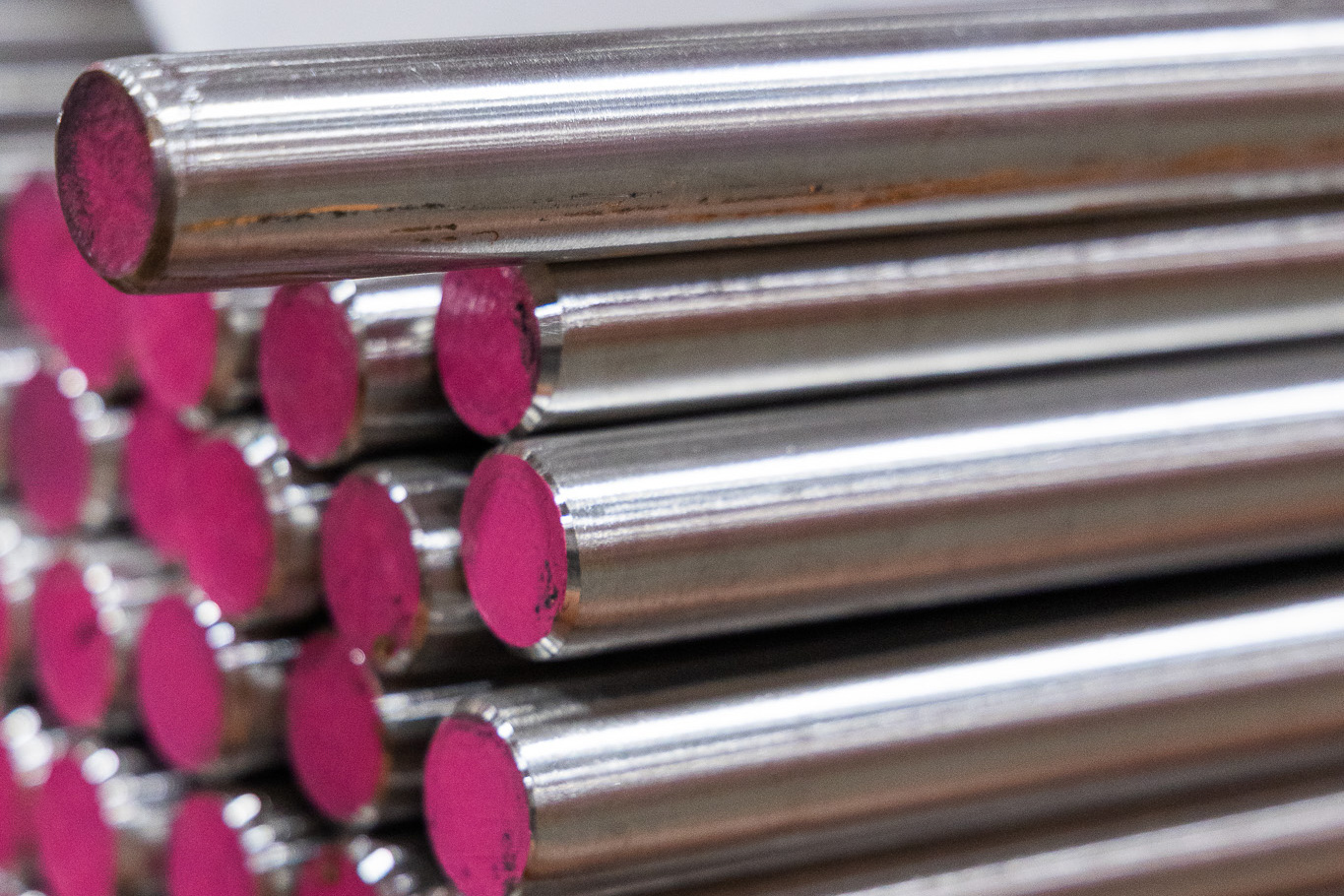
Selecting the correct alloy stainless products for industrial use requires a precise understanding of metallurgical properties, environmental stressors, and mechanical requirements. Whether operating in chemical processing, marine environments, or high-temperature manufacturing, these materials serve as the structural backbone for critical infrastructure, offering corrosion resistance, longevity, and structural integrity that baseline metals cannot replicate.
Stainless steel is an iron-based alloy containing at least 10.5% chromium, which reacts with oxygen to form a thin, invisible layer of chromium oxide that protects the metal from oxidation. In industrial applications, this base composition is modified with various alloying elements—such as nickel, molybdenum, titanium, and nitrogen—to tailor the material for extreme conditions. The primary goal for an industrial procurement manager or engineer is to match the specific "grade" of the alloy to the chemical and physical demands of the operating environment. Failure to select the appropriate grade can lead to premature structural failure, catastrophic equipment fatigue, or costly downtime in essential industrial processes.
Understanding the Metallurgical Landscape of Stainless Alloys
To navigate the market for alloy stainless products, one must first categorize them by their crystalline structure. The metallurgical classification dictates how the metal behaves during welding, machining, and thermal cycling.
Austenitic Stainless Steels
Representing the most commonly used category, austenitic steels (the 300 series) are characterized by their face-centered cubic crystal structure. These alloys are known for excellent ductility, high toughness, and superior weldability. In industrial settings, grade 304 and 316 are the industry standards. Grade 316, enriched with molybdenum, provides enhanced resistance to pitting and crevice corrosion in chloride-heavy environments, making it the preferred choice for marine and coastal industrial infrastructure.
Ferritic Stainless Steels
These alloys (such as grade 409 or 430) feature a body-centered cubic structure. They are generally more cost-effective due to lower nickel content. While they offer excellent resistance to stress corrosion cracking, they often lack the toughness of austenitic grades and are more susceptible to grain growth during welding. Their use is typically reserved for applications where high thermal conductivity and oxidation resistance are prioritized over extreme structural strength.
Martensitic Stainless Steels
These are designed for applications requiring high hardness and wear resistance. They are heat-treatable, allowing engineers to manipulate their mechanical properties for specific cutting tools, turbine blades, or valve components. However, their high carbon content makes them significantly more difficult to weld compared to austenitic counterparts.
Duplex Stainless Steels
Duplex steels offer a "best of both worlds" approach by combining austenite and ferrite phases in a roughly 50/50 mix. They exhibit significantly higher yield strength than 300-series stainless and possess exceptional resistance to stress corrosion cracking. They are increasingly standard in the oil and gas industry and desalination plants where high-pressure, high-salinity conditions exist.
Critical Selection Factors for Industrial Environments
Selecting the right alloy is not purely about strength; it is about longevity in a specific environment. When evaluating stainless products, consider these three pillars:
Chemical Compatibility and Corrosion Resistance
The industrial environment is the primary determinant of alloy selection. Factors to consider include:
- Pitting Resistance Equivalent Number (PREN): This value is calculated based on the chromium, molybdenum, and nitrogen content of an alloy. A higher PREN indicates better resistance to localized pitting corrosion in chloride-containing media.
- Stress Corrosion Cracking (SCC): In hot, chloride-rich environments, standard 304 stainless may fail. High-nickel alloys or duplex grades are required to prevent sudden, brittle failures.
- Acid Exposure: Acids, particularly sulfuric or phosphoric, necessitate the use of highly alloyed materials containing copper or higher molybdenum levels to maintain passivity.
Mechanical and Thermal Requirements
Does the component need to withstand high-pressure fluids, cyclical mechanical stress, or extreme thermal expansion? For high-temperature applications, "L" grade stainless steels (e.g., 316L) are preferred. The "L" denotes low carbon content, which prevents chromium carbide precipitation during welding—a process that would otherwise lead to "sensitization," where the metal becomes vulnerable to intergranular corrosion.
Fabrication and Maintenance Protocols
Ease of fabrication is a hidden cost. An alloy that is incredibly durable but nearly impossible to machine or weld in the field increases total project costs significantly. Furthermore, consider the surface finish. A polished, smooth finish is not just aesthetic; it reduces the number of sites where contaminants can collect and initiate corrosion.
Comparison of Common Industrial Alloy Grades
The following table provides a quick reference for matching common industrial grades to their typical operational profiles.
| Alloy Grade | Primary Characteristics | Common Industrial Application |
|---|---|---|
| 304 / 304L | Versatile, good corrosion resistance | Food processing, structural tanks |
| 316 / 316L | Molybdenum added; superior pitting resistance | Marine, pharmaceutical, chemical handling |
| 410 | Hardened, high strength, wear-resistant | Pump shafts, fasteners, turbine parts |
| 2205 (Duplex) | High strength, stress corrosion resistance | Oil and gas pipelines, pressure vessels |
| 904L | High nickel/molybdenum; high acid resistance | Sulfuric acid handling, chemical reactors |
Procurement and Verification Guidelines
When sourcing alloy stainless products for industrial use, the document trail is as important as the metal itself. Every piece of raw material or finished component must be accompanied by a Material Test Report (MTR) or Mill Test Certificate.
Steps for Proper Verification:
- Request Certified MTRs: Never accept materials without documentation proving they meet ASTM, ASME, or ISO standards.
- Verify Heat Numbers: The heat number stamped on the metal must match the heat number on the provided MTR. This ensures the material you have is the material that was tested.
- Positive Material Identification (PMI): For mission-critical industrial assets, perform on-site PMI using a handheld X-ray fluorescence (XRF) analyzer. This non-destructive test confirms the chemical composition of the alloy immediately before installation.
- Vendor Audits: Ensure your supplier has a quality management system consistent with ISO 9001:2015. Reliable vendors maintain strict traceability from the steel mill to your loading dock.
Common Pitfalls and Troubleshooting
Sensitization and Weld Decay
The most frequent cause of premature failure in stainless components is improper welding. If the heat-affected zone (HAZ) of a weld reaches temperatures between 500°C and 800°C, chromium carbides precipitate at the grain boundaries. This depletes the chromium from the surrounding metal, leaving it unprotected.
- Solution: Use low-carbon "L" grades or titanium-stabilized grades (like 321 or 347) which prevent this carbide formation.
Galvanic Corrosion
Stainless steel in contact with less noble metals (like mild steel or aluminum) in an electrolyte (like water or humidity) will accelerate the corrosion of the other metal.
- Solution: Use insulating gaskets, non-conductive washers, or avoid direct metal-to-metal contact between dissimilar alloys in wet environments.
Surface Contamination
Even high-quality stainless steel will rust if it is contaminated with iron particles from standard carbon steel tools.
- Solution: Use dedicated stainless steel grinding wheels and brushes. Once fabrication is complete, ensure the material is properly "passivated"—a chemical treatment using nitric or citric acid that removes free iron and enhances the protective chromium oxide layer.
Frequently Asked Questions
Why does my "stainless" steel show signs of rust?
Stainless steel is "stain-less," not stain-proof. Rust usually indicates either surface contamination from carbon steel tools or that the selected grade is insufficient for the concentration of chlorides or acids in your specific environment.
What is the advantage of using Duplex over 316 stainless?
Duplex stainless steel offers approximately twice the yield strength of 316. This allows engineers to design thinner-walled components, reducing the overall weight and raw material cost of the structure while providing better resistance to stress corrosion cracking.
What does the "L" mean in grades like 316L?
The "L" stands for "Low Carbon." It limits the carbon content to 0.03% or less, which is specifically intended to prevent intergranular corrosion caused by carbide precipitation during welding processes.
Is passivating necessary for new industrial equipment?
Yes. Passivation removes surface iron contaminants and restores the passive oxide layer that may have been disrupted during machining, welding, or handling, ensuring the material reaches its full corrosion resistance potential.
Can I weld different grades of stainless steel together?
Yes, it is possible, but it requires specific filler materials designed to bridge the metallurgical differences. Consult the American Welding Society (AWS) filler metal standards to ensure the resulting weld maintains the required mechanical and chemical properties.
Practical Recommendations for Procurement
For facility managers and procurement teams, the decision-making process should be systematic. Begin by documenting the exact chemical profile, pressure requirements, and temperature cycles of the application. Do not rely on generic "stainless" descriptors. Specify the exact AISI or ASTM grade required, such as "ASTM A240 Type 316L."
When engaging suppliers, prioritize those who offer full material traceability. If your application involves high-consequence environments, build a PMI scan into your receiving protocol. By maintaining strict control over the material grade, verifying the provenance of the steel through MTRs, and ensuring proper fabrication techniques are followed, you minimize the risk of premature industrial failure and ensure the long-term reliability of your infrastructure.