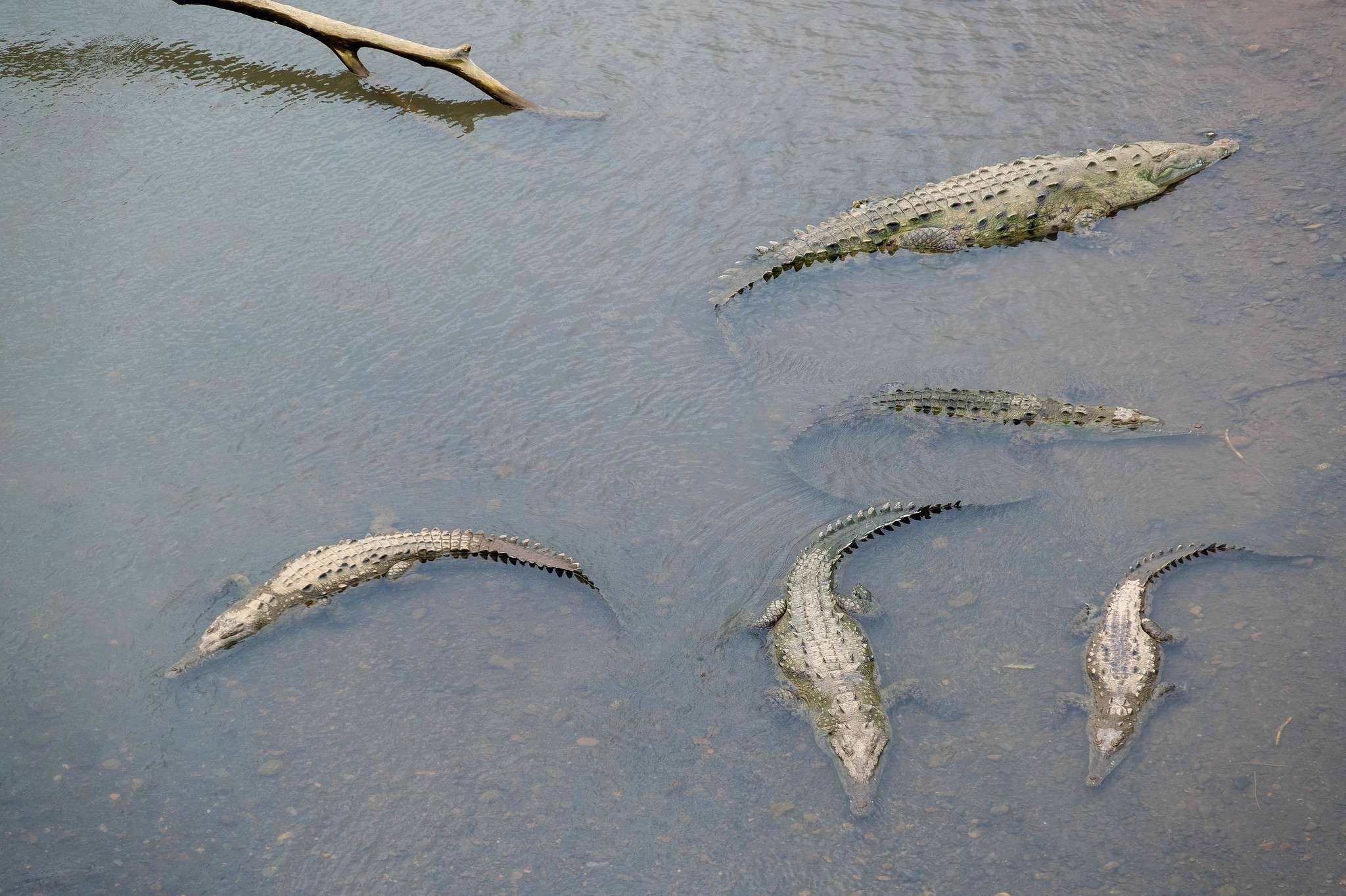
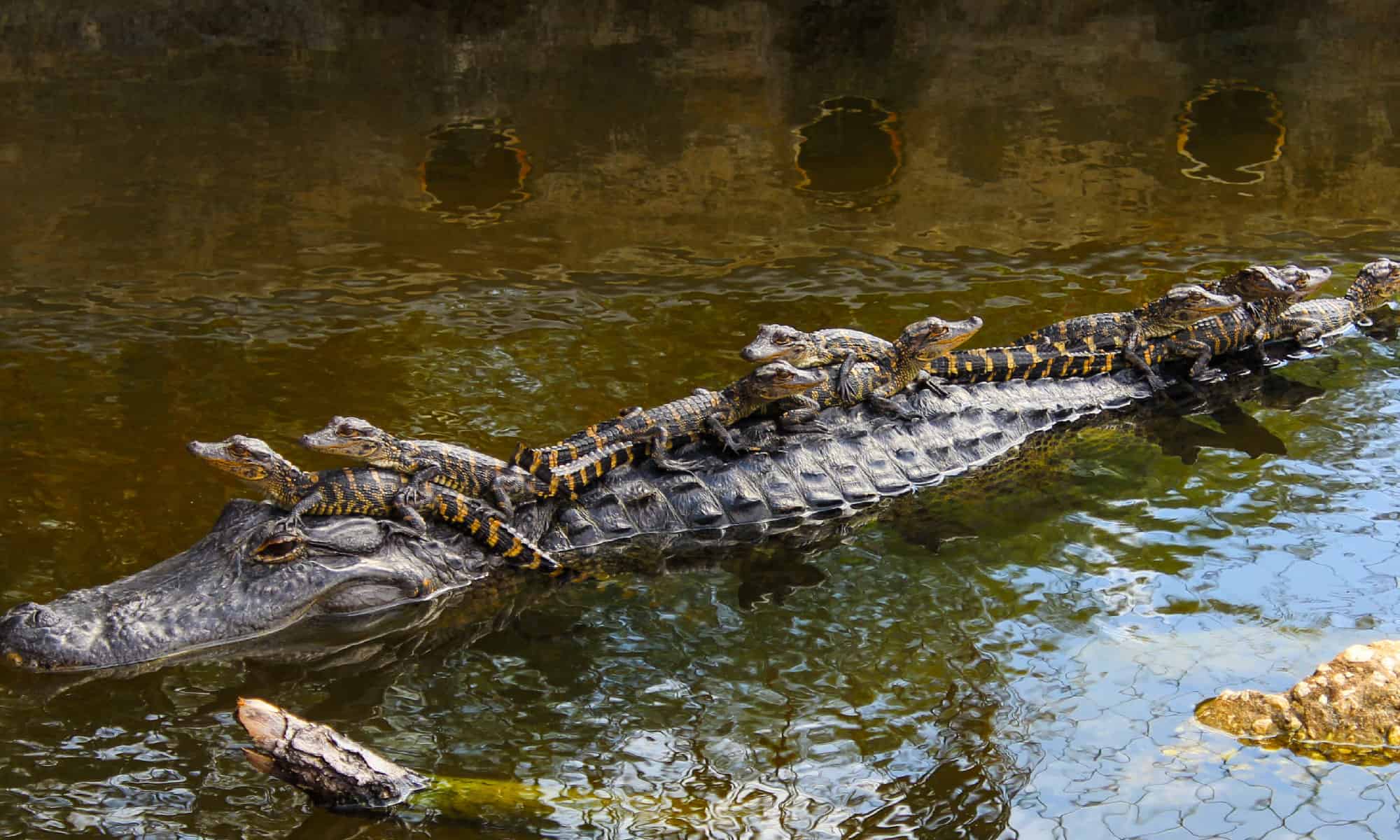
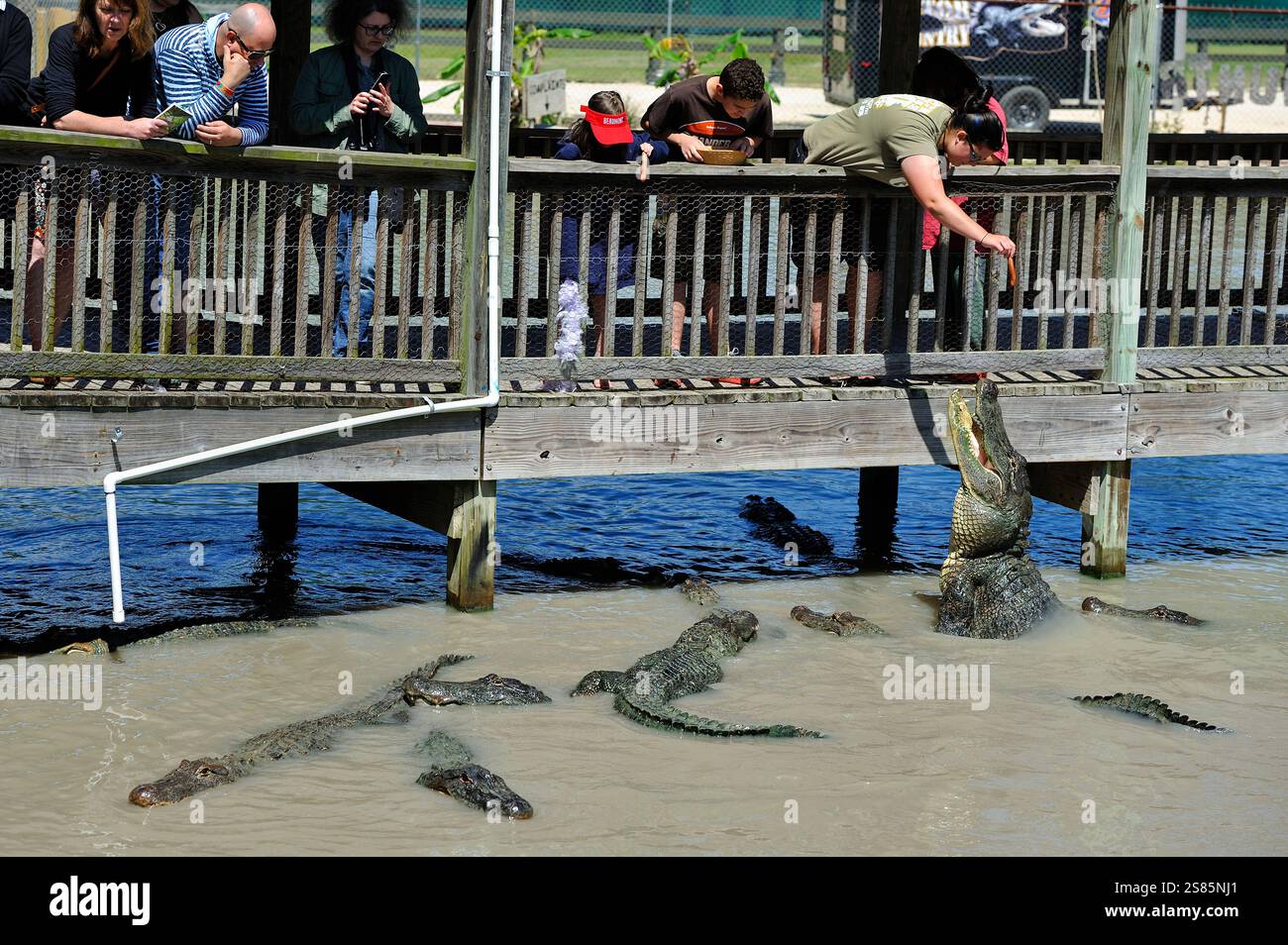
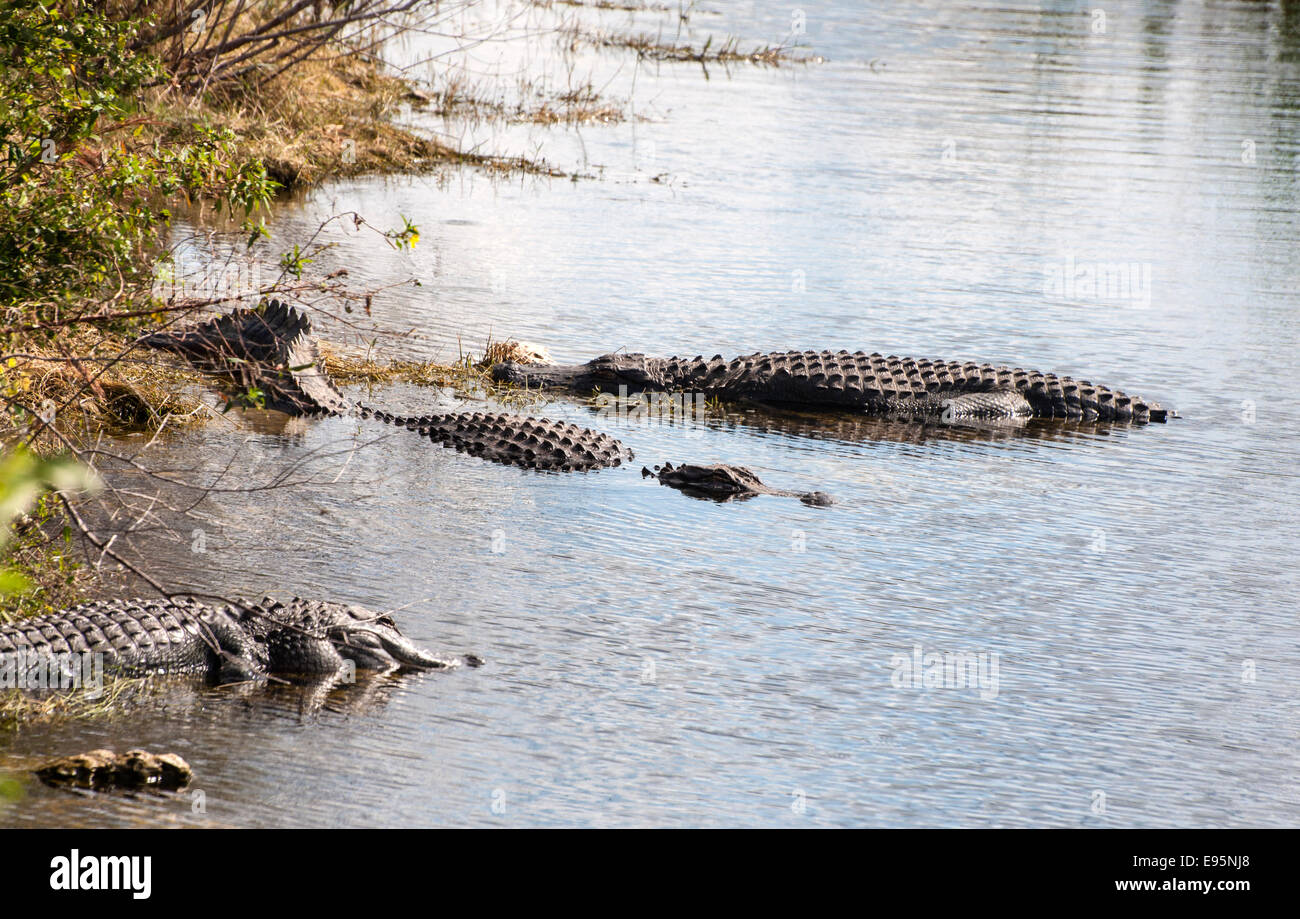
Alligators are not native to New Jersey, as the state’s climate is too cold to support permanent wild populations. However, sightings occur periodically when illegally kept exotic pets are released into local waterways. In 2026, the private ownership of alligators remains strictly prohibited under New Jersey state law, and any sightings must be reported immediately to the Department of Environmental Protection (NJDEP).
The Biological Reality: Why Alligators Are Not Native to the Garden State
To understand the presence of alligators in New Jersey, one must first understand the natural range of the American Alligator (Alligator mississippiensis). Historically and biologically, the northernmost limit of the alligator's natural habitat is the Great Dismal Swamp, which straddles the border between Virginia and North Carolina. New Jersey, situated significantly further north, falls outside the ecological parameters required for this species to thrive and reproduce.
The primary limiting factor is the winter temperature. Alligators are ectothermic, meaning they rely on external heat sources to regulate their body temperature. While they are remarkably resilient and can survive brief periods of freezing temperatures through a process called brumation—where they submerge themselves with only their snouts above the ice—New Jersey’s prolonged winters are fatal. In the Deep South, winters are characterized by short cold snaps followed by rapid warming. In New Jersey, the ground and deep water remain consistently cold for months. This prevents the alligator's metabolic processes from functioning, leading to starvation or respiratory infections that the animal cannot recover from.
Consequently, any alligator found in a New Jersey pond, river, or lake is there because of human intervention. These individuals are almost exclusively former "pets" that were purchased out of state or through illegal online markets and subsequently abandoned when they grew too large or aggressive for their owners to manage.
Historical Sightings and Recent Incidents in New Jersey
New Jersey has a surprising history of alligator encounters, which often dominate local news cycles during the summer months. These sightings usually occur in suburban parks, retention ponds, and slow-moving river branches where the water remains warm enough for the reptiles to remain active during July and August.
In recent years, notable sightings have occurred in Middlesex County, specifically within the vicinity of Victor Crowell Park in Piscataway and the Bound Brook area. During these events, local law enforcement and the NJDEP Division of Fish and Wildlife are typically deployed to capture the animal. Because these alligators are accustomed to being fed by humans in captivity, they often lack the natural fear of people, which makes them particularly dangerous in a public park setting.
Another common area for sightings is the Mullica River and various locations within the Pine Barrens. The dense vegetation and murky waters of the Pinelands offer temporary refuge for released reptiles, though the acidic nature of the water in some parts of the Pine Barrens is not ideal for alligator health. Regardless of the location, the outcome for the alligator is almost always the same: if captured, it is relocated to a licensed sanctuary (often in the South); if not captured before the first hard freeze of November, the animal typically perishes.
The Legal Framework: New Jersey’s Strict Exotic Animal Laws
New Jersey maintains some of the most stringent exotic animal regulations in the United States. Under the New Jersey Administrative Code (N.J.A.C. 7:25-4.8), alligators and other crocodilians are classified as "Potentially Dangerous Species." This classification is reserved for animals that "possess a capability for the infliction of serious physical harm or death" or "could cause a serious threat to livestock."
Possession and Permit Requirements
For the average citizen, it is effectively impossible to legally own an alligator in New Jersey. The state does not issue "pet" permits for these animals. Permits are only granted to specific entities that meet rigorous criteria, including:
- Scientific Institutions: Universities or research facilities conducting legitimate biological studies.
- Zoological Gardens: Facilities accredited by the Association of Zoos and Aquariums (AZA) that provide educational and conservation value.
- Theatrical Agencies: Entities that use animals for professional filming or educational presentations, provided they have liability insurance and professional handling facilities.
Even for these organizations, the application process involves proving that the facility is escape-proof, providing a detailed diet and medical plan, and undergoing regular inspections by the NJDEP. For an individual to possess an alligator without such a permit is a third-degree crime in New Jersey, which can lead to significant fines and potential incarceration.
Why Illegal Ownership Persists
Despite the law, hatchling alligators are often sold at roadside stands or flea markets in states like Florida or Pennsylvania where regulations may differ or enforcement is lax. A hatchling alligator is only about 6 to 8 inches long and may appear manageable. However, alligators grow rapidly—roughly one foot per year during their first few years of life. By the time a "pet" reaches three feet, it possesses enough bite force to cause permanent injury and becomes increasingly difficult to house in a standard aquarium. This is the point at which many owners, fearing legal repercussions or injury, choose to release the animal into a local New Jersey creek, creating a public safety hazard.
Environmental Impact and the "Invasive" Misconception
While alligators are often described as "invasive" when found in New Jersey, they do not technically meet the definition of an invasive species because they cannot establish a self-sustaining population. An invasive species must be able to reproduce and outcompete native wildlife in its new environment.
However, the presence of even a single alligator can have a localized negative impact on the ecosystem. Alligators are apex predators. A four-foot alligator released into a New Jersey pond will quickly decimate local populations of bullfrogs, painted turtles, and waterfowl. Furthermore, they pose a significant threat to native fish species. The disruption of the local food web, combined with the safety risk to humans and domestic pets (such as dogs swimming in the water), makes their removal a high priority for environmental officials.
Safety and Reporting: What to Do If You See an Alligator
If you encounter an alligator in New Jersey, it is vital to remember that the animal is likely stressed, hungry, and potentially confused by its environment. Unlike wild alligators in the South, a released pet may associate humans with food, making it more likely to approach a person rather than swim away.
Immediate Action Steps
- Maintain Distance: Keep at least 30 feet of distance between yourself and the animal. Alligators can move surprisingly fast over short distances on land.
- Do Not Feed: Feeding an alligator is not only dangerous but also illegal. It reinforces the animal's lack of fear toward humans.
- Keep Pets Leashed: Small dogs are a natural prey size for even a mid-sized alligator. Never allow pets to drink from or swim in water where a sighting has been reported.
- Do Not Attempt Capture: Alligators have powerful tail muscles and a bite force that can crush bone. Only professionals with specialized equipment should handle them.
Who to Contact
Sightings should be reported to the following authorities:
- The NJDEP Warning Hotline: 1-877-WARNDEP (1-877-927-6337). This is a 24-hour dispatch center that coordinates with Fish and Wildlife officials.
- Local Law Enforcement: Dial 911 if the animal is in a residential area or posing an immediate threat to public safety.
- Animal Control: While many local animal control officers are not trained for large reptiles, they can assist in securing the area until state officials arrive.
Comparison Table: Alligator vs. Native New Jersey Look-Alikes
It is common for residents to mistake native New Jersey wildlife for alligators. The following table highlights the key differences between the American Alligator and the most common "mistaken identity" species found in the state.
| Feature | American Alligator | Common Snapping Turtle | Northern Water Snake |
|---|---|---|---|
| Average Size | 3–6 feet (as released pets) | 12–18 inches (shell length) | 2–4 feet (length) |
| Snout/Head Shape | Broad, rounded snout; eyes visible on top of head. | Large, triangular head; sharp beak; no visible teeth. | Small, flattened head; distinct "neck" separation. |
| Skin/Shell Texture | Armored scutes (bumpy) with ridges along the tail. | Rugged, dark shell; long, saw-toothed tail. | Smooth or keeled scales with banded patterns. |
| Swimming Style | Tail moves side-to-side; back and head visible. | Mostly submerged; only tip of nose may show. | S-shaped undulating movement on the surface. |
| Nesting Behavior | Builds large mounds of vegetation. | Digs holes in sandy soil or mulch. | Live-bearing; does not build a nest. |
| Legal Status in NJ | Illegal without specific permits. | Protected; specific harvest seasons/limits apply. | Native and protected; non-venomous. |
The Future of Alligators in the Northeast
As we move through 2026, there is frequent discussion regarding how climate change might affect the range of the American Alligator. While average temperatures are rising, the extreme cold events known as "polar vortexes" still occur in the Northeast. These events are the primary barrier to alligator northward migration.
Experts at the NJDEP Fish & Wildlife maintain that there is no evidence of a breeding population in New Jersey. The "alligators in NJ" phenomenon remains a social and legal issue rather than a biological shift. Education remains the most effective tool for prevention. By understanding the complexity of crocodilian care and the severity of state laws, potential owners can be discouraged from purchasing these animals, thereby protecting both the public and the animals themselves from the inevitable consequences of abandonment.
Frequently Asked Questions
Can an alligator survive a New Jersey winter?
No, alligators cannot survive a typical New Jersey winter. While they can endure short periods of cold by entering a state of brumation, the sustained freezing temperatures of the Northeast prevent them from maintaining their metabolic functions. They eventually succumb to cold stress, starvation, or illness before spring arrives.
Is it legal to buy an alligator in a neighboring state and bring it to NJ?
No. While some states have more relaxed purchasing laws, transporting an alligator across state lines into New Jersey violates both state law (N.J.A.C. 7:25-4) and potentially federal law under the Lacey Act, which prohibits the interstate transport of wildlife in violation of state regulations.
What happens to alligators captured in New Jersey?
When an alligator is captured by the NJDEP, it is typically evaluated by a veterinarian. If the animal is healthy, the state works with licensed reptile sanctuaries, often in Florida or Georgia, to provide the animal with a permanent home. These animals are rarely euthanized unless they are severely injured or suffering from advanced illness.
Are there any "alligator-like" creatures native to New Jersey?
The most common animal mistaken for an alligator in New Jersey is the Common Snapping Turtle. When swimming, a large snapping turtle can show only its head and the ridges of its tail, which bears a striking resemblance to a small alligator. Additionally, large Northern Water Snakes and even floating logs are frequently reported as alligator sightings.
Can I get a permit to keep a caiman in NJ?
No. Caimans, which are smaller relatives of the alligator, fall under the same "Potentially Dangerous Species" classification as alligators. The same strict prohibitions apply, and personal pet permits are not issued for any crocodilian species in New Jersey.
Practical Recommendation
If you are interested in reptiles but live in New Jersey, avoid the temptation of illegal exotic species like alligators. Instead, consider legal, native, or commonly permitted reptiles that can be humanely cared for in a domestic setting, such as various species of geckos or captive-bred colubrid snakes. If you have already acquired an alligator and realize you can no longer care for it, do not release it. Contact the NJDEP or a specialized reptile rescue group. Many organizations offer "amnesty" programs or can assist in finding a safe, legal resolution that prevents a public safety hazard.